
Selecting the right fork and spoon set for your baby is a crucial step in their developmental journey. The transition from milk to solid foods involves more than just a change in diet; it requires your child to master complex motor skills, hand-eye coordination, and sensory processing. Using a utensil that does not match your baby’s current developmental stage can lead to frustration, mealtime resistance, and potential safety hazards. By choosing utensils designed specifically for their physical capabilities, you can support your baby’s independence and make weaning a positive experience.
To find the ideal utensil set, caregivers must evaluate specific design elements such as handle length, grip diameter, spoon bowl depth, and fork tine structure. A young infant who is just starting purees has vastly different physical needs than a toddler who is actively trying to pierce pieces of fruit. Understanding how these features align with your baby’s growing motor skills ensures that each meal is both safe and developmental.
How to Match Utensil Features to Your Baby's Motor Skills
Your baby’s ability to feed themselves relies on the gradual refinement of their motor skills. When weaning begins around six months of age, infants do not possess the wrist rotation or finger strength required to use standard cutlery. They initially rely on a primitive palmar grasp, using their entire fist to clamp down on objects. As they grow, this grasp transitions into a pincer grasp, where they use their thumb and index finger to hold smaller items, and eventually into a mature tripod grasp. Utensil designs must mirror these anatomical milestones to be effective.
Products mentioned in this guide
Prices are valid at publication and may change. Please refer to the product page for the latest price.
During the early stages of self-feeding, the length and weight of the handle play a critical role. Long, slender handles are difficult for a baby to coordinate and can easily cause them to poke themselves in the eye or face. Conversely, short, bulbous handles fit naturally into a small fist, reducing the leverage required to bring the utensil to the mouth. The weight of the utensil must also be balanced; if it is too heavy, the child’s wrist will tire quickly, leading them to abandon the tool in favor of their hands.
Spoon bowl depth and fork tine configurations must also evolve alongside your baby’s eating habits. A shallow spoon bowl is essential for beginners who are still learning to use their upper lip to clear food. If the bowl is too deep, the food remains trapped inside, leading to frustration. For older toddlers, however, a shallow spoon is inefficient for carrying liquids like soups or soft stews, necessitating a transition to a deeper, more contoured bowl. Similarly, early forks should act more like textured grabbers, while later toddler forks require defined tines to successfully pierce solid foods.
When evaluating any fork and spoon set, caregivers should focus on three core decision dimensions: material safety, handle ergonomics, and head design. Material safety involves verifying that all components are free from harmful chemicals and suited to your cleaning routine. Handle ergonomics ensure the grip matches your child’s current grasp type. Head design dictates how easily food can be scooped, held, or pierced. Balancing these three dimensions allows you to select a set that matches your child’s physical abilities and supports their growing independence.
Stage 1 (Around 6 Months): Pre-Spoons for First Tastes
At approximately six months of age, most infants begin their weaning journey. At this initial stage, feeding is primarily parent-led, though babies should be encouraged to touch and explore their food. The primary goal is to introduce new textures and flavors while protecting the baby’s highly sensitive oral cavity. Utensils used during this period must act as gentle training tools rather than highly functional cutlery.

Key Features to Look For
During parent-led feeding, the design of the spoon head is paramount. Caregivers should look for exceptionally shallow spoon bowls. At six months, babies have not yet developed the oral motor skills to scoop food out of a deep cavity. A flat or nearly flat spoon allows the infant to easily sweep purees off the surface using their upper lip, which promotes proper swallowing mechanics and minimizes the risk of gagging.
Material composition is another critical factor for first tastes. The spoon head must be made of soft, flexible materials such as high-quality, food-grade silicone. Infants often bite down hard on utensils due to teething discomfort or natural reflexes. A soft silicone edge protects their delicate gums, developing primary teeth, and sensitive palate from bruising. Rigid plastic or metal spoons can cause pain upon contact, which may lead to a negative association with mealtime.
While the spoon head must be small and soft, the handle should be relatively long and slender. Since parents are doing the majority of the feeding at this stage, a longer handle provides better leverage and comfort for adult hands. Additionally, a longer handle is highly practical for reaching into the bottom of deep baby food jars or storage containers without getting food on your fingers.
Recommended Utensil Types to Consider
For this introductory phase, “pre-spoons” and “sensory spoons” are highly recommended. Unlike traditional spoons, pre-spoons often feature a flat head with textured channels or a hollow center. Instead of requiring a scooping motion, these utensils allow purees to cling to the textured surface. This design is perfect for babies who want to practice dipping the spoon into food and bringing it to their mouths independently, as there is no “right way” up for the utensil.
Many stage one utensils are designed to double as teethers. These sets feature textured bumps or ridges on the handle and the back of the spoon head. When a teething baby bites down on the utensil, these textures massage their sore gums, providing relief while simultaneously encouraging oral exploration and desensitizing their gag reflex. This sensory feedback is highly beneficial for preparing the mouth for textured solid foods.
Before purchasing any stage one utensil, caregivers must carefully inspect the product packaging. Always verify the manufacturer’s official age grading to ensure it is rated for infants aged six months and older. Additionally, look for clear labels indicating that the materials used are food-grade, non-toxic, and free from BPA, phthalates, and PVC.
Stage 2 (7 to 9 Months): Training Sets for Early Self-Feeding
Between seven and nine months, many babies show a strong desire to feed themselves. They will reach for the spoon during meals and attempt to mimic your movements. This is the ideal window to transition to training sets that are specifically engineered to support self-feeding. At this stage, utensils must be designed to accommodate a baby’s limited coordination and lack of wrist rotation.
Key Features to Look For
To facilitate a successful palmar grasp, training utensils must feature short, thick, and chunky handles. These bulbous handles fit snugly into a baby’s closed fist, allowing them to maintain a secure grip without needing advanced finger strength. The short length of the handle is equally important; it keeps the hand close to the spoon head, which significantly improves control and makes it easier for the baby to target their mouth.
Safety is a primary concern when infants begin handling utensils independently. Training spoons and forks for this stage should feature built-in choke guards. A choke guard is a wide, circular shield located between the handle and the head of the utensil. This barrier physically prevents the baby from pushing the spoon or fork too far into their mouth, protecting them from accidental gagging, choking, or throat irritation during enthusiastic self-feeding sessions.
Forks introduced during this stage must have a highly specialized design. Standard fork tines can easily poke or scratch a baby’s sensitive mouth. Instead, look for training forks with very blunt, rounded, or looped tines. These tines are not meant for piercing hard food; rather, they are designed to help the baby practice mashing soft foods, such as steamed pumpkin or avocado, and holding onto thick purees or oatmeal.
Recommended Utensil Types to Consider
When shopping for this stage, look for dedicated “training spoons” and “easy-grip sets” constructed from lightweight materials. Silicone, high-density polyethylene, and lightweight plastics are excellent choices. The lighter the utensil, the less effort is required for the baby to lift it, which reduces physical fatigue and keeps them engaged in the self-feeding process for longer periods.
Angled or curved handles are another innovative option to consider. These utensils feature a permanent bend in the neck, which aligns the spoon head with the baby’s mouth even when their wrist remains locked in a straight position. This design bypasses the need for wrist rotation, helping babies successfully transfer food from their bowl to their mouth with far fewer spills, boosting their confidence.
Caregivers should physically inspect the dimensions of the choke guard before purchasing to ensure it is wide enough to be effective. Always verify that the entire product is labeled as BPA-free, PVC-free, and made from food-grade materials. Reading the manufacturer’s care instructions is also essential, as some training sets with built-in sensory textures or specialized materials may require specific hand-washing or sterilizing methods.
Stage 3 (10 to 12+ Months): Toddler Sets for Independent Meals
As your baby approaches their first birthday and moves beyond it, their fine motor skills will improve dramatically. They will begin transitioning from a palmar grasp to a pincer grasp, and eventually to a tripod grasp. At this stage, they are ready to handle more complex food textures, including pasta, soft meats, and grains. Their utensils must evolve to match these advanced eating habits and physical capabilities.
Key Features to Look For
Toddler spoons require deeper, more contoured bowls than those used in earlier stages. As children begin eating thinner liquids, soups, and grains like rice, a shallow spoon will lead to constant spills. A deeper bowl helps contain these foods as they are lifted from the plate. However, the bowl should still be sized appropriately for a toddler’s mouth, ensuring they can easily clear the food with their lips.
This stage also marks the transition to functional fork tines. Toddler forks must be capable of piercing soft-cooked vegetables, soft fruits, and pasta. The tines should be defined enough to hold food securely but must still feature rounded tips to prevent injuries to the gums and lips. Avoid sharp metal tines designed for older children or adults, opting instead for tines designed specifically for early toddlers.
Handles should be shaped to accommodate a developing pincer or tripod grasp. Look for contoured, ergonomic handles that encourage the thumb and fingers to rest in the correct position. Non-slip materials, such as textured silicone or rubberized panels along the handle, are highly beneficial. These grips prevent the utensil from sliding out of greasy or wet hands, reducing frustration during active meals.
Recommended Utensil Types to Consider
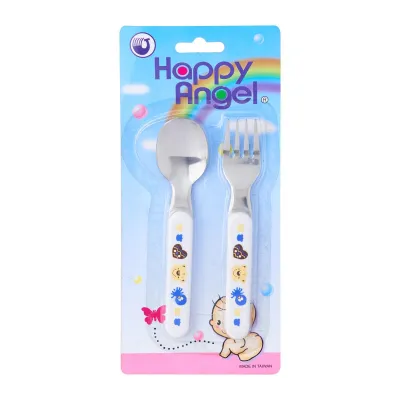
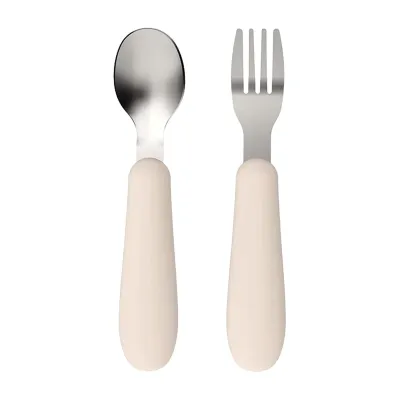
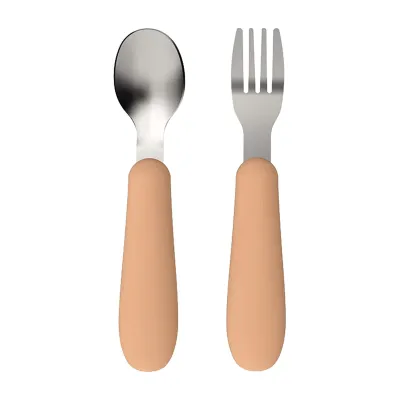
For toddlers who have mastered basic self-feeding, hybrid fork and spoon sets are an excellent choice. These sets typically feature stainless steel heads paired with thick, easy-to-grip silicone or plastic handles. The stainless steel heads provide the durability and structural rigidity needed to pierce and scoop denser foods effectively, while the soft handles remain comfortable and easy for small hands to manipulate.
Before purchasing a hybrid set, caregivers should check the manufacturer’s weight recommendations. While stainless steel is highly durable, some sets can be surprisingly heavy. Ensure the weight is distributed evenly, with the bulk of the weight in the handle rather than the head, to help the child maintain balance. Lightweight plastic or full-silicone options remain excellent alternatives if your child still struggles with heavier utensils.
For families who frequently dine out at local family restaurants or hawker centres in Singapore, look for toddler sets that come with a dedicated travel case. A compact, snap-close case keeps clean utensils hygienic in your diaper bag and seals away dirty utensils after a meal, preventing mess. Always verify that all components of the travel set, including the carrying case, meet current food-contact safety standards.
Safety, Hygiene, and When to Replace Baby Utensils
Maintaining the safety and hygiene of your baby’s utensils is just as important as choosing the right design. Because babies have developing immune systems, their feeding equipment must be kept thoroughly clean. Caregivers must always read and follow the manufacturer’s specific cleaning and sterilization instructions. While many food-grade silicone and stainless steel utensils are dishwasher-safe, certain plastics or hybrid utensils with glued joints can warp, degrade, or trap water when exposed to high heat or steam sterilizers.
In Singapore’s warm and humid climate, proper drying is crucial. After washing, utensils should be placed in a well-ventilated drying rack to dry completely. Allowing moisture to pool in the crevices of textured handles or inside hollow components can create an ideal breeding ground for mold and bacteria. If you notice a persistent musty odor or dark spots on silicone utensils, they should be thoroughly sanitized or replaced immediately.
Regular visual inspections of all baby utensils are mandatory. Before every meal, take a moment to examine the fork and spoon for signs of wear and tear. Look for deep scratches, cracks, peeling plastic, or bite marks. Silicone utensils that have been chewed through or have loose pieces must be discarded immediately, as these fragments can easily break off and pose a severe choking hazard. For hybrid utensils, check that the metal head remains securely attached to the plastic or silicone handle; if there is any wobbling or separation, discard the item.
Finally, remember that no matter how many safety features a utensil set possesses—such as choke guards or blunt tines—active adult supervision is always required during meals. A baby practicing their motor skills can easily become distracted, overfill their mouth, or attempt to run while holding a utensil. By maintaining a watchful eye and ensuring your child remains seated during meals, you can prevent accidents and ensure a safe, successful weaning experience.
Frequently Asked Questions (FAQ)
When should I introduce a fork to my baby?
Forks are typically introduced when your baby has developed a functional pincer grasp and shows an active interest in piercing solid foods, which usually occurs between 8 and 10 months of age. At this stage, you should start with training forks that feature very blunt, rounded, or looped tines. These tines are designed to help your baby practice the motion of mashing and lifting food without the risk of poking or scratching their sensitive mouth. Always check the manufacturer’s packaging to verify the age grading and safety recommendations before introducing a new utensil to your baby.
Are silicone or stainless steel spoons better for weaning?
Both materials offer distinct advantages depending on your baby’s current weaning stage. Food-grade silicone spoons are highly recommended for the early stages of weaning (around 6 to 9 months) because they are soft, flexible, and gentle on sensitive gums and emerging teeth. As your child grows and transitions to independent toddler meals (around 10 to 12+ months), stainless steel spoons with ergonomic, non-slip handles become more suitable. Stainless steel is highly durable, stain-resistant, and features a thinner edge that makes scooping denser foods much easier. Caregivers should choose the material based on their child’s motor skills and verify the product’s specific age grading.
Community discussion
Share your experience or ask a question. Comments are reviewed before publication.