
Introducing solid foods is a significant milestone in your baby’s development, marking the transition from an all-liquid diet to a world of diverse flavors and textures. In Singapore, parents are presented with a wide array of commercial baby food options, making it essential to understand how to select products that align with your child’s specific growth stage. The best baby food purees are those that prioritize clean, nutrient-dense ingredients, avoid unnecessary additives, and match your baby’s current oral motor skills.
Navigating the weaning journey requires a clear understanding of the developmental stages of infancy. While homemade purees allow for complete control over ingredients, high-quality commercial baby food purees offer a safe, convenient, and nutritionally balanced alternative for busy families. Brands like Bellamy’s Organic, Rafferty’s Garden, Heinz, and Only Organic are widely available across Singapore supermarkets and specialty retailers, offering structured product lines tailored to Stage 1, Stage 2, and Stage 3 weaning.
What to Look for When Choosing Baby Food Purees
Selecting the right commercial baby food purees involves a careful evaluation of ingredient lists, nutritional panels, and packaging integrity. The foundational rule for infant nutrition is to choose purees with zero added sugar, zero added salt, and no artificial preservatives, colors, or flavors. A baby’s developing kidneys are highly sensitive to sodium, and early exposure to added sugars can shape long-term taste preferences toward overly sweet foods.
Products mentioned in this guide
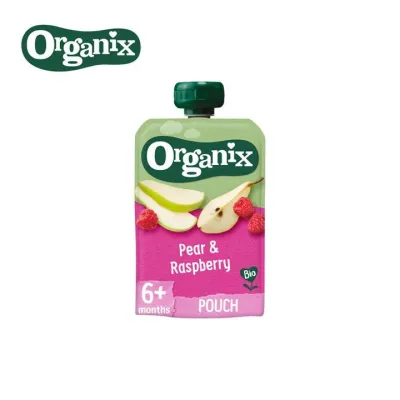
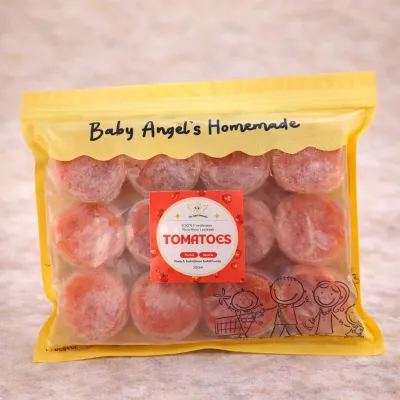
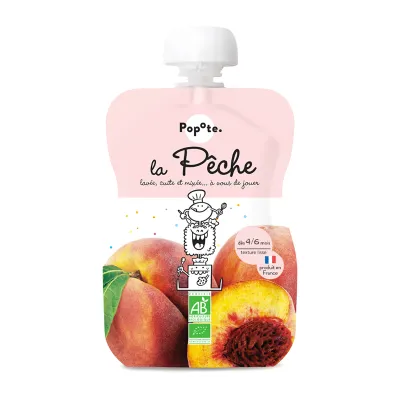
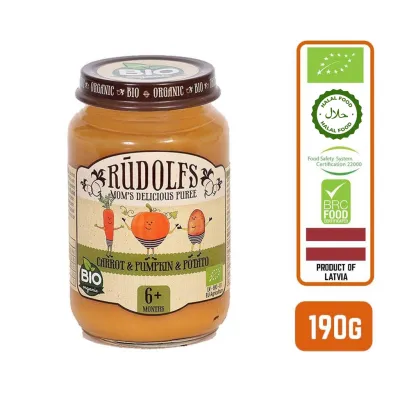
![[SG Stock] Maeil | Mamma Meal | Baby Food Puree](https://img.lazcdn.com/g/p/3b6a6ab982c3384259440f7fbd21df7a.png_400x400q80.png_.webp)
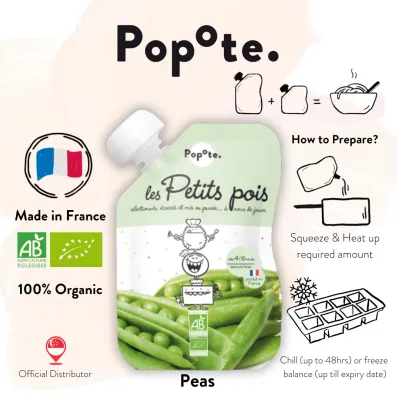
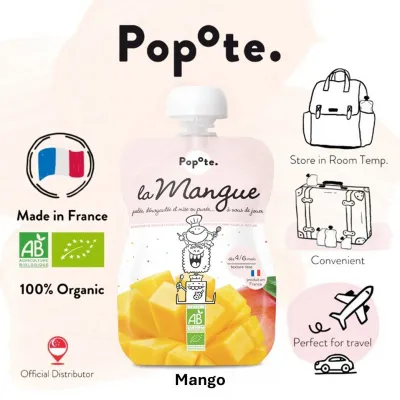
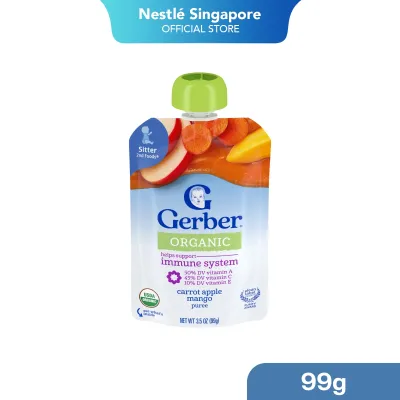
Prices are valid at publication and may change. Please refer to the product page for the latest price.
When reading baby food labels in Singapore, always look at the ingredient list first, which displays ingredients in descending order by weight. Ensure that the primary ingredient named on the front of the packaging is indeed the first item listed on the back, rather than a cheaper filler like water or apple juice concentrate. Check the Nutrition Information Panel (NIP) to evaluate the nutritional density, paying close attention to iron and protein content as your baby grows older. It is also vital to check the allergen declarations, which are mandatory on food labels in Singapore, to identify potential triggers such as dairy, gluten, soy, fish, or tree nuts.
Packaging safety is another critical consideration when browsing the baby food aisle. Ensure all packaging is explicitly labeled as bisphenol A (BPA) free to prevent chemical leaching. Glass jars are highly stable, impermeable, and easy to recycle, though they are heavy and fragile. Squeeze pouches are lightweight, convenient for travel, and popular among parents in Singapore, but they require strict visual inspection before purchase. Never buy or feed your baby from a pouch that appears bloated, has a broken cap seal, or shows any signs of leakage, as these are indicators of bacterial contamination and spoilage.
Before introducing any commercial purees, caregivers must verify that their baby is developmentally ready for solid foods. The following quick-reference table outlines the key physical signs that indicate readiness for specific weaning stages:
| Developmental Sign | Physical Capability | Recommended Weaning Stage |
|---|---|---|
| Sitting up unassisted | Baby can sit upright with little to no support, demonstrating core strength. | Stage 1 (Around 6 months) |
| Loss of tongue-thrust reflex | Baby no longer automatically pushes solid food out of their mouth with their tongue. | Stage 1 (Around 6 months) |
| Good head and neck control | Baby can hold their head steady and turn it away when full or uninterested. | Stage 1 (Around 6 months) |
| Reaching for food | Baby shows active interest in family meals, leaning forward and reaching out. | Stage 1 & 2 (6 to 8 months) |
| Chewing or mashing motions | Baby moves their jaw up and down to mash soft lumps with their gums. | Stage 2 & 3 (7 to 9+ months) |
| Pincer grasp development | Baby begins picking up small objects using their thumb and index finger. | Stage 3 (9+ months) |
Top Baby Food Puree Brands for Stage 1 (Around 6 Months)
Stage 1 weaning typically begins around six months of age, when breast milk or formula alone is no longer sufficient to meet a baby’s rapidly growing nutritional needs. The primary goal of this stage is to introduce the concept of eating from a spoon and to test for potential food sensitivities. Stage 1 purees must feature an ultra-smooth, runny consistency and a single-ingredient profile, ensuring they are easily digestible for an immature digestive system.

Several reputable brands available in Singapore cater specifically to Stage 1 infants. Rafferty’s Garden offers a popular range of starting purees, such as single-ingredient pear or sweet potato, which are known for their smooth texture. Bellamy’s Organic is another widely trusted brand that provides certified organic single-ingredient options, ensuring no synthetic pesticides or fertilizers were used in the farming process. Heinz also maintains a long-standing presence in Singapore supermarkets, offering classic, finely strained starter jars that are highly accessible.
When examining Stage 1 labels, look for phrases such as “100% fruit” or “100% vegetable” and verify that there is no added water, thickeners, or fruit juice concentrates. Added water dilutes the nutritional density of the food, while fruit juice concentrates artificially increase the sugar content without providing the beneficial dietary fiber of whole fruits. Keeping ingredients as simple as possible is the safest approach during these initial weeks of solid feeding.
Caregivers should strictly follow the three-day wait rule when introducing new single-ingredient purees. Feed your baby the same single ingredient for three consecutive days while monitoring closely for signs of an allergic reaction, such as skin rashes, hives, swelling, vomiting, or changes in bowel movements. If any adverse symptoms occur, stop feeding the food immediately and consult a pediatrician or visit a local clinic. This systematic approach allows you to easily isolate and identify the specific food causing the reaction.
While commercial Stage 1 purees are highly convenient, they have distinct limitations. Relying solely on ultra-smooth, sweet commercial fruit purees for an extended period can lead to flavor fatigue and a strong preference for sweet tastes. It is essential to transition your baby to homemade vegetable purees and gradually introduce thicker textures as soon as they show readiness, preventing them from becoming accustomed only to highly processed, runny foods.
Top Baby Food Puree Brands for Stage 2 (7 to 8 Months)
By seven to eight months, most babies are ready to progress to Stage 2 weaning. At this stage, infants require a wider variety of nutrients, particularly iron and zinc, as their natural iron stores from birth begin to deplete. Stage 2 purees feature combination flavors, slightly thicker or mashed textures, and the introduction of proteins such as chicken, beef, fish, or legumes to support rapid muscle and brain development.
In Singapore, brands like Only Organic, Bellamy’s Organic, and Rafferty’s Garden offer excellent Stage 2 product lines. These ranges combine fruits, vegetables, grains, and proteins in balanced profiles, such as apple, pear, and quinoa, or chicken, sweet potato, and vegetable blends. These combinations help expand your baby’s palate by introducing savory elements alongside familiar sweet flavors, encouraging a more diverse acceptance of food families.
When purchasing Stage 2 purees, carefully check the nutrition label to verify that the protein and iron levels meet the nutritional demands of a growing infant. Opt for blends that list a clear protein source (such as chicken, beef, or lentils) high up on the ingredient list rather than as a minor ingredient. Be aware that some commercial “meat” purees may contain very low percentages of actual meat, relying instead on apple or pear puree as a base; always verify the exact ingredient percentages on the label.
Because Stage 2 purees frequently contain multiple ingredients, checking for common allergens is paramount. Ingredients like cheese, yogurt, oats, and wheat pasta are common in Stage 2 blends, introducing dairy and gluten to your baby’s diet. Never introduce a mixed-ingredient commercial puree unless your baby has already safely tolerated each individual ingredient on its own. If your baby has not yet tried dairy, do not introduce a mixed pear and yogurt pouch as their first exposure.
Squeeze pouches are highly practical for on-the-go feeding in Singapore’s busy urban environment, but they should be used with caution. Sucking food directly from a pouch spout bypasses the essential oral motor movements required for chewing, swallowing, and jaw development. To encourage proper oral development, always squeeze the puree onto a spoon or into a bowl rather than allowing your baby to suck directly from the pouch. This practice helps prepare their mouth muscles for speech and the consumption of more complex solids.
Top Baby Food Puree Brands for Stage 3 (9 Months and Older)
Stage 3 weaning, starting around nine months of age, focuses on preparing your baby to transition to family meals. At this stage, babies should be consuming chunkier textures containing small, soft lumps that encourage chewing. The flavor profiles become more complex, mimicking adult meals with mild herbs and spices, which helps integrate the child into the family’s culinary culture.
Brands available in Singapore mother-and-baby specialty stores and larger supermarkets offer dedicated Stage 3 ranges, often labeled as “toddler meals” or “chunky purees.” Heinz Toddler and Organix provide savory meals with soft pasta stars, rice grains, or finely minced meats. Only Organic also offers chunky vegetable and meat casseroles designed to stimulate chewing and help babies practice moving food around their mouths with their tongues.
Caregivers must be highly vigilant about sodium levels when evaluating Stage 3 commercial meals. As recipes become more complex, some manufacturers may add hidden salts or yeast extracts to enhance flavor. The daily recommended sodium intake for infants under 12 months is less than 120 mg. Check the nutrition label to ensure the sodium content is minimal, and avoid any products that list salt in the ingredient list.
Commercial Stage 3 purees can serve as an excellent, nutritious base that you can supplement with fresh, soft finger foods. Pair a chunky commercial vegetable puree with soft-cooked carrot sticks, steamed broccoli florets, or ripe avocado slices. This combination encourages your baby to develop their pincer grasp—picking up small pieces of food between the thumb and index finger—and fosters independence through self-feeding.
It is important to remember that commercial Stage 3 meals should not entirely replace freshly prepared, home-cooked family meals. To bridge the gap between commercial purees and table food, try mixing a small portion of finely mashed family food into their favorite commercial puree. Over time, gradually increase the proportion of homemade family food while reducing the commercial component, helping your baby transition smoothly to eating the same healthy meals as the rest of the household.
Where to Buy and Safety Checks Before Feeding
In Singapore, parents have access to numerous reliable purchasing channels for baby food purees. Established physical supermarkets like FairPrice Finest, Cold Storage, CS Fresh, and Sheng Siong carry a wide selection of international and organic brands. Dedicated mother-and-baby retail stores and the official online portals of major local grocery platforms also provide safe, authentic products. Avoid purchasing infant food from unauthorized third-party sellers on general online marketplaces, as these sellers may not maintain proper temperature-controlled storage, increasing the risk of premature spoilage or contamination.
Before serving any commercial baby food, perform a thorough safety check using this pre-feeding checklist:
- Verify the expiry date: Always check the "best before" or expiry date printed on the packaging.
- Check the safety seal: For glass jars, ensure the safety button on the lid is down and makes a distinct "pop" sound when opened. For pouches, verify that the plastic cap seal is completely intact and has not been twisted or broken.
- Inspect the food visually: Squeeze a small amount of puree onto a spoon to check for abnormal colors, separation, or an unusual sour odor before feeding your baby.
- Check for recalls: Keep up to date with official food safety authority announcements in Singapore regarding any recent baby food product recalls.
To maintain strict food hygiene, always transfer the required portion of puree from the jar or pouch into a separate, clean feeding bowl using a clean spoon. Never feed your baby directly from the packaging if you intend to save the remainder for later. Saliva from your baby’s mouth contains bacteria and digestive enzymes that travel back into the container via the spoon, causing the remaining food to spoil rapidly, even when stored in the refrigerator.
Frequently Asked Questions (FAQ)
Can I mix commercial purees with homemade baby food?
Yes, mixing commercial purees with homemade baby food is a safe and highly effective way to expand your baby’s diet, adjust food textures, and introduce new flavors. You can easily stir a smooth commercial fruit puree into a slightly chunkier homemade oat porridge, or mix a commercial meat puree into fresh, mashed sweet potato. Ensure that both the commercial and homemade components are prepared and handled with clean utensils. If you choose to warm the mixed food, stir it thoroughly to eliminate any hot spots, and always test the temperature on the inside of your wrist before feeding your baby.
How long can an opened jar or pouch of baby food puree be kept in the fridge?
Once opened, an unused portion of commercial baby food puree can generally be stored in a refrigerator kept at 4°C or below for 24 to 48 hours. Purees containing meat, poultry, fish, or dairy should ideally be consumed within 24 hours due to their higher susceptibility to bacterial growth, while plain fruit and vegetable purees can typically be kept for up to 48 hours. Always check the specific manufacturer’s storage instructions on the packaging, as preservation guidelines can vary. Any leftover puree that has been in direct contact with your baby’s saliva must be discarded immediately after the feed.
Community discussion
Share your experience or ask a question. Comments are reviewed before publication.