
What Defines Comfort in a Nursing Pillow for Long Sessions?
Supporting an infant during feeding sessions that last anywhere from thirty to forty-five minutes requires sustained physical effort. A high-quality baby feeding pillow is not merely a soft cushion; it is an ergonomic tool designed to bridge the gap between your lap and your baby. During the early weeks of parenthood, when cluster feeding is common, holding a baby’s weight without proper support can quickly lead to acute fatigue in your shoulders, neck, and lower back.
When evaluating a pillow for extended feeding sessions, firmness is a critical factor. A cushion that is too soft allows the baby to sink, which alters their position, pulls on the nipple, and forces you to hunch forward to maintain the latch. A medium-firm to firm cushion keeps the baby elevated at breast height, maintaining an optimal feeding angle and reducing the muscular effort required from your arms and upper body.
Ergonomic shape is another essential component of long-term comfort. C-shaped pillows slip easily around the waist, while wrap-around and U-shaped designs secure with a strap to provide continuous lumbar support and prevent the pillow from shifting. The right shape aligns your spine naturally, allowing your shoulders to relax and your elbows to rest comfortably while you support your baby’s head.
Products mentioned in this guide
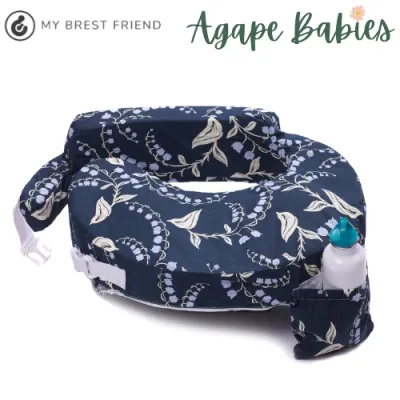
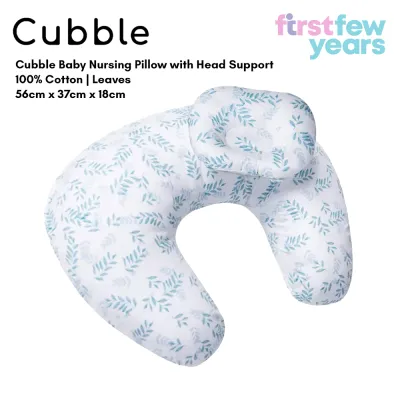
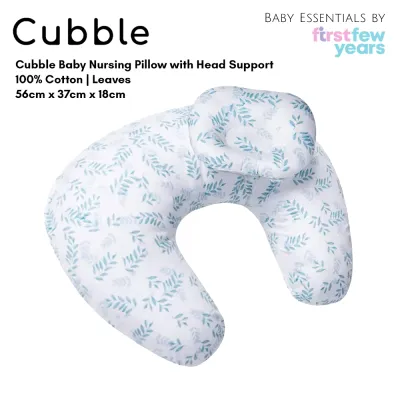
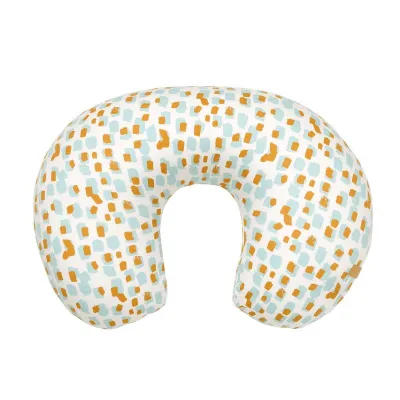
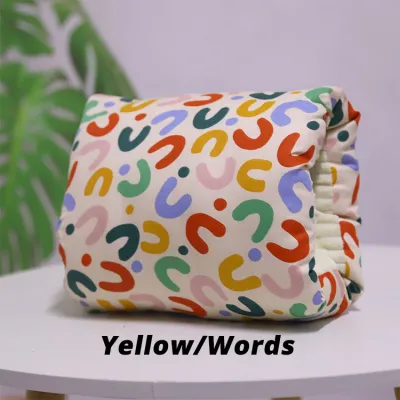
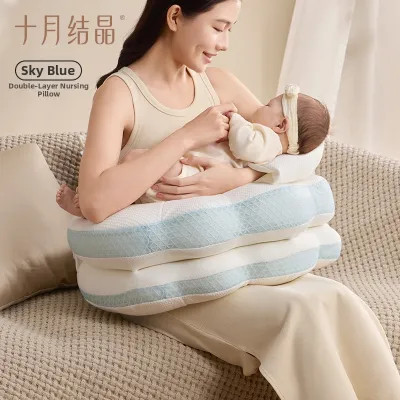
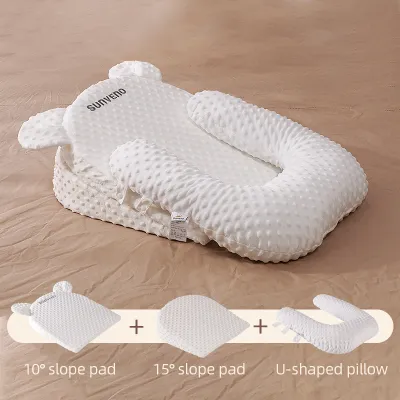
Prices are valid at publication and may change. Please refer to the product page for the latest price.
In Singapore’s warm and humid tropical climate, the choice of cover material directly impacts comfort. Close physical contact during feeding generates significant body heat, which can make synthetic fabrics feel sweaty and uncomfortable. Breathable, skin-friendly materials such as organic cotton, bamboo-derived rayon, or specialized 3D mesh help dissipate heat and absorb moisture, keeping both you and your baby comfortable during long sessions.
Adjustability and security features ensure that the pillow adapts to your changing body and feeding positions. Features like adjustable waist straps, silent-release buckles, or dual-sided firmness levels allow you to customize the fit. This stability is particularly important as your baby grows and becomes more active, preventing the cushion from sliding away and creating uncomfortable gaps.
Top Nursing Pillow Designs and Brands for Extended Comfort
Selecting the right baby feeding pillow involves understanding how different structural designs cater to your specific physical needs. The market offers several distinct styles, each with its own set of advantages and limitations for long feeding sessions. Below, we explore the primary categories and the reputable brands available in Singapore that excel in these designs.

C-Shaped Pillows for Versatile Positioning
C-shaped pillows are the most common style on the market, appreciated for their simple, slip-on design that requires no complex straps or buckles. This open-ended shape makes them highly convenient for quick feeds, transitioning between breast and bottle, or moving from room to room. Because they do not wrap entirely around the body, they can easily be adjusted with a quick nudge to accommodate different sitting positions.
In Singapore, brands like Boppy are widely recognized for their classic C-shaped polyester fiberfill pillows, which typically retail between S$60 and S$100 depending on the fabric cover selected. Another popular option is the Doomoo Buddy, which utilizes micro-pearl filling that molds flexibly to your body shape. These brands offer excellent versatility, allowing the pillow to serve as a supportive nest for your arms while keeping the baby at a natural feeding angle.
The comfort profile of a C-shaped pillow is best suited for parents who prefer a soft, cushioned feel and do not mind using their arms to provide minor stabilizing adjustments. The rounded edges offer a comfortable resting spot for your forearms, helping to relieve tension in your deltoid and trapezius muscles during a feed.
However, C-shaped pillows have distinct limitations during very long or active feeding sessions. Because they lack a securing strap, they can gradually slide away from your body if you shift your posture, leaving a gap where the baby might slip. They also rely heavily on your lap height, meaning shorter or taller parents may still need to place extra household cushions underneath to achieve the perfect feeding elevation.
Wrap-Around or U-Shaped Pillows for Full Back and Arm Support
Wrap-around pillows are engineered to secure firmly around your torso, utilizing an adjustable strap with a buckle to keep the cushion flush against your body. This design completely eliminates the gap between you and the pillow, providing a continuous, level platform for the baby. The secure attachment transfers the baby’s weight directly to your hips, relieving pressure on your spine.
My Brest Friend is a highly regarded brand in this category, famous for its flat, firm foam platform and integrated backrest. In Singapore, these structured pillows generally retail between S$80 and S$130. Theraline is another premium brand known for its long, flexible U-shaped pillows filled with micro-beads, allowing you to wrap the cushion entirely around your waist and back for tailored, heavy-duty support.
The comfort profile of wrap-around designs is exceptional for extended sessions, twin feeding, and C-section recovery. The integrated backrest provides essential lumbar support, which prevents slouching and reduces the risk of lower back spasms. Because the pillow is strapped to your body, you can maintain a relaxed, upright posture without worrying about the cushion shifting if you reach for a glass of water.
Despite their ergonomic benefits, wrap-around pillows are naturally bulkier and less portable than their C-shaped counterparts. Strapping the pillow on can be cumbersome when managing a crying baby, and the secure, close fit can sometimes feel restrictive or overly warm in rooms without air conditioning. They also require more storage space, making them less ideal for small living areas.
Firm, Flat-Top or Ergonomic Pillows for Posture and Latch
Ergonomic pillows featuring a flat or contoured top surface are designed specifically to support optimal latching. Unlike rounded cushions, a flat surface prevents the baby from rolling inward or outward, keeping their spine aligned and their mouth at the correct height relative to the breast. This design minimizes the need for you to lift or tilt the baby during the feed.
The Ergobaby Natural Curve nursing pillow is a prime example of this category, featuring high-density polyurethane foam that maintains its shape under weight. This premium ergonomic pillow is typically priced around S$120 to S$160 in Singapore. Another notable option is the Clevemama ClevaCushion, which utilizes specialized foam designed to reduce pressure on the baby’s developing body while offering firm support for the parent.
This style is ideal for mothers experiencing chronic upper back, neck, or shoulder pain, as well as those with larger breasts who require a highly stable, elevated platform. The contoured slope of the Ergobaby pillow gently rolls the baby toward the mother, promoting a natural, tummy-to-tummy position that is highly recommended by lactation consultants for a deep latch.
The primary limitation of these rigid, high-density foam pillows is their lack of flexibility. They cannot be folded or compressed for travel, and their structured shape means they are less versatile for later developmental stages, such as assisting a baby with sitting or lounging, compared to softer, more pliable fiberfill designs.
How to Match the Right Feeding Pillow to Your Body and Feeding Style
Your physical build plays a significant role in determining which baby feeding pillow will provide the best comfort. Taller parents or those with long torsos often find that standard C-shaped pillows are too low, forcing them to slouch forward to meet the baby. If you have a longer torso, a thicker, firmer pillow or an adjustable multi-layer option is essential to protect your neck and spine from chronic strain, whereas shorter-torsoed parents may prefer a flatter cushion to avoid pushing the baby too high.
Your chosen feeding style also influences your pillow requirements. Exclusive breastfeeding requires precise height and positioning to protect the nipple and ensure a deep latch, making firm, structured, or wrap-around pillows highly beneficial. For exclusive bottle-feeding, where the baby is typically held at a more upright, semi-reclined angle, a softer, more flexible C-shaped pillow often provides the perfect cradling support without being overly rigid.
For mothers recovering from a C-section, abdominal comfort is a primary concern. The surgical incision is highly sensitive to pressure and friction during the early weeks of recovery. A wrap-around pillow with a firm, flat platform can protect the incision by transferring the baby’s weight away from your lower abdomen and onto your hips, while a soft, adjustable tie-on pillow allows you to position the cushion slightly higher, completely clear of your healing stitches.
Many parents look for pillows that can transition into developmental aids, such as props for tummy time or sitting support as the baby grows. While softer C-shaped pillows excel at this, always check the manufacturer’s age and weight recommendations before repurposing the pillow. Remember that these developmental uses are secondary; the primary focus should always be on your comfort and support during those long, repetitive feeding sessions.
Safety Boundaries and Care Tips for Nursing Pillows
No matter how comfortable or secure a baby feeding pillow appears, it is designed strictly for feeding support under active caregiver supervision. Never leave your baby unattended on a nursing pillow, even for a brief moment. If you use the pillow to prop up your baby for tummy time or sitting practice, you must remain within arm’s reach at all times to prevent accidental rolling, tipping, or airway obstruction.
Nursing pillows are not safe sleep surfaces and must never be placed inside a crib, bassinet, cot, or playpen. If your baby falls asleep during or after a feeding session, immediately transfer them to a firm, flat, independent sleep surface. The soft, contoured shape of a feeding pillow poses a severe risk of positional asphyxiation if the baby’s head chin-tucks or if they roll over into the fabric.
Feeding sessions are prone to milk spills, spit-up, and sweat, making hygiene a top priority. In Singapore’s humid climate, moisture trapped in fabric can quickly lead to mold, mildew, or bacterial growth. Always choose a pillow with a removable, machine-washable cover and wash it regularly using a gentle, baby-safe detergent. For the inner cushion, refer to the manufacturer’s care label; some fiberfill pillows can be machine-washed, while memory foam and high-density foam cores must only be spot-cleaned and thoroughly air-dried in a well-ventilated space out of direct sunlight.
Over months of daily use, even the highest-quality feeding pillows will begin to show signs of wear. If you notice the filling has permanently compressed, the foam has lost its resilience, or the pillow no longer holds your baby at the correct feeding height, it is time to replace it. Additionally, as your baby grows and develops independent trunk control, they will naturally outgrow the need for a feeding cushion, typically signaling the end of its useful lifespan.
Frequently Asked Questions (FAQ)
Can a regular bed pillow replace a dedicated baby feeding pillow?
While a regular bed pillow can provide temporary support in a pinch, it generally lacks the density and specialized shape required for long-term comfort. Bed pillows tend to flatten quickly under a baby’s weight, causing you to hunch forward or constantly adjust your posture. This lack of structural support often leads to muscle fatigue in your arms and back, and can compromise the baby’s latch by allowing them to slide out of position.
Are nursing pillows with memory foam better for long sessions?
Memory foam offers excellent pressure relief and firm, consistent support that does not sag over time, making it highly comfortable for long sessions. However, memory foam is naturally dense and can retain body heat, which might feel uncomfortably warm in Singapore’s tropical climate. If you choose a memory foam option, ensure it features a highly breathable cover, such as organic cotton or bamboo, to help regulate temperature.
How do I know if my nursing pillow is the right height?
Your nursing pillow is at the correct height if your baby’s mouth aligns directly with your nipple or the bottle nipple while you are sitting in a relaxed, upright position. You should not have to lean forward, hunch your shoulders, or use your arm muscles to lift the baby closer to you. If you find yourself tensing your upper body or tilting your neck downward, the pillow is likely too low and may need to be propped up with an additional cushion.
Community discussion
Share your experience or ask a question. Comments are reviewed before publication.