
Singapore’s high-rise apartments, characterized by compact layouts, concrete walls, and large windows, present unique safety challenges as your child grows. From the moment your baby begins to roll, crawl, or pull themselves up, your home environment must adapt to prevent accidental slips and falls. Implementing a reliable baby fall protection system requires a combination of physical barriers, structural modifications, and continuous caregiver vigilance.
Securing your home involves identifying high-risk zones, such as staircases, open doorways, adult beds, and windows. By selecting certified safety gates, secure bed rails, and professional window restrictors, you can create a secure environment that supports your child’s developmental milestones. This guide provides comprehensive, actionable insights to help you choose, install, and maintain the right fall protection products for your Singapore home.
How to Choose the Right Baby Fall Protection
Selecting the right safety gear begins with understanding the physical capabilities of your child and the structural limitations of your living space. Not all safety products are built the same, and a device that works perfectly in one household may pose risks in another. Taking a systematic approach to your purchase ensures that you invest in gear that offers genuine protection.
Products mentioned in this guide

![Bed Fence Baby Fall Protection Fence Baby Bedside Fence One Side One Side One Side Fence Anti Fall Bed Artifact [CSS]](https://img.lazcdn.com/g/p/c19660fafbe79710192581cf23f543c8.jpg_400x400q80.jpg_.webp)
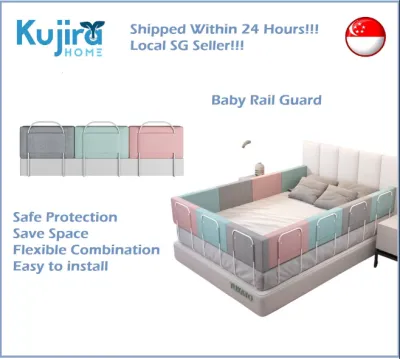
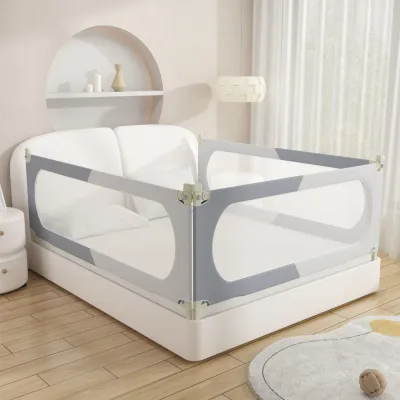
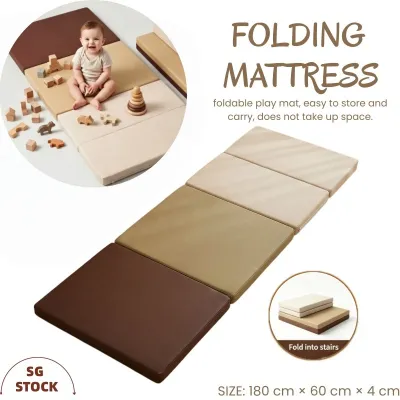

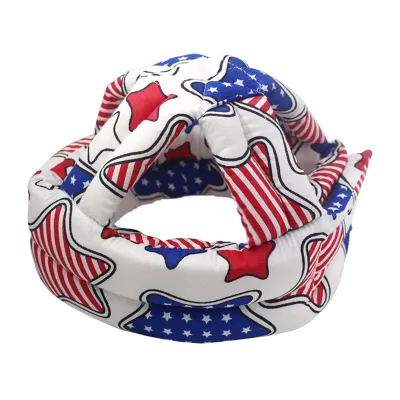
Prices are valid at publication and may change. Please refer to the product page for the latest price.
Verify Safety Standards and Certifications
Before purchasing any fall protection equipment, you must verify its safety certifications on the product packaging or the manufacturer’s official documentation. Look for recognized international safety standards such as European Standards (EN 1930 for safety barriers, EN 1930:2011) or American Standards (ASTM F1004 for expansion gates). These certifications indicate that the product has undergone rigorous testing for structural strength, impact resistance, and non-toxic materials. Do not rely solely on marketing claims; always check for the official certification labels.
Assess Developmental Suitability
Your child’s physical development dictates the type of fall protection required. A rolling baby needs protection on elevated surfaces like changing tables, while a crawling or cruising toddler requires barriers at doorways and stairs. Always check the manufacturer’s stated age, weight, and height limits for every product. Once your child reaches the maximum limit or shows signs of being able to climb over a barrier, the product is no longer safe to use in that location and must be removed or upgraded.
Evaluate Material and Structural Integrity
Baby safety products must withstand constant physical pressure, shaking, and occasional chewing. Ensure that safety gates and bed rails are constructed from sturdy, high-quality materials such as solid wood, steel, or heavy-duty, BPA-free plastics. Inspect the product for smooth, rounded edges and ensure there are no small gaps where tiny fingers or limbs could become pinched. Non-toxic finishes are essential, as teething infants frequently bite down on the top rails of gates and playpens.
Conduct a Home Environment Assessment
Before buying any safety device, measure your living space precisely. In Singapore, HDB flats and condominiums often feature unique architectural elements like skirting boards, uneven plaster walls, or sliding window frames. Measure the exact width of your doorframes at the top, middle, and bottom, as walls are rarely perfectly plumb. If you are renting, you may need to prioritize pressure-mounted systems that do not require drilling into concrete walls or doorframes, whereas homeowners may opt for permanent, hardware-mounted fixtures.
Recommended Safety Gates for Stairs and Doorways
Safety gates serve as critical checkpoints, keeping your curious explorer away from high-risk zones like kitchens, bathrooms, and staircases. Understanding the functional differences between installation types is vital to ensuring these barriers perform reliably under pressure.

Hardware-Mounted vs. Pressure-Mounted Gates
Hardware-mounted gates are screwed directly into the wall studs or doorframes, making them incredibly stable. They do not have a bottom threshold bar, which eliminates a major tripping hazard. You must use hardware-mounted gates at the top of all staircases, as a pressure-mounted gate can slide out of place if a child leans or pushes against it with force. Pressure-mounted gates rely on tension against opposite walls and are highly portable, making them excellent choices for hallways, doorways, and the bottom of stairs, provided there is no risk of a fall if the gate yields.
Key Features to Look For
When shopping for a safety gate, prioritize models equipped with dual-action locking mechanisms. These locks require two distinct, sequential actions to open, such as sliding a button while lifting the gate handle, which prevents clever toddlers from figuring out the mechanism. Auto-close hinges are also highly beneficial, ensuring the gate swings shut and locks automatically behind you. For high-traffic areas, look for wide walk-through designs that allow you to pass through comfortably without squeezing.
Brand and Retailer Guidance in Singapore
Singapore parents can find a wide range of reputable safety gate brands at specialty baby boutiques, department stores, and major online marketplaces. Trusted brands such as Munchkin, Lucky Baby, Richell, and Hauck offer various configurations, including extra-wide extensions and pressure-mounting accessories like Y-spindles for stair banisters. When purchasing, always verify the local distributor’s warranty terms and check if replacement parts or extension panels are readily available to suit your specific home layout.
Limitations and Safety Warnings
No safety gate can replace active adult supervision. Never leave your child unattended, even in a gated room. Avoid using safety gates once your child’s chin reaches the top of the gate or when they demonstrate the ability to climb over it. Regularly check that the locking mechanism engages securely and instruct older siblings not to climb on or swing from the gate structure, as this can warp the frame and compromise the lock.
Best Bed Rails to Prevent Nighttime Falls
Transitioning your child from a crib to a toddler or adult bed is a major milestone, but it introduces the risk of rolling out of bed during sleep. Bed rails provide a protective boundary, ensuring your child remains securely on the mattress throughout the night.
Types of Bed Rails
Bed rails generally fall into two categories: fixed rails and fold-down or hinged rails. Fixed rails remain upright at all times, providing continuous protection but making it slightly more challenging to change bedsheets or climb into bed. Fold-down bed rails feature a hinge mechanism that allows the barrier to swing downward when not in use. This fold-down feature provides convenient access for comforting your child, reading bedtime stories, and tucking in sheets without straining your back.
Mattress and Bed Frame Compatibility
Before purchasing a bed rail, you must check its compatibility with your specific bed setup. Some rails are designed specifically for slatted bed bases, while others are engineered for solid platform beds or recessed frames. Additionally, measure your mattress thickness. The bed rail must stand high enough above the top of the mattress to prevent your child from rolling over the top. Check the manufacturer’s specifications to ensure the rail is compatible with your mattress depth.
Gap Prevention and Entrapment Risks
The most critical safety consideration when using a bed rail is preventing gaps between the mattress and the rail structure. If a gap exists, a sleeping child can slide into the space, leading to a serious risk of entrapment or suffocation. To prevent this, choose bed rails equipped with secure anchor straps that pull the rail tight against the opposite side of the mattress frame. Always verify that the rail fits snugly against the side of the mattress with absolutely no room for movement.
Material Considerations
Look for bed rails constructed with a sturdy metal or wooden base frame to ensure structural stability. The barrier portion should ideally feature a breathable mesh fabric. Mesh allows for optimal airflow, which is particularly important in Singapore’s warm, humid climate, and ensures excellent visibility so you can monitor your sleeping child from a distance. Ensure the fabric is removable and machine-washable, as bed rails can accumulate dust and sweat over time.
Window Guards and Stops for High-Rise Homes
In Singapore, high-rise living is the norm, making window safety an absolute priority for families with young children. Open windows and balconies present severe, life-threatening fall hazards that require robust, reliable prevention strategies.
Window Restrictors vs. Grilles
Window restrictors are small, heavy-duty metal cables or locks that limit how far a window can open, typically restricting the opening to less than 12.5 centimeters. This gap allows for ventilation while preventing a child’s head or body from passing through. For a more comprehensive barrier, physical window grilles are highly recommended. You can choose traditional aluminum grilles or modern invisible grilles, which consist of high-tensile stainless steel cables spaced closely together to provide an unobstructed view without compromising safety.
Professional Installation Requirement
Any structural window safety modification, including invisible grilles, traditional aluminum grilles, or heavy-duty window restrictors, must be installed by a qualified, professional contractor. In Singapore, ensure your contractor is registered with the Building and Construction Authority (BCA) or complies with Housing & Development Board (HDB) guidelines. Self-installed or DIY window modifications may fail under sudden pressure or violate local building regulations, putting your child at risk.
Furniture Placement and Environmental Hazards
An essential step in window safety is managing the surrounding environment. Keep all beds, cribs, desks, sofas, toy boxes, and chairs far away from windows and balcony ledges. Active toddlers are natural climbers and will quickly use any nearby furniture as a stepping stool to reach window sills. Eliminating these climbing hazards from the perimeter of your rooms is just as important as installing physical window barriers.
Supervision Caveat
Window guards, grilles, and restrictors are secondary lines of defense designed to prevent accidents. They must never be viewed as a replacement for active, close supervision by a caregiver. Always keep window locks engaged when children are playing in the room, and never leave a young child unattended near an open window or balcony, even if safety devices are installed.
Quick Comparison of Fall Protection Types
To help you determine which safety solutions are best suited for different areas of your Singapore home, review this summary of the primary fall protection types:
| Product Type | Best Used For | Installation Method | Key Safety Check |
|---|---|---|---|
| Safety Gate | Staircases, doorways, and kitchen entrances | Hardware-mounted (screwed) or pressure-mounted | Ensure zero bottom trip bar at the top of stairs; check lock engagement |
| Bed Rail | Transitioning to toddler or adult beds | Tuck-under-mattress with heavy-duty anchor straps | Verify zero gap between the mattress and the rail to prevent entrapment |
| Window Restrictor | High-rise casement or sliding windows | Screwed or clamped directly to the window frame | Confirm the maximum window opening width is strictly under 12.5 cm |
| Invisible Grille | Balconies, patios, and large living room windows | Professional drilling and high-tension cable installation | Verify cable spacing and tension regularly; hire BCA-approved installers |
Installation and Maintenance Safety Checks
Buying high-quality baby fall protection products is only the first step; maintaining their structural integrity over time is crucial to ensuring they continue to protect your child. Regular wear and tear can compromise even the sturdiest safety devices.
Conduct Routine Inspections
Set a recurring reminder to inspect all baby safety equipment in your home at least once a week. Check pressure-mounted gates to ensure they have not slipped or lost tension against the wall. Inspect hardware-mounted gates and bed rails for loose screws, worn-out hinges, or frayed mesh fabric. For window grilles, check the cable tension and ensure that locking keys for restrictors are kept in a secure, easily accessible location known only to adult household members.
Cleaning and Care Guidelines
Clean safety gates, bed rails, and window guards using mild soap and warm water. Avoid using harsh chemical solvents, abrasive scrubbing pads, or bleach, as these substances can degrade plastics, rust metal joints, and weaken the adhesive pads used on pressure-mounted systems. If fabric parts are machine-washable, follow the manufacturer’s care label closely and ensure they are completely dry before reassembling to prevent mold growth in Singapore’s humid climate.
Know When to Stop Using a Product
Safety devices have a limited operational lifespan based on your child’s growth. You must retire or replace a product immediately if:
- Your child exceeds the manufacturer's maximum height or weight limit.
- Your child learns how to bypass or open the locking mechanism independently.
- The product sustains structural damage, such as a cracked frame, bent bars, or a malfunctioning latch.
- The product does not fit securely after moving it to a new location or changing furniture.
Consult Professionals When in Doubt
If you encounter missing parts, unclear installation instructions, or structural conflicts (such as uneven walls or non-standard bed frames), do not attempt to force an improper installation. Stop immediately and contact the manufacturer, local distributor, or a professional handyperson. It is always safer to seek professional guidance than to rely on an improperly secured safety device.
Frequently Asked Questions (FAQ)
At what age should I start using baby fall protection products?
You should install fall protection products before your baby becomes mobile, which typically occurs between 5 and 6 months of age as they begin to roll and crawl. However, every child develops at their own pace. It is best to proactively assess your home and install safety gates and window restrictors ahead of these developmental milestones. Always check the specific product’s minimum age and weight requirements before use.
Are pressure-mounted safety gates safe for the top of the stairs?
No, pressure-mounted safety gates are never safe for use at the top of stairs. Because they rely on tension rather than physical screws, they can slip out of place if a child leans, pushes, or falls against them. Additionally, pressure-mounted gates feature a bottom threshold bar that presents a severe tripping hazard at the top of a staircase. Only use secure, hardware-mounted gates screwed directly into wall studs or banisters in these high-risk areas.
How do I measure my doorframe for a safety gate?
To measure your doorframe accurately, use a metal measuring tape and record the width at three distinct points: the top, the middle, and the bottom. Walls and doorframes are often slightly uneven, and using the narrowest measurement ensures a proper fit. Be sure to account for any baseboards, skirting boards, or decorative moldings that might protrude and affect how the gate’s pressure pads or mounting hardware sit against the wall.
Community discussion
Share your experience or ask a question. Comments are reviewed before publication.