
Selecting the right baby cot organiser is a practical way to streamline your daily nursery routine, keeping diapers, wipes, and change clothes within arm’s reach. However, the best choice depends entirely on your cot’s frame design, your nursery’s physical layout, and your daily parenting workflow. For standard wooden cots with open rails, a high-capacity hanging fabric organiser offers the most storage for diapers and wipes. If you use a bedside co-sleeper or have a compact room where the cot sits flush against a wall, a low-profile bedside caddy sliding under the mattress is the most practical choice. For modern metal or thick-railed cots, a rigid rail-mounted organiser provides a stable, sag-free solution that allows for quick, one-handed access.
To make an informed purchase, you must evaluate the physical dimensions of your cot and the spatial constraints of your nursery. An incompatible organiser can slide, tilt, or sag, creating safety hazards or rendering the storage pockets unusable. By matching the organiser’s attachment mechanism to your specific cot type, you ensure a secure fit that keeps your baby’s sleep environment safe and organized.
Quick Guide: Matching Organiser Types to Your Nursery Setup
To help you identify the best storage solution for your nursery, it is helpful to compare the three primary styles of cot organisers. Each style is designed to address specific structural layouts, storage needs, and spatial limitations. Choosing the wrong type can lead to installation issues, structural instability, or inefficient space utilization in your baby’s room.
Products mentioned in this guide
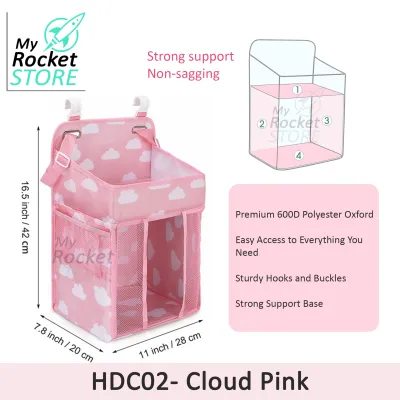
![[Ready Stock in SG] Multifunctional Baby Infant Newborn Diaper Nappy Stacker Organizer Crib Hanging bag [Little Gems]](https://img.lazcdn.com/g/p/a97d47f7037a82418a0c42d1915aba4f.jpg_400x400q80.jpg_.webp)
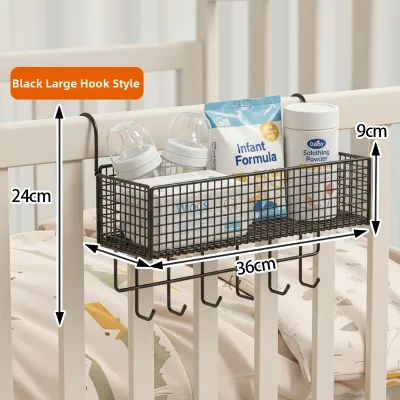
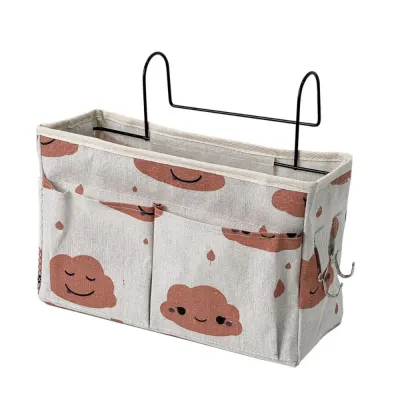
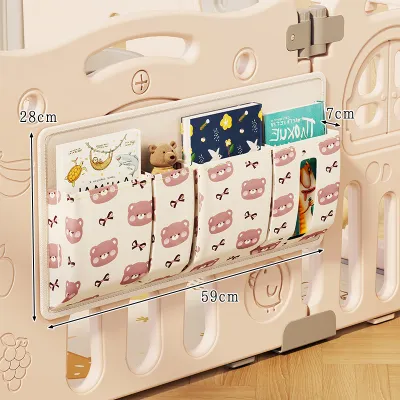

Prices are valid at publication and may change. Please refer to the product page for the latest price.
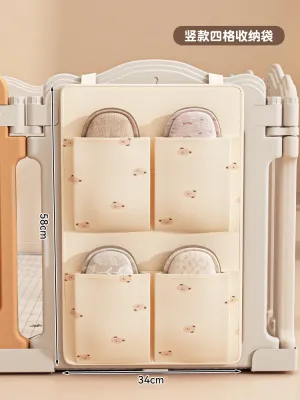
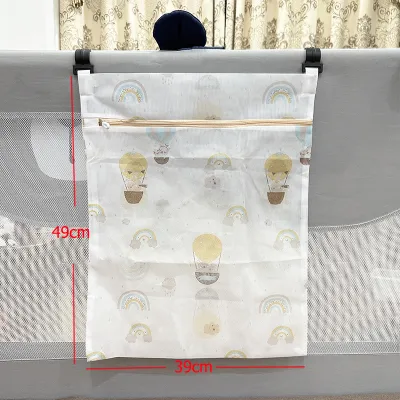
- Hanging Fabric Organisers: These are high-capacity, multi-pocket storage units that attach to the cot rails using straps, velcro, or plastic hooks. They are ideal for standard wooden cots with open slats and are best suited for parents who want to store a large volume of diapers, wipes, creams, and extra clothes in one central location.
- Bedside Caddies: These compact organisers feature a flat anchor flap that slides under the cot mattress or hangs externally via simple hooks. They are specifically designed for bedside co-sleepers, bassinets, or cots placed flush against a wall where space is highly constrained.
- Rigid Rail-Mounted Organisers: Made from hard plastic, silicone, or structured fabric with rigid internal frames, these organisers clip or clamp directly onto the top rail. They provide highly structured, sag-free storage that allows for quick, one-handed access, making them perfect for modern cots with wide or metal rails.
The following comparison table outlines how these three organiser styles perform across key decision dimensions, helping you narrow down your options based on your specific nursery setup:
| Organiser Type | Best For | Attachment Mechanism | Storage Capacity | Key Trade-off |
|---|---|---|---|---|
| Hanging Fabric | Standard slatted cots; maximum storage needs | Straps, velcro loops, or plastic hooks | High (multi-tiered compartments) | Can sag when fully loaded; requires open rail space |
| Bedside Caddy | Co-sleepers; compact rooms; wall-flush cots | Under-mattress anchor flap or external hooks | Low to Moderate (flat profile) | Relies on mattress weight; limited compartment depth |
| Rail-Mounted | Thick wooden or metal rails; quick one-handed access | Adjustable clamps, brackets, or tension clips | Moderate (structured compartments) | Bulkier profile; potential to scratch wooden finishes |
How to Evaluate Your Cot and Nursery Space Before Buying
Before purchasing any baby cot organiser, you must carefully measure your cot’s physical frame and assess the layout of your nursery. Many parents purchase storage accessories based solely on aesthetic appeal, only to find that the attachment mechanisms do not fit their cot rails or that the organiser blocks essential walking paths. Taking precise measurements and evaluating your room layout beforehand will save time and prevent safety hazards.

First, measure the thickness, shape, and spacing of your cot’s rails. Standard wooden cots typically feature flat or rounded slats spaced a few centimetres apart, which easily accommodate fabric straps or hanging hooks. However, modern designer cots may feature extra-thick top borders, oval-shaped rails, or solid end panels. If your cot has solid wood ends, hanging organisers that require slat attachment cannot be used on those sides. For cots with thick or unusual rail shapes, you must verify that the organiser’s straps or clips are adjustable enough to wrap securely around the frame without slipping.
Second, evaluate the spatial clearance around the cot, keeping your specific room layout in mind. In compact urban living spaces, such as Singapore HDB flats or condominium bedrooms, cots are frequently positioned flush against a wall, a wardrobe, or the parents’ bed to maximize floor space. If your cot is pushed against a wall, you will lose access to at least one side of the rail. In such tight layouts, a bulky hanging organiser hanging off the side can obstruct narrow walkways or prevent wardrobe doors from opening. You must choose an organiser style that fits within the available clearance without forcing you to squeeze past the cot during late-night care.
Third, always consult your cot manufacturer’s manual and safety guidelines before installing any aftermarket accessories. Some manufacturers explicitly warn against attaching heavy items to the side rails, as excessive weight can stress the frame, affect the stability of the cot, or interfere with drop-side mechanisms. Additionally, check if your cot warranty has specific clauses regarding aftermarket attachments. Ensuring that your chosen organiser aligns with the cot’s structural design is a critical step in maintaining a safe sleep environment.
Finally, consider the environmental conditions of your nursery, particularly if you live in a humid climate. High humidity can cause fabric organisers to trap moisture and dust, especially if they are placed in unventilated corners or flush against external walls. If your nursery is prone to humidity, look for organisers made from breathable, easy-to-clean fabrics, or consider rigid plastic options that can be wiped down easily to prevent the growth of mould and mildew.
Hanging Cot Organisers: Best for Standard Rails and Maximum Storage
Hanging fabric cot organisers are the most traditional and widely available storage option for nurseries. Typically constructed from heavy-duty polyester, canvas, or cotton linen, these organisers feature multiple tiers of pockets, shelves, and mesh compartments designed to hold a large inventory of baby essentials. They are designed to hang vertically from the outer rails of a standard slatted cot, making excellent use of vertical space that would otherwise go unused.
The primary advantage of a hanging fabric organiser is its massive storage capacity. These units are often designed with dedicated compartments, including a reinforced top shelf for diaper stackers, side mesh pockets for quick-view items like thermometers or nail clippers, and large lower pockets for wet wipes, swaddles, and change clothes. Because they are made from flexible fabric, they can accommodate bulky or irregularly shaped items more easily than rigid organisers. Their flexible attachment options—usually consisting of adjustable buckle straps, heavy-duty velcro, or plastic hooks—allow them to fit a wide variety of standard wooden and metal slatted cots.
Despite their high utility, hanging fabric organisers have distinct limitations that you must consider. When loaded to full capacity with heavy diaper stacks and multiple packs of wet wipes, the fabric panels can begin to sag or bow inward. This sagging not only compromises the aesthetic of your nursery but can also cause the storage pockets to tilt forward, potentially allowing items to spill out. Furthermore, if the attachment straps are secured to smooth metal rails or very thick padded rails, they may slide horizontally, causing the organiser to tilt or bunch up on one side.
To ensure safety when using a hanging fabric organiser, you must follow strict installation protocols to mitigate physical risks:
- Secure and Trim Straps: Ensure all attachment straps, velcro loops, or cords are pulled tight and securely fastened to the outer rails. Any excess strap length must be trimmed, tucked away, or securely fastened so that no loose cords or loops dangle into the cot where a baby could reach them.
- Keep Items Out of Reach: Position the organiser on the exterior side of the cot rail opposite to where the baby sleeps. Ensure that the pockets and their contents are completely inaccessible to the baby from inside the cot.
- Monitor Weight Limits: Do not overload the fabric shelves with heavy items like large lotion bottles or heavy toys. Distribute the weight evenly, placing lighter items in the upper pockets and heavier items in the reinforced lower sections to minimize sagging.
- Conduct Daily Checks: Inspect the straps and fasteners daily to ensure they have not loosened or slipped due to the weight of the stored items.
Bedside Caddies: Ideal for Co-Sleepers and Tight Spaces
Bedside caddies represent a minimalist, low-profile approach to nursery storage. Unlike large hanging organisers, a bedside caddy is designed to lie relatively flat against the side of the cot or bed frame. They are commonly constructed from structured felt, canvas, or lightweight padded fabric, featuring a streamlined design with a few select pockets for immediate essentials rather than bulk storage.
This style of organiser utilizes unique anchoring mechanisms to stay in place. The most common design features a long, flat fabric flap—often weighted or lined with silicone grip pads—that slides directly under the cot mattress or the mattress of an adjacent parent’s bed. Other models utilize simple, low-profile fabric hooks or clips that hang over the outer frame. This makes bedside caddies the absolute best choice for co-sleeper cots, bedside bassinets, or standard cots placed in highly restricted spaces where a bulky hanging organiser would block walkways or interfere with adjacent furniture.
The main benefit of a bedside caddy is its space-saving efficiency and ease of access. Because it sits flush against the side of the mattress, it does not protrude into the room, keeping your nursery walkways clear and safe. It is highly convenient for bedside co-sleeping setups, allowing parents to reach diapers, wipes, and pacifiers during the night without having to stand up or turn on bright overhead lights. The minimalist design also appeals to parents who prefer a clean, uncluttered nursery aesthetic.
However, the trade-off for this compact design is a significantly lower storage capacity. Bedside caddies typically feature only two to four pockets, which are designed to hold a limited number of items, such as a handful of diapers, a travel pack of wipes, and a single change of clothes. They are not suitable for storing bulk diaper packs or large bottles of baby toiletries. Additionally, because they rely heavily on the weight of the mattress or specific frame designs for stability, they can become unstable if the mattress is exceptionally lightweight or if the caddy is overloaded.
When installing and using a bedside caddy, you must observe several safety boundaries to prevent accidents. Regularly verify that the anchor flap is pushed fully under the mattress and has not slipped outward due to daily movement. If the anchor flap slips, the caddy can tilt, potentially dropping items or falling entirely. Always ensure that the caddy hangs strictly on the outside of the cot frame; it must never hang on the inside of the baby’s sleep area, where it could present a suffocation or entrapment hazard. Finally, avoid placing heavy or sharp objects, such as glass baby bottles or metal grooming tools, in the pockets, as these can cause the caddy to sag or pose a risk if pulled down.
Rail-Mounted Organisers: Perfect for Quick Access and Sturdy Frames
Rail-mounted organisers are rigid, structured storage units that clip, clamp, or bracket directly onto the top rail of the cot. Often manufactured from high-quality, BPA-free plastics, molded silicone, or structured fabric wrapped around a rigid plastic frame, these organisers maintain their shape regardless of how much weight they carry. They are designed for parents who prioritize structural stability, easy cleaning, and immediate, one-handed access to baby supplies.
The primary advantage of a rail-mounted organiser is its rigid, non-sagging structure. Because the frame does not bend or deform, the pockets and compartments remain perfectly upright and open at all times. This allows you to slide a hand in and retrieve a diaper or wipe effortlessly with one hand while keeping your other hand safely on your baby during a diaper change. This style is exceptionally stable on sturdy wooden or metal cot frames, where fabric straps would otherwise slide, bunch, or slip down the rails.
Additionally, rail-mounted organisers are highly hygienic and easy to maintain. Plastic and silicone models can be wiped down quickly with a damp cloth and baby-safe sanitizer, making them highly resistant to dust, moisture, and liquid spills. Unlike fabric organisers, they do not absorb odors or moisture, which is a significant benefit in humid environments where fabric items are susceptible to mildew.
However, rail-mounted organisers do have notable drawbacks. Their rigid construction gives them a bulkier, more prominent profile that can protrude significantly from the side of the cot. This rigid footprint can be a hazard in tight spaces, as bumping into a hard plastic corner in the dark is far more painful and disruptive than brushing past a soft fabric pocket. Furthermore, the mounting clamps or brackets can scratch or dent premium wooden finishes if they lack protective rubber or silicone padding. They also tend to have a lower overall storage capacity compared to multi-tiered hanging fabric models, as they are limited by the physical size of their rigid compartments.
To ensure safe operation, you must adhere to the following guidelines when using a rail-mounted organiser:
- Check Bracket Compatibility: Before purchasing, measure the width of your cot's top rail and compare it to the organiser's clamp specifications. Do not force a rigid bracket onto a rail that is too wide, as this can crack the plastic mount or damage the cot wood.
- Verify Clamp Tension: Periodically check the tightness of the mounting screws or tension clips. Daily vibrations and diaper changes can cause manual clamps to loosen over time, which could lead to the organiser falling.
- Respect Weight Limits: Adhere strictly to the manufacturer's specified weight limits. Overloading a rigid organiser can place excessive leverage on the cot rail, potentially damaging the cot's structural joints or causing the organiser to snap off.
- Prevent Leverage Hazards: Position the organiser away from areas where an older baby might attempt to grab, pull, or use the rigid structure as a foothold to climb out of the cot.
Essential Safety Rules for Using Cot Organisers
While cot organisers are incredibly useful for maintaining nursery order, they are aftermarket accessories that must be used with extreme caution. Infant sleep safety is paramount, and introducing any accessory near a baby’s cot requires strict adherence to safety guidelines to prevent accidents, including Sudden Infant Death Syndrome (SIDS), suffocation, strangulation, and fall hazards.
The most critical safety rule is that no organiser, nor any of its contents, must ever be placed inside the actual sleep area of the cot. The interior of the cot must remain completely bare, containing only a firm, tight-fitting mattress and a secure fitted sheet. Organisers must always hang on the exterior side of the cot rails, facing outward into the room. This ensures that loose diapers, plastic packaging, wipes, and the organiser’s fabric panels are completely out of reach of your sleeping baby, eliminating any risk of suffocation or airway obstruction.
Furthermore, you must establish clear conditions for when to stop using a cot organiser. As a general rule, you must immediately remove the organiser from the cot once your baby reaches the developmental milestone of being able to sit up, pull up, or stand independently (typically around 5 to 6 months of age, though this varies for every child). Once a baby can pull themselves up, they can easily reach over the top rail to grab items from the organiser, presenting choking or poisoning hazards from diaper creams and small accessories. Older, mobile babies may also use the structured pockets or rigid frames of the organiser as a foothold to climb over the cot rail, creating a severe fall hazard.
Additionally, you must immediately remove or replace the organiser if you observe any of the following structural issues:
- The fabric panels or backing begin to sag, bow, or lean inward toward the cot's interior sleep space.
- The attachment straps, buckles, velcro, or plastic mounting brackets become loose, frayed, cracked, or worn.
- The organiser slides easily along the rail, preventing it from staying in its designated, secure position.
- Any small parts, buttons, or decorative elements on the organiser become loose, posing a choking hazard.
Finally, always cross-reference any nursery storage accessory with your cot manufacturer’s safety guidelines and user manual. If you are ever unsure about the safety or compatibility of an organiser with your specific sleep environment, consult a pediatrician or a certified child safety expert. Prioritizing these safety checks ensures that your nursery remains both highly functional and entirely safe for your growing baby.
Frequently Asked Questions (FAQ)
Can I use a cot organiser on a drop-side cot?
It is highly discouraged to attach any organiser to the moving rail of a drop-side cot. Doing so can interfere with the track and locking mechanisms, preventing the gate from securing properly and creating a severe entrapment or fall hazard. Additionally, drop-side cots are banned or heavily restricted in several jurisdictions due to safety risks associated with mechanical failures. If you use a drop-side cot, you should avoid rail-mounted or hanging organisers entirely. Instead, opt for a freestanding bedside caddy, a wall-mounted storage unit, or a rolling utility cart placed safely away from the moving parts of the cot.
How do I clean a fabric baby cot organiser?
To clean a fabric baby cot organiser, you must always consult the manufacturer’s care label first, as cleaning instructions vary based on the materials used. For general maintenance, spot-clean fabric surfaces regularly using a damp cloth and a mild, baby-safe detergent to remove dust and minor spills. If the organiser is machine-washable, remove all rigid cardboard or plastic support inserts before placing the fabric components in a laundry bag; wash on a gentle, cold-water cycle. In humid climates, it is absolutely critical to allow the fabric to air-dry completely in a well-ventilated, sunny area before reassembling and reattaching it to the cot to prevent the growth of mold and mildew. For rigid plastic or silicone components, simply wipe them down with a damp cloth and a non-toxic sanitizing spray, ensuring they are dry before use.
Community discussion
Share your experience or ask a question. Comments are reviewed before publication.