
When your baby transitions from crawling to taking those first unsteady steps, your living room can suddenly transform into a landscape of potential hazards. Matching the right baby corner protector to your specific furniture type is the most effective way to cushion unavoidable tumbles without ruining your home’s interior or damaging expensive surfaces. While a soft foam guard is perfect for a wooden coffee table, it may quickly peel off a glass dining table or fail to grip a thin metal shelf.
To keep your child safe, you must evaluate the furniture material, the shape of the edge, and how local environmental factors—such as Singapore’s persistent tropical humidity—affect adhesive performance. This guide breaks down the best corner protector styles for glass, wood, metal, and stone, helping you choose the right materials and installation methods for a secure, baby-safe home.
Key Features to Match Baby Corner Protectors to Your Furniture
Selecting a baby corner protector requires looking beyond basic cushioning. You must match the physical properties of the protector to the specific demands of the furniture piece, your home’s climate, and your child’s developmental stage.
Products mentioned in this guide
![[SG] Baby Corner Guard | Corner Protector | Baby Head Protector | Edge Protector | Bumper Protector | Table Corner P](https://img.lazcdn.com/g/p/6d0ad5feda800271fcef3fd03f6ba8d8.jpg_400x400q80.jpg_.webp)
![[SG FREE ] 1M Soft Clear PVC Table Edge Furniture Guard Corner Protector Baby Safety Care](https://img.lazcdn.com/g/p/0afe03bf84a2a62b7eed62cfa40bc98b.jpg_400x400q80.jpg_.webp)
Prices are valid at publication and may change. Please refer to the product page for the latest price.
- Material Selection and Impact Absorption:
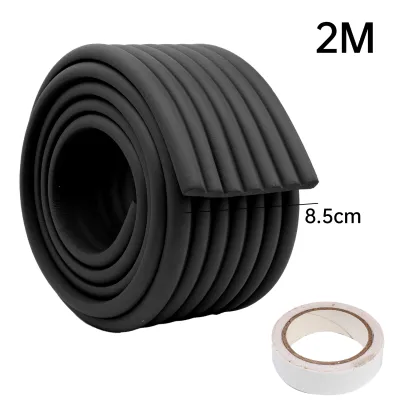
- High-Density NBR Foam (Nitrile Butadiene Rubber): This material provides the highest level of impact absorption. It is spongy, thick, and highly compressible, making it ideal for sharp corners where a high-velocity impact is possible. However, it is susceptible to bite marks and tearing if chewed by teething toddlers.
- Clear Silicone: Highly durable, bite-resistant, and aesthetically discreet. Silicone does not compress as easily as foam, but it offers excellent localized protection for sharp points. It is also easy to wipe clean, making it highly hygienic.
- PVC (Polyvinyl Chloride): Often used for rigid or semi-rigid clear protectors. It is tough and maintains its shape well, but offers less impact cushion than soft silicone or dense foam.
- Adhesion Challenges in Humid Climates:
The performance of any protector relies entirely on its adhesive backing. In Singapore's warm, humid climate, standard double-sided tapes can soften, slide, or lose their grip over time. When selecting protectors, look for packages that specify high-bond acrylic adhesives designed for high-temperature or humid environments. Always verify the adhesive type on the manufacturer's packaging before purchase, as standard adhesives may fail prematurely under constant humidity or when subjected to a toddler's persistent pulling. - The Furniture Compatibility Checklist:
Before buying, assess your furniture using this quick decision checklist: - Surface Finish: Is the surface varnished wood, painted MDF, tempered glass, powder-coated metal, or polished marble? Delicate paint and varnishes require gentle, residue-free adhesives, while stone and metal can handle stronger high-bond tapes.
- Edge Profile: Is the corner a sharp 90-degree angle, a rounded bullnose, or a thin bevel? L-shaped guards fit standard corners, while U-shaped guards wrap around thin shelves or glass tops.
- Baby's Mobility Stage: Pulling-up infants benefit from soft foam along long edges, while cruising toddlers who run near low tables require heavy-duty corner cushions.
Top Picks for Glass Tables and Transparent Surfaces
Glass coffee tables and dining tables present a double challenge: they feature incredibly sharp, unforgiving edges, and standard opaque foam guards can look highly disruptive in a modern living space. For these surfaces, transparent protectors are the preferred choice.

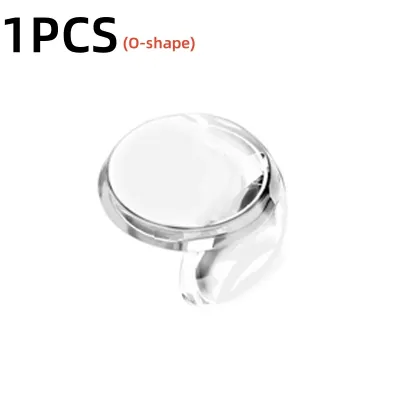
- Clear Spherical Silicone Protectors:
These ball-shaped guards wrap around the top, bottom, and side of a glass corner. The spherical design distributes the force of an impact outward. Because they are made of clear silicone, they blend naturally with the glass, keeping the protective gear visually unobtrusive. They are best suited for thick glass tabletops (typically 10mm or thicker) where there is enough surface area for the adhesive to bond securely. - L-Shaped Clear PVC Edge Guards:
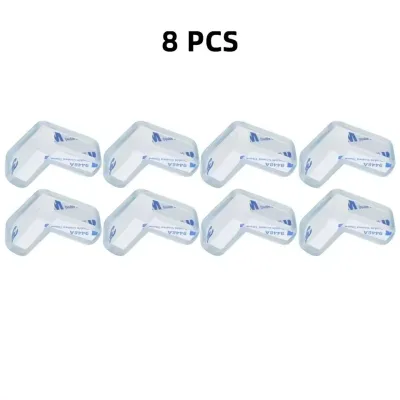
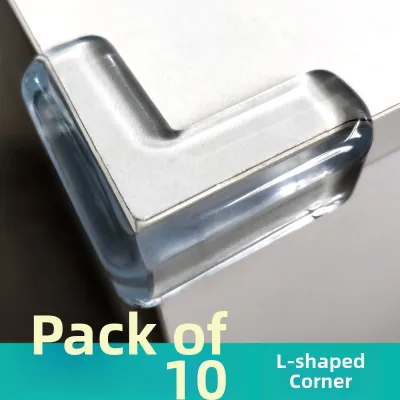
For thinner glass surfaces or long glass edges, L-shaped transparent PVC strips offer continuous protection. These strips run along the entire length of the table edge, preventing side-impact bumps. PVC is firmer than silicone, so while it protects against cuts and severe bruises, it has less "give" during a hard fall. - The Problem of Yellowing and Clarity:
Over time, exposure to ambient sunlight can cause cheap plastic and clear PVC to turn an unsightly yellow. When shopping, look for products that explicitly state they are UV-resistant or made from medical-grade silicone, which naturally resists discoloration. - Safety Warning for Tempered Glass:
Always consult your furniture manufacturer's care instructions before applying high-strength adhesives to tempered glass. While tempered glass is highly durable, removing hardened adhesive with metal scrapers or harsh chemical solvents later can scratch the surface or, in rare cases of pre-existing micro-fractures, compromise the structural integrity of the glass.
Best Edge Guards for Wooden Cabinets and Drawers
Wooden furniture is a staple in most homes, but its varnished, painted, or veneered surfaces require careful protection. The goal is to cushion sharp corners without stripping away expensive finishes when the guards are eventually removed.
- Continuous High-Density Foam Rolls:
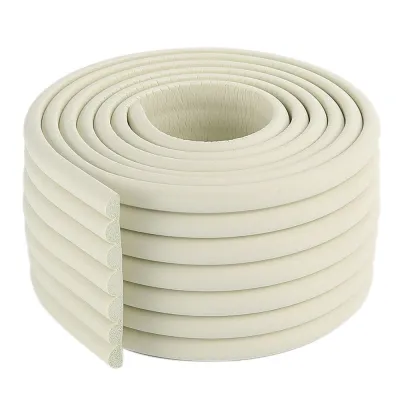
For long wooden edges—such as the borders of low TV consoles, bed frames, or wide chest drawers—continuous foam rolls are highly practical. You can cut these rolls to the exact length of your furniture. They provide a soft, continuous barrier that cushions both the corners and the long straight edges, which is particularly helpful for babies who are learning to pull themselves up to a standing position. - Pre-Molded L-Shaped Foam Corners:
For isolated sharp corners on wooden dining tables or cabinets, pre-molded foam corner pieces provide thick, concentrated cushioning. These are designed to fit perfectly over a 90-degree corner, eliminating the need for complex folding or cutting that can leave gaps in protection. - Color Matching and Aesthetics:
Unlike glass, where transparency is key, wooden furniture benefits from color-matched guards. Most high-density foam protectors are available in wood-mimicking tones, such as dark brown, cream, grey, and black. Matching the foam color to your wood finish makes the safety modifications much less noticeable. - Protecting Delicate Wood Finishes:
The primary risk with wooden furniture is adhesive damage. Strong adhesives can lift varnish, wood veneer, or paint when removed. Look for protectors that use pressure-sensitive adhesive tapes designed for easy removal, or plan to use gentle heat during the removal process to protect the underlying wood.
Heavy-Duty Protectors for Sharp Shelves and Metal Frames
Industrial-style furniture, metal shelving units, and stone countertops (such as quartz or granite kitchen islands) present the highest risk of severe impact injuries. These materials are completely rigid and often have incredibly thin, sharp edges that can easily slice through standard soft foam.
- U-Shaped Extra-Thick Protectors:
Standard L-shaped guards only cover the top and outer edge of a shelf. For thin metal shelves, glass shelves, or sheet metal frames, U-shaped protectors are essential. These guards wrap completely around the edge, covering the top, the sharp point, and the underside. This prevents a child from getting hurt if they bump their head from underneath the shelf while crawling. - Reinforced and High-Density Silicone Guards:
Metal and stone edges can act like blades under pressure. Standard, low-density foam can easily be cut or punctured by a sharp metal corner during a high-impact fall, rendering the protector useless. For these high-risk areas, opt for extra-thick, high-density silicone or reinforced rubber guards. These materials resist tearing and maintain their structural integrity even when pressed hard against a sharp metal edge. - Securing Guards Against Active Toddlers:
Toddlers are naturally curious and will often try to peel off corner guards. Because metal and stone surfaces are non-porous, they can support very strong adhesives. Utilize multi-point adhesive strips that secure the guard from multiple angles (top, front, and bottom) to ensure the protector cannot be easily pried off by small hands. If a protector is easily peeled off, it quickly transitions from a safety device to a dangerous choking hazard.
Installation, Maintenance, and Safe Removal
Even a high-quality baby corner protector will fail if it is installed incorrectly or left unmonitored. Proper application and regular maintenance are critical to ensuring continuous safety.
- Step-by-Step Installation Guide:
1. Clean the Surface: Wipe the furniture corner thoroughly to remove dust, grease, and fingerprint oils. For non-delicate surfaces like glass, metal, or stone, isopropyl alcohol is highly effective. For varnished wood or painted surfaces, use a damp cloth with a tiny drop of mild dish soap, then wipe with clean water.
2. Dry Completely: Ensure the surface is 100% dry. Any trapped moisture, especially in humid environments, will ruin the adhesive bond.
3. Apply Adhesive to the Protector: Measure and apply the double-sided tape to the inside of the corner protector first. Press down firmly to remove any air bubbles.
4. Position and Press: Align the protector perfectly with the furniture corner. Press and hold firmly for at least 30 to 60 seconds.
5. Allow to Cure: Do not touch, pull, or test the protector for at least 24 hours. Most acrylic adhesives require a full day to cure completely and achieve maximum bonding strength. - Routine Maintenance Checklist:
Perform a monthly safety sweep of all corner protectors in your home: - Check for Lifting: Look for peeling edges or loose tape. Reapply fresh adhesive tape immediately if a guard becomes loose.
- Inspect for Damage: Check foam guards for bite marks, tears, or missing chunks. Teething babies often chew on these soft surfaces; if the foam is compromised, replace it immediately to prevent a choking hazard.
- Clean Regularly: Wipe down silicone and PVC guards with a damp cloth to remove sticky residue, dirt, and bacteria.
- Safe Removal Techniques:
When your child outgrows the need for corner protectors, remove them carefully to avoid damaging your furniture: - Apply Gentle Heat: Use a hairdryer on a low or medium setting to warm the corner protector for 1 to 2 minutes. This softens the adhesive backing, making it pliable.
- Slice Through the Bond: Take a piece of dental floss or thin fishing line, hold it tautly against the furniture surface, and gently slide it behind the protector to slice through the softened adhesive.
- Clean the Residue: Rub away any remaining adhesive residue using your fingers, or apply a small amount of vegetable oil or a specialized, furniture-safe adhesive remover. Always test any residue remover on a hidden area of the furniture first to ensure it does not discolor the finish.
Frequently Asked Questions (FAQ)
Are silicone or foam corner protectors better for toddlers?
Silicone and foam each serve distinct safety purposes. Clear silicone is highly durable, incredibly difficult for toddlers to bite or tear apart, and easy to clean, making it the ideal choice for high-use surfaces like glass dining tables, metal frames, and kitchen countertops. However, silicone is firmer and provides less overall cushioning during a high-speed impact. High-density foam offers superior shock absorption, making it excellent for low wooden coffee tables, TV consoles, and bed frames where toddlers are prone to falling. The main drawback of foam is its vulnerability to chewing; teething toddlers can easily bite off pieces of foam, which creates a severe choking hazard. If your child is in a heavy teething phase, durable silicone is generally the safer option.
How often should I replace baby corner protectors?
You should inspect your baby corner protectors at least once a month, but they do not have a fixed replacement schedule. Instead, replace them immediately when you observe specific signs of wear. If you notice the foam is cracking, tearing, or has visible bite marks, it must be replaced right away to eliminate choking risks. Additionally, if the adhesive begins to lift or slide—which is common in humid climates—the protector will fail to stay in place during an impact and should be re-secured with fresh high-bond tape or replaced entirely. Regular monitoring ensures that these safety devices remain effective cushions when your child needs them most.

Community discussion
Share your experience or ask a question. Comments are reviewed before publication.