
Introducing solid foods is a major milestone in your baby’s first year, marking the transition from an all-liquid diet to a world of diverse textures and flavors. In Singapore, parents are presented with a vast array of baby bites and snacks designed to support this developmental journey. These snacks serve a purpose beyond simple nutrition; they are valuable tools for practicing fine motor skills, soothing sore teething gums, and encouraging self-feeding.
However, navigating the baby food aisle can be overwhelming. With countless brands claiming to be the healthiest option, it is essential to understand what to look for at each stage of your baby’s growth. Selecting the right baby bites requires a clear understanding of your child’s physical readiness, oral motor skills, and nutritional needs. By matching the snack’s texture and shape to your baby’s developmental stage, you can ensure a safe and positive introduction to solid foods.
How to Choose Safe and Nutritious Baby Bites in Singapore
To make informed choices, parents must learn to look past front-of-pack marketing claims and focus on the actual ingredient list and nutritional panel. The primary rule of thumb when evaluating baby snacks is simplicity. The shorter the ingredient list, the better. For infants under 12 months, it is crucial to avoid snacks containing added sugars, excessive salt, or artificial preservatives. Added sugars can appear under various names on the label, including cane sugar, brown rice syrup, fruit juice concentrate, maltodextrin, or dextrose. Consuming these early in life can foster a preference for overly sweet foods and contribute to tooth decay.
Products mentioned in this guide
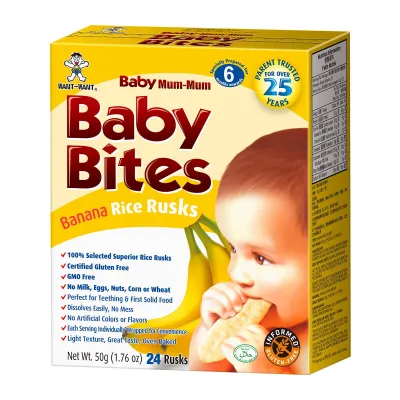
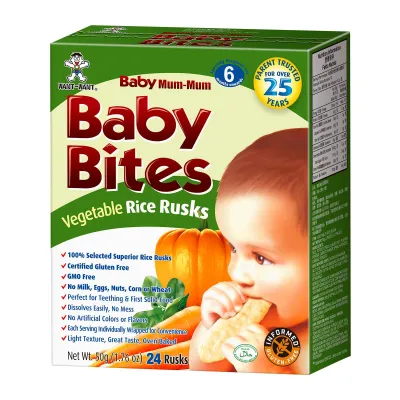
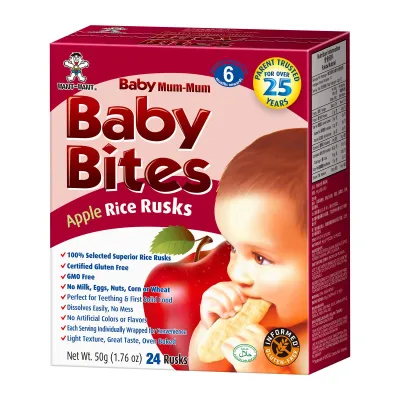
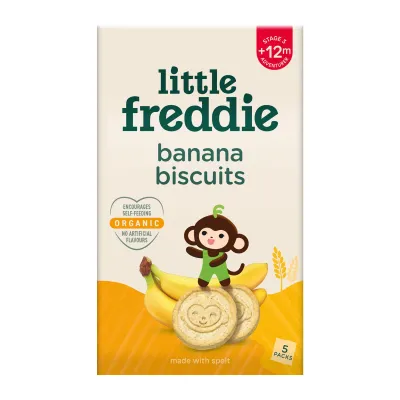
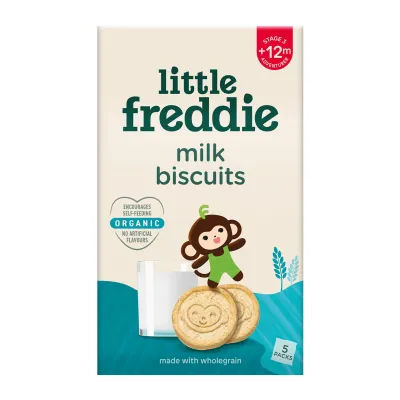
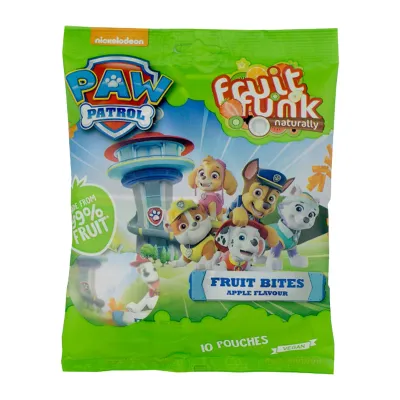
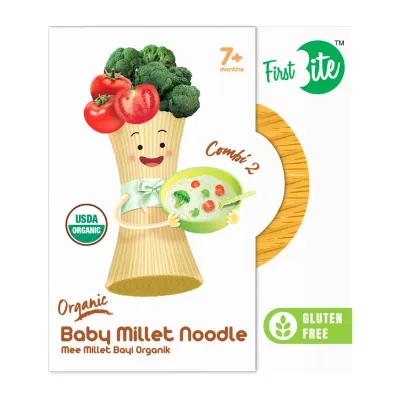
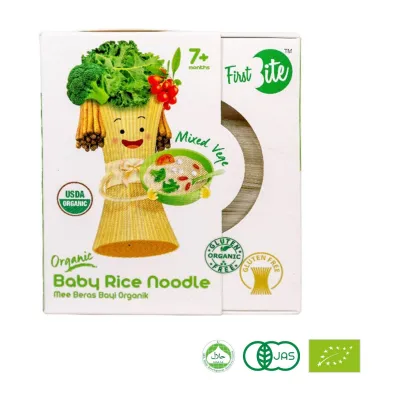
Prices are valid at publication and may change. Please refer to the product page for the latest price.
Furthermore, honey must be strictly avoided for any infant under one year of age due to the risk of infant botulism, a rare but serious illness caused by Clostridium botulinum spores. When checking the sodium content, look for snacks with minimal or zero added salt. An infant’s kidneys are still developing and cannot easily process large amounts of sodium.
Texture and size are equally critical selection criteria. Snacks must match your baby’s current oral motor abilities. For early eaters, textures must dissolve rapidly in saliva without requiring chewing. As your baby develops a stronger jaw and lateral tongue movements, you can transition to firmer options.
Allergen awareness is another vital step. Common allergens such as wheat, dairy, soy, eggs, fish, and nuts are frequently present in processed baby snacks. Carefully read the allergen warning statement, which is typically printed below the ingredient list. If your family has a history of severe allergies, or if your baby has eczema, consult your pediatrician before introducing snacks containing these common allergens.
Finally, always verify the product’s compliance with safety standards and check the packaging integrity. In Singapore’s hot and humid climate, moisture can easily compromise packaged foods. Inspect the box or pouch for any tears, punctures, or broken seals before purchasing. A bloated bag can indicate bacterial growth or air leakage, meaning the product should be discarded. Always check the expiration or manufacturing date to ensure freshness, and opt for brands that prioritize transparent sourcing and rigorous food safety testing.
Best Baby Bites for Early Eaters (Around 6 Months)
At around six months of age, most babies begin their weaning journey. At this stage, their oral coordination is still developing, and they primarily rely on a front-to-back tongue movement to swallow. They do not yet possess the jaw strength or teeth required to chew solid pieces of food. Therefore, snacks designed for this stage must prioritize safety by dissolving almost instantly upon contact with saliva.

The most suitable options for early eaters are single-ingredient or highly simplified rice wafers and puffs. These snacks are designed to melt in the mouth, eliminating the need for biting or chewing and significantly reducing the risk of choking. They are typically shaped like long, flat planks, which are easy for a baby to grasp using a palmar grasp—clutching the snack with their entire fist.
When shopping in Singapore, parents can find several reliable options that fit this profile. Happy Baby Organics Gentle Teethers are widely available in local supermarkets and specialty baby stores. These organic teething wafers are made with jasmine rice flour and dissolve quickly, making them a gentle introduction to self-feeding. Another common option is Gerber Organic Puffs, which are small, star-shaped grain snacks. While slightly smaller, they melt rapidly in the mouth and are excellent for babies who are starting to sit up and show an interest in picking up food.
While these early baby bites are excellent for practicing hand-to-mouth coordination and satisfying the urge to explore new textures, parents must recognize their nutritional limitations. Because these snacks are highly processed and puffed to achieve a dissolvable texture, they contain very little fiber, protein, or essential vitamins compared to whole foods. They should be viewed as developmental practice tools rather than a significant source of daily nutrition. Whole foods, such as steamed and mashed sweet potato, avocado, or iron-fortified infant cereals, should remain the cornerstone of your baby’s solid food intake.
Best Baby Bites for Crawlers and Teethers (8 to 9 Months)
As babies reach eight to nine months of age, they typically become more active. Many are crawling, sitting independently with ease, and showing improved coordination. Around this time, you may notice your baby shifting from a simple sucking motion to an up-and-down “munching” jaw movement. This is also the classic window for teething, which can cause significant gum discomfort and irritability.
To support this stage, baby bites should offer a firmer texture that provides resistance against sore gums while remaining safe to consume. Teething rusks and slightly sturdier puffed grain snacks are ideal. Unlike the rapid-melt wafers of the early stage, teething rusks are hard-baked biscuits designed to be gnawed on over an extended period. They do not shatter into sharp pieces; instead, they slowly soften as they absorb the baby’s saliva, providing soothing relief to inflamed gums.
Bellamy’s Organic Milk Rusks are a popular choice among Singaporean parents. These rusks are baked to a hard consistency, ensuring they do not snap easily under pressure. They allow babies to practice holding a firm object and moving it to the back of their mouth to soothe teething pain. Only Organic Teething Rusks offer a similar sturdy profile, made with organic ingredients and designed to withstand enthusiastic gnawing.
These firmer textures play a crucial role in oral motor development. By biting down on a resistant surface, babies strengthen their jaw muscles and learn to control the force of their bite. This practice is essential for transitioning from purees to more complex, textured family foods.
However, parents must exercise caution and closely read the manufacturer’s packaging. The hardness of teething biscuits varies significantly between brands. Some biscuits may soften too quickly, while others may be too hard for a baby who has not yet developed sufficient jaw strength. Always inspect the rusk periodically during a feeding session. If the rusk becomes thin, cracked, or breaks into a small, swallowable chunk, discard it immediately to prevent a choking hazard.
Best Baby Bites for Independent Snacking (10 to 12 Months and Beyond)
By ten to twelve months, your baby is likely making rapid developmental strides. One of the most exciting milestones during this period is the emergence of the pincer grasp—the ability to pick up small objects using only the thumb and index finger. At this stage, babies are also becoming more independent and may reject spoon-feeding in favor of feeding themselves.
Snacks for this older infant stage should encourage fine motor precision and offer more diverse flavor profiles. This is the perfect time to introduce freeze-dried yogurt melts, small multi-grain bites, and soft baked biscuits. These snacks are typically smaller, requiring the baby to carefully coordinate their fingers to pick up individual pieces.
For independent snacking, freeze-dried options like Happy Baby Organics Creamy Yogis (Yogurt Melts) are highly popular. These tiny drops are made with organic yogurt and fruit puree, offering a tangy flavor and a unique texture that melts easily once in the mouth. Another excellent option is the Little Bellies Organic Roundabouts, which are soft, puffed grain rings that are easy to thread onto a finger or pick up with a pincer grasp, introducing gentle savory notes.
These snacks serve as an important bridge to family meals. By offering a variety of grains, fruits, and vegetables in snack form, you help expand your baby’s palate and reduce the likelihood of picky eating habits forming later. The act of self-feeding also fosters confidence and independence at the dining table.
Despite the convenience of these bite-sized treats, portion control is essential. Because these snacks are flavorful and easy to consume, babies can quickly fill up on them, which may reduce their appetite for nutrient-dense main meals. Offer these bites in moderation, ideally as a structured snack between milk feeds or after a main meal has been offered.
Quick Comparison of Baby Bites by Developmental Stage
To help you quickly identify the most suitable options for your baby, the following table summarizes the key differences in textures, benefits, and local availability across the three main developmental stages.
| Product Type / Example | Recommended Stage | Key Texture Feature | Primary Developmental Benefit | Typical Retail Channels in Singapore |
|---|---|---|---|---|
| Dissolvable Wafers & Puffs (e.g., Happy Baby Gentle Teethers, Gerber Puffs) | Early Eaters (Around 6 Months) | Melts instantly with saliva; requires no chewing. | Promotes palmar grasp and hand-to-mouth coordination. | Major supermarkets (FairPrice, Cold Storage), specialty baby stores, online marketplaces. |
| Hard-Baked Teething Rusks (e.g., Bellamy's Organic Milk Rusks, Only Organic Rusks) | Crawlers & Teethers (8 to 9 Months) | Firm and resistant; slowly softens with saliva. | Soothes teething gums; strengthens jaw muscles. | Major supermarkets, organic food stores, online marketplaces. |
| Yogurt Melts & Grain Rings (e.g., Happy Baby Yogis, Little Bellies Roundabouts) | Independent Snacking (10 to 12 Months+) | Small, bite-sized; requires chewing or light melting. | Develops pincer grasp; introduces complex flavors. | Major supermarkets, specialty baby stores, online marketplaces. |
Essential Safety and Feeding Guidelines for Baby Snacks
While baby bites are designed with safety in mind, they are still solid foods and present inherent risks if not used correctly. Implementing strict safety practices during snack time is non-negotiable for every parent and caregiver.
First and foremost, active adult supervision is mandatory. Never leave your baby unattended while they are eating, even for a few seconds. Choking is often silent; a baby who is choking cannot cry out, cough effectively, or make noise to alert you. Always ensure your baby is seated completely upright in a highchair or a secure seat. Never allow your baby to crawl, walk, run, or lie down while eating, as movement significantly increases the risk of food slipping into the airway.
When introducing any new snack, follow the single-ingredient rule. Introduce only one new food at a time, and wait three to five days before introducing another. This waiting period allows you to identify the culprit if your baby experiences an allergic reaction. Watch closely for symptoms such as hives, redness around the mouth, swelling of the lips or face, vomiting, diarrhea, or difficulty breathing. If you suspect an allergic reaction, stop feeding the snack immediately and consult your pediatrician.
Never attempt to modify hard snacks in a way that makes them unsafe. For example, breaking a teething rusk into smaller pieces can create sharp, hard chunks that are easy to swallow whole and choke on. Similarly, avoid giving your baby high-risk choking hazards that are inappropriate for their age, such as whole nuts, whole seeds, whole grapes, cherry tomatoes, or hard candies.
It is also important to distinguish between normal gagging and actual choking. Gagging is a loud, active, and healthy reflex that helps babies push food forward when it goes too far back in their mouth. It is a normal part of learning how to eat. Choking, on the other hand, is a silent emergency where the airway is partially or fully blocked. The baby may turn blue, struggle to breathe, or make high-pitched squeaking noises. If your baby shows signs of actual choking or severe distress that does not resolve, immediately administer first aid (such as infant back blows) and call for emergency medical assistance.
Frequently Asked Questions (FAQ)
When is the right time to introduce baby bites?
Most babies are ready to try baby bites around six months of age, but readiness depends on individual developmental milestones rather than age alone. Your baby should be able to sit upright unassisted in a highchair, maintain good head and neck control, show a keen interest in food (such as reaching for your plate), and have lost the tongue-thrust reflex (which automatically pushes solid food out of the mouth). Always consult your pediatrician before introducing any solid foods or snacks to ensure your baby is developmentally ready.
Can baby bites replace breastmilk or formula?
No, baby bites should never replace breastmilk or infant formula. For infants under 12 months, breastmilk or formula remains the primary source of essential nutrition, calories, and hydration. Baby bites and other solid foods are meant to complement milk feeds, offering opportunities for sensory exploration, motor skill development, and supplemental energy. Only after 12 months, as your toddler transitions to a wider variety of family foods, will solid meals gradually become their primary source of nutrition.
How should I store baby bites in Singapore's humid weather?
Singapore’s high relative humidity can quickly cause opened baby snacks to become soft, stale, or prone to mold growth. To maintain freshness, transfer opened snacks immediately to a clean, airtight glass or BPA-free plastic container. Storing them with a food-safe silica gel desiccant pack can help absorb excess moisture. Keep the container in a cool, dry pantry away from direct sunlight and heat sources. Always inspect the snack’s texture and smell before feeding; if a puff or wafer has lost its crunch or feels damp, discard it to prevent digestive upset.
Community discussion
Share your experience or ask a question. Comments are reviewed before publication.