
Ensuring your baby’s bathwater is at a safe, comfortable temperature is a foundational part of infant care. While traditional wisdom often suggests testing the water with an elbow or wrist, these methods are highly subjective and can lead to dangerous errors. A dedicated bath thermometer baby device provides the precise, real-time measurements needed to protect delicate infant skin from accidental scalds or sudden chilling. By establishing an objective baseline, caregivers can create a safe, relaxing environment that supports healthy skin development and sensory comfort.
Selecting the right thermometer involves understanding the technology behind temperature sensors, material safety, and maintenance requirements. In humid climates, such as Singapore, electronic devices face unique environmental stressors that can compromise their longevity and accuracy. This guide breaks down the science of safe bath temperatures, evaluates the primary types of thermometers available, and outlines critical safety checks to perform before and after purchase.
Why Precise Water Temperature is Critical for Baby's Safety
An infant’s skin is structurally different from adult skin, possessing a thinner epidermal layer that is highly sensitive to environmental changes. Because a baby’s skin barrier is up to five times thinner, heat transfers much more rapidly to the deeper tissue layers. This physiological difference means that water temperatures that feel comfortably warm to an adult can cause severe, deep-tissue scalds to an infant in a matter of seconds. Conversely, babies have a high surface-area-to-volume ratio, making them exceptionally vulnerable to rapid heat loss and hypothermia if the water is too cold.
Products mentioned in this guide
![[FAST SHIP] Beaba Bath Thermometer (2 Colors)](https://img.lazcdn.com/g/p/ad9c83c7f0d26eebc8e950229a0e378f.png_400x400q80.png_.webp)
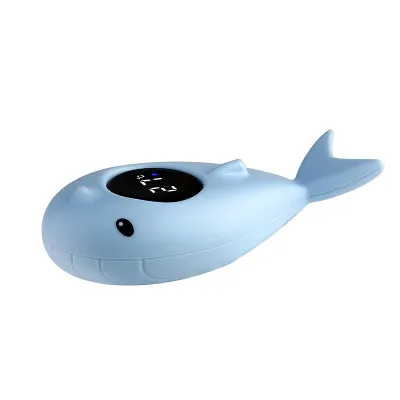
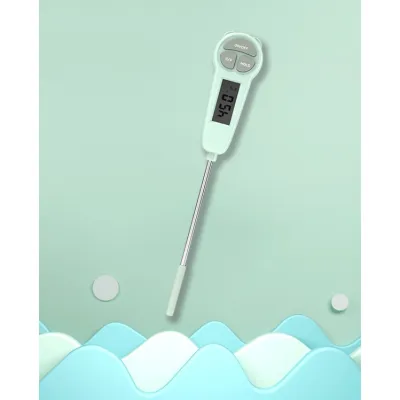
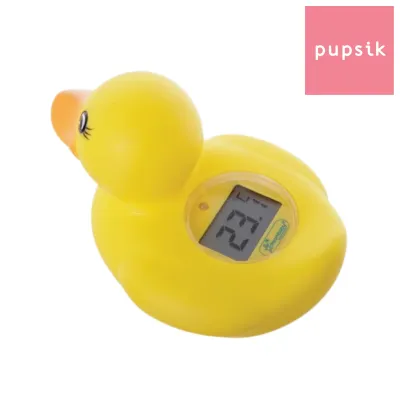
Prices are valid at publication and may change. Please refer to the product page for the latest price.
Pediatricians and safety organizations generally recommend keeping baby bathwater within a strict range of 37°C to 38°C (98.6°F to 100.4°F). This range closely mimics the natural internal temperature of the human body, preventing thermal shock and ensuring the infant remains comfortable throughout the bath. Water exceeding 39°C poses an immediate burn risk, while water below 36°C can cause the baby’s core temperature to drop quickly, leading to shivering, blue-tinted extremities, and physical distress.
Relying on the traditional “elbow test” is a common but risky practice. Adult nerve endings, particularly on areas exposed to frequent temperature fluctuations like the hands and arms, adapt over time and lose sensitivity. Factors such as ambient room temperature, the caregiver’s circulation, and personal heat tolerance heavily bias subjective testing. An objective digital sensor removes this human error, providing a reliable, standardized reading every time the tub is filled.
Essential Features for a Reliable Baby Bath Thermometer
When evaluating a bath thermometer baby product, several technical specifications dictate its reliability and safety. Understanding these features allows caregivers to make an informed choice that balances convenience with robust protection.

Sensor Accuracy and Precision
For infant care, a thermometer must offer high precision with a very low margin of error. Look for devices that specify an accuracy rating of at least ±0.5°C (±1°F). Minor temperature variations can significantly impact a newborn’s comfort, so a sensor that fluctuates wildly or has a wide margin of error is unsuitable for daily safety monitoring.
Rapid Response Time
Restless infants and busy bath routines require a device that updates its reading almost instantly. A high-quality thermometer should feature a response time of 2 to 5 seconds. Slow-reading sensors can display outdated information, potentially leading a caregiver to place a baby into water that has continued to heat up from a running tap or cool down from ambient exposure.
Material Integrity and Safety
Because bath accessories frequently double as toys, the thermometer must be constructed from non-toxic, durable materials. Verify that the outer casing is entirely free from Bisphenol A (BPA), phthalates, and heavy metals. Heavy-duty acrylonitrile butadiene styrene (ABS) plastic or food-grade silicone are preferred materials, as they resist cracking when dropped on hard tile floors and remain safe if a teething infant places the device in their mouth.
Waterproofing and IP Ratings
An Ingress Protection (IP) rating indicates how effectively an electronic device prevents water from entering its internal compartments. A reliable floating bath thermometer should carry a minimum rating of IP67. This certification guarantees that the device can withstand complete submersion in water up to 1 meter deep for 30 minutes, protecting the internal circuitry and battery from moisture damage.
Visual and Auditory Alert Systems
In the middle of a bathing routine, caregivers may not always be looking directly at the temperature numbers. Visual alert systems, such as color-changing LED backlights, provide immediate feedback. A screen that glows red when the water exceeds 39°C, blue when it falls below 36°C, and green when it is in the optimal zone allows for instant, passive monitoring. Some advanced models also include soft auditory beeps to warn of sudden temperature spikes.
Comparing Types of Baby Bath Thermometers
Different thermometer designs offer distinct advantages depending on your household routine, budget, and preference for technology. Understanding the trade-offs of each type helps narrow down the best option for your family.
Digital Floating Thermometers
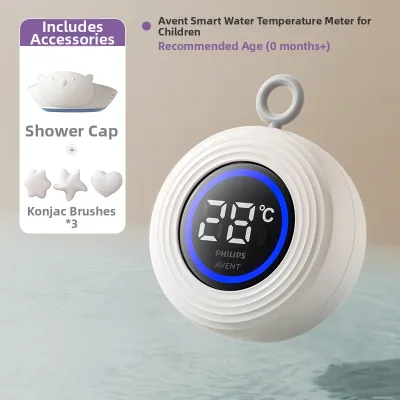
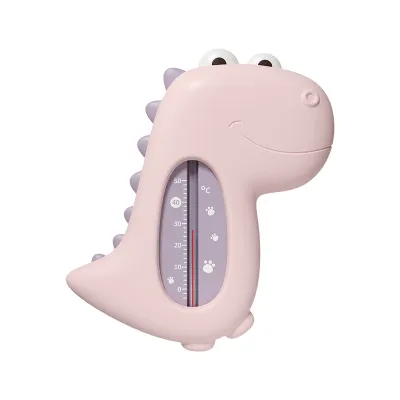
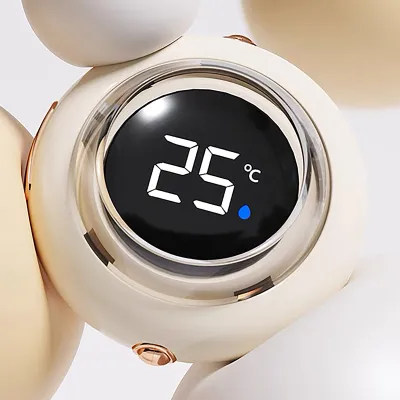
Digital floating thermometers are the most popular choice for modern nurseries. These devices float continuously on the water’s surface, offering constant, real-time temperature updates throughout the bath. Many models are shaped like friendly animals, serving as engaging bath toys that distract and soothe the baby during washing.
Beyond water temperature, many digital floating models feature dual-use sensors that measure ambient room temperature when kept out of the water. This is highly beneficial for ensuring the bathroom is warm enough (ideally between 22°C and 24°C) to prevent the baby from catching a chill when transitioning out of the tub.
However, these devices rely on internal batteries, which present maintenance responsibilities. In high-humidity environments like Singapore, the rubber gaskets sealing the battery compartment can degrade over time. If water penetrates the seal, it can cause battery corrosion, render the device useless, or leak hazardous chemicals into the bathwater. Regular inspection of the battery compartment is mandatory for these models.
Infrared (Non-Contact) Thermometers
Infrared thermometers measure the thermal radiation emitted from the surface of an object, allowing caregivers to take readings without ever touching the water. This non-contact method eliminates the risk of mold growth inside battery compartments and allows the device to be used for other household tasks, such as measuring formula bottle temperatures or room surfaces.
Despite their versatility, infrared thermometers have a significant operational limitation: they only measure the surface temperature of the water. Water is a poor conductor of heat, meaning a hot layer can sit on top of a much colder layer, or vice versa, if the bath has not been thoroughly mixed.
To obtain an accurate reading with an infrared device, caregivers must vigorously stir the bathwater to distribute the heat evenly. The thermometer must then be aimed directly at the center of the water from the manufacturer’s recommended distance. Failure to stir the water beforehand can result in highly inaccurate readings, creating a hidden scalding hazard at the bottom of the tub.
Temperature Strips and Stickers
Temperature strips and stickers utilize liquid crystal technology to change color in response to heat. These are low-tech, budget-friendly options that stick to the inside wall of the baby tub or float on the surface. Because they contain no electronic components, they are completely battery-free and virtually indestructible.
While highly durable and safe from battery leaks, temperature strips lack the precision of digital sensors. They typically display temperature in wide, color-coded bands or 2-degree increments, making it difficult to pinpoint the exact decimal temperature of the water.
Over time, exposure to soapy water, bath oils, and UV light can cause the adhesive to peel and the liquid crystal elements to fade. This degradation makes the colors difficult to interpret, meaning these strips generally have a much shorter functional lifespan than digital alternatives and must be replaced regularly.
How to Use and Maintain Your Bath Thermometer Safely
To ensure your thermometer remains accurate and hygienic throughout its lifespan, establish a consistent routine for use, cleaning, and storage.
Before relying on a new thermometer, perform a simple calibration check to verify its accuracy. Fill a glass with crushed ice and a small amount of cold water, stir it thoroughly, and let it sit for a few minutes to create an ice-water slurry. Submerge the thermometer’s sensor probe into the mixture. The display should read close to 0°C (32°F). If the reading deviates by more than 1°C, the sensor may be miscalibrated, and you should consult the manufacturer’s instructions or seek a replacement.
After every bath, rinse the thermometer thoroughly with clean, fresh water to remove soap scum, bath oils, and bubble bath residue. Wipe the device dry with a clean microfiber cloth, paying close attention to any crevices or sensor recesses. In humid climates, leaving a wet thermometer in a damp bathroom environment accelerates the growth of mold and mildew. Store the dry device in a well-ventilated area outside the bathroom to preserve the integrity of the plastic and electronic seals.
For devices with user-replaceable batteries, inspect the battery compartment seal at least once a month. Gently open the compartment and check the rubber O-ring gasket for signs of cracking, flattening, or dry rot. Ensure the compartment is completely dry and free from any white powdery residue, which indicates battery leakage. If you detect any moisture or corrosion, discontinue use immediately to prevent chemical contamination of the baby’s bathwater.
Avoid storing your thermometer in direct sunlight or near heat sources, such as radiators or sunny windowsills. Prolonged exposure to ultraviolet (UV) rays can weaken the plastic casing, making it brittle and prone to cracking, and can permanently damage LCD screens, causing the digital display to fade or bleed.
What to Verify Before Buying: A Safety and Spec Checklist
Before finalizing your purchase, review the product packaging and manufacturer specifications to ensure the device meets rigorous safety standards.
- Verify Safety Certifications: Ensure the product carries recognized safety compliance marks, such as CE, RoHS (Restriction of Hazardous Substances), or ASTM certifications. These marks indicate that the toy and electronic components have undergone testing for toxicity, physical durability, and electrical safety.
- Check Age Recommendations and Warnings: Read the manufacturer's age guidelines. Some thermometers are approved for all ages, while others may contain small parts or battery doors that are only safe under strict adult supervision. Remember that a thermometer is a tool, not a life-saving device; it must never replace constant, hands-on adult supervision.
- Evaluate the Battery Configuration: Determine whether the device features a permanently sealed battery or a user-replaceable one. Sealed units offer superior waterproofing but must be discarded once the battery dies. Replaceable battery models offer longevity but require diligent maintenance of the waterproof seals.
- Assess Display Legibility: Look for screens with high contrast, large digital numbers, and backlighting. Steam from a warm bath can quickly fog up cheap plastic screens, making it difficult to read the numbers from a standing position.
- Confirm Dual-Use Capabilities: If you want to monitor both the nursery room temperature and the bathwater, verify that the device's temperature range covers ambient air temperatures (typically 0°C to 50°C) and transitions quickly between modes.
Frequently Asked Questions (FAQ)
Can I use a regular medical thermometer to check bath water?
No, regular medical thermometers are not suitable or safe for measuring bathwater. Clinical thermometers have a highly restricted temperature range designed specifically for human body temperatures (usually between 35°C and 42°C) and will fail or display error codes if exposed to water outside this range. Furthermore, medical thermometers do not have the sensor surface area required to measure large volumes of water accurately, and glass-mercury models present a severe breakage and toxicity risk if dropped in a tub.
How often should I replace my baby's bath thermometer?
A baby bath thermometer should be replaced immediately if it shows any signs of physical or functional wear. Inspect the device regularly for cracked plastic, a faded or bleeding LCD screen, sluggish response times, or moisture trapped inside the digital display window. For battery-operated models, if you notice any signs of water ingress, rust, or corrosion within the battery compartment, discard the device immediately to prevent chemical leaks into the bathwater.
Is it safe to leave the thermometer in the tub while the baby is bathing?
If the thermometer is specifically designed, certified, and labeled as a floating bath toy, it is generally safe to leave in the tub during the bath. However, caregivers must remain vigilant. Ensure the device has no sharp edges, peeling stickers, or loose parts that could present a choking hazard. Even with a floating thermometer in the water, a caregiver should always perform a secondary touch-test with their wrist before placing the baby in the tub, and must never leave the infant unattended for even a second.
Community discussion
Share your experience or ask a question. Comments are reviewed before publication.