
Preparing a baby’s bath is a daily ritual that requires careful attention to safety, comfort, and precision. A baby’s skin is incredibly delicate, making them highly vulnerable to sudden temperature fluctuations. While generations of parents have relied on testing water with an elbow or wrist, this manual method is highly subjective and often inaccurate. To guarantee a consistently safe environment, investing in a reliable bath thermometer baby device is an essential step for every modern nursery.
An accurate digital bath thermometer removes the guesswork from bath preparation by providing real-time, precise readings. By choosing a high-quality thermometer, you can ensure that the water is neither too hot—which poses a severe scalding risk—nor too cold, which can quickly chill your infant. This guide explores why temperature precision is vital, what safety features to look for, how different thermometer types compare, and the top-rated models available to help you make an informed decision.
Why Water Temperature Accuracy is Critical for Baby's Safety
An infant’s skin is significantly thinner and more sensitive than adult skin, meaning it absorbs and loses heat at a much faster rate. Because of this physiological difference, water that feels comfortably warm to an adult can easily scald a baby or cause thermal discomfort. Relying solely on your skin’s sensitivity is highly unreliable, as your perception of warmth changes based on your own body temperature, ambient room conditions, and personal heat tolerance.
Products mentioned in this guide
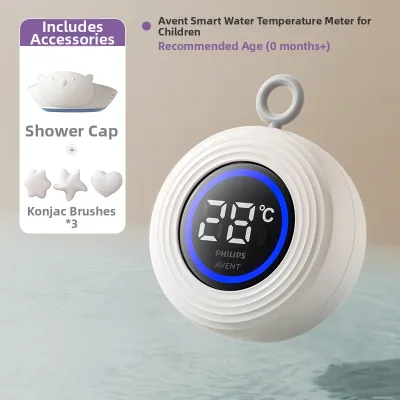
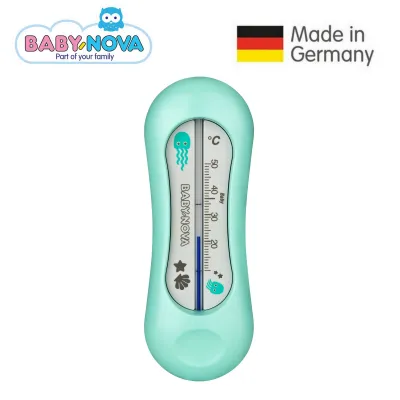
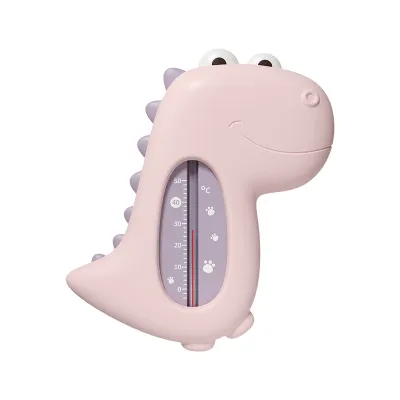
![[FAST SHIP] Beaba Bath Thermometer (2 Colors)](https://img.lazcdn.com/g/p/ad9c83c7f0d26eebc8e950229a0e378f.png_400x400q80.png_.webp)
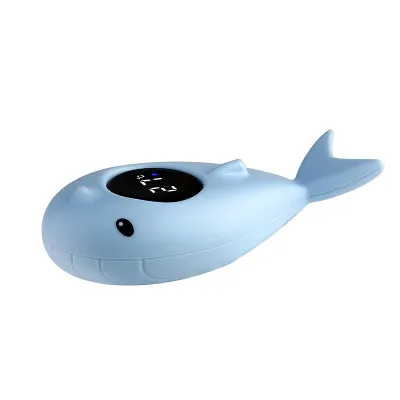
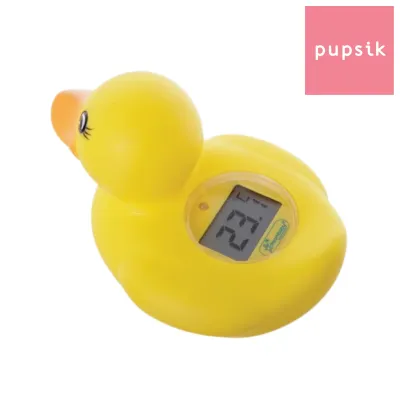
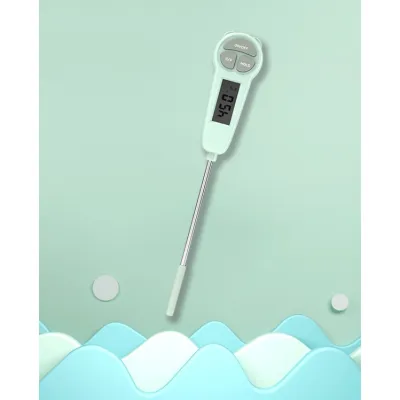
Prices are valid at publication and may change. Please refer to the product page for the latest price.
According to pediatric guidelines and international safety standards, the ideal temperature for a baby’s bath water is between 37°C and 38°C. This range closely mimics the natural warmth of the womb, providing a soothing and safe environment. Water temperatures exceeding 39°C can cause discomfort, redness, and rapid skin irritation, while temperatures above 40°C present an immediate risk of severe thermal burns within seconds.
Conversely, water that drops below 36°C can cause your baby to lose body heat rapidly, leading to shivering, distress, and a negative association with bath time. Because bath water naturally cools down the moment it is poured, having a thermometer that monitors temperature continuously throughout the bath is crucial. Real-time tracking allows you to make safe adjustments before your baby experiences discomfort.
What Makes a Bath Thermometer Reliable and Safe?
Before selecting a thermometer, it is important to understand the key safety and performance criteria that define a high-quality product. Because this device will be submerged in water and handled by both you and potentially your baby, it must meet strict physical and electrical safety standards.

Accuracy and Response Time
A reliable bath thermometer should provide a reading within a margin of ±0.5°C. Furthermore, the response time must be rapid—ideally updating the display every few seconds. Slow sensors can lead to delayed warnings, meaning you might place your baby into water that has already become too hot or too cold while waiting for the screen to stabilize.
Material and Build Safety
Since many bath thermometers double as floating toys, they must be constructed from non-toxic, BPA-free, and phthalate-free materials. Look for designs with smooth, rounded edges and shatterproof casings. The device must be robust enough to withstand being dropped onto hard bathroom tiles or knocked against the sides of the baby tub without cracking or exposing internal components.
Waterproofing and Battery Security
Because the thermometer operates in a wet environment, a high waterproof rating (such as IP67 or IP68) is mandatory to prevent water ingress from damaging the internal circuitry. More importantly, the battery compartment must be exceptionally secure. It should require a tool, such as a small screwdriver, to open. This prevents infants from accessing button cell batteries, which pose life-threatening choking and internal chemical burn hazards if swallowed.
Display Readability and Visual Alerts
When managing a slippery baby, you need to be able to read the temperature at a glance. Look for screens with large, high-contrast digital numbers. Many advanced models feature color-coded LED backlight alerts—such as a flashing red light when the water exceeds 39°C and a blue or green light when the water is too cold—allowing for instant visual verification without needing to read the exact digits.
Bathroom Safety and Slip Prevention
Integrating your thermometer into a broader bathroom safety routine is highly recommended. When setting up the bath, ensure you place a non-slip mat both inside the tub and on the floor where you will be kneeling. Keeping the thermometer within arm’s reach ensures you do not have to stretch or turn your back on your baby. Never leave your baby unattended in the water, even for a single second, regardless of how safe the water temperature is.
Comparing Thermometer Types: Digital, Infrared, and Floating
Understanding the distinct categories of baby bath thermometers will help you select the design that best fits your daily routine and preferences. Each type offers unique operational advantages and specific trade-offs.
Digital Probe Thermometers
Digital probe thermometers utilize a metal or highly sensitive plastic-tipped probe that must be physically submerged in the water to measure the temperature. These devices are highly regarded for their direct contact accuracy, as they measure the temperature of the liquid surrounding the sensor rather than the air or surface.
- Pros: Highly accurate, reliable, and generally budget-friendly.
- Cons: They do not float, requiring you to hold the probe in place while waiting for the reading to stabilize, which can be inconvenient when multitasking.
- Best For: Parents prioritizing straightforward, highly accurate contact measurements before putting the baby in the tub.
Infrared (IR) Thermometers
Infrared thermometers are non-contact devices that read thermal radiation emitted from a surface. By pointing the device at the water and pulling a trigger, you receive an instantaneous temperature reading on the screen.
- Pros: Extremely fast (often under one second) and highly versatile, as they can also measure room temperature, formula bottles, or baby food.
- Cons: They only measure the surface temperature of the water. Because hot water rises and cold water sinks, an IR thermometer can give a false reading if the bath has not been thoroughly stirred. Additionally, rising steam can interfere with the infrared sensor lens, leading to inaccurate results.
- Best For: Multipurpose use across the home, provided you stir the bath water thoroughly before scanning.
Floating Toy Thermometers
Floating toy thermometers are digital sensors integrated directly into playful, baby-friendly shapes like ducks, turtles, or crocodiles. They sit constantly in the water, providing continuous, real-time monitoring throughout the bath.
- Pros: They double as a distracting toy for fussy babies, float naturally on the surface, and offer continuous temperature updates.
- Cons: The hollow or textured designs can trap water and soap residue, making them susceptible to mold growth if not dried properly. They also require careful inspection of the battery seal over time.
- Best For: Parents seeking a hands-free, continuous reading that keeps their baby entertained during bath time.
Top Picks: Best Baby Bath Thermometers for Accurate Readings
To help you find the right device, we have compiled a list of highly regarded, reliable baby bath thermometers available on the market. Always verify the specific manufacturer instructions and safety certifications on the packaging before use.
Philips Avent Bath and Room Thermometer (SCH480)
This dual-purpose thermometer is designed to measure both baby bath water and nursery room temperatures, featuring a sleek, modern flower shape that floats naturally.
- Target User: Parents looking for a highly reliable, minimalist, and aesthetically pleasing dual-use thermometer.
- Core Benefits: It is fully certified to meet rigorous toy safety standards, floats perfectly, and provides fast, accurate digital readings. The display is clear and easy to read at a glance.
- Limitations: The display does not feature a backlight, which can make it slightly harder to read in low-light evening settings. The battery compartment requires careful alignment when replacing batteries to preserve the waterproof seal.
- Pre-purchase Checks: Verify that the unit includes the required batteries (typically 2x LR44) and inspect the rubber gasket seal upon unboxing to ensure it is seated correctly.
Dreambaby Room & Bath Thermometer (Crocodile/Duck)
This playful, animal-shaped digital thermometer is designed to entertain babies while offering rapid, continuous temperature updates.
- Target User: Caregivers who want a fun, interactive bath toy that doubles as a highly responsive safety monitor.
- Core Benefits: It features a rapid 10-second refresh rate and an automatic shut-off function after 30 minutes to conserve battery life. It also includes a color-coded indicator light that flashes red when the water is too hot and green when it is too cold.
- Limitations: The textured toy crevices can accumulate soap scum and hard water deposits, requiring regular detailed cleaning to prevent mold.
- Pre-purchase Checks: Confirm the exact IP waterproof rating specified on the packaging and check that the battery compartment screw is tightly secured before the first submersion.
Oricom Babysense Duck Bath Thermometer
This classic floating yellow duck thermometer combines a traditional nursery aesthetic with modern digital precision, offering a highly visible display.
- Target User: Parents who prioritize large, high-visibility screens and instant visual warnings.
- Core Benefits: It features a large LCD screen that displays the exact temperature clearly. A built-in LED light flashes red when the water exceeds 39°C and displays "COLD" if the temperature drops too low, making it exceptionally easy to monitor.
- Limitations: The plastic casing can become scratched over time if dropped frequently on hard surfaces, and the battery life may drain faster if the visual alert light is triggered frequently.
- Pre-purchase Checks: Check the manufacturer's specified temperature accuracy range and ensure you have the correct replacement battery type on hand.
Safe Usage, Calibration, and Maintenance Guide
To ensure your bath thermometer remains accurate and safe to use over its lifespan, proper maintenance, regular safety checks, and correct handling are essential.
How to Verify Accuracy (Calibration Check)
You can perform a simple ice-water test at home to verify your thermometer’s accuracy. Fill a glass with crushed ice and add cold water, stirring thoroughly. Submerge the thermometer probe or sensor into the mixture. A properly calibrated thermometer should read close to 0°C (within ±0.5°C to ±1°C depending on the model’s tolerance).
Safety Warning: Never submerge a baby bath thermometer in boiling water to test its upper limits unless the manufacturer’s manual explicitly states it can withstand temperatures up to 100°C. Most baby bath thermometers are only designed to measure temperatures up to 50°C; exposing them to boiling water can rupture the sensor, melt the plastic casing, or permanently damage the digital display.
Cleaning and Drying to Prevent Mold
In humid climates like Singapore, standing water in bath toys can quickly lead to black mold. After every bath, wash the thermometer with mild, baby-safe dish soap and rinse it thoroughly with clean water to remove soap scum, bath oils, and skin residue. Dry the device completely with a clean towel and store it in a dry, well-ventilated area outside of the damp bathroom.
Battery and Damage Inspections
Before placing the thermometer into your baby’s bath, perform a quick visual inspection. Check for any hairline cracks in the plastic, condensation behind the digital screen, or a loose battery cover. If you notice any signs of physical damage or water leakage inside the display, stop using the device immediately.
When replacing batteries, ensure the rubber sealing gasket is perfectly aligned before tightening the screws. Always dispose of old button cell batteries safely at designated local e-waste recycling points, keeping them completely out of reach of children at all times.
Frequently Asked Questions (FAQ)
Can I use a regular room thermometer to check bath water?
No, you should never use a standard room thermometer to check bath water. Room thermometers are designed to measure ambient air temperature and are not waterproofed for liquid submersion. Submerging a non-waterproof device can cause immediate electrical failure, battery leakage, and damage to the sensor. Additionally, they lack the specialized, rapid-response liquid probe required to register water temperature changes accurately, creating a severe safety hazard.
Is an infrared thermometer accurate for baby bath water?
An infrared (IR) thermometer can be highly accurate, but only if used correctly. Because IR sensors only measure the surface temperature of the water, they can give a misleadingly cool or warm reading if the water has not been mixed. To get an accurate reading, you must stir the bath water thoroughly to distribute the heat evenly, clear away any rising steam that might block the infrared beam, and hold the thermometer at the exact distance recommended by the manufacturer.
Community discussion
Share your experience or ask a question. Comments are reviewed before publication.