
When searching for a “baby bag,” parents navigate a transitional phase. During infancy, a baby bag is synonymous with a diaper bag—a high-capacity, parent-carried organizer designed for bottles, diapers, and changing supplies. As your child grows into a toddler, the focus shifts toward a child-carried backpack that encourages independence while holding personal items.
The primary decision factor rests on who carries the bag and what cargo it holds. If the bag must carry heavy water bottles, multiple changes of clothes, and medical supplies, it remains the parent’s responsibility. If it contains a light snack, a favorite toy, or a comfort item, it can transition to your child’s shoulders. This distinction defines how you choose the right gear for three core scenarios: preschool, day outings, and family travel.
Preschool and Daycare: Fostering Independence with Toddler Backpacks
Enrolling your child in preschool or daycare marks a significant developmental step where self-reliance takes center stage. Transitioning from a parent-carried diaper bag to a toddler backpack allows children to take ownership of their daily routine. In early childhood settings, children are often encouraged to unpack their own bags, hang them on cubby hooks, and retrieve their belongings independently, which builds confidence and motor skills.
Products mentioned in this guide
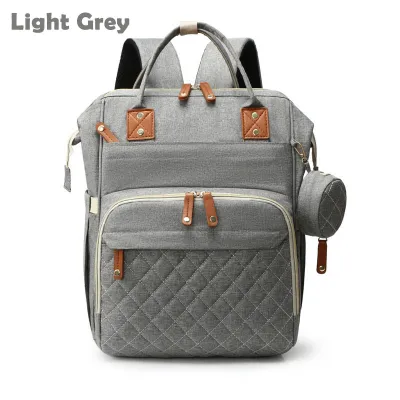
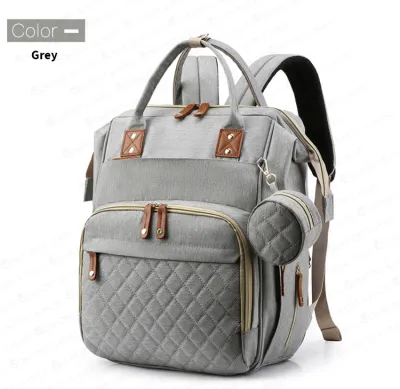
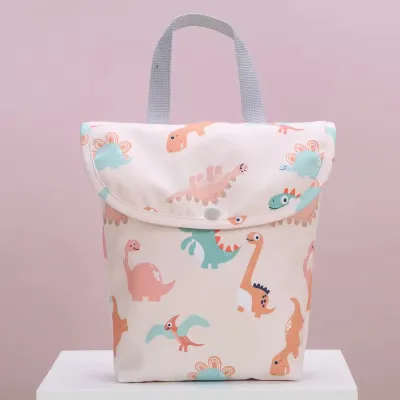
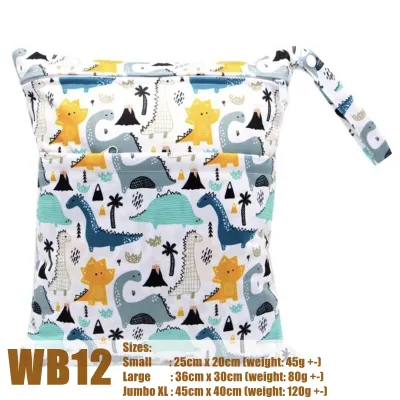
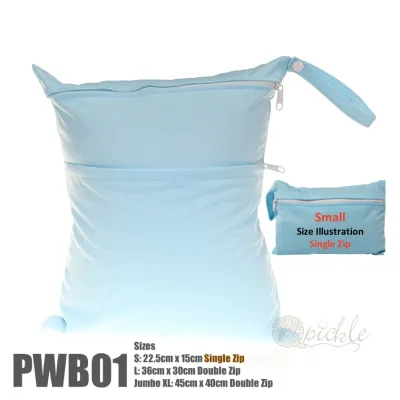
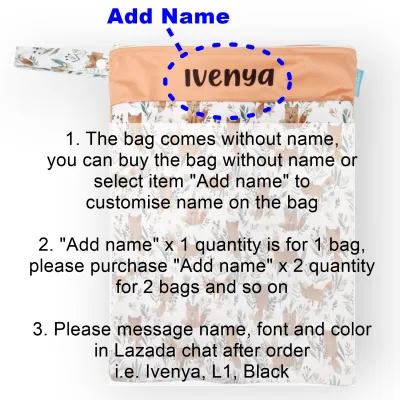

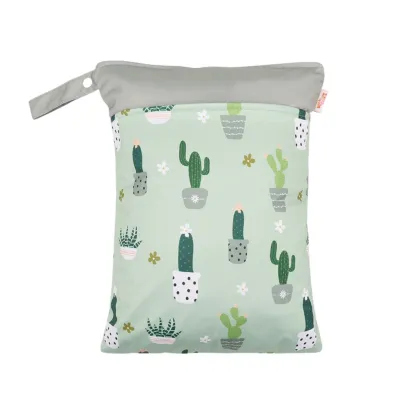
Prices are valid at publication and may change. Please refer to the product page for the latest price.
To support this transition, look for child-friendly features that prevent frustration. Zippers should be chunky and fitted with easy-to-grab pulls, such as silicone tabs or fabric loops, which accommodate developing fine motor skills. The backpack itself must be lightweight, using materials that do not add unnecessary weight before the bag is even packed. Adjustable, padded shoulder straps are essential to distribute weight evenly across small shoulders, preventing the straps from digging into delicate skin.
Capacity requirements for preschool are distinct from casual outings. The bag needs to accommodate daily essentials: a complete change of clothes, a small water bottle, and perhaps a small comfort item or soft toy for naptime. Many centers also require a small communication book, so the bag should have a flat, structured main compartment that prevents papers from bending, without being so large that it overwhelms the child’s physical frame.
Toddler Backpacks for Daily Essentials
Finding the correct fit for a toddler backpack requires physical measurement rather than relying solely on age labels. A well-fitted backpack should never extend past your child’s lower back or hang below the waistline. When a bag is too long, it pulls the child backward, forcing them to lean forward unnaturally to compensate, which can strain developing muscles.
Always check the manufacturer’s official specifications for age, height, and weight recommendations to ensure ergonomic safety. A helpful feature for small frames is an adjustable chest strap with a front buckle. This strap keeps the shoulder straps securely in place, preventing them from slipping off narrow shoulders when the child runs or climbs. Ensure the chest buckle is easy for an adult to adjust but secure enough that it does not snap open under light tension.
Insulated Lunch and Snack Bags
Depending on your daycare’s meal arrangements, you may need to pack daily snacks or lunches. Deciding between a backpack with a built-in insulated compartment and a separate insulated lunch bag depends on your child’s schedule. A built-in thermal compartment saves space but can make the backpack bulky and difficult to clean if food spills. A separate, dedicated lunch bag offers greater flexibility, allowing you to leave the food in the school refrigerator while the child keeps their main backpack in their cubby.
When purchasing any food storage bag, prioritize health and safety by verifying the material composition on the product label. Ensure the manufacturer explicitly states that the interior lining is food-safe and free from harmful chemicals, specifically certifying it as BPA-free, PVC-free, and phthalate-free. These materials come into close contact with food, making chemical safety a non-negotiable standard.
Day Outings in Singapore: Lightweight and Compact Bag Options
Singapore’s tropical climate and active lifestyle demand a highly strategic approach to packing for day outings. Whether you are heading to an outdoor playground, exploring nature parks, or navigating a crowded shopping mall, a bulky, heavy bag quickly becomes a liability in the high humidity. For these short, active excursions, the goal is to minimize bulk while ensuring you have quick access to hydration and sun protection.

High humidity requires bags made from highly breathable, lightweight materials. Look for backpacks or crossbody bags featuring mesh back panels that promote airflow, reducing sweat buildup against your body or your child’s back. The weight of the empty bag should be negligible, allowing you to reserve your carrying capacity for essential fluids, wet wipes, and sunscreen.
Choosing between a parent-carried compact diaper bag and a child-carried mini backpack depends on your itinerary and your child’s energy levels. For quick trips where you expect to move fast, a compact parent bag keeps everything centralized and secure. However, if you are spending the day at a leisurely pace, allowing your toddler to wear a mini backpack can keep them engaged, giving them a sense of responsibility while keeping your hands free for navigating strollers or public transit.
Compact Crossbody and Tote Diaper Bags
For parents who prefer to carry the essentials themselves on short trips, compact crossbody and tote diaper bags offer distinct advantages. A crossbody diaper bag is the ultimate hands-free solution, distributing weight diagonally across your torso and staying securely in place when you bend down to tend to your child. In contrast, a small tote bag offers rapid, top-down access to items, making it ideal if you frequently need to grab a bottle or pacifier while the bag rests on a stroller hook.
Regardless of the style, look for smart organizational features designed for quick-response parenting. A dedicated, exterior-access wipe pocket is incredibly useful for cleaning sticky hands or managing sudden messes without rummaging through the main compartment. Ensure the bag features secure closures, such as sturdy zippers or magnetic flaps, to prevent items from spilling. Given Singapore’s sudden tropical downpours, a water-resistant exterior is crucial to protect spare clothes and electronics from getting soaked before you can find shelter.
Mini Backpacks for Active Toddlers
A mini backpack is an excellent accessory for active toddlers during weekend outings. These tiny bags are scaled down to fit children from ages two to four, providing just enough space for them to carry their personal treasures. Letting your child pack their own mini backpack with a small toy, a packet of biscuits, or a lightweight jacket gives them a sense of purpose and helps keep them entertained during transit.
However, parents must remain vigilant about the total weight loaded into these mini bags. A toddler’s spine is still developing, so the load must be kept absolutely minimal to prevent muscle strain or posture issues. As a general practice, parents should carry the heavier necessities—such as full water bottles, heavy sunscreen bottles, and spare diapers—while the child carries only featherweight items. If your child tires during the outing, the mini backpack should be small enough to easily clip onto your own stroller or slip into your main bag.
Family Travel: High-Capacity Diaper Bags and Kids' Luggage
Family travel, especially international flights or long transit days, elevates the demands placed on your gear. In these high-stakes scenarios, organization, capacity, and durability are paramount. A travel baby bag must function as a mobile nursery, holding enough diapers, formula, snacks, change of clothes, and entertainment to last through unexpected flight delays or long drives, all while fitting comfortably within standard airline carry-on dimensions.
When selecting travel bags, look for specialized designs that streamline transit. Traveling with young children requires you to manage multiple pieces of luggage, strollers, and passports simultaneously. Bags that offer hands-free carrying, quick-access passport pockets, and dedicated compartments for dirty clothes or wet swimsuits can significantly reduce travel stress. The goal is to maximize storage volume without creating a bag so bulky that it cannot slide under an airplane seat or fit into an overhead compartment.
Travel Diaper Backpacks with Luggage Sleeves
For parents, a high-capacity travel diaper backpack is often the most practical choice for long journeys. One of the most important features to look for is an integrated trolley or luggage sleeve. This fabric band on the back of the backpack allows it to slide securely over the telescoping handle of your rolling suitcase, instantly relieving your shoulders of weight as you navigate airport terminals.
Another travel essential is a built-in or detachable changing pad that is easy to wipe clean. Public changing tables in transit hubs vary widely in cleanliness, so having a dedicated, cushioned barrier that you can quickly deploy and sanitize is vital. Because travel diaper bags hold a significant amount of gear, pay close attention to the bag’s empty weight and structural support. Look for padded, breathable shoulder straps and a structured back panel that distributes the load evenly, preventing the backpack from sagging or causing shoulder fatigue when fully packed.
Ride-On and Harness Bags for Transit
For older toddlers and young children, specialized travel bags can add an element of fun and safety to long transit days. Ride-on luggage bags allow children to sit on the suitcase while being pulled by a parent through flat airport concourses. Before purchasing, always verify the manufacturer’s specified weight limits and perform stability checks, as these bags require active balance from the child and should only be used on smooth, level surfaces under direct adult supervision.
For crowded transit hubs, toddler harness backpacks—sometimes referred to as anti-loss bags—can provide peace of mind. These are small backpacks equipped with a detachable tether held by the parent. It is critical to view these harness bags strictly as a supplementary safety tool, never as a replacement for active parental supervision or holding hands in high-risk areas. When selecting a harness bag, inspect the safety standards of the leash attachment points, ensure the chest strap is highly adjustable and secure, and verify that the tether length allows the child a safe range of movement without creating a tripping hazard for others.
Cross-Scenario Buying Guide: Safety, Ergonomics, and Materials
Regardless of whether you are buying a bag for preschool, weekend outings, or international travel, certain universal standards for safety, ergonomics, and materials must guide your purchase. When evaluating ergonomics for a child’s backpack, ensure the shoulder straps are adjusted so the bag sits snugly against the child’s back rather than sagging down. The weight should be distributed evenly, with heavier items packed closest to the child’s back. If your child complains of tingling, numbness, or red marks on their shoulders, or if they must lean forward to walk, stop using the bag immediately and adjust the fit or reduce the load.
Material selection directly impacts the longevity and hygiene of the bag. Look for water-resistant, easy-to-wipe interiors that can handle spilled milk, leaky water bottles, or crushed snacks. While many parents assume all synthetic fabrics like nylon or polyester can be tossed into a washing machine, this is not always the case. Always read the manufacturer’s specific care labels before washing; some bags feature internal structural boards, water-repellent coatings, or leather trim that can be permanently damaged by machine washing or harsh detergents.
Finally, perform diligent safety checks before introducing any new bag to your child. Inspect the bag thoroughly for potential choking hazards, such as detachable decorative charms, small plastic clips, or long dangling cords that could become entangled. Zippers should have smooth, rounded, child-safe pulls that do not pinch small fingers. Lastly, before purchasing any baby gear, always check the manufacturer’s official website and local consumer safety portals for any active product recalls to ensure the model meets current safety standards.
Frequently Asked Questions (FAQ)
At what age should my child start carrying their own backpack?
A child’s readiness to carry their own backpack depends on their walking stability, physical development, and personal interest, which typically aligns around 2 to 3 years of age. When starting out, keep the backpack extremely light. To protect their developing spine, a child’s loaded backpack should generally not exceed 10% of their body weight, though you should always consult pediatric guidelines or the manufacturer’s specific weight limits for your child’s age group.
How do I clean and maintain a baby bag to prevent odors?
To prevent odors and mold growth, establish a regular cleaning routine. Start by completely emptying all pockets and shaking out loose crumbs. Wipe down the interior and exterior linings using a soft cloth dampened with warm water and a mild, baby-safe cleaner. Allow the bag to air dry completely in a well-ventilated area away from direct sunlight before packing it again. Avoid using harsh chemical bleach or machine washing the bag unless the manufacturer’s care label explicitly permits it.
Community discussion
Share your experience or ask a question. Comments are reviewed before publication.