
Trimming a baby’s nails can be one of the most nerve-wracking tasks for new parents. Traditional manual clippers and scissors require steady precision, and even a minor slip or a sudden wiggle from an infant can result in painful skin nicks and bleeding. To alleviate this anxiety, automatic nail clippers—often referred to as electric baby nail trimmers or rotary nail files—have become a highly popular alternative in Singapore. These devices use cushioned, rotating filing pads to gently wear down soft baby nails without harming the surrounding skin, offering a stress-free grooming experience for both caregivers and infants.
When shopping for an automatic baby nail clipper in Singapore, parents will find options across various price bands, typically ranging from S$15 for basic battery-operated models to over S$50 for advanced rechargeable kits with multiple speed settings and integrated safety sensors. Choosing the right device requires understanding your baby’s developmental stage, nail thickness, and specific features like whisper-quiet motors and built-in LED lights. This guide outlines the essential features to look for, profiles the best options by age group, and provides step-by-step instructions for safe and hygienic use.
Why Parents Prefer Automatic Nail Clippers for Babies
Traditional baby nail care tools, such as metal clippers and miniature scissors, rely on a shearing action to cut through the nail plate. While effective for adult nails, these tools pose distinct challenges when used on infants. A newborn’s fingernails are incredibly soft, pliable, and closely fused to the underlying skin, known as the hyponychium. Because the boundary between the nail edge and the delicate skin is highly compressed, positioning a traditional blade safely is exceptionally difficult, especially when a baby is active or startled.
Products mentioned in this guide
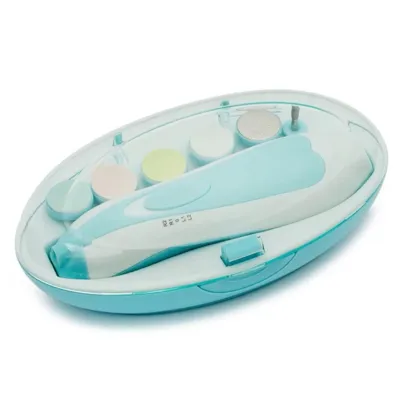
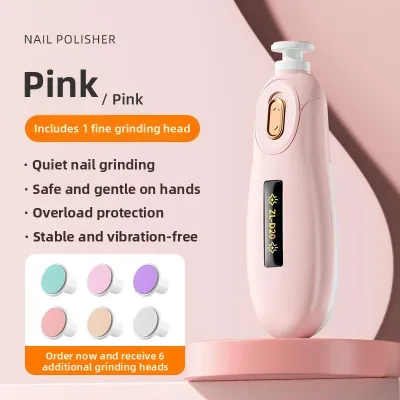
![[Upgraded Version] 9-in-1 Safe USB Rechargeable Electric Baby Nail Trimmer Grinder with Case Baby Nail File Kit](https://img.lazcdn.com/g/p/499a43acacd41da67a7e44c373d94ac5.jpg_400x400q80.jpg_.webp)
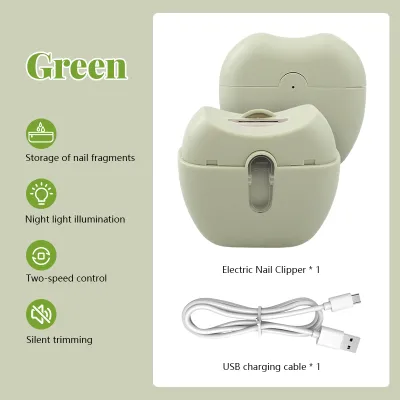
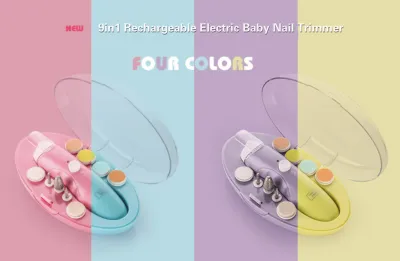
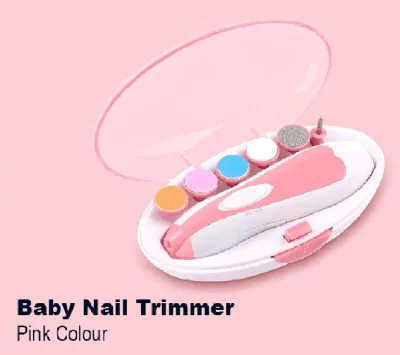
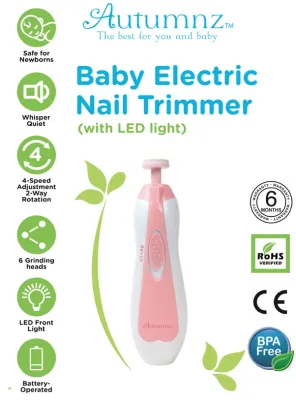
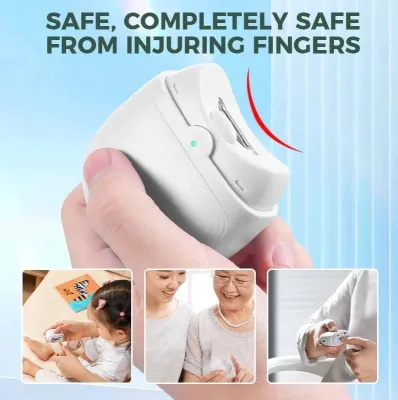
Prices are valid at publication and may change. Please refer to the product page for the latest price.
Automatic nail trimmers address this challenge by replacing sharp cutting blades with rotating, cushioned filing pads. These pads utilize fine-grit abrasive surfaces that gently grind down the nail keratin rather than clipping it. The physical mechanism relies on low-torque rotation; if the filing pad accidentally makes contact with the baby’s skin, the soft backing cushions the impact, and the motor’s resistance threshold causes it to stop spinning before causing an abrasion. This design virtually eliminates the risk of accidental cuts, nicks, and subsequent infections.
Beyond the physical safety benefits, automatic trimmers offer a significant psychological advantage for parents. The intense anxiety associated with grooming tiny, fast-growing nails often leads parents to postpone the task, resulting in long, sharp baby nails that can easily scratch their delicate faces or eyes. By transforming a high-stress chore into a gentle, predictable routine, automatic trimmers help caregivers maintain consistent infant hygiene with confidence. This is particularly valuable during the first few months of parenthood, when sleep deprivation can compromise a caregiver’s manual dexterity.
Key Features to Look for in a Baby Nail Trimmer
Selecting the right automatic nail trimmer involves evaluating several technical specifications and design elements. Because babies grow rapidly, their physical needs and tolerance levels shift, making certain features essential for long-term usability.

Adjustable Speed Settings
Most high-quality electric nail files feature at least two speed modes: a low-speed setting and a high-speed setting. A low-speed mode is vital for newborns, whose nails are paper-thin and require minimal friction to file down. This lower speed also minimizes the vibration felt by the infant, preventing startle reflexes. As the child grows and their nails thicken, a higher speed setting becomes necessary to trim the nails efficiently without spending excessive time on each finger. Dual-speed controls also allow parents to adjust the device based on whether the baby is awake or asleep.
Pad Materials and Textures
Baby grooming kits typically include a variety of interchangeable filing discs, usually color-coded by age group or grit intensity. The pads are engineered with specific micron levels of abrasive material:
- Ultra-soft pads: Designed for newborns (0 to 3 months), these pads feature extremely fine grit and a highly compressible foam backing to ensure maximum gentleness on soft, newly formed nails.
- Medium-grit pads: Targeted at older infants (3 to 12 months), these pads offer slightly more abrasive power to handle moderately thicker nail plates.
- Coarser-grit pads: Intended for toddlers (12 months and older), these discs are designed to file down tougher toddler fingernails and toenails efficiently.
- Polishing or metal discs: Some comprehensive kits include metal shaving discs or polishing heads meant for adults, extending the utility of the device to the entire family.
Noise and Vibration Levels
Because many parents prefer to groom their baby’s nails while the infant is asleep, the operating noise of the trimmer is a critical factor. High-quality models are engineered with whisper-quiet micro-motors that operate below 35 to 40 decibels (dB), which is equivalent to a quiet whisper. Excessive motor vibration can also transmit through the device to the baby’s finger, causing discomfort or waking them from a nap. When selecting a trimmer, look for models that emphasize low-vibration engineering to ensure a seamless, undisturbed grooming session.
Ergonomics and Integrated Lighting
An ergonomic, non-slip grip is essential for maintaining control while maneuvering around tiny fingers and toes. Devices with a curved, teardrop, or wand-like shape fit naturally in the palm, reducing hand fatigue and allowing for precise angles. Additionally, an integrated front-facing LED light is highly beneficial. This light illuminates the nail bed directly, casting away shadows and allowing parents to work in low-light environments, such as a darkened nursery or an air-conditioned bedroom during afternoon naps, without needing to turn on bright overhead lights.
Best Automatic Nail Clipper Profiles by Age Group
An infant’s nail structure changes dramatically during their first year of life. In the early weeks, the nails are paper-thin and grow rapidly, often requiring trimming multiple times a week. As the baby transitions into toddlerhood, the nails harden, become more rigid, and require more robust filing action. Understanding these developmental shifts helps parents select the most suitable device profile.
Top Picks for Newborns (0 to 6 Months)
For newborns and very young infants, the primary objective is absolute gentleness. Trimmer profiles in this category focus on ultra-low torque motors and highly cushioned filing pads. These devices are designed to stop rotating immediately if even moderate pressure is applied, ensuring that the soft, developing skin surrounding the nail plate is never compromised.
While these safety features are ideal for preventing injuries, they do introduce certain limitations. The low-torque motor and ultra-fine grit mean that the filing process is relatively slow. Parents should expect to spend more time per nail compared to manual clipping. However, the peace of mind provided by this gentle action far outweighs the extra minutes spent grooming.
When purchasing a trimmer for a newborn, always verify the manufacturer’s age suitability labels on the packaging. Ensure the kit includes dedicated “newborn” or “0-3 months” pads, which feature the softest possible grit. Avoid using any unlabelled or generic replacement pads that do not explicitly state their suitability for newborns, as coarser grits can easily cause friction heat and skin irritation on extremely delicate fingers.
Best Options for Older Babies and Toddlers (6+ Months)
As infants reach the six-month mark and begin transitioning to solid foods, their fingernails and toenails undergo physical changes, becoming noticeably thicker and tougher. At this stage, the ultra-gentle newborn filing pads will wear down quickly and become highly inefficient, often stalling the motor repeatedly during use.
Trimmer profiles for older babies and toddlers require a more robust motor with higher torque capabilities and a wider selection of coarser filing discs. These multi-head kits allow parents to systematically transition to rougher textures as the child’s nails develop. The higher speed settings on these devices help shorten the grooming session, which is crucial for active toddlers who are less likely to sit still for extended periods.
When evaluating these more robust models, battery life and motor durability are key considerations. Daily or weekly use on tougher nails demands consistent power. Rechargeable lithium-ion models are highly recommended for this stage, as they maintain a consistent rotation speed even as the battery drains, unlike standard alkaline battery-operated models which can slow down and stall as the batteries weaken.
How to Safely Use an Electric Nail Trimmer on Babies
While automatic nail trimmers are designed with safety as a priority, proper technique and preparation are still required to ensure a comfortable and injury-free experience.
Preparation and Timing
Timing is critical when grooming an infant’s nails. The optimal time to use an electric trimmer is when the baby is calm, feeding, or in a state of deep sleep. Trimming during sleep is highly favored by parents, as it minimizes sudden movements. Ensure you are working in a well-lit area; if the room is dark, utilize the trimmer’s built-in LED light to clearly distinguish the nail edge from the skin. Before starting, wash your hands and ensure the baby’s hands are clean and dry, as moisture can cause the filing pad to slip or wear down prematurely.
Trimming Technique
To file your baby’s nails safely and effectively, follow these step-by-step instructions:
- Secure the grip: Hold the baby's hand firmly but gently in your palm. Isolate one finger at a time, securing it between your thumb and index finger.
- Expose the nail: Gently press the pad of the baby's finger downward and away from the nail edge. This action exposes the nail fully and creates a safe clearance zone between the nail and the skin.
- Position the trimmer: Hold the electric trimmer at a slight angle—approximately 50 to 60 degrees—relative to the nail surface. Avoid holding the device perpendicular to the nail, as this can cause the pad to slip onto the skin.
- Apply gentle pressure: Turn on the device at the appropriate speed setting and bring the rotating pad into contact with the nail edge. Move the pad in a steady, sweeping motion along the natural curve of the nail. Do not hold the pad in one spot for more than a couple of seconds, as localized friction can generate uncomfortable heat.
- Check the edges: Regularly pause to feel the nail edge with your own finger. Ensure there are no sharp corners or jagged points left behind, as these can still cause scratches.
Essential Safety Checks
Before applying the electric trimmer to your baby’s nails for the first time, or whenever you switch to a new filing pad, always test the device on your own skin first. Press the rotating pad against your palm or the tip of your finger to gauge the vibration, speed, and pressure required to trigger the automatic stop mechanism. This simple check ensures the device is functioning correctly and helps you calibrate your hand pressure before working on your child.
When to Stop and Seek Care
If the baby’s skin is accidentally grazed, or if you notice any redness, localized swelling, or irritation, cease use of the device immediately. Although electric trimmers rarely break the skin, excessive friction in one spot can cause minor burns or irritation. In the highly unlikely event that the skin bleeds, apply gentle pressure with a clean, sterile gauze pad until the bleeding stops. Do not apply liquid bandages or adhesive plasters to a baby’s fingers, as these pose a severe choking hazard if the baby puts their hands in their mouth. If the area shows signs of infection over the following days—such as persistent redness, warmth, swelling, or pus—consult a pediatrician or a qualified medical professional immediately.
Maintenance and Hygiene Tips for Baby Grooming Kits
Proper maintenance of your automatic nail trimmer is essential to ensure hygiene, prevent bacterial contamination, and prolong the operational lifespan of the device.
Cleaning and Dust Removal
Filing baby nails generates fine keratin dust that can accumulate on the filing pad, inside the attachment port, and around the motor shaft. After every grooming session, use a small, soft-bristled brush (often included in the kit) or a dry, lint-free microfiber cloth to sweep away the accumulated nail dust. Never submerge the electric handle in water or expose it to running tap water unless the manufacturer’s manual explicitly states that the entire unit is fully waterproof. For non-waterproof models, a damp cloth can be used to wipe down the exterior casing, ensuring no moisture enters the battery compartment or motor housing.
Pad Replacement and Care
Over time, the abrasive grit on the filing pads will naturally wear down, becoming smooth and less effective. Using worn-out pads requires you to apply more pressure, which increases friction heat and the risk of skin irritation. Inspect the filing pads regularly for signs of wear, such as smoothing, discoloration, or peeling of the abrasive layer. Replace the filing heads as soon as their performance degrades. Always refer to the manufacturer’s instructions regarding whether the filing pads can be sanitized with isopropyl alcohol wipes; some materials may degrade when exposed to harsh chemicals.
Battery Maintenance
For battery-operated trimmers, chemical leakage from old or low-quality batteries can severely damage the internal contacts and ruin the motor. If you do not plan to use the device for an extended period—such as several weeks between toddler nail trims—always remove the batteries before storage. For rechargeable models, avoid leaving the device plugged into the charger indefinitely, as overcharging can degrade the lithium-ion battery lifespan. Store the trimmer and all its small attachments in their original protective case, out of reach of children, to prevent choking hazards and physical damage to the delicate filing heads.
Frequently Asked Questions (FAQ)
Are electric nail trimmers completely safe for newborns?
While electric nail trimmers are significantly safer than traditional sharp metal blades, no grooming tool is entirely risk-free. If held in one position for too long, the friction from the rotating pad can generate heat and cause discomfort or minor skin irritation. To ensure absolute safety, parents must always use the correct, age-appropriate filing pad (typically the softest grit for newborns), operate the device on the lowest speed setting, and maintain active supervision throughout the process. Never let an infant play with or handle the device, and always test the trimmer on your own skin before using it on your baby.
How often should I file my baby's nails?
A baby’s nail growth rate varies widely depending on their age and individual development. On average, a newborn’s fingernails grow incredibly fast and may require filing one to two times per week to prevent accidental scratching. Conversely, their toenails grow much slower and typically only need attention once or twice a month. Rather than adhering strictly to a calendar schedule, parents should regularly observe the length and sharpness of the nails. If you can feel sharp corners or see the nails extending past the fingertips, it is time for a quick filing session.
Community discussion
Share your experience or ask a question. Comments are reviewed before publication.