
Trimming a newborn’s nails is one of the most nerve-wracking tasks for new parents. A baby’s nails are incredibly tiny, soft, and grow at a rapid rate, often requiring attention multiple times a week to prevent accidental self-scratching. Traditional manual clippers and scissors carry a high risk of nicking delicate skin, especially when a baby squirms or jerks unexpectedly. For parents in Singapore seeking a stress-free alternative, investing in an automatic nail clipper baby grooming tool can transform this anxiety-inducing chore into a calm, safe routine.
These modern grooming devices use gentle rotating or oscillating filing pads, or safely recessed blades, to trim and smooth tiny nails without contacting the surrounding skin. The best automatic nail clippers for babies in Singapore fall into two primary categories: electric rotary files (ideal for newborns up to six months) and guarded motorized trimmers (better suited for older babies and toddlers with thicker nails). Popular and highly reliable options available locally include the Lollababy Electric Baby Nail Trimmer, the Haakaa Baby Electric Nail Care Set, the ZoLi Buzz B, and guarded automatic clippers like the Seemagic Kids model. Choosing the right device depends on your baby’s age, nail thickness, and your comfort level with the tool’s trimming mechanism.
Why Switch to an Automatic Baby Nail Clipper?
Manual baby clippers require precise alignment on an incredibly small, moving target. Because a newborn’s nail bed is highly vascularized and the nail itself is closely attached to the skin, even a minor slip with traditional metal clippers can cause painful nicks, bleeding, and potential infections. Traditional baby scissors offer slightly better visibility but still feature exposed blades that can easily catch loose skin if the baby makes a sudden movement.
Products mentioned in this guide
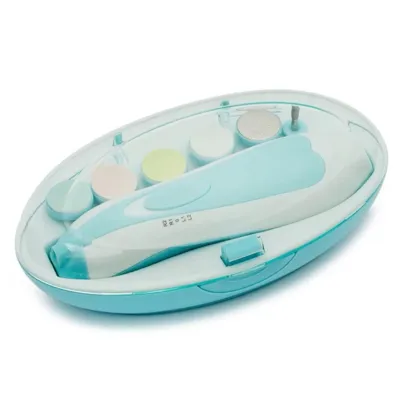
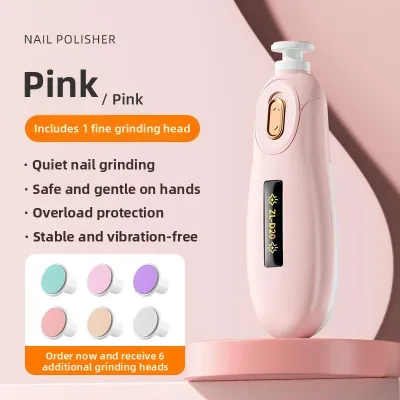
![[Upgraded Version] 9-in-1 Safe USB Rechargeable Electric Baby Nail Trimmer Grinder with Case Baby Nail File Kit](https://img.lazcdn.com/g/p/499a43acacd41da67a7e44c373d94ac5.jpg_400x400q80.jpg_.webp)
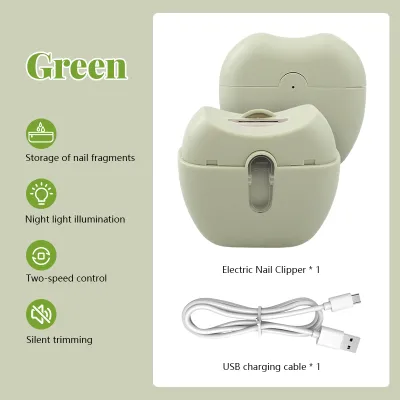
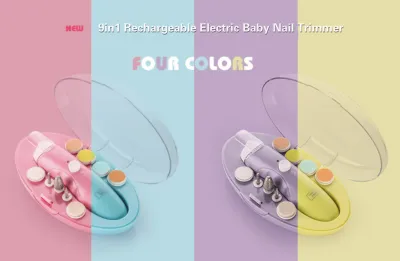
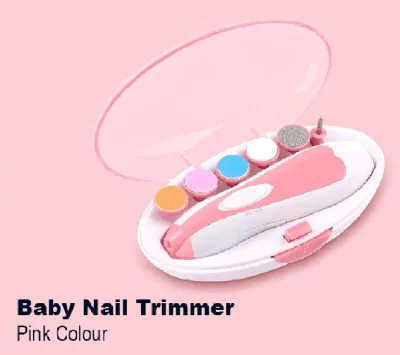
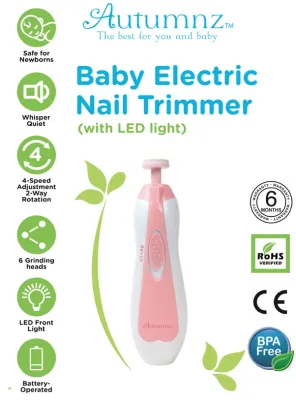
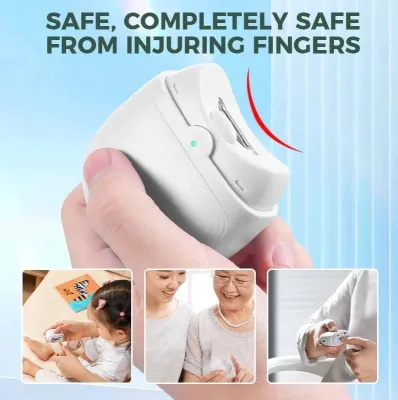
Prices are valid at publication and may change. Please refer to the product page for the latest price.
Automatic baby nail clippers eliminate these risks by replacing sharp, pinching blades with gentle filing or shielded, micro-trimming actions. Rotary files utilize cushioned pads topped with fine grit that spin gently to grind down the nail edge, while guarded trimmers feature recessed blades behind a protective metal slot that only allows the nail tip to enter. If the filing pad or guard accidentally contacts the baby’s finger, the motor is designed to stall or slide harmlessly over the skin without causing injury.
Beyond safety, automatic clippers offer significant practical benefits for both parents and infants. They drastically reduce the stress associated with nail grooming, turning a high-stakes, two-person operation into a simple, one-person task that can even be performed while the baby is asleep. Furthermore, rotary files leave a perfectly rounded, smooth edge. Manual clippers often leave sharp corners or jagged edges, which babies can use to scratch their sensitive faces, leading to micro-tears and eczema flare-ups.
It is important to understand that the term “automatic” encompasses two distinct technologies. The first is the electric rotary nail file, which uses spinning, cushioned sandpaper discs of varying grits to wear down soft nails. The second is the motorized trimmer, which utilizes oscillating blades or physical safety guards to cut harder nails. Understanding these differences helps parents choose the most appropriate tool for their child’s developmental stage.
Essential Features of a High-Quality Automatic Nail Clipper Baby Device
When shopping for an automatic baby nail clipper, safety guards and automatic stop mechanisms should be your top priority. High-quality devices feature pressure-sensitive motors that automatically stall if too much force is applied or if the filing pad presses against the skin. This prevents friction burns and ensures that even an inexperienced caregiver cannot accidentally over-file the baby’s delicate nail bed.

Adjustable speed and direction settings are equally crucial for adapting to different nail thicknesses and hand positions. Most premium models offer at least two speed settings: a low speed for gentle filing on newborns and a high speed for tougher toddler nails. Reversible rotation (clockwise and counterclockwise) allows you to file from the outer edge toward the center of the nail on both the left and right hands without having to awkwardly twist your wrist or file against the natural grain of the nail.
Because many parents prefer to trim nails while their baby is resting, noise and vibration levels must be kept to an absolute minimum. Look for devices equipped with whisper-quiet motors that operate below 40 decibels (dB), which is quieter than a soft whisper. Low vibration is also essential; excessive shaking can startle a sleeping infant or cause a tickling sensation that makes an awake baby pull their hand away constantly.
Ergonomics and built-in visibility features significantly improve the usability of these devices. The handle should feature a comfortable, non-slip grip that fits securely in an adult’s hand, allowing for precise control and steady positioning. A built-in LED light located at the tip of the device is highly valuable, as it casts direct light onto the tiny nail bed, eliminating shadows when trimming in a dimly lit nursery or during nighttime sleep.
The power source of the device affects both its long-term cost and performance consistency. Battery-operated models (typically utilizing AA or AAA batteries) are highly portable and convenient for travel, but their motor speed can drop as the batteries drain, leading to snagging. USB-C rechargeable models offer consistent power delivery, faster motor performance, and eliminate the ongoing cost and environmental waste associated with disposable batteries.
Recommended Types of Automatic Nail Clippers by Developmental Stage
Ultra-Gentle Electric Nail Files for Newborns (0–6 Months)
During the first six months of life, a baby’s nails are paper-thin, flexible, and grow exceptionally fast. Clipping them with blades often tears the nail rather than cutting it cleanly, which can expose the sensitive nail bed. For this reason, pediatricians and experienced parents generally prefer rotary filing over bladed trimming for newborns.
To protect newborn skin, these rotary files must be used with the softest filing pads, which are typically made of cushioned foam topped with an ultra-fine grit. The device should be set to its lowest speed setting to minimize friction and heat buildup. Parents should always verify the age-suitability color chart on the product packaging before use, as using a toddler-grade pad on a newborn can cause skin abrasion.
- Lollababy Electric Baby Nail Trimmer: This is a highly popular choice among Singapore parents, designed by a trusted local brand specializing in baby healthcare. It is a battery-operated rotary trimmer that comes in a compact carrying case with multiple color-coded filing pads tailored to different age groups.
- Pros: Extremely quiet motor operating under 35dB, built-in LED light, 360-degree rotation with four speed and direction modes, and easily accessible replacement pads in local Singapore maternity stores.
- Cons: Requires two AA batteries (not included), and the battery compartment cover can be slightly stiff to open.
- Verification: Always check the packaging to ensure you are using the pink pad (designated for newborns aged 0–3 months) or the green pad (for infants aged 4–11 months).
- Haakaa Baby Electric Nail Care Set: Known for its practical baby products, Haakaa offers a sleek, cylindrical electric nail care set featuring a USB-rechargeable battery. It provides a highly sustainable, long-term option for parents who want to avoid disposable batteries.
- Pros: USB-C rechargeable for consistent power delivery, ergonomic wand design that is easy to maneuver, exceptionally gentle cushioned filing pads, and a durable storage case.
- Cons: Higher initial purchase price compared to basic battery-operated models, and the cylindrical body can roll off flat surfaces easily if not placed back in its case.
- Verification: Consult the manufacturer's instructions to confirm the correct pad attachment; the newborn pad is specifically engineered to prevent friction injuries on ultra-soft skin.
Multi-Speed Trimmers with Safety Guards for Older Babies (6+ Months)
Around the six-month mark, babies transition to solid foods, and their nails begin to thicken and harden significantly. Soft foam filing pads become less effective at this stage, wearing down rapidly and taking much longer to file the nails. Older babies and toddlers require motorized trimmers with coarser filing discs or physical safety guards that can handle increased nail density.
These advanced devices require higher motor speeds and more durable filing surfaces, such as metal or heavy-duty grit discs. Alternatively, some models utilize a guarded, motorized micro-blade that trims the nail cleanly while physically shielding the finger. Because older babies are much more active and curious, these devices must have robust safety guards to prevent inquisitive fingers from touching the moving parts.
- ZoLi Buzz B Electric Baby Nail Trimmer: The ZoLi Buzz B utilizes a unique oscillating motion rather than a spinning rotary motion. This back-and-forth vibration is highly efficient at wearing down thicker toddler nails without generating rotational heat or catching the skin.
- Pros: Gentle oscillating action that does not spin, multiple power settings, cushioned pads designed specifically for toddlers (including a blue pad for children aged 12 months and older), and a highly tactile grip.
- Cons: Replacement pads can be relatively expensive to source in Singapore, and it operates on a single AA battery which may require frequent replacement with heavy use.
- Verification: Inspect the packaging to ensure you purchase the genuine ZoLi brand, as many generic lookalikes exist online. Confirm that the toddler-specific pads are included in the kit.
- Seemagic Electric Automatic Nail Clipper (Kids Edition): This is a fully enclosed automatic clipper featuring a high-speed alloy blade hidden behind a protective curved slot. It is designed specifically for older babies (typically 12 months and older) and toddlers who have fully formed, hard nails.
- Pros: One-click operation, integrated debris collector that prevents nail clippings from flying around, USB rechargeable, and absolute skin protection due to the micro-slotted guard.
- Cons: Not suitable for newborns or infants with paper-thin nails, requires regular cleaning of the blade chamber, and some toddlers may be startled by the slightly higher vibration compared to rotary files.
- Verification: Read the manufacturer's age guidelines carefully. Ensure the model is specifically labeled as the "Baby" or "Kids" version, which features a narrower slot opening than the adult version to prevent tiny fingertips from reaching the blade.
Feature Comparison Matrix for Top Picks
| Product Name | Best Age Range | Primary Mechanism | Key Safety Feature | Speed Settings | Power Source |
|---|---|---|---|---|---|
| Lollababy Electric Baby Nail Trimmer | 0 to 12+ Months | Rotary File | Pressure-Activated Auto-Stop | 4 Modes (2 Speeds, Bi-directional) | 2 AA Batteries |
| Haakaa Baby Electric Nail Care Set | 0 to 12+ Months | Rotary File | Soft Cushioned Pads & Auto-Stop | 4 Modes (2 Speeds, Bi-directional) | USB Rechargeable |
| ZoLi Buzz B Electric Nail Trimmer | 0 to 2+ Years | Oscillating Cushion | Gentle Vibration (No Spinning) | 2 Speed Settings | 1 AA Battery |
| Seemagic Electric Automatic Clipper (Kids) | 12+ Months to Toddler | Guarded Rotary Blade | Enclosed Alloy Blade with Curved Slot | Single Speed | USB Rechargeable |
Step-by-Step Guide to Safely Trimming Your Baby's Nails
Preparation
Timing is the most critical factor when grooming a baby’s nails. The absolute best time to trim is during deep sleep, which typically occurs about 20 minutes after they fall asleep, or immediately after a bath when their nails are at their softest and most pliable. Ensure your device is fully charged or has fresh batteries, as a dying battery can cause the motor to drag, pulling or snagging the nail instead of filing it smoothly.
In Singapore’s humid climate, moisture can cause fine nail dust to stick to your baby’s skin and fingers. It is highly recommended to perform the trimming in a cool, air-conditioned room to keep the baby’s hands dry, which prevents the nail dust from clumping and makes the filing process much smoother.
Technique
Hold your baby’s hand securely using a “finger isolation grip.” Isolate one tiny finger at a time, gently pulling the finger pad away from the nail edge to expose the nail fully and clear the surrounding skin. Hold the trimmer at a 45-degree angle to the nail, ensuring you have a clear line of sight.
Let the tool do the work without pressing hard against the nail bed. Move the trimmer in a smooth, continuous arc around the contour of the nail, filing from the outer edges toward the center. If you are using a guarded blade clipper, gently insert the nail tip into the slot and slowly guide the device along the natural curve of the finger.
Safety Boundaries and Stopping Conditions
Stop immediately if your baby becomes highly distressed, starts crying, or pulls away aggressively. Forcing the trim increases the risk of slipping and causing friction burns or pinching. You should also pause if you notice any redness, swelling, or irritation on the skin surrounding the nail, which indicates that the grit is too coarse, the pressure is too high, or the angle is incorrect.
If the device’s motor stalls frequently, turn it off and inspect the nail for any snags or tears. Never force the trimmer to run if it encounters resistance. In the highly unlikely event of an accidental cut or skin abrasion, do not apply liquid bandages or adult antiseptic creams without consulting a pediatrician; instead, wash the area with clean water, apply gentle pressure with a sterile gauze pad to stop any bleeding, and seek professional medical advice if redness or signs of infection develop.
Post-Care and Maintenance
Once you have finished trimming, gently wipe your baby’s hands with a damp, clean cloth to remove any fine nail dust, preventing them from rubbing the dust into their eyes or mouth. Run your own fingertip over their nails to check for any sharp corners or remaining snags that need a quick touch-up.
Clean the device after every use according to the manufacturer’s care instructions. For rotary files, blow away the accumulated dust and wipe the plastic body with a slightly damp cloth (never submerge the device in water). For guarded clippers, open the trimmer compartment and use the included brush to sweep out the micro-clippings. Store the device and all small attachments securely in their protective case, completely out of reach of children, to prevent choking hazards.
Frequently Asked Questions (FAQ)
How often should I trim my baby's nails with an automatic clipper?
Newborn nails grow at an incredibly rapid rate, often requiring filing once or twice a week to prevent them from scratching their faces. As babies grow older, their nail growth slows down slightly, and their nails become harder. For babies over six months, a thorough trim every one to two weeks is usually sufficient.
Rather than relying on a strict calendar schedule, perform regular visual and tactile checks. Gently run your fingers over your baby’s hands during feeding or playtime. If you feel sharp edges or notice the nails extending past the fingertips, it is time for a quick touch-up.
Can I use an automatic nail clipper while my baby is sleeping?
Yes, trimming your baby’s nails while they are asleep is one of the most effective strategies used by parents. During deep sleep, babies are less likely to startle or pull their hands away, reducing the risk of accidental slips.
To do this safely, ensure you choose an automatic trimmer with a whisper-quiet motor (ideally under 40dB) and low vibration levels so you do not disturb their rest. Always use the device’s built-in LED light to illuminate the nail bed clearly, but ensure the room itself has soft, ambient lighting so you can see the overall position of the hand. Maintain a firm but gentle grip on the baby’s finger, and be prepared to pause immediately if the baby begins to stir or shift positions.
Community discussion
Share your experience or ask a question. Comments are reviewed before publication.