
Finding the right apple sauce pouch for your baby in Singapore involves looking past colorful packaging and marketing claims to evaluate the actual ingredients, packaging safety, and manufacturing standards. While many brands line the shelves of local supermarkets and online marketplaces, the most suitable pouch is one that aligns with your baby’s developmental stage, contains no hidden additives, and features secure, food-safe packaging. This guide provides a systematic framework to help you assess and shortlist baby food pouches available locally, ensuring every spoonful supports your child’s nutritional journey safely.
Quick Guide to Choosing Baby Apple Sauce Pouches
When standing in the baby food aisle of a Singapore supermarket, your first line of defense is the ingredient list. A high-quality apple sauce pouch should ideally list only one ingredient: apples, or apples and water if needed for consistency. You must verify that the product does not contain added sugars, artificial preservatives, or synthetic thickeners. Additionally, check the manufacturer’s age recommendation on the packaging, ensuring it matches your baby’s current feeding stage, which typically begins around six months of age.
Beyond the food itself, the physical design of the pouch requires close inspection. Look for pouches equipped with large, anti-choke caps that are designed to prevent accidental swallowing if a child handles them. The packaging material must be robust enough to withstand pressure without bursting, and it should explicitly state that it is made from food-grade, non-toxic materials.
Products mentioned in this guide
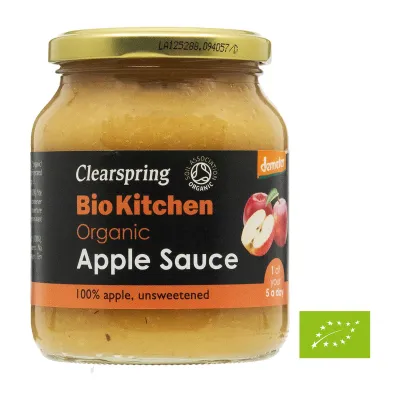
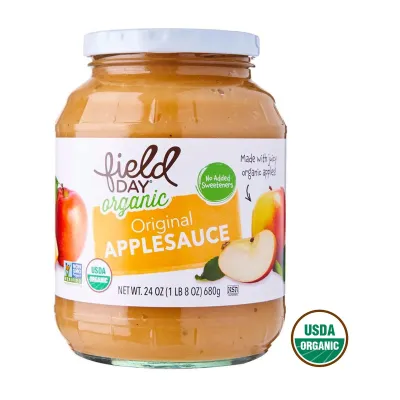
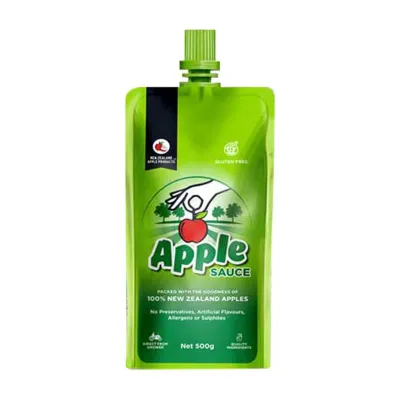
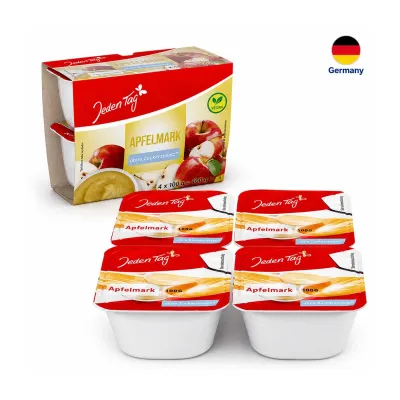
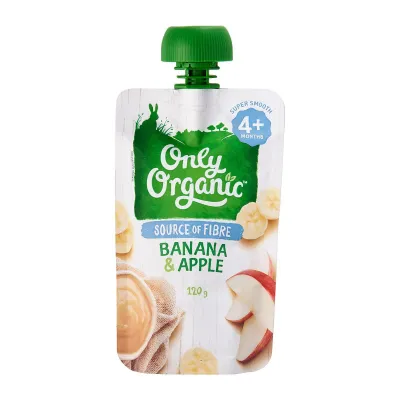
Prices are valid at publication and may change. Please refer to the product page for the latest price.
Parents should actively avoid any pouches that show signs of bloating, swelling, or leakage, as these are clear indicators of bacterial contamination or packaging failure. Avoid products that list fruit concentrates, fruit juices, or sweeteners high up on the ingredient list, as these significantly increase the sugar density of the puree. Any pouch lacking clear batch numbers, expiry dates, or importer details should be left on the shelf.
Decoding the Nutrition Label for Baby Food
Understanding the distinction between whole fruit purees and fruit concentrates is essential for protecting your baby’s developing palate and metabolic health. Purees made from 100% whole apples retain more of the natural fiber and structure of the fruit, whereas concentrates are essentially dehydrated fruit sugars that have been reconstituted with water. When reading the ingredient panel, look for “apple puree” or “apples” rather than “apple juice concentrate” or “reconstituted apple juice.” Concentrates deliver a highly concentrated dose of fructose without the corresponding dietary fiber, which can lead to rapid blood sugar spikes and encourage a preference for overly sweet flavors.

Commercial baby foods sometimes contain unnecessary additives to improve shelf life, texture, or taste. Carefully scan the label for hidden sugars under names like fructose, sucrose, maltodextrin, or fruit syrup. Sodium levels should be negligible or zero, as a baby’s immature kidneys cannot process high amounts of salt. Thickeners such as modified food starch, cornstarch, or carrageenan are occasionally added to stretch the product and mimic a thicker texture; however, these offer no nutritional benefit and can sometimes cause digestive discomfort in sensitive infants.
Baby food manufacturers categorize their products into stages, such as Stage 1 for beginners, Stage 2 for textured blends, and Stage 3 for chunkier meals. While these stages provide a helpful baseline, you must cross-reference them with your baby’s actual developmental milestones. A baby ready for Stage 1 purees should be able to sit upright with minimal support, have good head control, and show interest in food. If your baby is still exhibiting the tongue-thrust reflex, which pushes solid food out of the mouth, they may not be ready for purees, regardless of the age printed on the pouch. Always consult your pediatrician before introducing new food stages.
Evaluating Pouch Safety and Packaging Design
The convenience of squeeze pouches comes with specific physical safety responsibilities. The plastic caps on these pouches, particularly smaller, traditional twist-off designs, pose a severe choking hazard if left within a baby’s reach. Many modern brands utilize wide, flower-shaped, or hollowed-out caps designed to allow air to pass through if accidentally swallowed, but these safety features do not replace active supervision. Never allow your baby to play with, chew on, or hold the cap, and ensure all discarded caps are placed immediately into a secure waste bin.
Because purees are acidic and stored in direct contact with the pouch lining for months, the chemical safety of the packaging is paramount. You must verify that the pouch is labeled as BPA-free (bisphenol A), phthalate-free, and PVC-free. These synthetic chemicals can potentially leach into acidic foods like apple sauce, especially when exposed to warm temperatures during shipping or storage. Look for clear certifications or manufacturer statements on the packaging confirming the use of food-grade, multi-layer laminate materials that provide a safe barrier against chemical migration.
Before purchasing or feeding, perform a physical integrity check on the pouch. Squeeze the pouch gently to ensure there are no micro-punctures, tears, or weak seals along the edges. If the pouch feels unusually bloated or tense, or if it expels air when squeezed, discard it immediately, as this indicates a breach in the vacuum seal and potential microbial growth. Some pouches feature transparent windows on the back or bottom; use these to visually inspect the puree for any unusual discoloration, separation, or mold before opening.
Building a Shortlist of Reliable Brands in Singapore
To build a safe shortlist of apple sauce pouches in Singapore, focus on brands that demonstrate high levels of transparency and rigorous quality control. Reliable manufacturers provide detailed information about where their apples are sourced, how the purees are processed, and what safety standards their facilities adhere to. Look for brands that openly share their third-party testing protocols for heavy metals, pesticides, and environmental contaminants. This information is often accessible on the brand’s official website or can be requested directly from their customer service channels.
Baby food expenses can accumulate quickly, making it wise to evaluate the cost-effectiveness of different options. Instead of comparing the flat retail price per pouch, calculate the price per gram by dividing the retail price in S$ by the net weight, which usually ranges from 90g to 120g per pouch. You will often find that purchasing multi-packs or buying from online marketplaces and specialty baby distributors yields a lower unit cost than buying single pouches at high-end supermarkets. Keep a simple log of prices across different local retailers to identify where your preferred options are most economically available.
In Singapore, food safety is closely monitored by local authorities. Before committing to a specific brand, establish a routine of checking official food safety recall notices. You can visit the official portal of the Singapore Food Agency (SFA) to search for any recent alerts, import suspensions, or product recalls related to baby food brands. If a batch of a particular brand has been flagged for contamination, packaging defects, or elevated levels of heavy metals, ensure you cross-reference the batch numbers on your home inventory before feeding.
Safe Feeding Practices and Transitioning to Solids
While pouches are designed for convenience, pediatric feeding specialists strongly recommend squeezing the puree onto a clean spoon rather than allowing your baby to suck the food directly from the plastic spout. Sucking directly from the pouch bypasses the natural oral motor movements required for chewing and swallowing solid foods. It can also lead to overeating, as the baby consumes the puree too quickly to register fullness, and increases the risk of dental decay because the sweet puree pools around the front teeth. Spoon feeding encourages eye contact, pacing, and the development of essential tongue coordination.
Active caregiver supervision is non-negotiable during every feeding session. Even when using purees, babies can experience gagging or choking if they swallow too quickly or if a small piece of packaging debris finds its way into the food. Sit face-to-face with your baby during meals, watching their cues for fullness or distress. Never leave a baby unattended with a pouch, and do not prop a pouch up for a baby to feed themselves while lying down, as this significantly increases the risk of aspiration.
Apple sauce pouches are an excellent starting point for introducing solids, but they should serve as a bridge rather than a permanent fixture in your baby’s diet. As your baby approaches eight to nine months of age, begin transitioning them from smooth purees to thicker textures. You can achieve this by mixing a small amount of finely mashed fresh apple or other soft fruits into the smooth apple sauce. Gradually increase the texture until your baby is comfortable handling small, soft, bite-sized pieces of cooked fruit, which helps develop their jaw muscles and prepares them for family meals.
Frequently Asked Questions (FAQ)
Can I freeze leftover apple sauce from a pouch?
Freezing Guidelines: Yes, you can freeze leftover apple sauce, but you should never freeze the original plastic pouch unless the manufacturer explicitly states it is safe to do so. Instead, squeeze the remaining puree into a clean, BPA-free silicone freezer tray or airtight glass container. Freezing may cause slight water separation or a minor change in texture upon thawing, but the nutritional value remains intact.
Thawing Safely: To thaw the frozen apple sauce, transfer the container to the refrigerator overnight. Avoid thawing baby food at room temperature on the kitchen counter, as this encourages rapid bacterial growth. Once thawed, stir the puree thoroughly to recombine any separated liquid, test the temperature, and serve it within 24 hours; do not refreeze thawed leftovers.
How long does an opened pouch last in the fridge?
Refrigeration Limits: Once a baby food pouch is opened, it must be refrigerated immediately and consumed within 24 to 48 hours, depending on the manufacturer’s specific instructions. Because bacteria from your baby’s mouth can travel back into the pouch if they fed directly from the spout, any pouch that has touched your baby’s lips should be discarded after that feeding session rather than saved for later.
Spoilage Signs: Always inspect the refrigerated puree before serving it again. Look for visual signs of spoilage such as mold growth, unusual separation, or a watery consistency. Smell the puree to check for sour, fermented, or off-odors; if the apple sauce smells like yeast or alcohol, fermentation has begun, and the pouch must be thrown away immediately.
Are organic apple sauce pouches necessary for babies?
Organic Certifications: Certified organic apple sauce pouches are made from apples grown without synthetic pesticides, herbicides, or chemical fertilizers. To verify these claims, look for recognized organic certification seals on the packaging, such as the USDA Organic, EU Organic, or Australian Certified Organic logos. These certifications guarantee that the farming and processing methods meet strict environmental and chemical-use standards.
Nutritional Comparison: Nutritionally, organic apples and conventionally grown apples are highly similar, offering comparable levels of vitamins, minerals, and dietary fiber. If your family budget permits, choosing organic options can minimize your baby’s exposure to trace pesticide residues. However, if organic options are unavailable or cost-prohibitive, conventional apple sauce pouches remain a highly nutritious choice, provided they contain no added sugars or artificial additives.
Community discussion
Share your experience or ask a question. Comments are reviewed before publication.