
Selecting the right abdominal binder during pregnancy is a crucial decision for managing the physical strain of a growing baby bump. In Singapore’s warm climate, this choice requires balancing structured support with lightweight, breathable materials that prevent skin irritation. The ideal binder should alleviate pelvic and lower back pressure without restricting movement or causing overheating, making it essential to understand how different brands and designs perform in daily life.
While some mothers require heavy-duty stabilization for joint pain, others benefit from simple, seamless bands that provide light support and keep clothing comfortably in place. Understanding your body’s changing structural needs, the local weather conditions, and the specific design features of popular brands will help you select a garment that keeps you comfortable throughout your pregnancy.
How to Choose the Right Abdominal Binder for Pregnancy
Selecting a maternity support garment requires a careful evaluation of how the product interacts with your changing anatomy. A common misconception is that a binder should tightly compress the midsection, but pregnancy support is actually about redistributing weight. The primary goal is to lift the abdomen upward and forward, which transfers some of the load away from your lower spine and pelvic floor. When evaluating different models, look for a design that offers firm, upward support under the belly while remaining soft and flexible enough not to dig into your skin when you sit or bend.
Products mentioned in this guide
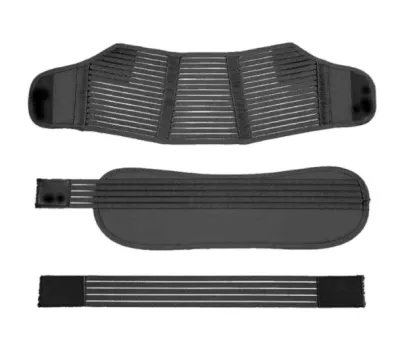
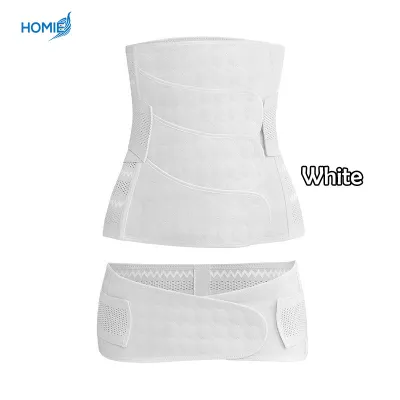
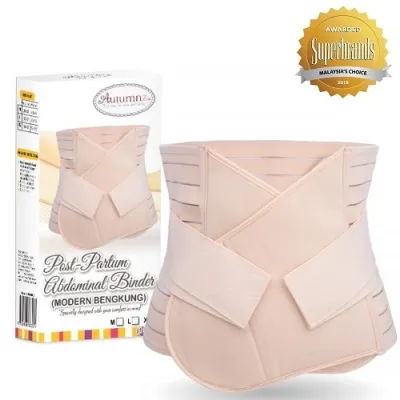
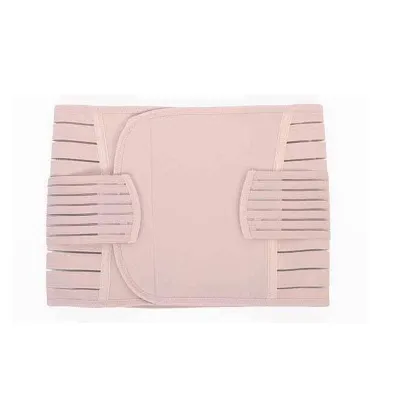
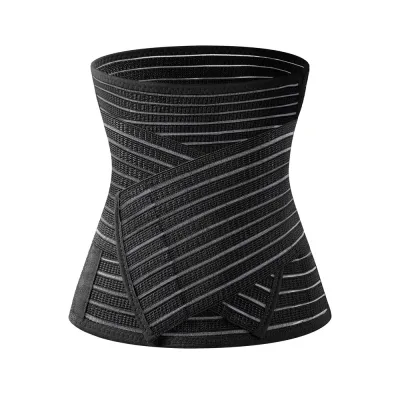
![[SG Stock] Postpartum Belly Wrap Belly Shrink Abdominal Belt Waist Girdle Shaping After C-section and Natural Birth](https://img.lazcdn.com/g/p/3644ab55af001075d9ec5bb10bc45a9d.jpg_400x400q80.jpg_.webp)
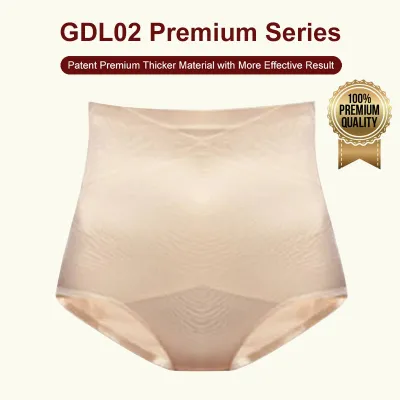
Prices are valid at publication and may change. Please refer to the product page for the latest price.
Singapore’s tropical climate introduces unique challenges for wearing any compression garment. With high daily humidity and temperatures regularly exceeding 30°C, wearing a thick, non-breathable elastic band can quickly lead to excessive sweating, heat rash, and contact dermatitis. To maintain skin health, prioritize binders made with moisture-wicking fabrics, open-weave mesh panels, or natural fibers such as bamboo-derived viscose. These materials facilitate airflow and allow sweat to evaporate quickly, which is especially important if you frequently transition between air-conditioned indoor spaces and humid outdoor environments.
As your pregnancy progresses, your abdominal circumference and center of gravity will change rapidly. A binder that fits perfectly at 20 weeks may become uncomfortably tight or fail to provide adequate support by week 32. To avoid the need for frequent size upgrades, look for highly adjustable designs featuring wide Velcro closures or dual-tension panels. These features allow you to customize the level of compression and support throughout the day, accommodating normal daily bloating and the steady growth of your baby bump.
Before purchasing or wearing any abdominal binder or maternity support belt, it is essential to consult your obstetrician, midwife, or a specialized women’s health physiotherapist. This is particularly critical if you are experiencing a high-risk pregnancy, carrying multiples, dealing with placenta previa, or managing pre-existing circulatory or respiratory conditions. A healthcare professional can confirm whether abdominal support is safe for your specific situation and guide you on the exact type of support your body requires.
Top Abdominal Binder Brands and Designs Available in Singapore
Navigating the maternity market in Singapore reveals several distinct categories of abdominal binders, ranging from highly adjustable wrap-around bands to specialized medical-grade compression garments and lightweight seamless tubes. Each design serves a different level of physical need and lifestyle. Understanding these structural differences is key to finding the right match for your daily routine.

Belly Bandit: Wrap-Around Support for Customizable Compression
The wrap-around design popularized by brands like Belly Bandit focuses on providing highly adjustable, targeted compression. These binders typically feature a wide, structured band that wraps around the lower back and secures across the front or sides with strong Velcro fasteners. This mechanism allows you to manually control the precise angle and tightness of the lift, making it easy to apply extra tension directly under the belly where the weight is heaviest.
This style is highly beneficial for pregnant women who experience fluctuating levels of discomfort or bloating throughout the day. For instance, you can easily loosen the band while sitting down for lunch and tighten it afterward for a walk. The structured back panels also serve as a physical reminder to maintain good posture, helping to counteract the forward pelvic tilt that naturally occurs as your baby bump grows.
When choosing a wrap-around binder, there are several practical factors to keep in mind. Because these bands are structured and relatively wide, they require precise positioning to prevent the edges from rolling down or bunching up when you sit. It is also important to consult the brand’s specific sizing charts rather than relying on your pre-pregnancy clothing size, as measurements should be taken around the fullest part of your belly or hips depending on the model. For Singapore’s climate, look for versions that incorporate bamboo-derived fabrics, which offer a softer, more breathable texture against the skin compared to standard synthetic elastics.
SRC Health: Medical-Grade Compression for Active Relief
For women requiring a more clinical approach to pelvic and abdominal support, medical-grade compression garments, such as those designed by SRC Health, offer a highly structured alternative. Rather than relying solely on adjustable Velcro straps, these garments are anatomically engineered using specialized, multi-directional stretch fabrics. They are designed to provide continuous, uniform compression to the pelvic floor, lower back, and abdominal wall, mimicking the body’s natural supportive ligaments.
This design style is particularly suited for mothers experiencing significant physical strain, such as pelvic girdle pain (PGP), symphysis pubis dysfunction (SPD), or severe lower back pain. By stabilizing the sacroiliac and pubic joints, these garments help reduce the micro-movements that trigger sharp joint pain during daily activities like walking, climbing stairs, or getting out of bed. The medical-grade compression also aids in promoting circulation and reducing localized swelling in the lower limbs and pelvic region.
Before purchasing a medical-grade garment, it is important to verify the specific product indications on the manufacturer’s label to ensure it is designed for prenatal use rather than general abdominal support or postpartum recovery. Because these garments provide firm, consistent compression, they must fit perfectly to be effective without being overly restrictive. Be sure to check the retailer’s return and exchange policies, as you may need to try different sizes to find the correct balance of support and comfort. Always consult your healthcare provider to ensure that medical-grade compression is appropriate for your physical condition.
Seamless Tube-Style Bands: Lightweight Comfort for Everyday Wear
Seamless tube-style bands represent the most lightweight and discreet category of maternity support. Typically constructed from a highly elastic blend of nylon and spandex, these bands are designed as a continuous, pull-on tube that sits smoothly over your midsection. They contain no Velcro, hooks, or stiff boning, making them virtually invisible under close-fitting clothing, including professional office wear or light summer dresses.
These bands are an excellent option for early-to-mid pregnancy when your regular trousers are starting to feel snug but maternity wear is still too loose. By wearing a tube band over unbuttoned pre-pregnancy pants, you can keep your clothing securely in place while enjoying a gentle, non-restrictive lift. The seamless fabric is exceptionally soft and lightweight, making it one of the most comfortable options for daily wear in Singapore’s high humidity, as it minimizes the risk of friction and chafing.
However, it is important to recognize the limitations of seamless tube-style bands. Because they lack structured panels and adjustable straps, they only provide mild, generalized support. They are not designed to stabilize pelvic joints or alleviate severe lower back pain. If you require heavy-duty physical support or have been diagnosed with a pelvic joint condition, a seamless tube band should be viewed as a comfortable layering accessory rather than a therapeutic support tool.
Quick Comparison: Support Levels and Best Use Cases
To help you determine which style of abdominal binder aligns with your daily routine and physical symptoms, the following table summarizes the key differences in support, breathability, and usability.
| Binder Type / Brand Style | Support Level | Best For | Breathability Factor | Ease of Use |
|---|---|---|---|---|
| Wrap-Around (e.g., Belly Bandit style) | Moderate to Firm | Adjustable lower back and underbelly support; posture correction | Moderate (highly dependent on material choice) | Velcro wrap adjustment; requires occasional repositioning |
| Medical-Grade Structured (e.g., SRC Health style) | Firm | Pelvic girdle pain (PGP), joint stabilization, and active relief | Moderate to High (specialized breathable weave) | Pull-on or structured panel design; requires precise sizing |
| Seamless Tube-Style (Generic maternity brands) | Gentle | Early pregnancy smoothing, light everyday comfort, layering | High (lightweight, seamless elastic fabrics) | Simple pull-on design; no adjustments needed |
How to Wear and Care for Your Abdominal Binder Safely
To maximize the benefits of your abdominal binder and protect your health, you must wear and maintain the garment correctly. Proper usage ensures that you receive the necessary support without placing undue pressure on your body or your baby.
When putting on a structured binder or support belt, pay close attention to its positioning. The band should sit low across your hips, cradling the very bottom of your abdomen. The tension should feel like a supportive hammock, lifting your belly upward and forward toward your spine. Avoid placing the band high up around your waist or pulling it so tight that it presses directly inward against your uterus. Squeezing the upper abdomen can restrict blood circulation, impede deep breathing, and cause digestive discomfort such as acid reflux.
While an abdominal binder provides excellent physical relief, it should not be worn continuously. Relying on external support for too many hours consecutive hours can cause your deep core and stabilizing muscles, such as the transversus abdominis, to become inactive and weaken over time. To prevent muscle dependency, limit your wear time to active periods when you are standing, walking, or performing household chores. Take regular breaks by removing the binder when you are sitting down to rest, working at a desk for long periods, or preparing to sleep.
Singapore’s humid climate makes regular hygiene and proper washing essential to prevent skin irritation. Sweat, body oils, and dead skin cells can accumulate quickly in the fabric, creating a breeding ground for bacteria. Always check the manufacturer’s care label before washing your binder. As a general rule, hand wash the garment in cool water using a mild, fragrance-free detergent to protect the elastic fibers. If you prefer to use a washing machine, secure all Velcro fasteners to prevent them from snagging, place the binder inside a delicate mesh laundry bag, and select a gentle cycle. Always air-dry the binder flat or hang it in a well-ventilated indoor space away from direct heat or harsh sunlight; never use a tumble dryer, as high heat will rapidly degrade the elasticity and ruin the structural integrity of the band.
Pay close attention to how your body responds while wearing the binder. It should provide a sense of relief and stability, not discomfort. Immediately remove the binder and consult your healthcare provider if you experience any of the following warning signs:
- Numbness, tingling, or a "pins and needles" sensation in your legs, hips, or pelvic region
- Shortness of breath or difficulty taking deep, comfortable breaths
- Sudden skin redness, severe itching, or hives beneath the band
- A noticeable reduction in fetal movement
- An increase in pelvic, back, or abdominal pain
Frequently Asked Questions (FAQ)
Is it safe to wear an abdominal binder all day during pregnancy?
No, wearing an abdominal binder continuously all day is generally not recommended by healthcare professionals. Prolonged, uninterrupted wear can restrict local blood circulation, cause skin chafing or heat rashes in Singapore’s humid climate, and lead to core muscle weakness. Your abdominal and lower back muscles need to engage naturally to support your posture. It is best to wear the binder during active periods—such as walking, standing, or shopping—and remove it when sitting down to rest, working at a desk, or sleeping.
Can an abdominal binder help with pelvic girdle pain (PGP) or sciatica?
Yes, a structured, firm abdominal binder or medical-grade maternity support garment can help manage symptoms of pelvic girdle pain (PGP) and sciatica. These garments work by stabilizing the sacroiliac and pubic joints, reducing the painful micro-movements that occur when your ligaments are relaxed during pregnancy. However, while a binder provides excellent temporary relief and support, it is not a standalone cure. It should be used as part of a comprehensive management plan that includes targeted physical therapy exercises, proper body mechanics, and guidance from your healthcare provider.
When should I start wearing a maternity support belt?
There is no mandatory gestational week to start wearing a maternity support belt, as every pregnancy develops differently. Most women find these garments most beneficial starting in the second trimester, typically between weeks 16 and 20, when the baby bump begins to grow rapidly and the center of gravity shifts forward. However, you can start wearing one earlier if you experience early ligament discomfort, or later in the third trimester when the physical weight of the belly becomes more challenging to carry. Always base your decision on your personal comfort levels and the advice of your doctor or physiotherapist.
Community discussion
Share your experience or ask a question. Comments are reviewed before publication.