
Choosing between Bepanthen Ointment and Bepanthen Cream for your baby’s diaper rash depends on whether you are treating an active, irritated flare-up or trying to prevent redness during daily diaper changes. While both products are popular choices in diapering care, they feature distinct formulations, textures, and absorption rates that suit different stages of skin irritation and environmental conditions. Understanding these differences helps you protect your baby’s delicate skin barrier, especially in warm, humid climates where moisture management is a constant challenge.
In Singapore’s tropical climate, babies often experience diaper area irritation due to a combination of heat, humidity, and friction from diapers. The choice between an ointment and a cream is not just about preference; it affects how the skin breathes and how effectively moisture is kept away from vulnerable areas. By matching the formulation to your baby’s current skin condition, you can maintain a comfortable, dry, and rash-free diaper zone.
Understanding the Core Differences: Texture and Formulation
The primary difference between Bepanthen Ointment and Bepanthen Cream lies in their base formulations, which directly dictate their texture, thickness, and how they interact with the skin. Bepanthen Ointment is a lipid-rich, petrolatum-based formulation. It has a thick, greasy, and heavy consistency designed to sit on top of the skin rather than absorb quickly. This oily base creates a physical, semi-occlusive barrier that seals out external moisture, such as urine and feces, while trapping the skin’s natural moisture underneath to prevent drying.
Products mentioned in this guide
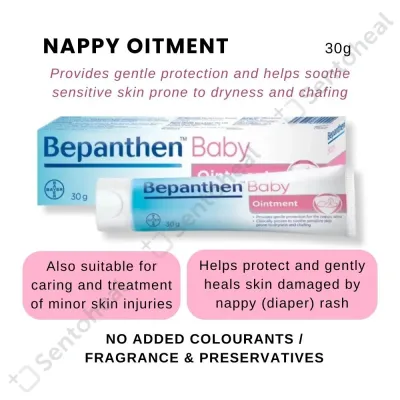
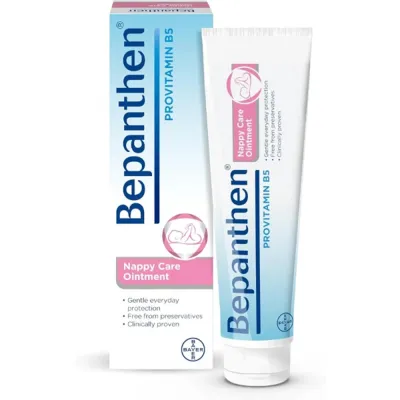
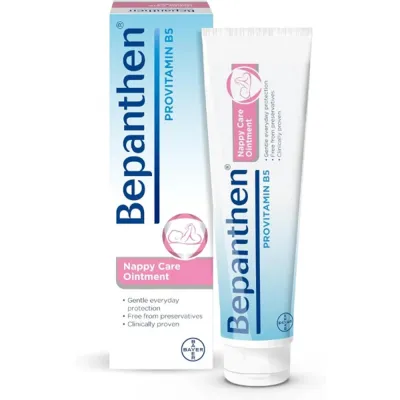
Prices are valid at publication and may change. Please refer to the product page for the latest price.
In contrast, Bepanthen Cream is a water-based emulsion. It has a much lighter, smoother texture that spreads easily and absorbs rapidly into the skin without leaving a heavy, sticky residue. Because it is water-based, it allows the skin to breathe more freely, making it feel less occlusive and more comfortable for general use. The cream is designed to deliver hydration directly to the upper layers of the skin, soothing mild dryness without forming a thick, waterproof shield.
Both formulations leverage the properties of dexpanthenol (pro-vitamin B5), an active ingredient central to the Bepanthen and Bepanthol derma-care lines. When applied to the skin, dexpanthenol is converted into pantothenic acid, a component that supports the skin’s natural regeneration and repair processes. It helps maintain skin elasticity, hydration, and barrier function. While both products contain this ingredient, the way they deliver it differs: the ointment holds it against the skin under a protective lipid layer, while the cream delivers it quickly through rapid absorption.
Additionally, the choice of formulation affects the ease of cleaning during subsequent diaper changes. Removing a thick ointment requires gentle wiping to avoid irritating the skin further, whereas a cream washes off or absorbs completely, leaving less residue to clean. This is a practical consideration for parents who want to minimize friction on already sensitive skin.
When to Choose Bepanthen Ointment for Active Rash
When your baby is dealing with an active, visible, or severe diaper rash, Bepanthen Ointment is typically the more appropriate choice. An active rash means the skin barrier is compromised, inflamed, and highly sensitive to the acidic nature of urine and digestive enzymes present in stools. The thick, petrolatum-based ointment acts as a robust protective shield, physically separating the irritated skin from these harsh external triggers. This barrier is essential for giving the inflamed skin the undisturbed environment it needs to heal.

Overnight protection is another critical scenario where the ointment excels. During the night, babies go for longer stretches without a diaper change, meaning their skin is exposed to wetness for extended periods. Applying a generous layer of Bepanthen Ointment before bedtime ensures that a resilient moisture barrier remains intact throughout the night, shielding the skin even when the diaper becomes saturated. This long-lasting protection is particularly valuable for babies prone to waking up with morning redness.
For very dry, chafed, or highly irritated skin, the ointment’s occlusive nature helps lock in moisture and soften rough patches. The heavy lipid layer prevents transepidermal water loss, which is crucial for restoring dry, cracked skin. However, caregivers must always check the specific product packaging and labels to verify age suitability and usage instructions, as formulations can vary by region. If the baby’s skin is broken, weeping, bleeding, or showing signs of infection—such as pus, extreme swelling, or a fever—discontinue use immediately and consult a pediatrician or qualified healthcare professional.
Friction from diapers can also exacerbate an active rash, especially during active play or when the diaper fits snugly. The ointment provides a lubricating layer that reduces this friction, acting as a buffer between the diaper material and the skin. This protective glide is highly beneficial during flare-ups when every movement can cause discomfort.
When to Choose Bepanthen Cream for Daily Prevention
For daily prevention and routine skin maintenance, Bepanthen Cream is often the more practical and comfortable option. During the day, diaper changes are frequent, and the primary goal is to maintain skin hydration and prevent friction rather than treat severe inflammation. The cream’s light, non-greasy texture allows for quick and effortless application during these routine changes, providing a light layer of hydration that keeps the skin soft and resilient against diaper edges.
The fast absorption rate of the cream is highly beneficial for active, moving babies. Older infants and toddlers who are constantly crawling, rolling, or walking do not tolerate sitting still for long application processes. Because the cream absorbs almost instantly, caregivers can dress the baby immediately without worrying about the product rubbing off onto clothing or diaper liners. This ease of use makes daytime diapering routines smoother and less messy.
In warm and humid climates, such as Singapore’s year-round tropical weather, heavy ointments can sometimes trap excess heat and sweat against the skin, potentially leading to heat rash or clogged pores in the diaper area. Bepanthen Cream offers a breathable alternative that hydrates the skin without creating a suffocating layer. It is ideal for managing mild redness or early signs of friction before a full diaper rash has the chance to develop, keeping the skin comfortable in air-conditioned rooms and outdoor environments alike.
Using a cream daily also helps maintain the skin’s natural acid mantle without overloading it with heavy lipids. This preventative approach ensures that the skin remains supple and strong, making it less susceptible to breakdown when exposed to wetness.
Bepanthen Ointment vs. Cream: Feature Comparison
To help you decide which formulation to use at any given moment, it is helpful to compare their key attributes side by side. The table below outlines the primary differences in texture, application, and suitability to guide your daily diapering decisions.
| Feature | Bepanthen Ointment | Bepanthen Cream |
|---|---|---|
| Texture & Base | Thick, greasy, petrolatum-based | Light, smooth, water-based emulsion |
| Primary Use Case | Treating active, severe, or chafed rash | Daily prevention and mild friction relief |
| Absorption Speed | Very slow; leaves a visible protective layer | Fast; absorbs quickly into the skin |
| Ideal Time of Day | Overnight or during long intervals | Daytime and frequent diaper changes |
| Climate Suitability | Best in air-conditioned or cooler settings | Ideal for warm, humid, or tropical weather |
| Skin Barrier Effect | High occlusion (waterproof shield) | Low occlusion (breathable hydration) |
Please note that exact formulations, ingredient lists, and regional naming conventions can vary depending on where the product was purchased. For example, some regions may market these products under the Bepanthol brand or use slightly different descriptors on the packaging. Always verify the specific product labels, age recommendations, and manufacturer instructions on your physical packaging before applying any product to your baby’s skin.
Application Tips and Safety Checks for Baby Care
Regardless of which formulation you choose, proper application technique is essential to ensure the product works effectively and does not inadvertently worsen skin irritation. The most critical step in diaper rash care is ensuring the baby’s skin is thoroughly cleaned and completely dry before applying any barrier product. Applying an ointment or cream over damp skin can trap moisture underneath the barrier layer, creating a breeding ground for bacteria and yeast, which can intensify the rash. Gently pat the skin dry with a clean, soft towel or let it air-dry for a few minutes before application.
When applying Bepanthen Ointment, caregivers should use a thick, visible layer over the affected areas. Think of it as frosting a cake; the goal is to create a continuous, protective shield that prevents urine and stool from contacting the skin. For Bepanthen Cream, the approach is different: apply a thin layer and gently massage it into the skin until it is absorbed. Because the cream is designed to hydrate and soothe, a heavy layer is unnecessary and may prevent the skin from breathing.
When cleansing the diaper area, avoid harsh wipes containing alcohol or strong fragrances, as these can cause a stinging sensation on irritated skin. Instead, opt for lukewarm water and soft cotton pads, or water-based wipes. Allowing your baby to have some diaper-free time to air-dry completely before applying any product is also highly beneficial for skin recovery.
Parents must monitor the diaper area closely and know when to seek professional medical advice. While mild diaper rash often resolves with consistent care, certain symptoms require a doctor’s evaluation. Discontinue use and consult a pediatrician if the rash worsens, spreads to other areas of the body, develops blisters, pimples, or pus-filled sores, or if the baby develops a fever. Additionally, if the rash does not show noticeable improvement within a few days of consistent application, a professional assessment is necessary to rule out yeast infections or other underlying skin conditions.
Frequently Asked Questions (FAQ)
Can I use Bepanthen Ointment and Cream together?
Yes, you can use both products as part of a coordinated diaper care routine, but they should not be layered directly on top of each other at the same time. Layering them simultaneously can overload the skin, clog pores, and prevent the cream from absorbing properly. Instead, a highly effective strategy is to alternate their use based on the time of day and your baby’s activity level. For example, you can apply the lightweight Bepanthen Cream during daytime diaper changes to keep the skin hydrated and breathable, and then switch to the thicker Bepanthen Ointment at bedtime to provide a heavy-duty moisture barrier for the overnight hours.
Is Bepanthen safe for newborns?
Many Bepanthen formulations are designed to be gentle enough for newborn skin, but parents must always verify the specific product label and packaging for age-suitability guidelines before use. Newborn skin is exceptionally thin, delicate, and highly permeable, making it more sensitive to topical applications. When using any product on a newborn, avoid applying it on or near the umbilical cord stump until it has completely healed and fallen off. For premature infants or babies with extremely sensitive skin or pre-existing medical conditions, it is highly recommended to consult a pediatrician before introducing any new skincare or diapering products.
How long does it take to see improvement?
For mild diaper rash or minor redness, you may begin to see visible improvement within twenty-four to forty-eight hours of consistent application and proper diaper hygiene. However, the exact healing time depends on the severity of the irritation, the baby’s skin type, and how frequently diaper changes occur. If the diaper rash does not show signs of improvement within three to four days, or if the redness intensifies and spreads, you should stop using the product and consult a healthcare professional. A persistent rash may indicate a fungal or bacterial infection that requires targeted prescription treatment rather than a standard barrier cream or ointment.

Community discussion
Share your experience or ask a question. Comments are reviewed before publication.