
Choosing between a belly support band and a pregnancy pillow depends entirely on when and where you experience the most discomfort. If your primary struggle is lower back or pelvic strain while walking, working, or doing chores during the day, a wearable belly band is typically the better choice. If your main issue is finding a comfortable sleep position, hip pain at night, or needing full-body alignment while resting, a pregnancy pillow will serve you better. Many individuals eventually use both to cover their active and resting hours.
Identify Your Primary Pregnancy Discomfort
As your pregnancy progresses, your body undergoes rapid physical changes to accommodate your growing baby. A growing pregnant belly naturally shifts your center of gravity forward, which places additional stress on your musculoskeletal system. This shift affects your body differently depending on whether you are moving around or trying to rest. Understanding exactly when and where you feel this strain is the first step in selecting the right support product.
During the day, active movement requires your core and lower back muscles to work harder to keep you upright. This often manifests as a dull ache in the lower back, pressure in the pelvic floor, or a pulling sensation in the lower abdomen. If these symptoms worsen while you are standing, walking, or performing daily household tasks, your body is signaling a need for active, dynamic support that moves with you.
Products mentioned in this guide


Prices are valid at publication and may change. Please refer to the product page for the latest price.
Conversely, nighttime discomfort presents an entirely different set of challenges. When you lie down, gravity pulls the weight of your pregnant belly sideways, which can twist your spine and put uneven pressure on your hips. This often leads to restless tossing and turning, hip soreness, and difficulty maintaining a safe side-sleeping position. If your primary struggle is getting a good night’s rest or finding a comfortable position on the sofa, your needs lean toward static, cushioning support.
To make an informed decision, try tracking your physical symptoms for a few days. Note down the specific times of day you feel the most fatigue or pain, and identify which activities trigger these sensations. If your discomfort is concentrated during your active hours, a wearable solution is likely your best starting point. If your aches peak during rest or sleep, prioritizing a dedicated sleep aid will bring more immediate relief.
Belly Bands: Active Support for Your Daily Routine
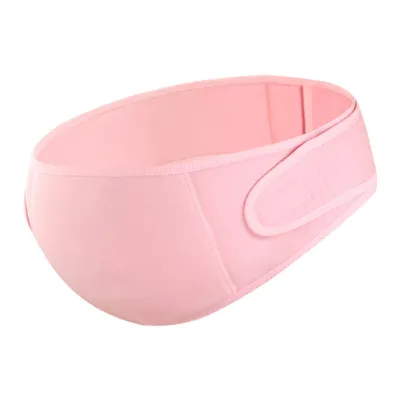
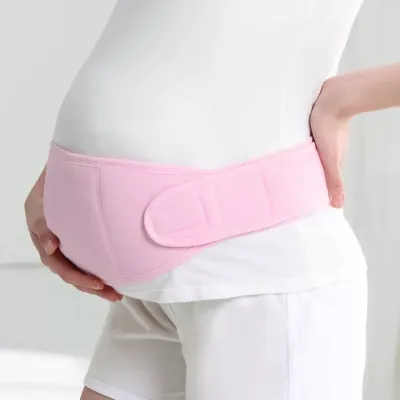
A maternity belly band is a wearable, flexible support garment designed to wrap around your lower abdomen and lower back. The primary mechanism of a belly band is to provide gentle upward lift to your growing pregnant belly. By redistributing the weight of the abdomen more evenly across your hips and spine, the band helps reduce the downward pull that strains your lower back muscles and pelvic ligaments.

These bands are highly valued for their portability and low profile. Because they are worn directly on the body, either over or under your clothing, they allow you to go about your daily routine without restriction. Whether you are commuting to work, walking through the grocery store, or managing household chores, a belly band provides continuous, hands-free support that adapts to your movements.
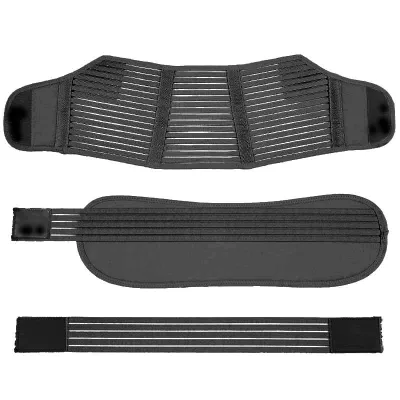
When choosing a belly band, adjustability is key to accommodating your changing shape. Most designs utilize hook-and-loop fasteners or stretchable fabrics that allow you to customize the level of compression and support. It is essential to select a band made from breathable, moisture-wicking materials, especially in warm climates, to prevent skin irritation and overheating during active wear.
While belly bands offer excellent relief, they are not intended for continuous, 24-hour use. Caregivers and manufacturers generally recommend limiting wear to a few hours at a time to prevent your core muscles from becoming overly reliant on external support. Always check the specific manufacturer guidelines for proper fit, correct positioning, and recommended wear duration to ensure you do not inadvertently restrict circulation or digestion.
Pregnancy Pillows: Rest and Sleep Alignment
A pregnancy pillow is a specialized bedding accessory designed to support the unique contours of a changing body during rest. Unlike standard pillows, these products are engineered to provide simultaneous support to multiple areas, including the head, neck, back, growing belly, and knees. By filling the physical gaps between your body and the mattress, a pregnancy pillow helps maintain proper spinal alignment while you rest on your side.
These pillows come in several distinct shapes to target different needs. Full-body U-shaped pillows offer symmetrical support on both sides, making them ideal for those who turn frequently during the night. C-shaped pillows provide wrap-around support for the back and belly, while smaller wedge pillows offer targeted elevation for just the abdomen or lower back. Choosing the right shape depends on your personal sleeping habits and the size of your bed.
One major consideration when choosing a pregnancy pillow is the physical space it requires. Larger U-shaped and C-shaped models can take up a significant portion of a standard mattress, which may impact your sleeping partner or limit your ability to move freely. Additionally, these pillows are bulky and designed strictly for stationary use, meaning they cannot provide support when you are away from your bed or sofa.
To maintain hygiene throughout your pregnancy, pay close attention to the construction and care instructions of any pillow you consider. Look for models with removable, machine-washable covers made from breathable fabrics like cotton or bamboo. Ensuring the inner filling is hypoallergenic and resistant to clumping will help preserve both the cleanliness and the supportive structure of the pillow over months of nightly use.
Compare Key Factors: Timing, Portability, and Daily Use
To help you visualize how these two support options fit into your daily life, it is helpful to compare their core characteristics side by side. Each product serves a distinct purpose, and understanding these differences will help you allocate your budget effectively.
| Feature | Belly Support Band | Pregnancy Pillow |
|---|---|---|
| Primary Target Area | Lower back, pelvis, and lower abdomen | Hips, spine, knees, and full-body alignment |
| Best Time to Use | Daytime, walking, standing, and active chores | Nighttime, sleeping, lounging, and resting |
| Portability | Highly portable; worn discreetly under or over clothes | Stationary; designed for bed or sofa use |
| Primary Benefit | Reduces physical strain during movement | Promotes comfortable, aligned side-sleeping |
| Typical Start Window | When the belly begins to pull forward | When side-sleeping becomes uncomfortable |
The timing for introducing these products depends largely on your individual physical changes rather than a strict calendar week. Many individuals find that they start looking for a belly band during the second trimester, as the rapid growth of the pregnant belly begins to alter their posture and balance. A pregnancy pillow, on the other hand, is often introduced whenever side-sleeping begins to feel awkward or when hip pressure makes it difficult to fall asleep.
As your pregnancy progresses, your physical needs will naturally evolve. While you might start by using only one of these products to address a specific issue, you may find that incorporating both provides the most comprehensive comfort. Using a belly band to stay active during the day and transitioning to a pregnancy pillow for restorative sleep at night is a common strategy for managing late-pregnancy fatigue.
How to Decide: Match Support to Your Lifestyle
To determine which product is the right starting point for you, evaluate your daily routine, work environment, and specific physical challenges. Matching the support type to your lifestyle ensures you get the most practical value out of your purchase.
Choose a belly band if:
- Your daily routine involves significant standing, walking, or physical activity.
- You experience lower back fatigue or pelvic pressure during working hours.
- You want a discreet support option that fits easily under your professional or casual wardrobe.
- You are looking for a product that can transition into a postpartum recovery wrap to support your abdominal muscles after delivery.
Choose a pregnancy pillow if:
- Your primary discomfort occurs when you are lying down or trying to sleep.
- You struggle to stay comfortably positioned on your side throughout the night.
- You experience hip soreness or knee pain due to a lack of alignment while resting.
- You need a versatile cushion that can also be used to elevate your upper body to help manage pregnancy-related acid reflux.
Verify first if:
- The belly band has adjustable straps that allow you to loosen or tighten the fit as your belly grows.
- The pregnancy pillow's dimensions will fit comfortably on your mattress without overcrowding the bed.
- The materials of both products are breathable and suitable for your local climate to prevent overheating.
- The retailer offers a flexible return or exchange policy, as personal comfort is highly subjective and may require trying different styles.
Safety Checks and When to Stop Using Support Products
While maternity support products are excellent tools for improving daily comfort, they must be used mindfully to ensure safety. Always pay close attention to how your body responds when using a belly band or a pregnancy pillow. If you experience any adverse physical sensations, it is important to take immediate action.
Stop using a belly band immediately if you observe warning signs such as numbness in your legs, restricted breathing, skin irritation, localized itching, or an increase in pelvic pain. These symptoms often indicate that the band is wrapped too tightly, positioned incorrectly, or worn for too long. Adjust the fit according to the manufacturer’s instructions, and if the discomfort persists, discontinue use entirely.
It is crucial to remember that maternity support garments and pillows are comfort aids, not medical treatments. They cannot cure underlying medical conditions or replace professional healthcare. If you experience severe or persistent pain, regular contractions, vaginal bleeding, or sudden swelling in your hands and face, do not rely on support products; instead, seek immediate medical evaluation from your healthcare provider.
Before purchasing or using any compression garments, consult your obstetrician or midwife, especially if you have a history of high blood pressure, circulatory issues, or gestational complications. Your healthcare provider can offer personalized guidance on the safest way to support your body throughout your pregnancy journey.
Frequently Asked Questions (FAQ)
Can I wear a belly band while sitting?
While you can wear a belly band while sitting, it may require adjustment to remain comfortable. When you transition from standing to sitting, the angle of your hips changes, which can cause the band to bunch up, dig into your ribs, or apply excess pressure to your lower abdomen. If you plan to sit for extended periods, such as at an office desk, it is best to loosen the fasteners or temporarily remove the band. Always refer to the manufacturer’s instructions for specific guidelines on seated wear.
Do I need a dedicated pregnancy pillow or can I use regular pillows?
You do not strictly need a dedicated pregnancy pillow, as regular household pillows can be arranged to support your belly, back, and knees. However, standard pillows tend to shift and slide apart during the night, requiring you to constantly readjust them whenever you turn over. Dedicated pregnancy pillows are ergonomically contoured to stay in place and provide continuous, integrated support. If you are on a tight budget or have limited bed space, starting with regular pillows is a practical way to test your support needs before investing in a specialized product.
Community discussion
Share your experience or ask a question. Comments are reviewed before publication.