
Choosing the right pregnancy support garment can make a significant difference in your daily comfort as your body changes. As your baby grows, your center of gravity shifts forward, placing extra strain on your lower back, pelvis, and abdominal muscles. Navigating the options—belly bands, support belts, and full panel garments—requires understanding how each type addresses specific trimesters, activity levels, and physical symptoms. Selecting the appropriate style ensures you receive the right level of relief without restricting your natural movement or causing unnecessary discomfort.
Quick Diagnostic: Match Your Symptoms to the Right Pregnancy Support
To find the right pregnancy support, start by assessing your current trimester and the specific physical signals your body is sending. If you are experiencing mild abdominal stretching or simply want to extend the life of your pre-pregnancy wardrobe, a lightweight belly band is often the most practical choice. If you are dealing with sharp pelvic pain, lower back strain, or sacroiliac joint instability, a structured, adjustable support belt provides the targeted physical lift you need. If you feel a heavy, generalized downward pull across your entire abdomen or prefer comprehensive coverage that distributes weight across your upper body, a full panel garment is highly effective.
It is crucial to remember that maternity support garments are designed to manage daily discomfort and improve posture, not to treat underlying medical conditions. Always consult your obstetrician, gynecologist, or a women’s health physiotherapist if you experience severe, sudden, or worsening pain before relying on any over-the-counter support wear. A professional evaluation ensures that your symptoms are not a sign of a more serious obstetric or musculoskeletal issue.
Products mentioned in this guide
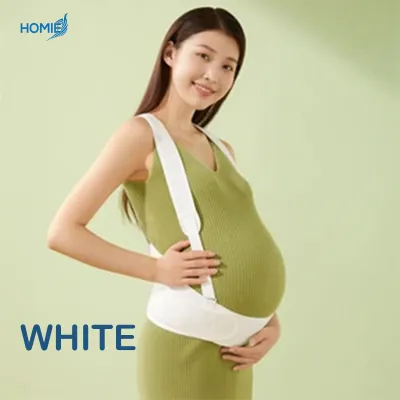
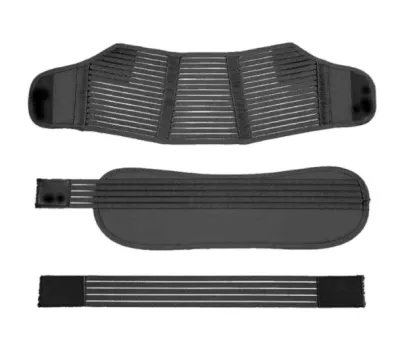
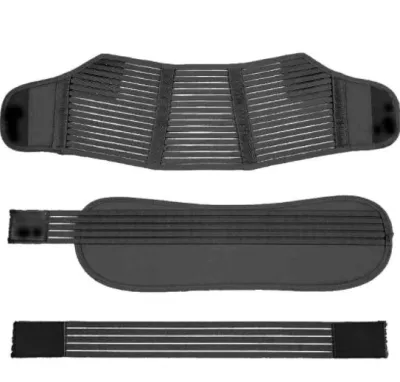
Prices are valid at publication and may change. Please refer to the product page for the latest price.
Belly Band vs. Support Belt vs. Full Panel: Key Differences
Understanding the structural differences, coverage areas, and primary use cases of these three main categories of maternity support is essential for making an informed decision. While they all aim to improve comfort, their designs range from simple, highly flexible fabric tubes to complex, multi-strap mechanical systems.

Belly Bands: Light Compression and Layering
Belly bands are seamless, stretchy, tube-like garments typically made from a blend of nylon and elastane. They slip over your head or hips to cover your abdomen, providing mild, uniform compression. Because of their highly flexible nature, they are exceptionally comfortable for daily wear during early to mid-pregnancy. Their primary function is to bridge the gap when your pre-pregnancy pants no longer button but standard maternity wear is still too large, effectively holding your unbuttoned trousers securely in place. They also offer a smooth layer under thin clothing and help prevent skin chafing as your belly expands.
However, belly bands have distinct limitations. Because they lack rigid or semi-rigid structural components, they do not provide the mechanical lift required to support a heavy, late-trimester abdomen. If you are seeking significant relief from severe lower back strain or need to stabilize shifting pelvic joints, a simple fabric belly band will not offer sufficient support.
Support Belts: Targeted Pelvic and Back Relief
Support belts are highly structured, adjustable garments designed specifically for active pain relief and physical stabilization. Typically made from heavy-duty elastic, canvas, or mesh materials, these belts feature adjustable Velcro straps that allow you to customize the level of compression and support. They are designed to sit low on your hips, running underneath your belly to physically lift the abdomen upward and backward toward your spine. This lifting action directly reduces the downward pull on your pelvis and stabilizes the sacroiliac joints.
These belts are the ideal choice for individuals in their second or third trimesters who remain highly active, stand for long periods, or experience specific joint and ligament pain. By transferring some of the abdominal weight to your hips and lower back, they help maintain proper spinal alignment and reduce muscle fatigue. Because they are highly adjustable, you can easily loosen or tighten them as you transition between sitting, standing, and walking throughout the day.
Full Panel Garments: Comprehensive Abdominal Coverage
Full panel garments offer comprehensive, all-over abdominal coverage by integrating supportive zones directly into everyday maternity wear, such as high-waisted leggings, supportive camisoles, or tank tops. Unlike narrow belts that focus pressure on a specific area, these garments cover your entire torso from the pubic bone up to the chest. They feature engineered compression panels that are tighter under the belly and across the lower back, while remaining highly stretchable over the center of the abdomen to accommodate growth.
This design distributes the weight of your pregnancy upward toward your shoulders and upper back, rather than concentrating the load on your lower spine or pelvis. Full panel options are particularly beneficial during the third trimester, for individuals carrying multiples, or for anyone who finds the localized pressure of a narrow support belt uncomfortable or restrictive. They provide a smooth, streamlined silhouette under clothing while offering gentle, continuous support for your entire torso.
Targeting Specific Discomforts: Pelvic Pain, Back Strain, and Ligament Stretching
Matching your specific physical symptoms to the correct garment design is the most effective way to find relief. Different pregnancy-related pains stem from distinct anatomical changes, meaning a garment that relieves one issue might be ineffective for another.
Round Ligament Pain Round ligament pain typically presents as sharp, sudden, or stabbing sensations on one or both sides of the lower abdomen. This discomfort is caused by the rapid stretching of the ligaments that anchor your uterus to your pelvis, often triggered by sudden movements like standing up, coughing, or rolling over in bed. To manage this, a lightweight belly band or a targeted support belt can be highly effective. By gently stabilizing the abdomen and limiting the sudden, jarring shifts of the uterus during movement, these garments minimize the sudden stretching of the round ligaments, reducing the frequency and intensity of these sharp pains.
Symphysis Pubis Dysfunction (SPD) and Pelvic Girdle Pain (PGP) During pregnancy, your body releases hormones like relaxin, which soften your ligaments to prepare your pelvis for childbirth. This increased joint laxity can cause the pelvic joints to move unevenly, leading to severe pain in the pubic bone, hips, or groin—conditions known as Symphysis Pubis Dysfunction (SPD) or Pelvic Girdle Pain (PGP). For these issues, a structured, narrow support belt is highly recommended. The belt must be positioned low around the pelvis, acting as an external binder that compresses and stabilizes the pelvic ring. This stabilization keeps the joints aligned, significantly reducing pain when walking, standing on one leg, or climbing stairs.
Lower Back Strain and Heavy Belly Feeling As your pregnancy progresses into the third trimester, the forward weight of your growing belly pulls your pelvis forward, exaggerating the curve of your lower spine—a posture known as lordosis. This shift forces your lower back muscles to work constantly to keep you upright, leading to chronic muscle fatigue and strain. To alleviate this heavy belly feeling, full panel garments or wide, dual-strap support belts are the most effective options. These designs lift the abdomen and redistribute the weight across your upper back and shoulders, encouraging a more neutral spinal alignment and giving your tired lower back muscles a chance to rest.
Climate and Comfort Considerations When selecting a pregnancy support garment, it is essential to consider your local environment, particularly if you live in a hot and humid climate like Singapore’s. Wearing thick, non-breathable layers close to your skin can quickly lead to overheating, excessive sweating, heat rash, and skin irritation. To prevent these issues, prioritize garments made from highly breathable, moisture-wicking fabrics. Look for materials such as bamboo-derived viscose, lightweight cotton blends, or specialized open-weave mesh panels that promote airflow. Ensure that any Velcro closures or structural seams are fully lined or worn over a thin base layer to prevent direct friction and chafing against sensitive skin.
When You Can Skip the Support Garment (And What to Do Instead)
While pregnancy support garments offer excellent relief for many, they are not a mandatory purchase for every expectant mother. If you are in your first trimester and your center of gravity has not yet shifted, or if you are progressing through your second and third trimesters without experiencing physical discomfort, back strain, or joint instability, you can safely skip these garments entirely. Your body’s natural core strength may be fully sufficient to support your pregnancy without external aid.
If you do choose to use support wear, it is vital to avoid unsafe alternatives. Never wear tight, non-maternity compression garments, standard shapewear, or restrictive waist trainers in an attempt to find support. These products are designed to compress and reshape the body, which can dangerously restrict blood flow to the uterus, interfere with your digestion, compress major blood vessels, and put unsafe pressure on your developing baby. Always use garments specifically engineered for maternity use.
For mild discomfort, there are several highly effective, non-garment comfort measures you can implement. Using a specialized maternity pillow during sleep can help maintain proper spinal and hip alignment overnight. Practicing gentle, doctor-approved prenatal yoga or pelvic floor exercises can help engage and strengthen your natural core muscles. Additionally, investing in supportive, cushioned footwear with good arch support can significantly reduce the impact on your joints, while paying conscious attention to maintaining proper posture while sitting and standing can alleviate minor daily strains.
How to Wear Maternity Support Safely and When to Stop
Using maternity support garments correctly is essential to ensure both your comfort and the safety of your baby. Always begin by reading the manufacturer’s instructions for your specific garment, as sizing, positioning, and fastening methods vary widely between brands.
The Fit Check To ensure your garment is fitted correctly, always apply the “two-finger rule.” Once the band, belt, or panel is secured, you should be able to slide two fingers comfortably between the fabric and your skin. The garment should provide a gentle, upward lift and a feeling of secure support. It must never feel tight enough to compress your uterus, restrict your breathing, leave deep, red indentations on your skin, or cause physical discomfort. If you feel any squeezing or restriction, loosen the garment immediately.
Duration Limits Avoid wearing structured support belts continuously throughout the day or while sleeping. Overusing these garments can lead to core muscle dependency, where your abdominal and back muscles begin to rely on the external support rather than working to support your body naturally. To maintain your natural strength, limit the use of structured belts to active periods—such as walking, standing, working, or exercising—and aim to wear them for no more than three to four hours at a time. Take regular breaks when sitting or resting to allow your muscles to engage and your skin to breathe.
Red Flags Pay close attention to your body’s signals while wearing any support garment. Immediately remove the garment and consult a qualified healthcare professional if you experience any of the following warning signs: numbness, tingling, or a “pins and needles” sensation in your legs or pelvic area; restricted or shallow breathing; a noticeable decrease in fetal movement; an exacerbation of heartburn or acid reflux; or any sudden, sharp, or worsening pain.
Frequently Asked Questions (FAQ)
Can I wear a pregnancy support belt while sleeping?
No, structured support belts should generally be removed before you go to sleep. Wearing a rigid or highly supportive belt while lying down can restrict your circulation, compress major blood vessels, and limit your breathing as your body relaxes. Instead of a belt, use a specialized pregnancy pillow placed under your belly and between your knees to help align your hips and spine comfortably during rest.
Will wearing a support belt weaken my abdominal muscles?
Wearing a support belt for a few hours a day during active periods, such as walking, working, or exercising, will not cause muscle weakness or atrophy. However, relying on it constantly can lead to muscle dependency. To maintain your natural core strength, use the belt selectively during physically demanding tasks and continue practicing safe, doctor-approved prenatal core and pelvic floor exercises to keep your muscles naturally engaged.
Community discussion
Share your experience or ask a question. Comments are reviewed before publication.