
A reliable belly band can make a significant difference in your daily comfort during pregnancy, but finding the right one requires looking past generic sizing and marketing claims. In Singapore’s hot and humid climate, your primary focus should be on highly breathable, moisture-wicking fabrics and adjustable compression that can adapt to your changing body. Always measure your current abdominal circumference and compare it directly to the manufacturer’s specific sizing chart rather than relying on your pre-pregnancy clothing size. If you experience severe pelvic girdle pain, persistent lower back issues, or any high-risk pregnancy complications, consult your obstetrician or a prenatal physiotherapist before purchasing or wearing a support garment.
Understanding Maternity Support and When to Use It
Selecting the right type of maternity support depends heavily on your current pregnancy stage, your daily activity levels, and the specific physical sensations you are experiencing. Maternity support garments generally fall into two distinct categories, each designed for different needs.
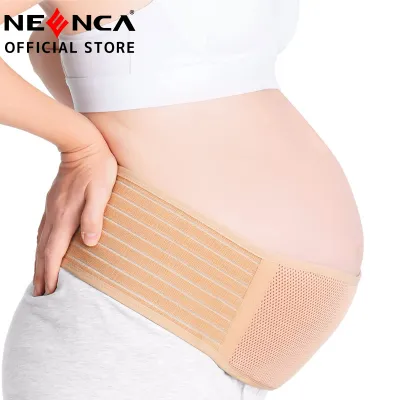
Lightweight belly bands are typically seamless, tube-like elastic garments. They are highly suitable for early to mid-pregnancy, offering mild, all-over abdominal coverage. These bands are excellent for layering over unbuttoned pre-pregnancy pants to extend your wardrobe, providing a smooth silhouette under clothing, and offering gentle, non-restrictive support during light daily movements.
Products mentioned in this guide
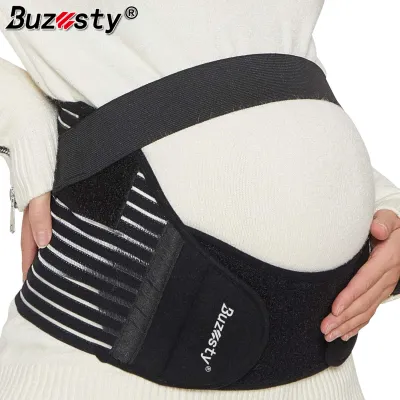
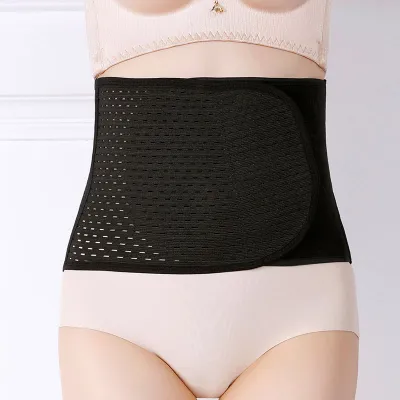
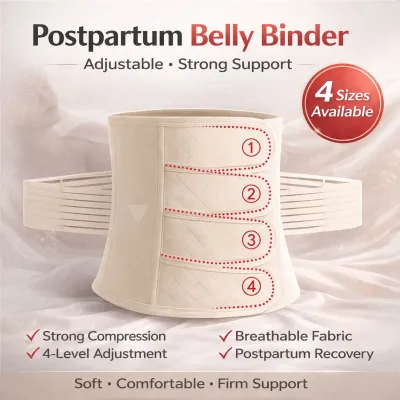
![[SG Stock] Postpartum Belly Wrap Belly Shrink Abdominal Belt Waist Girdle Shaping After C-section and Natural Birth](https://img.lazcdn.com/g/p/3644ab55af001075d9ec5bb10bc45a9d.jpg_400x400q80.jpg_.webp)
Prices are valid at publication and may change. Please refer to the product page for the latest price.
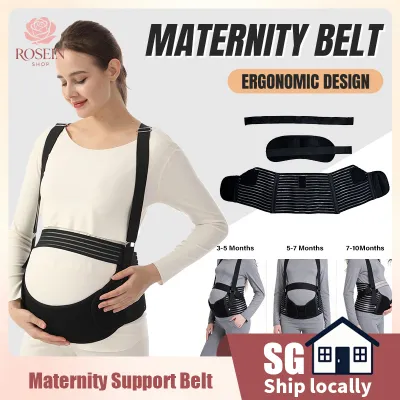
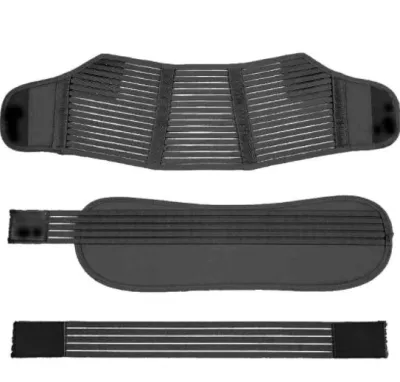
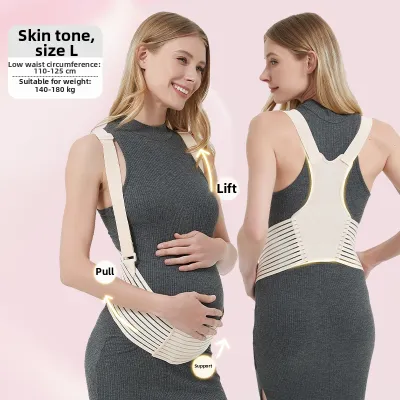
Heavy-duty support belts, by contrast, feature multi-strap systems, rigid or semi-rigid lumbar supports, and adjustable tension straps. These are engineered for the late second and third trimesters, when the physical weight of the baby increases significantly. They are designed to address targeted pelvic girdle pain, symphysis pubis dysfunction, or severe lower back strain by redistributing weight more evenly across your hips and pelvis.
Paying attention to your body’s physical signals will help you determine when to start wearing support. Common indicators include a dull ache in the lower back after standing for short periods, a heavy pulling sensation in the lower abdomen, pelvic joint instability while walking, or difficulty maintaining proper posture as your center of gravity shifts forward.
While these garments are highly effective at managing temporary physical discomfort and helping you maintain better posture during daily activities, they are not medical treatments. They cannot cure underlying musculoskeletal conditions, nor should they be used as a substitute for targeted prenatal physical therapy or medical advice from your healthcare provider.
Essential Features to Evaluate for Comfort and Support
To find a belly band that delivers genuine relief without causing discomfort, you must evaluate several key design elements and material specifications before making a purchase.

Material and Breathability
Singapore’s tropical climate demands careful material selection to prevent skin issues. Look for blends containing lightweight nylon, elastane, or bamboo-derived viscose, which offer excellent stretch and recovery while remaining soft against the skin. Avoid thick, non-porous synthetic materials that trap heat and sweat, as these can quickly lead to heat rash or friction-induced skin irritation. High-quality bands often feature integrated mesh panels, micro-perforations, and seamless edges to maximize airflow and minimize friction under your clothes.
Adjustability and Closure Types
How a band secures around your body affects both its usability and its longevity. Consider these common closure styles:
- Hook-and-loop fasteners: These offer the highest level of customization, allowing you to tighten or loosen the band throughout the day as your body shape changes or as you transition between sitting and standing. Ensure the hook-and-loop material is high-quality and soft-edged so it does not scratch your skin or snag your clothing.
- Silicone grips: Often found on the inner hems of pull-on bands, these thin silicone strips help prevent the fabric from rolling up or sliding down as you move. If you have highly sensitive skin, verify if you have any sensitivity to silicone before choosing this style.
- Pull-on designs: These provide gentle, continuous compression without bulky closures, making them virtually invisible under fitted clothing, though they offer less targeted support for severe back strain.
Compression Levels
Different bands offer varying levels of compression. For targeted lumbar support, look for bands with reinforced back panels or flexible plastic boning that helps distribute abdominal weight across your lower back and hips. For general abdominal lifting, choose bands designed with upward-angled elastic panels that gently lift the belly from underneath, which can help relieve pressure on your bladder and pelvic floor.
Care Instructions
Because you will likely wear your support band daily, maintaining hygiene is paramount. Check the manufacturer’s care label to ensure the materials can withstand frequent washing. While hand-washing and air-drying are generally recommended to preserve elastic fibers, some modern bands are machine-washable on a delicate cycle inside a mesh laundry bag. Avoid high heat, bleach, and fabric softeners, as these rapidly degrade elastane and reduce the band’s supportive tension over time.
Navigating Maternity Brands and Retailers in Singapore
Finding a reliable belly band involves knowing where to shop and how to evaluate the authenticity and quality of the products available in the local market.
Specialized maternity boutiques in Singapore offer the distinct advantage of physical fittings. Visiting a store allows you to try on different styles, feel the weight of the fabrics, and receive personalized guidance from trained staff who understand prenatal anatomy. Purchasing from official brand stores, whether physical or online, ensures you receive authentic products backed by genuine manufacturer warranties. While general online marketplaces and e-commerce platforms offer convenience and competitive pricing, they require extra vigilance to avoid counterfeit goods or low-quality imitations that lack proper support structures.
Because maternity support garments are classified as intimate wear or personal hygiene items, many retailers enforce strict return and exchange policies. Before purchasing, verify if the retailer allows exchanges for sizing issues. Look closely at their terms regarding intact hygiene seals, original packaging, and potential restocking fees. Some physical boutiques allow exchanges within a specific window, such as 7 to 14 days, provided the item is completely unworn, unwashed, and retains all original tags.
When shopping online, use a simple checklist to verify product quality. First, ensure the seller is an authorized distributor or the official flagship store of the brand. Second, read verified customer reviews specifically from buyers in Singapore; look for feedback on how the band performs in local humidity, whether the sizing runs small, and how well the elasticity holds up after multiple washes. Finally, avoid listings that lack clear material specifications or detailed, high-resolution images of the closures and seams.
Sizing, Fit, and Safety Guidelines for Daily Use
Using a maternity support band safely requires accurate measurements, proper positioning, and a clear understanding of when to take breaks.
To find your correct size, do not guess based on your pre-pregnancy dress size or your current maternity clothing. Your body changes rapidly during pregnancy, and sizing standards vary significantly between different manufacturers. Use a flexible measuring tape to measure the circumference of your lower back and the fullest part of your abdomen, usually just below the belly button. Some brands may also require an under-bust or hip measurement. Always take these measurements while standing naturally, without pulling the tape too tight or holding your breath. Compare your numbers directly to the brand’s specific sizing chart; if you fall between two sizes, it is generally safer to choose the larger size to accommodate future growth.
When wearing the band, position it low on your hips, cradling the underside of your belly to lift it gently upward. The band should feel snug and supportive, but never tight or restrictive. You should be able to slide two fingers easily between the band and your skin, and you should be able to sit, breathe, and move comfortably without feeling restricted.
A belly band is an assistive tool, not a permanent structural replacement for your core muscles. Limit your wear time to 2 to 4 hours at a time, or use it primarily during periods of prolonged standing, walking, or physical activity. Avoid wearing a support band all day. Taking regular breaks allows your deep core and pelvic floor muscles to engage naturally, preventing muscle dependency and weakness. Additionally, excessive or continuous compression can restrict blood circulation, hinder digestion, and cause localized skin irritation.
Remove the band immediately and consult your healthcare professional if you experience any of the following warning signs:
- Numbness, tingling, or a "pins and needles" sensation in your legs, hips, or pelvic region.
- An increase in pelvic or lower back pain rather than relief.
- Shortness of breath, dizziness, or a feeling of restricted breathing.
- Skin redness, itching, rashes, or deep indentations left by the band's edges.
- Any sudden changes in fetal movement or abdominal cramping.
Frequently Asked Questions (FAQ)
Can I wear a belly band while sleeping or exercising?
Most manufacturers explicitly warn against wearing compression garments or structured support bands while sleeping. When you are lying down, gravity’s effect on your abdomen is minimized, reducing the need for external support. More importantly, wearing a tight band during sleep can restrict your natural breathing patterns, impede blood circulation, and interfere with digestion. For low-impact prenatal exercises like walking, prenatal yoga, or light strength training, a supportive band can be highly beneficial. However, you must check the specific product label to ensure it is rated for active use. Choose a highly breathable, flexible band that does not restrict your range of motion, and avoid high-intensity activities that cause excessive heat buildup under the band.
How do I clean and maintain the elasticity of the band?
To prolong the lifespan of your maternity support band and maintain its structural integrity, follow a strict care routine. Fasten all hook-and-loop closures completely before washing to prevent them from snagging the elastic fabric or other garments. Hand-wash the band in cold water using a mild, pH-neutral detergent designed for delicate fabrics. If you must use a washing machine, place the band inside a mesh laundry bag and select the gentlest cycle with cold water. Never use bleach, fabric softeners, or harsh stain removes, as these chemicals break down elastane fibers and ruin the band’s elasticity. Always air-dry the band flat on a drying rack in a well-ventilated indoor space, away from direct sunlight and heat sources like radiators or dryers, which can warp the elastic panels.
Will a belly band prevent stretch marks or diastasis recti?
It is important to manage expectations regarding what a belly band can achieve. Belly bands are designed to provide physical comfort, redistribute weight, and support your posture; they are not medical or dermatological preventative tools. Stretch marks are primarily determined by genetics, rapid weight gain, and skin elasticity, and wearing a supportive band will not prevent them from forming. Similarly, while a support band can reduce the physical strain on your abdominal wall, there is no clinical evidence proving that wearing one prevents diastasis recti, which is the separation of the abdominal muscles. If you are concerned about abdominal separation or want to safely rebuild your core strength, consult a specialized women’s health physiotherapist or your obstetrician for targeted prenatal exercises and personalized medical-grade support recommendations.
Community discussion
Share your experience or ask a question. Comments are reviewed before publication.