
In a compact Singapore nursery—where floor space in typical HDB flats or condominiums is at a premium—the best bedside hanging organizer is one that maximizes vertical storage without protruding into your walking paths. To find the ideal fit, you must prioritize a structured design that maintains its shape when loaded, features secure and adjustable mounting mechanisms compatible with your specific crib rails, and uses breathable, moisture-resistant materials suited for Singapore’s humid climate. By shifting diapers, wipes, and daily essentials off changing tables and onto the side of the crib, you free up valuable floor space while keeping necessities within arm’s reach during late-night changes.
Choosing the right organizer requires balancing accessibility with safety. A cluttered sleep environment can pose risks, so selecting a model that mounts flush against the exterior of the crib is essential. By focusing on structural integrity, secure fasteners, and a layout tailored to your specific storage needs, you can create an efficient, organized nursery setup that adapts as your baby grows.
Assessing Crib and Bed Rail Compatibility
Before purchasing any hanging organizer, you must carefully evaluate the architecture of your baby’s crib or sleep space. Nursery furniture comes in various designs, featuring round, flat, or wide slatted rails. You should measure the exact thickness and depth of these rails to ensure the organizer’s attachment mechanism—whether it relies on heavy-duty plastic hooks, adjustable buckle straps, or thick hook-and-loop fasteners—can wrap around securely without slipping or tilting. A loose attachment can cause the organizer to lean inward, creating an unstable storage setup.
Products mentioned in this guide
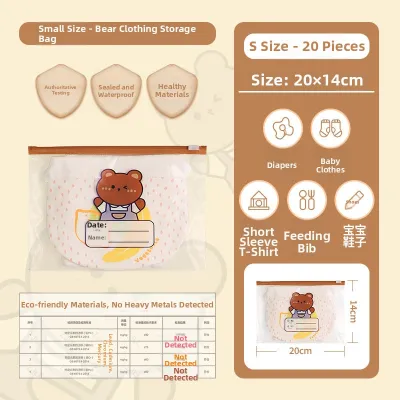
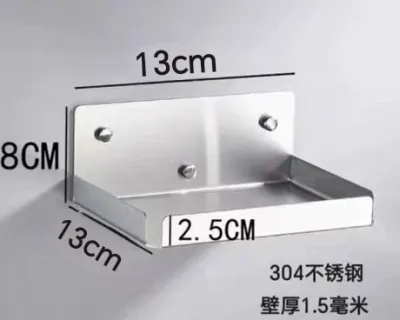
Prices are valid at publication and may change. Please refer to the product page for the latest price.
Safety must remain your primary concern when mounting any accessory to a sleep environment. Inspect the area between the crib mattress and the rail where the organizer hangs; there should be no gaps where small items could slip through or where fabric could bunch up, as these scenarios can present entrapment or suffocation risks. You must also verify the manufacturer’s instructions regarding compatibility with specific crib types. Many brands explicitly warn against attaching hanging organizers to drop-side cribs, adjustable bed bases, or flexible mesh-sided playards, as the weight of the organizer can interfere with the structural integrity or safety mechanisms of these products.
Additionally, consider the material of your crib rails. Smooth wooden or painted metal rails can be slippery, causing plastic hooks or basic straps to slide horizontally when the organizer is loaded unevenly. To prevent this, look for mounting straps equipped with non-slip rubber grips or adjustable buckles that can be tensioned tightly. Ensuring a static, immovable fit prevents the organizer from shifting when you are reaching for a diaper in the middle of the night.
Evaluating Storage Capacity and Pocket Layout
A well-designed pocket layout allows you to organize daily essentials systematically, reducing the time spent searching for items in the dark. Look for organizers that offer a balanced mix of deep main compartments and shallow, easily accessible slots. Deep pockets are ideal for holding bulkier items like diapers, full packs of wet wipes, and swaddle blankets, keeping them secure and upright. Conversely, shallow slots or mesh side pockets are perfect for small, frequently used accessories such as pacifiers, digital thermometers, and baby nail clippers, preventing them from getting lost at the bottom of a deep pouch.

In a small nursery, the physical footprint of the organizer is just as important as its internal capacity. You must check the protrusion depth of the unit when it is fully loaded to ensure it does not block narrow walkways or prevent nearby wardrobe doors and drawers from opening fully. An organizer that sticks out too far can easily be bumped into, potentially knocking items loose or causing discomfort as you navigate the room.
To prevent the organizer from becoming a sagging, unsightly mess, look for models built with reinforced stitching and integrated structural panels. High-quality organizers often feature removable plastic or cardboard inserts at the base of each shelf to distribute weight evenly. Without these structural supports, heavy packs of wipes or multiple diapers will cause the fabric to bow inward, collapsing the pockets and making it difficult to slide items in and out with one hand.
Material, Safety, and Maintenance Checks
Nursery storage solutions are highly susceptible to spills, diaper cream smudges, and dust, making material selection a critical factor for long-term hygiene. Prioritize fabrics that are easy to maintain, such as wipeable polyester, water-resistant nylon, or machine-washable cotton blends. Being able to quickly sanitize the surface with a damp cloth or toss the entire organizer into the washing machine saves valuable time and ensures a clean environment close to your baby’s sleeping area.
Safety inspections should extend to the physical construction of the organizer itself. Before installation, thoroughly check the unit for potential choking or strangulation hazards. Avoid designs with easily detachable decorative buttons, loose threads, or excessively long dangling straps that a growing, mobile baby could reach from inside the crib. Any fastening straps should be trimmed or tucked away securely out of the child’s reach.
Singapore’s tropical climate introduces unique challenges, particularly regarding high humidity levels. Materials that trap moisture can quickly become breeding grounds for mold, mildew, and musty odors. When selecting an organizer, verify that the fabrics are breathable and quick-drying. Regularly inspect the back of the organizer—the side resting directly against the crib wood or fabric—to ensure no moisture has accumulated, especially if the crib is positioned near an air conditioning unit or a window.
Measuring and Installation Best Practices
Achieving a secure and functional installation requires precise measurements of your nursery setup. Start by measuring the vertical clearance between the top of the crib rail and the floor, or the lower support bars of the crib. The hanging organizer should suspend freely without dragging on the floor or bunching up against the lower frame, which can compromise its stability and accumulate dust. Ensuring proper clearance also makes it easier to sweep or vacuum underneath the crib.
When mounting the organizer, follow a systematic tightening sequence to distribute the weight evenly across all attachment points. If the unit uses multiple straps, tighten them incrementally from the center outward, ensuring the organizer hangs perfectly level. An unevenly balanced caddy will tilt, causing items to slide to one side and putting unnecessary strain on a single strap, which could lead to premature tearing or accidental detachment.
As your baby grows and becomes more active, their ability to reach and pull on surrounding objects increases. Establish a routine to periodically check the tension of the fasteners and inspect the fabric for signs of wear or fraying. Once your baby is able to pull themselves up to a standing position in the crib, you must reassess the safety of the organizer’s placement. If the child can reach the pockets or use the organizer to help pull themselves up, it is time to adjust its position or move it to an alternative storage location outside the crib environment.
Frequently Asked Questions (FAQ)
Can I attach a bedside hanging organizer to an adult bed frame?
Attaching a crib-specific hanging organizer to an adult bed frame is generally not recommended unless the manufacturer explicitly states it is compatible. Adult headboards, footboards, and side rails are often much thicker, upholstered, or irregularly shaped compared to standard nursery crib rails, which can prevent the straps or hooks from securing properly. Additionally, you must check the weight limits and slat spacing of your adult bed frame; improper mounting can lead to the organizer slipping into the gap between the mattress and the frame, creating a safety hazard during co-sleeping or room-sharing.
How do I prevent items from falling out when the baby moves?
To keep items secure and maintain a safe sleep environment, choose an organizer that features zippered compartments, snap buttons, or hook-and-loop closures on pockets intended for smaller or hazardous items like medications and nail clippers. You should also practice strategic weight distribution by placing heavier items, such as full wipe containers, in the center or bottom pockets to keep the organizer flush against the crib rail. This prevents the unit from swinging or tilting when the crib is bumped or when the baby moves active limbs nearby.
Community discussion
Share your experience or ask a question. Comments are reviewed before publication.