
Welcoming a newborn involves making critical decisions about their sleep environment, especially during the first few months when safe sleep practices are paramount. In Singapore, where space-saving nursery solutions are highly favored for modern apartments, the bedside crib has become an essential item for many families. To ensure your infant’s sleep space is secure, you must verify that the crib complies with rigorous international safety standards such as BS EN 1130 or ASTM F2906. These standards govern structural stability, material safety, and the prevention of entrapment hazards, helping you make an informed choice before bringing a new crib into your home.
Understanding Bedside Crib Safety Regulations in Singapore
In Singapore, consumer product safety is overseen by Enterprise Singapore, the national standards and consumer protection body. While certain household appliances require mandatory safety marks, nursery furniture like bedside cribs generally falls under the Consumer Protection (Consumer Goods Safety Requirements) Regulations (CGSR). Under this framework, consumer goods sold in the local market must meet applicable international safety standards to ensure they do not pose a hazard to users.
Because there is no single, localized safety certification exclusive to Singapore for baby cribs, the market relies heavily on recognized global benchmarks. This means that manufacturers and retailers are expected to align their products with established European, American, or Australian standards. When a product complies with these international frameworks, it indicates that the design has undergone rigorous testing to mitigate common risks associated with infant sleep furniture.
Products mentioned in this guide
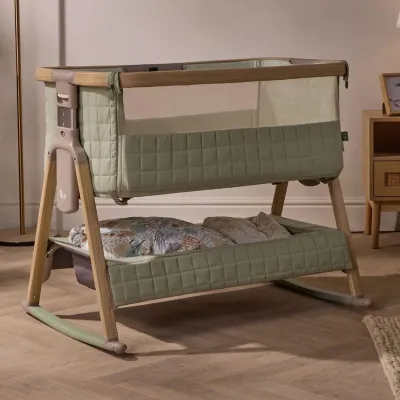
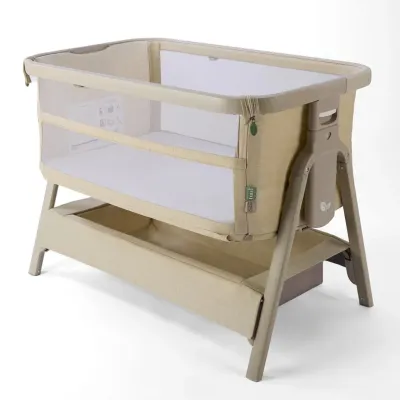
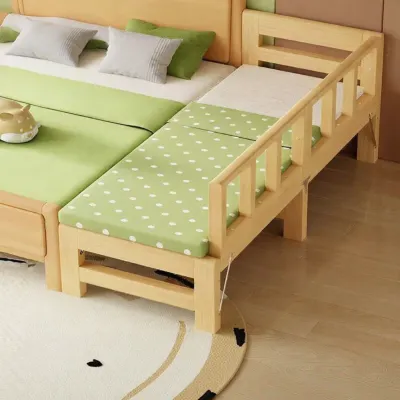
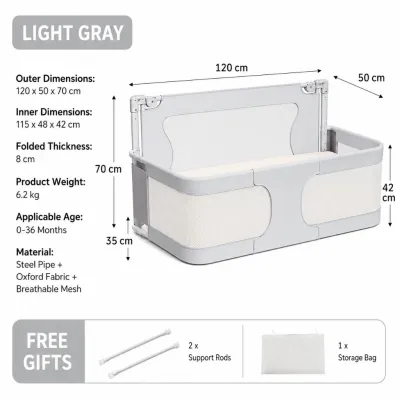
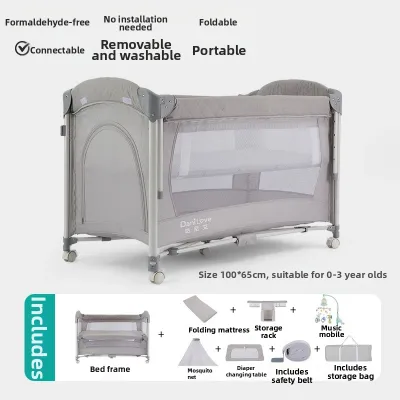
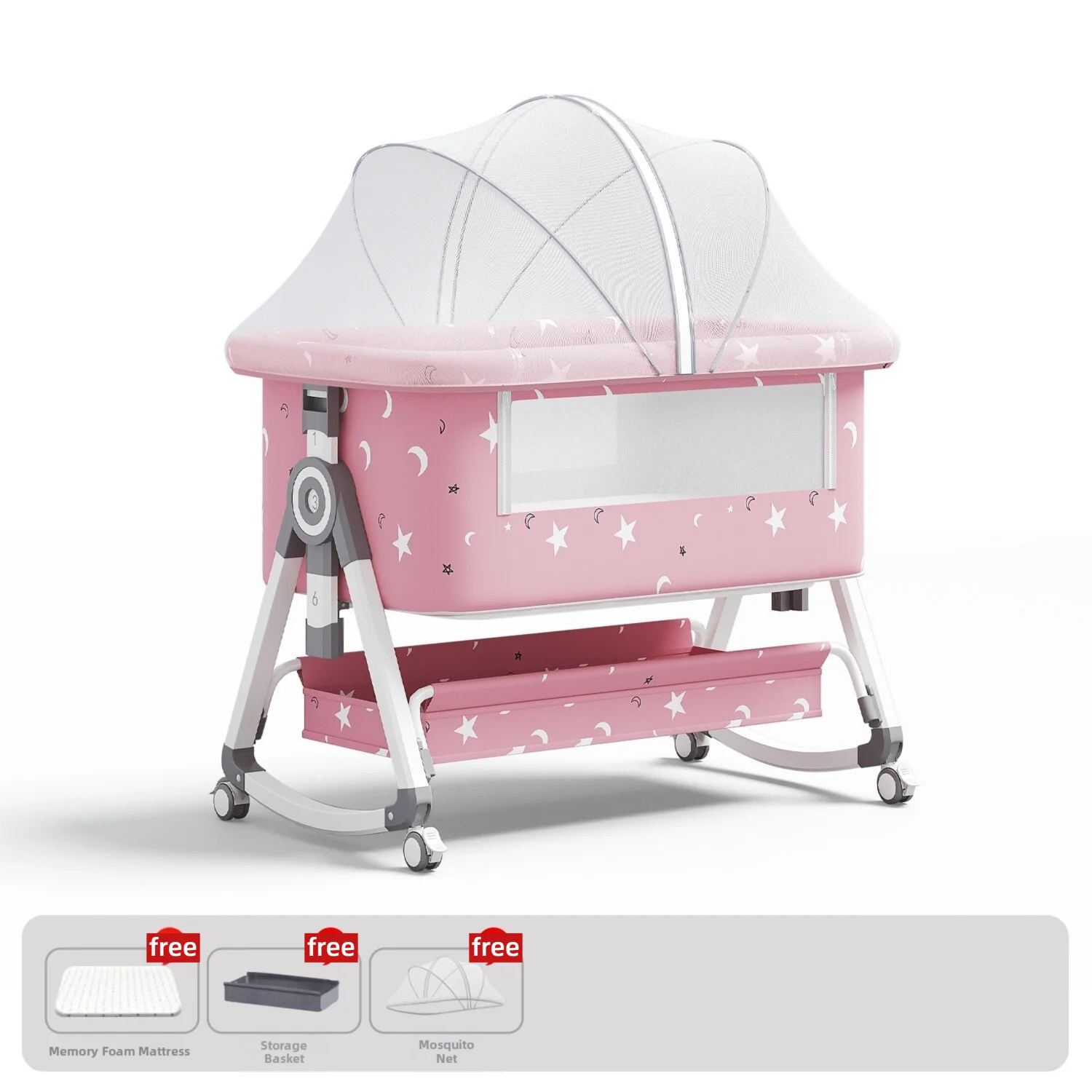
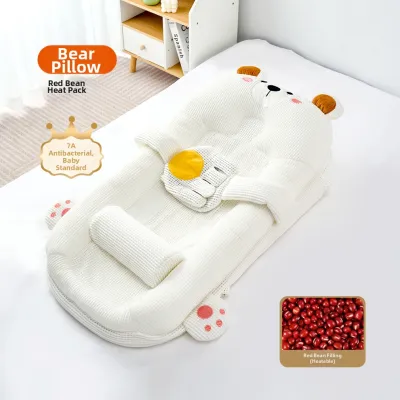

Prices are valid at publication and may change. Please refer to the product page for the latest price.
To stay informed about potential hazards, parents should regularly check the consumer safety portals maintained by Enterprise Singapore. These platforms publish safety alerts, product recall notices, and guidelines on consumer product safety. Monitoring these updates is a practical step to ensure that the bedside sleeper you choose has not been flagged for safety defects or design failures after entering the market.
Key Safety Certifications to Look For on Product Labels
When evaluating a bedside crib, the product label, packaging, or user manual should clearly display recognized international standard prefixes. The most common standard for cribs and cradles in the European market is EN 1130 (often designated as BS EN 1130 in the United Kingdom). This standard specifically addresses the safety requirements and test methods for cribs, including bedside sleepers, ensuring they are structurally sound and free from entrapment risks.

Another highly respected standard is ASTM F2906, established by the American Society for Testing and Materials. This standard specifically covers bedside sleepers and outlines strict requirements for structural integrity, side-wall height, and the security of the attachment systems used to connect the crib to an adult bed. Additionally, you may encounter the Australian and New Zealand standard AS/NZS 2172, which, while primarily focused on standard cots, still serves as a strong indicator of robust manufacturing quality.
It is crucial to distinguish between a product that is merely “tested to comply with” a standard and one that is fully “certified” by an accredited third-party testing body. A manufacturer’s self-declaration of compliance does not carry the same weight as an independent evaluation. Look for certification marks from recognized testing laboratories such as TÜV SÜD, SGS, or Intertek, which verify that the product has successfully passed physical and chemical safety tests.
Furthermore, always check the specific version or publication year of the standard printed on the label. For example, the EN 1130 standard was significantly updated in 2019 to include more stringent testing for bedside sleepers, particularly regarding the hazards of drop-side mechanisms and mattress gaps. Ensuring the product complies with the most recent version of the standard guarantees that it meets contemporary safety knowledge and design requirements.
Essential Physical Safety Checks Beyond Certifications
Even when a bedside crib carries the appropriate certification labels, performing a physical inspection is a vital step to ensure the product is safe for daily use. Start by examining the mattress fit and firmness. The mattress must be firm enough that it does not conform to the shape of your baby’s head, which could pose a suffocation risk. There should be no gaps wider than 30mm between the mattress and the sides of the crib; a snug fit is essential to prevent your baby from becoming wedged in a gap.
Next, inspect the structural elements of the crib, including the slat spacing and overall stability. If the crib features slatted sides, the distance between individual slats must not exceed 60mm. This spacing prevents a baby’s head, limbs, or body from slipping through and becoming trapped. Shake the crib gently to assess its stability; it should feel rigid and secure, with no loose joints, protruding hardware, or sharp edges that could snag clothing or scratch delicate skin.
If the bedside crib features a drop-side or lowering wall, pay close attention to the locking mechanism. The mechanism must be designed with a secure, double-action locking system. This means it requires two distinct, consecutive manual actions to unlock and lower the side. A double-action lock prevents accidental release by a sibling, parent, or the baby’s own movements, ensuring the side wall remains securely upright when required.
How to Verify a Bedside Crib's Safety Before Purchase
When shopping for a bedside crib, whether in physical showrooms or through online marketplaces in Singapore, you should actively verify the retailer’s safety claims. Do not hesitate to contact the retailer or the brand’s official store to request official documentation. Reputable brands should be able to provide a copy of the test report or a Declaration of Conformity (DoC) linking the specific model to the safety standards claimed on the packaging.
Before finalizing your purchase, conduct a quick search on international consumer protection portals and recall databases. Since many nursery products sold in Singapore are imported, databases such as the United States Consumer Product Safety Commission (CPSC) or the European Union’s Safety Gate are invaluable resources. Checking these portals allows you to verify if the specific model has been subject to any safety warnings or voluntary recalls due to design defects.
Additionally, evaluate the clarity and completeness of the manufacturer’s assembly instructions and safety warnings. A safe product must be accompanied by a comprehensive, easy-to-understand manual written in English. Many manufacturers make their manuals available for download online; reviewing the instructions beforehand helps you assess whether the assembly process is straightforward and if the safety warnings regarding weight limits and attachment methods are clearly defined.
Safe Setup and Usage Boundaries for Bedside Cribs
Once you have selected a compliant bedside crib, maintaining safety depends entirely on correct setup and adherence to usage boundaries. Every bedside crib has strict developmental milestones that dictate when use must be discontinued. You must stop using the crib as a bedside sleeper as soon as your baby shows signs of rolling over, pushing up on their hands and knees, or sitting up independently. Always consult the product documentation for the exact weight limit, which typically ranges around 9kg.
When configuring the crib as a bedside sleeper, it must be securely attached to the adult bed frame using the manufacturer-provided attachment straps. There must be absolutely no gap between the bedside crib’s mattress and the adult bed’s mattress. If a gap exists, the baby can roll into it and face a severe risk of entrapment or suffocation. Regularly inspect the attachment straps to ensure they have not loosened over time due to daily movement or bed-making.
Finally, maintain a safe and bare sleep environment inside the crib. In Singapore’s warm and humid tropical climate, proper ventilation is essential to prevent your baby from overheating, which is a known risk factor for Sudden Infant Death Syndrome (SIDS). Keep the room comfortably cool using a fan or air conditioning, and dress your baby in lightweight, breathable sleepwear. The crib mattress should remain completely free of pillows, loose blankets, soft toys, or decorative bedding to ensure a safe sleep surface.
Frequently Asked Questions (FAQ)
Are bedside cribs with drop-sides safe to use?
Yes, bedside cribs with drop-sides are safe to use provided they comply with modern safety standards, such as the updated EN 1130:2019 standard. The drop-side must feature a double-action locking mechanism that prevents accidental lowering. Always ensure that the drop-side is fully raised and securely locked whenever the baby is sleeping unattended or when the crib is not securely attached to the adult bed.
Can I use a standard cot bumper in a bedside crib?
No, you should not use cot bumpers in a bedside crib. Cot bumpers pose significant safety risks, including suffocation, strangulation, and entrapment. Additionally, they restrict airflow within the crib, which can contribute to overheating—a particular concern in Singapore’s warm climate. Pediatricians and safety organizations recommend keeping the sleep surface completely bare to promote a safe sleep environment.
What should I do if my bedside crib is missing its certification label?
If a bedside crib does not have a physical certification label attached to the frame or fabric, contact the manufacturer or local distributor directly to request proof of compliance. Ask for the official test report or Declaration of Conformity matching the model number. If the retailer or manufacturer cannot provide verifiable documentation of testing to standards like EN 1130 or ASTM F2906, it is safest to avoid using the product.
Community discussion
Share your experience or ask a question. Comments are reviewed before publication.