
The type of safety rail or protective barrier you need depends on your child’s current developmental milestones and the specific physical hazards in your home. Rather than purchasing every baby-proofing product at once, a strategic approach matches your child’s mobility with a room-by-room audit. Bed rails prevent falls from elevated sleeping surfaces, edge guards cushion long and sharp horizontal surfaces, and corner protectors target sharp 90-degree angles. This ensures you install the right protection at the right time, keeping your living spaces functional and secure.
Assess Your Child's Mobility and Developmental Signals
Children develop at their own pace, and their physical milestones dictate the safety hazards they encounter. In the first few months, infants are relatively stationary, but rolling and sitting milestones introduce immediate risks. Once a baby can roll over or sit up independently, elevated surfaces like adult beds, changing tables, and sofas become fall hazards. A sudden roll can happen in a split second, making it critical to anticipate these movements.
As babies transition to crawling, cruising, and walking, their interaction with the environment changes. Cruising—where a child pulls themselves up to stand and walks while holding onto furniture—brings their head, eyes, and forehead level with low furniture edges. Because toddlers have a higher center of gravity and developing coordination, they frequently lose balance.
Products mentioned in this guide
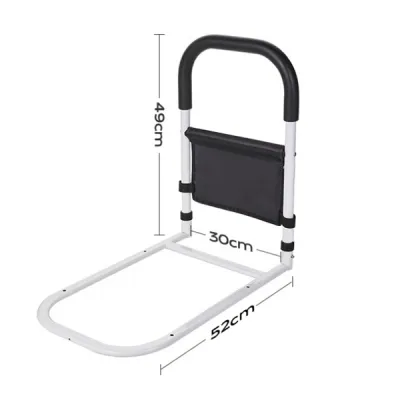
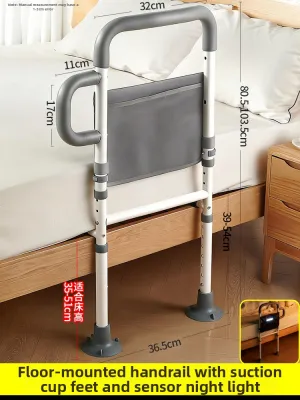
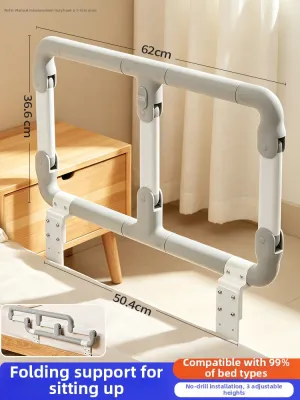
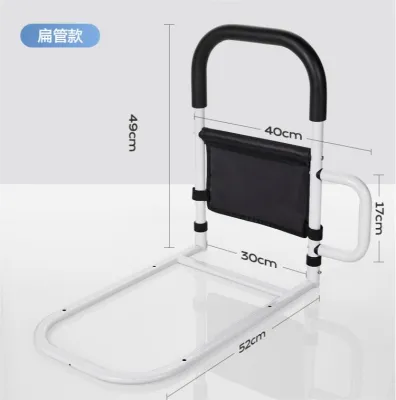
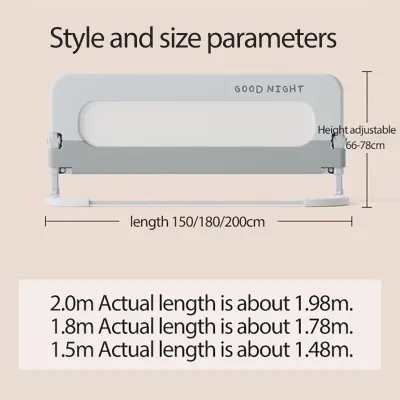
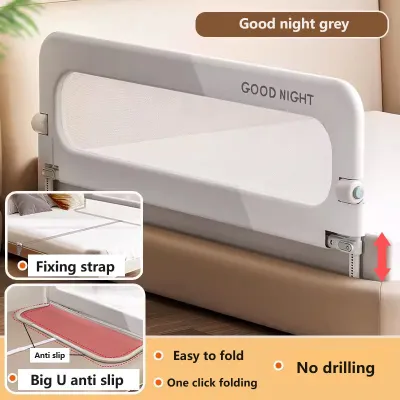
Prices are valid at publication and may change. Please refer to the product page for the latest price.
Recognizing that developmental leaps happen suddenly is key to effective baby-proofing. A child who was content sitting still yesterday may suddenly pull themselves up on a coffee table today. Proactive baby-proofing means observing these emerging physical cues and installing protective measures before your child fully masters a new skill.
Audit Your Home Layout for Fall and Impact Risks
Conducting a systematic, room-by-room audit of your home allows you to identify specific hazards and choose the correct protective gear. Start by looking at your home from a child’s physical perspective—literally getting down on your hands and knees can reveal sharp edges and hidden risks that are easy to miss from an adult’s standing height.

Begin your evaluation in the sleep areas. Inspect adult beds, toddler beds, and changing tables for potential roll-off risks. If you plan to transition your child from a crib to a toddler bed, or if you practice co-sleeping, identify which sides of the bed are exposed to open space. Changing tables require careful assessment to ensure there are no gaps where a rolling baby could slip.
Next, move to the living room, playroom, and dining areas. Inspect all furniture for hard, sharp edges that sit at your child’s eye or head level. Low-profile furniture, such as modern TV consoles, coffee tables, and low shelving units, pose the greatest risk to cruising infants. Pay close attention to materials; glass, solid wood, and metal edges require much more cushioning than rounded plastic or soft upholstered surfaces.
Finally, identify protruding corners on furniture and architectural features. Sharp 90-degree corners on coffee tables, dining tables, kitchen countertops, and fireplace hearths pose severe impact hazards during falls or runs. These localized points of impact can cause more concentrated injuries than flat edges, making them a high-priority target for baby-proofing.
Choose the Right Protection: Bed Rails, Edge Guards, and Corner Protectors
Once you have mapped out the specific risks in your home, you can select the appropriate safety products. Matching the right tool to the specific hazard ensures maximum protection without unnecessarily cluttering your living space.
When to Use Bed Rails
Bed rails are designed specifically to prevent sleep-related falls from elevated surfaces. They are most commonly used when transitioning a child from a secure crib to an open toddler bed, or when a child is sleeping on an adult mattress. These rails provide a sturdy physical barrier along the open sides of the bed, giving parents peace of mind during the night.
Before purchasing a bed rail, verify that the rail design matches your specific bed frame type and mattress thickness. Different bed rails are engineered for platform beds, slat beds, or traditional box spring setups. A mismatch can create dangerous entrapment gaps between the mattress and the rail, where a child could become stuck. Always check the manufacturer’s specifications to ensure a tight, secure fit with no gaps.
It is also important to understand that bed rails are intended solely for fall prevention during sleep, not for containing an active child. If a toddler is awake and attempts to climb over the rail, the rail itself can become a hazard, potentially leading to a fall from an even greater height.
When to Use Edge Guards
Edge guards are long, continuous strips of cushioning designed to mitigate impact injuries on hard, linear furniture surfaces. They are ideal for the long edges of coffee tables, dining tables, low shelves, and TV stands. By absorbing the force of a collision, edge guards help prevent cuts, bruises, and more serious head injuries when a child bumps into furniture.
When selecting edge guards, check that the cushioning material is thick and dense enough to absorb impact effectively. However, the material must not be so soft or fragile that it becomes a choking hazard if bitten. Teething toddlers often chew on furniture edges, so the guard must resist tearing and be free of harmful chemicals.
Additionally, plan for regular adhesion checks. Active toddlers are naturally curious and will often pull, tug, or pick at the edges of the guards. Over time, this physical wear can loosen the adhesive, requiring you to reapply double-sided tape or replace the guard entirely to maintain safety.
When to Use Corner Protectors
Corner protectors are targeted safety devices designed specifically for sharp, protruding furniture angles. Unlike continuous edge guards, corner protectors focus entirely on shielding the highly dangerous 90-degree apexes of tables, countertops, and fireplace hearths.
When installing corner protectors, ensure that the product fully covers the sharp point of the corner without leaving any exposed edges. The protector should fit snugly over the corner and adhere firmly to both the top and side surfaces of the furniture.
In many cases, you will need to combine corner protectors with edge guards. For example, a rectangular wooden coffee table has both long, hard edges and sharp corners. Using both products together provides comprehensive, seamless protection along the entire perimeter of the furniture.
Crucial Installation Checks and Safety Limits
Proper installation and an understanding of product limitations are vital to ensuring that baby-proofing gear works as intended. Even the highest-quality safety rail or guard can fail if installed incorrectly or used beyond its design limits.
Always read the manufacturer’s instructions thoroughly before installation. Pay close attention to weight limits, age recommendations, and surface compatibility. Some bed rails, for instance, are not suitable for bunk beds or waterbeds, while certain adhesives may not stick properly to unfinished wood or textured stone.
Before applying adhesives for edge guards and corner protectors, test them on a hidden area of your furniture first. This helps you verify that the adhesive will hold securely without permanently damaging or stripping the furniture’s finish when it is eventually removed. Cleaning the surface with rubbing alcohol beforehand can also improve adhesion by removing dust and oils.
It is essential to maintain active adult supervision at all times. No safety rail, edge guard, or corner protector can replace the watchful eye of a caregiver or prevent all injuries. These products are designed to reduce the severity of accidents, not to eliminate the need for supervision.
Finally, be prepared to adapt your safety setup as your child grows. If your child learns to climb over a bed rail, remove or adjust it immediately, as the rail now poses a higher fall risk than an open bed. Regularly inspect all guards for wear and tear, replacing any loose or damaged components promptly.
Frequently Asked Questions (FAQ)
Can I use edge guards and corner protectors on the same table?
Yes, combining both products is a highly effective way to secure tables with both sharp corners and long, hard edges. To achieve a seamless fit, you can trim the ends of the foam edge guards so they sit flush against the corner protectors. This prevents any gaps from forming, ensuring your child is protected from every angle while preventing them from peeling the guards off.
When should I remove bed rails and furniture guards?
Bed rails should be removed once your child can safely get in and out of bed independently and no longer rolls close to the edge, or as soon as they attempt to climb over the rail. Edge guards and corner protectors can typically be removed when your child has developed sufficient spatial awareness, balance, and motor control to navigate around furniture without bumping into it, which often occurs around preschool age.

Community discussion
Share your experience or ask a question. Comments are reviewed before publication.