
When preparing a nursery, ensuring the safety of your baby’s sleeping environment is one of the most critical decisions you will make. Beblum is a widely recognized brand in the nursery furniture market, known for its convertible wooden cribs and multi-functional designs. However, a brand’s popularity does not exempt it from rigorous safety scrutiny. To determine if a Beblum baby crib is safe for your child, you must look beyond aesthetic appeal and marketing claims. Safety is a combination of verified manufacturing standards, robust physical construction, proper assembly, and adherence to safe sleep practices.
Evaluating a crib requires a systematic approach. You need to understand which international safety benchmarks apply to nursery furniture, how to verify that a specific Beblum model complies with these standards, and how to perform hands-on physical checks. By taking these proactive steps, you can make an informed purchasing decision and establish a secure, hazard-free sleeping space for your infant.
Understanding Recognized Baby Crib Safety Standards
Before purchasing any nursery furniture, it is essential to understand the international and local safety benchmarks that govern baby cribs. These standards are established by engineering and safety experts to minimize the risk of structural failure, entrapment, suffocation, and chemical exposure. When researching cribs, look for explicit references to recognized standards on product labels, user manuals, and manufacturer specifications.
Products mentioned in this guide
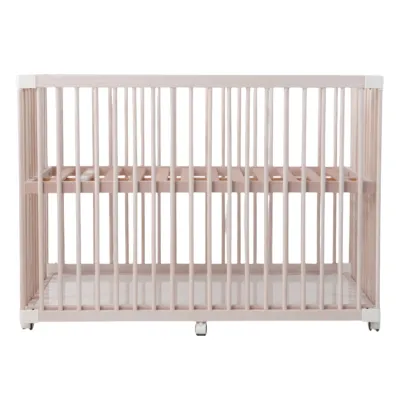
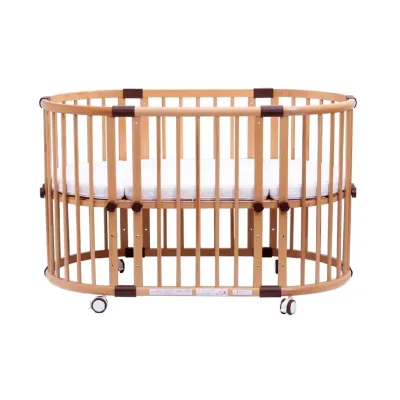
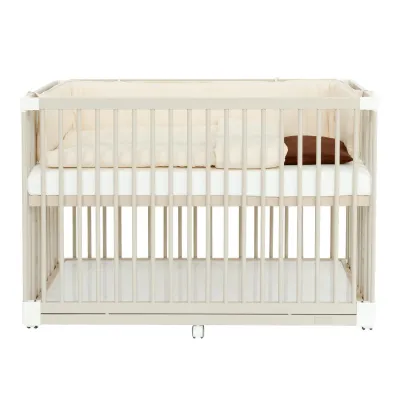
Prices are valid at publication and may change. Please refer to the product page for the latest price.
European Standards are among the most common benchmarks for nursery furniture sold globally. For baby cots and folding cots used in domestic settings, the standard to look for is EN 716 (specifically EN 716-1 and EN 716-2). This standard regulates critical safety dimensions, structural strength, and testing methods. It ensures that the crib can withstand the daily wear and tear of an active infant without collapsing or creating hazardous gaps.
In addition to European standards, American and Australian benchmarks are highly regarded in the industry. The American Society for Testing and Materials (ASTM) sets forth ASTM F1169, which governs the safety performance of full-size baby cribs. Meanwhile, Australia and New Zealand enforce AS/NZS 2172. These standards cover similar safety aspects, including the strength of the mattress support base, the durability of the fasteners, and the height of the side barriers to prevent falls.
These international standards dictate precise physical requirements. For example, they specify that the distance between vertical slats must be narrow enough to prevent a baby’s head or limbs from becoming trapped. They also mandate that the materials used, including paints, varnishes, and plastic components, must comply with non-toxic chemical standards, such as EN 71-3, which limits the migration of heavy metals and harmful elements.
In Singapore, consumer goods are subject to safety guidelines monitored by Enterprise Singapore under the Consumer Protection (Safety Requirements) Registration Scheme. While imported nursery furniture may not always carry a mandatory local registration mark, suppliers are legally obligated to ensure their products are safe for consumer use. Verifying that a crib complies with established international standards like EN 716 or ASTM F1169 is the most reliable way to ensure it meets local safety expectations.
How to Verify Beblum Crib Certifications Before Purchase
To confirm whether a Beblum crib meets these rigorous safety benchmarks, you must actively verify the brand’s certification claims. Do not rely solely on general product descriptions or retail advertisements that use vague phrases like “certified safe” or “meets international standards.” Instead, look for concrete evidence of compliance before finalizing your purchase.

Start by visiting the manufacturer’s official website or the portal of their authorized distributor in Singapore. Reputable brands typically dedicate a section of their website to safety, quality assurance, or product specifications. Look for downloadable user manuals, technical data sheets, or official compliance statements that explicitly name the safety standards (such as EN 716) and the specific crib model you are considering, such as the Beblum Lavo or other convertible models.
If the certificates are not readily downloadable, look for references to independent, third-party testing laboratories. Organizations such as SGS, TÜV SÜD, Intertek, and Bureau Veritas are globally recognized testing bodies. A legitimate safety claim will often reference a specific test report number issued by one of these laboratories. You can sometimes verify these report numbers directly on the testing agency’s public database.
When shopping in person at a physical showroom or retail store, inspect the display models and their packaging. Look for permanent stamps, engraved markings, or securely attached labels on the inner rails or the mattress support base. These labels should display the manufacturer’s details, the model number, the date of manufacture, and the specific safety standards the product complies with. The absence of these permanent markings is a significant warning sign.
If you are purchasing online through an ecommerce platform or a local retailer and cannot find clear certification details, contact the seller or the brand directly. Ask them to provide a copy of the safety test reports or compliance certificates for the specific model. A reliable distributor should be willing and able to share this documentation to reassure parents of the product’s safety.
Be alert to red flags that indicate missing or unverifiable safety claims. If a seller cannot provide a clear, comprehensive user manual in English, or if the manual lacks clear assembly instructions and safety warnings, exercise extreme caution. Other warning signs include missing manufacturer contact information, vague responses to safety inquiries, or product listings that focus entirely on aesthetic features while ignoring structural safety standards.
Essential Physical Safety Checks for the Crib Design
Even if a crib claims compliance with international standards, you should perform a hands-on physical inspection of the unit. This is especially important when viewing a display model in-store or immediately after assembling the crib at home. Conducting these physical checks allows you to verify the structural integrity and build quality of the specific unit your baby will use.
First, measure the spacing between the vertical slats of the crib. The distance between any two slats must not exceed 6 centimetres (60 millimetres). This spacing is designed to prevent an infant’s head, torso, or limbs from slipping through and becoming trapped. You can easily test this with a standard measuring tape; if the gap is wider than 6 centimetres, the crib poses a severe safety hazard.
Next, evaluate the finish and materials of the crib frame. Run your hands along all wooden surfaces, corners, edges, and joints. The wood must be completely smooth, with no splinters, rough patches, or sharp edges that could scratch your baby’s delicate skin. Confirm that the paint or varnish is lead-free and non-toxic by checking the product specifications for compliance with chemical safety standards like EN 71-3.
Inspect the mattress fit using the standard two-finger rule. Place the mattress inside the crib and push it firmly into one corner. Measure the gap between the mattress edge and the opposite crib side. If you can fit more than two fingers into this gap, the mattress is too small for the crib. A loose-fitting mattress creates a dangerous void where a baby’s head or body can become wedged, leading to suffocation.
Test the stability of the adjustable mattress base and the locking hardware. Many Beblum cribs feature multiple height adjustments to accommodate growing babies. Ensure that the brackets, screws, and support bars that hold the mattress base in place are robust, made of high-quality metal, and lock securely into position. Shake the assembled crib gently; it should feel solid and rigid, with no wobbling, rattling, or loose joints.
If the crib features wheels or castors, inspect the locking mechanisms. At least two of the wheels must have reliable locks that prevent the crib from moving when engaged. Test these locks on a smooth floor surface to ensure the crib remains stationary under pressure. For convertible models that transition into toddler beds or playpens, verify that the conversion hardware is sturdy and that the structural integrity is not compromised during transition.
Safe Sleep Environment and Setup Guidelines
Acquiring a certified, structurally sound crib is only the first step in ensuring your baby’s safety. How you set up the crib and arrange the surrounding environment plays an equally critical role in preventing accidents, injuries, and Sudden Infant Death Syndrome (SIDS). Caregivers must follow established safe sleep guidelines consistently.
Adjust the mattress height according to your baby’s developmental stage. Use the highest mattress setting only for newborns who cannot yet roll over or push themselves up. As soon as your baby shows signs of rolling, pushing up on their hands and knees, or sitting independently, you must lower the mattress to the lowest setting. This prevents the child from gaining enough leverage to climb or fall over the crib rails.
Keep the interior of the crib strictly bare. The safest sleep environment consists of a firm, flat mattress covered only by a tightly fitted sheet. Do not place pillows, thick blankets, quilts, comforters, bumper pads, or soft toys inside the crib. In Singapore’s warm and humid climate, heavy bedding is unnecessary and significantly increases the risk of overheating, suffocation, and carbon dioxide rebreathing.
Position the crib in a safe location within the room. Keep it well away from windows, where direct sunlight can cause overheating, and where drafty air or rain could enter. Crucially, ensure the crib is positioned far out of reach of window blind cords, curtain pull strings, baby monitor wires, and electrical cords, all of which present severe strangulation hazards.
Avoid placing the crib directly beneath heavy wall decorations, shelves, framed pictures, or ceiling fans that could fall into the sleeping area. Ensure there is sufficient clearance around the crib so that your baby cannot reach out and grab hazardous items from nearby changing tables, chests of drawers, or electrical outlets. Always supervise your baby and maintain a clear line of sight to the crib.
Warning Signs: When to Stop Using the Crib
As your baby grows and the crib experiences daily use, you must regularly monitor its condition. Over time, wear and tear can compromise the safety of even the most durable nursery furniture. Knowing when to repair, adjust, or completely discontinue the use of a crib is vital for preventing injuries.
Perform routine inspections of the crib’s structural components. Look for visible damage such as hairline cracks in the wooden rails, loose joints, or bent metal hardware. If you notice any loose screws or bolts, tighten them immediately using the correct tools. However, if any wooden slats are cracked, broken, or detached from the frame, stop using the crib immediately, as these defects compromise structural integrity.
Never attempt to repair a damaged crib using makeshift parts, mismatched screws, or household adhesives. If a component is missing or broken, contact the authorized distributor or manufacturer to obtain original, model-specific replacement parts. If original parts are unavailable, or if the structural damage is extensive, the crib must be replaced entirely to ensure your child’s safety.
Stay informed about official product recalls and safety alerts. Manufacturers and consumer protection agencies, such as Enterprise Singapore, periodically issue recalls for products found to have design flaws or manufacturing defects. Check the manufacturer’s official announcements and local consumer safety portals regularly. If your specific crib model is recalled, follow the official guidelines to obtain a repair kit, a replacement, or a refund.
Monitor your baby’s physical development to determine when they have outgrown the crib. Stop using the crib in its standard cot configuration once your child reaches the manufacturer’s specified weight or height limits, or when they are able to climb out of the crib independently. Typically, when the height of the side rail is less than three-quarters of the child’s height, it is time to transition them to a toddler bed or a floor mattress to prevent dangerous falls.
Frequently Asked Questions (FAQ)
Are second-hand Beblum cribs safe to use?
Using a second-hand crib carries inherent risks that require careful evaluation. Before accepting or purchasing a used crib, you must verify its history, ensure all original hardware is present, and obtain the original instruction manual. Inspect the frame thoroughly for hairline fractures, worn-out screw threads, or structural warping that may have occurred during previous assembly, disassembly, or storage in humid conditions. If the crib is several years old, it may not comply with current safety standards, or the wood and fasteners may have degraded, making it unsafe for continued use.
What should I do if the crib mattress does not fit perfectly?
If there is a gap larger than two fingers between the mattress and the crib frame, you must not use that mattress. Do not attempt to fill the gap with rolled-up towels, blankets, foam inserts, or pillows, as these temporary fixes create severe suffocation and entrapment hazards. Instead, purchase a mattress that matches the exact dimensions recommended by the manufacturer for your specific crib model. A properly fitting mattress should sit snugly against all four sides of the crib frame with minimal clearance.
Does a higher price guarantee better safety certifications?
No, a higher retail price does not automatically guarantee superior safety certifications. Premium pricing often reflects aesthetic designs, high-end wood finishes, brand prestige, or complex convertible features rather than additional safety testing. All cribs sold by reputable retailers must meet the same baseline safety standards, regardless of their price tag. When evaluating a crib, prioritize verifiable test reports, compliance with standards like EN 716, and robust physical construction over marketing claims or a premium price point.
Community discussion
Share your experience or ask a question. Comments are reviewed before publication.