
Starting your baby’s weaning journey is an exciting milestone, but choosing the right foods can feel overwhelming. With so many options available, finding a structured path that supports your baby’s growth is essential. The South Korean baby food brand Bebecook offers a comprehensive, stage-based range designed to transition infants smoothly from their first spoonfuls to family meals. By aligning these products with your baby’s developmental milestones, you can provide appropriate textures and balanced nutrition at every step.
To navigate this journey successfully, parents must look beyond age guidelines on packaging and focus on physical readiness cues. Each stage of the Bebecook lineup corresponds to specific oral motor skills and nutritional needs. Understanding how to match these products to your baby’s current abilities ensures a safe, enjoyable, and nutritionally complete weaning experience.
Understanding Weaning Stages and Your Baby's Changing Nutritional Needs
Weaning is not a sudden switch from milk to solids, but a gradual educational process for your baby’s digestive system and oral motor skills. Pediatric experts generally divide this journey into four distinct stages, starting around six months of age and extending past the first birthday. During this time, your baby transitions from a liquid diet to a varied, textured menu that mirrors what the rest of the family eats.
Products mentioned in this guide


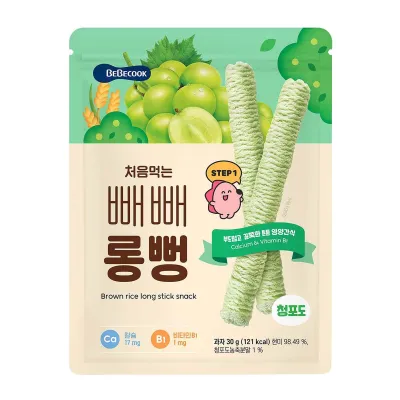


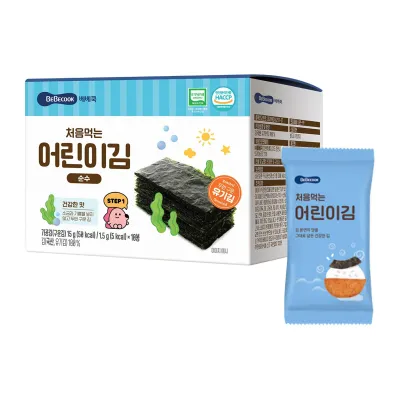
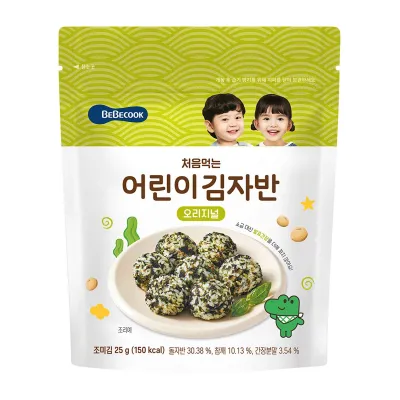

Prices are valid at publication and may change. Please refer to the product page for the latest price.
The primary driver behind starting solids is the rapid shift in your baby’s nutritional requirements. Around the six-month mark, an infant’s natural iron stores, accumulated during gestation, begin to deplete. Breast milk and standard infant formula alone can no longer fully satisfy their growing need for iron, zinc, and essential vitamins. Introducing nutrient-dense solid foods is crucial to support rapid physical growth, brain development, and immune function.
In Singapore, the Health Promotion Board (HPB) recommends introducing solid foods at around six months of age while continuing breastfeeding or formula feeding. The HPB guidelines emphasize starting with iron-rich foods, such as iron-fortified rice cereal, pureed meats, and finely mashed vegetables. This aligns closely with developmental milestones, ensuring that babies receive the necessary nutrients at the precise time their bodies require them.
While age labels on baby food packaging serve as a helpful baseline, your baby’s physical readiness is the ultimate guide. Before introducing any solids, verify that your baby exhibits key developmental signs. These include sitting up with minimal assistance, maintaining excellent head and neck control, and showing a keen interest in food during family meals. Crucially, your baby must lose the tongue-thrust reflex, an involuntary response where infants push solid objects out of their mouths with their tongues.
Stage 1 (Around 6 Months): Finding Smooth, Iron-Rich First Tastes
Stage 1 of the weaning journey is all about introducing your baby to the concept of swallowing non-liquid foods and exploring basic flavors. At around six months, your baby’s digestive tract is still maturing, requiring foods that are exceptionally gentle and easy to process. The focus during this initial phase is not on caloric intake, but on sensory exploration and identifying potential food sensitivities.

The texture requirements for Stage 1 are strict: foods must be completely smooth, runny, and free of any lumps. Purees should have a watery consistency, similar to heavy cream, allowing them to slide easily down the baby’s throat without requiring any chewing. Fine single-grain cereals that dissolve instantly when mixed with liquid are ideal, as they present no choking hazard and mimic the familiar texture of milk.
Nutritional focus during this stage must prioritize iron-fortified options and single-ingredient profiles. Introducing one food at a time is a fundamental safety practice that allows parents to monitor for allergic reactions, such as rashes, digestive upset, or swelling. By offering single-ingredient fruit, vegetable, or grain purees for three to five days before introducing another, you can easily isolate the culprit if an adverse reaction occurs.
When navigating the Bebecook product range, look for packaging clearly marked with “Stage 1” or “6M+” (6 months and older) indicators. These products are specifically processed to achieve an ultra-fine, velvety consistency. Carefully review the labels to verify “no added sugar or salt” claims, ensuring your baby’s early palate is not conditioned to artificially sweetened or overly salty flavors.
For a safe and successful feeding experience, start with tiny amounts, such as one to two teaspoons of puree once a day. Choose a time when your baby is alert, happy, and slightly hungry but not overly fatigued or starving. Gently place a small amount of food on the tip of a soft-tipped spoon and offer it to your baby, observing their swallowing reflex closely. If they spit the food out repeatedly, they may not be fully ready; simply pause and try again a few days later.
Stage 2 (7 to 8 Months): Transitioning to Thicker Textures and Mixed Flavors
As your baby approaches seven to eight months, their oral motor skills begin to advance rapidly. They learn to use their tongue to sweep food to the back of the mouth and push it to the sides for basic gumming. This developmental leap marks the transition to Stage 2, where the menu expands to include thicker consistencies and more complex taste combinations.
Texture requirements for Stage 2 shift away from watery purees toward thicker, mashed consistencies with very soft, tiny lumps. These small particles encourage the baby to practice early chewing movements and strengthen their jaw muscles. The food should still be soft enough to be easily mashed between your fingers or gummed effortlessly by the baby, ensuring safety while promoting oral development.
The nutritional focus now transitions to mixed-ingredient meals that combine multiple food groups, such as vegetables with poultry, meat, or legumes. These combinations provide a more balanced and nutrient-dense profile, delivering a wider array of vitamins, minerals, and proteins. Introducing mixed flavors also helps expand your baby’s palate, making them more accepting of diverse foods later in life.
On Bebecook packaging, look for “Stage 2” or “7M+” labels, which indicate a thicker porridge consistency and multi-component ingredient lists. This stage often features organic rice rusks and early teething snacks designed to melt quickly upon contact with saliva. These snacks are excellent for encouraging hand-to-mouth coordination while remaining safe for babies who are still learning to manage solids.
To make feeding highly actionable, encourage early self-feeding by offering your baby a preloaded spoon to hold. It is entirely normal for babies to experience a gag reflex as they adjust to thicker textures; gagging is a natural safety mechanism that prevents unchewed food from entering the airway. Learn to distinguish gagging (which is noisy and accompanied by coughing) from choking (which is silent and requires immediate intervention). Establish a consistent mealtime routine, sitting together at the table to foster positive eating habits.
Stage 3 (9 to 11 Months): Supporting Chewing Skills with Soft Chunks
By nine to eleven months, many babies are crawling, pulling themselves up to stand, and exploring their environment actively. This increased physical activity drives up their caloric and nutrient requirements. At the same time, their fine motor skills are sharpening, notably through the development of the pincer grasp—the ability to pick up small objects using the thumb and index finger.
Texture requirements for Stage 3 demand soft chunks, small bite-sized pieces, and dissolvable finger foods. Your baby now needs foods that require active chewing rather than just gumming or swallowing. Grains of rice should be whole and soft, and vegetables or meats should be minced or cut into tiny, tender pieces that break apart easily under gentle pressure.
The nutritional focus during this phase centers on energy-dense meals that combine carbohydrates, proteins, and healthy fats. To support rapid growth and high energy expenditure, meals must be nutrient-packed. Incorporating a variety of food groups in every meal ensures your baby receives sufficient iron, calcium, and dietary fiber to support healthy digestion and bone development.
When browsing Bebecook options, look for “Stage 3” or “9M+” indicators on the packaging. This range includes textured, thick porridges with visible soft grains, freeze-dried fruit melts, and soft baked puffs. These products are specifically shaped and sized for small hands, allowing your baby to practice their pincer grasp and build confidence in self-feeding.
Safety is paramount during Stage 3, and close adult supervision is mandatory whenever your baby is eating. Ensure your baby is seated upright in a secure highchair, and never leave them unattended with food. Encourage independent eating by placing a few soft finger foods on their tray, allowing them to explore different textures messily. This sensory play is highly beneficial for cognitive development and helps prevent sensory-based food aversion.
Stage 4 (12 Months and Beyond): Bridging the Gap to Family Meals
Reaching the one-year mark represents a major transition as your child officially enters toddlerhood. At twelve months and beyond, your toddler’s digestive system is capable of handling a wider variety of complex foods. The primary goal of Stage 4 is to bridge the gap between specialized baby food and the standard meals enjoyed by the rest of the family.
Texture requirements during this stage shift to firmer, bite-sized pieces that closely resemble adult food. While the food must still be soft enough for toddler molars to grind easily, it should offer a distinct bite and structure. Toddlers should be eating soft-cooked pasta, small pieces of tender meat, and raw or lightly cooked fruits and vegetables cut into safe, manageable sizes.
The nutritional focus must emphasize balanced, whole-food meals that are low in sodium and free of artificial additives. While toddlers can share many family dishes, their kidneys are still developing, making it crucial to limit added salt and highly processed ingredients. Meals should be rich in iron, calcium, healthy fats, and complex carbohydrates to fuel their active daily routines.
In the Bebecook lineup, search for “Stage 4” or “12M+” toddler meal ranges. These products often include low-sodium seasoned seaweed, toddler-friendly side dishes, mild sauces, and organic grain bars. These items are designed to offer appealing, toddler-appropriate flavors while adhering to strict nutritional standards suitable for young children.
To integrate your toddler into family mealtimes, serve their food on a divided plate and encourage the use of child-safe forks and spoons. Model healthy eating behaviors by consuming a variety of nutritious foods yourself, as toddlers learn rapidly by observing their parents. Transition away from purees and squeeze pouches toward plate-based eating to support oral motor strength and independent dining habits.
Decoding Bebecook Labels: Safety, Allergens, and Ingredient Checks
Selecting commercial baby food requires diligent label reading to ensure the products align with your baby’s health needs and safety standards. Because Bebecook is an imported brand from South Korea, parents must pay close attention to English translation labels and ingredient declarations. Verifying safety, allergens, and quality standards is a critical step before introducing any product to your infant.
Allergen verification must be performed systematically for every purchase. Locate the allergen warning section on the packaging, which highlights common allergens such as dairy, wheat, soy, eggs, peanuts, tree nuts, fish, and shellfish. Even if a product seems safe based on its name, cross-contamination warnings or minor ingredients might present risks for sensitive infants.
When checking ingredient quality, verify the absence of unnecessary additives, artificial preservatives, and hidden sugars. Be cautious of products that list fruit juice concentrates high up on the ingredient list, as these are often used to sweeten foods naturally but can still contribute to tooth decay and a preference for excessively sweet tastes. Opt for products with simple, recognizable whole-food ingredients.
Proper storage and handling are essential to prevent food spoilage and bacterial growth, especially in Singapore’s warm, humid climate. Always verify the expiration date printed on the packaging before opening. Once a pouch or jar is opened, feed your baby using a clean spoon; do not feed them directly from the container if you plan to save the rest, as saliva introduces bacteria that accelerate spoilage. Store opened portions in the refrigerator and consume them within 24 hours, or discard them. Keep dry snacks in airtight containers to maintain freshness and prevent them from absorbing moisture from the air.
If your baby has specific dietary restrictions, severe allergies, or underlying medical conditions, consult a pediatrician or pediatric dietitian before introducing any new commercial baby food. A professional can help you design a safe, balanced weaning plan tailored to your child’s unique health profile.
Frequently Asked Questions (FAQ)
Can I mix Bebecook purees with breast milk or formula?
Mixing Bebecook purees or cereals with breast milk or formula is an excellent way to thin out textures and introduce a familiar taste during Stage 1. However, to ensure food safety, only mix the portion your baby will eat immediately in a separate bowl. Discard any leftovers from the feeding session, as saliva and milk enzymes trigger rapid bacterial growth and spoilage, making stored leftovers unsafe for future consumption.
How do I know if my baby is ready to move to the next Bebecook stage?
Transitioning to the next stage should be based on your baby’s physical and behavioral milestones rather than age alone. Your baby is likely ready to progress if they sit upright unassisted, show intense interest in your meals, can swallow thicker foods without spitting them out, and actively chew on toys or finger foods. If your baby consistently gags severely, struggles to swallow, or spits out textured food, hold off on the transition and try again in a week or two.
Are Bebecook products suitable for babies with specific dietary needs?
Bebecook offers a diverse range of products, but formulations vary, meaning suitability must be verified on an individual product basis. Always read the specific ingredient list and allergen statements on each package to confirm it meets your child’s dietary requirements. If your baby has a medically diagnosed condition or severe food allergies, consult a healthcare professional or pediatric dietitian before introducing any commercial products.
Community discussion
Share your experience or ask a question. Comments are reviewed before publication.