
Evaluating how the Bebebus baby food maker compares to other leading brands requires looking past marketing buzzwords and focusing on the mechanical specifications of steaming and blending. While many parents seek a single machine that can seamlessly transition from raw ingredients to a smooth puree, the efficiency of this process depends on motor power, blade geometry, steam circulation, and overall workflow design. Because independent laboratory tests comparing these brands side-by-side are rarely standardized, the most reliable way to make an informed decision is to analyze verifiable manufacturer specifications and match them to your daily meal preparation habits.
In modern kitchens where countertop space is highly valued, compact multi-functional appliances have become the standard. Brands like Bebebus, alongside other prominent competitors, aim to simplify weaning by combining steaming and blending into a single footprint. However, the engineering choices behind each brand—such as whether the food must be manually flipped, how the steam is distributed, and the ease of descaling the water tank—directly impact how often you will use the machine and how long it will last. By understanding these technical differences, you can select a model that fits your kitchen layout, budget, and your baby’s developmental stage.
Core Steaming Functions: What to Verify in Bebebus and Competitors
Steaming is the foundation of baby food preparation, preserving essential nutrients while softening ingredients for safe consumption. When evaluating the Bebebus baby food maker against other top brands, the first specification to verify is the water tank capacity and its accessibility. A larger water tank allows for longer steaming cycles without the need for mid-cycle refills, which is particularly useful when preparing dense root vegetables like carrots or sweet potatoes. You should also check the placement of the heating element; integrated elements that are sealed beneath the tank floor are generally easier to wipe clean and less prone to rapid mineral scale buildup than exposed heating coils.
Products mentioned in this guide
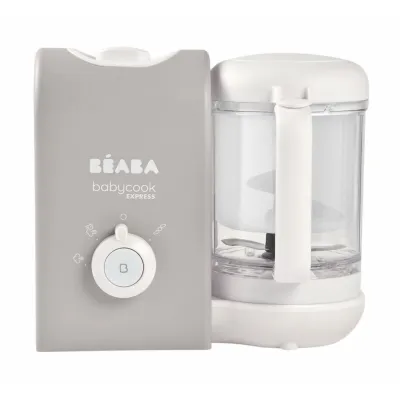
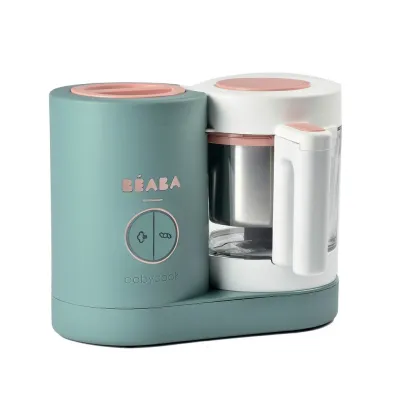
Prices are valid at publication and may change. Please refer to the product page for the latest price.
Steam distribution mechanisms also vary significantly across brands. Some models utilize a bottom-up steam path, while others feature 360-degree circulation systems designed to surround the food basket evenly. When comparing models, look for adjustable temperature or digital timer settings that allow you to customize the steaming duration based on the ingredient type. Precise time controls prevent overcooking, which can degrade heat-sensitive vitamins. Additionally, safety features such as boil-dry protection—which automatically shuts off the heating element if the water tank runs dry—and clear audible or visual alerts upon cycle completion are essential specifications to confirm on the product label.
Blending Performance: Evaluating Texture and Motor Specs
The transition from smooth purees to textured solids requires a blending system that offers both power and control. Motor wattage is a primary indicator of a machine’s ability to handle tough, fibrous, or hard ingredients without overheating. While lower-wattage motors may suffice for soft fruits, higher-wattage motors are necessary for achieving an ultra-smooth consistency with meats and complex grains. When comparing Bebebus to other brands, check the rated blending wattage rather than just the heating wattage, as these two systems operate on different power requirements.

Beyond raw power, blade design and jar geometry play a critical role in preventing dead zones—areas where food traps accumulate and escape the blades. Look for multi-angle blade assemblies, often featuring four or more stainless steel blades angled both upward and downward, which help pull ingredients down into the cutting path. The shape of the blending jar itself should encourage a vortex effect. As your baby grows, you will need to transition from fine purees to chunkier textures. Verify whether the machine offers variable speed settings, a manual pulse function, or a physical override button, allowing you to control the exact texture rather than relying solely on automated, pre-programmed blending cycles.
Combined Workflow: Steaming and Blending in One Unit
The practical appeal of an all-in-one baby food maker lies in its workflow, but different brands approach the transition from steaming to blending in distinct ways. Some traditional models require you to steam the ingredients in a basket, manually lift and flip the basket to dump the food into the blending jar, and then initiate the blend cycle. Other modern designs, including certain Bebebus configurations, utilize a single-chamber system where steaming and blending occur in the same vessel without requiring you to transfer hot ingredients. While the single-chamber design minimizes the risk of accidental spills and cross-contamination, it is important to verify if the blade assembly remains in the jar during steaming, as this can sometimes lead to food particles baking onto the blades.
Cleaning complexity is another critical factor that directly affects daily usability. A machine that is difficult to disassemble and clean will quickly become a source of frustration. Examine how easily the blade assembly detaches from the jar, whether the silicone seals can be removed for thorough washing, and if there are narrow crevices where food residue can accumulate. Furthermore, consider batch size limitations. Single-chamber machines are highly efficient for small, fresh daily portions, but if you plan to prepare large batches to freeze for the week, a high-capacity standalone steamer paired with a separate high-powered blender may offer better time efficiency than processing multiple small batches sequentially in a compact unit.
Safety, Materials, and Cleaning Requirements
Because these appliances prepare food for developing infants, material safety is paramount. Before purchasing any baby food maker, verify that all components coming into direct contact with food or steam are certified food-grade and explicitly labeled as BPA-free. High-quality models typically use borosilicate glass, Tritan plastic, or food-grade stainless steel for the blending jar and steam baskets. These materials resist staining, do not retain food odors, and can withstand high temperatures without degrading or leaching chemicals.
Maintenance routines are equally important for ensuring the longevity of the appliance. Check the manufacturer’s instructions regarding dishwasher safety; while some brands allow you to place the blending jar, lid, and steam basket on the top rack of a dishwasher, others strictly require hand-washing to prevent the warping of silicone seals or the dulling of blades. Additionally, regular descaling of the water tank is necessary to remove calcium and mineral deposits, especially in areas with hard water. Verify the manufacturer’s approved cleaning agents—typically a simple solution of white vinegar or citric acid—and avoid using harsh chemical descalers that could leave toxic residues in the steam path.
How to Choose: Decision Framework for Meal Prep Needs
Choosing between Bebebus and other top baby food makers ultimately depends on your household’s meal prep habits, kitchen space, and budget. If you live in a compact home where kitchen counter space is limited, and you prioritize a streamlined, single-vessel workflow with minimal cleanup steps, an all-in-one model like Bebebus is an excellent fit. These compact units are ideal for parents who prefer to prepare fresh, single-portion meals daily or every other day, minimizing food waste and ensuring the baby always receives freshly cooked ingredients.
Conversely, if you prefer to dedicate one day a week to batch-cooking large quantities of food to store in the freezer, or if you are preparing meals for multiple young children simultaneously, a high-capacity standalone setup may be more practical. Before making a final decision, verify whether your baby’s specific dietary needs require specialized accessories, such as additional steam baskets for cooking multiple ingredients separately, or specialized blade attachments for grinding grains. Budgeting between S$150 and S$300 will generally cover most premium multi-functional models, but ensuring the machine’s specifications align with your daily routine will provide the greatest long-term value.
Frequently Asked Questions (FAQ)
Can I use the steaming function without blending afterward?
Yes, most multi-functional baby food makers allow you to use the steaming function independently. This is particularly useful when preparing finger foods for baby-led weaning, where you want to soften vegetables or fruits without pureeing them. Before operating, check the control panel for a dedicated steam-only mode or a manual timer override. You should also verify the manufacturer’s instructions to see if the blending blade must remain in place or if a protective cover is provided to prevent accidental activation or contact with the food during a steam-only cycle.
Are the blending jars compatible with standard bottle warmers?
Generally, blending jars from baby food makers are not designed to be compatible with standard bottle warmers due to their wider base dimensions and integrated blade coupling mechanisms at the bottom. Attempting to place a blending jar into a bottle warmer can damage both the jar’s drive gear and the warmer’s heating element. Always check the manufacturer’s guidelines regarding external heat exposure limits for the jar. For warming pre-prepared baby food, it is safer to transfer the food to a dedicated heat-safe glass container or silicone pouch designed specifically for bottle warmers or hot water baths.
Community discussion
Share your experience or ask a question. Comments are reviewed before publication.