
Preparing fresh, nutrient-rich meals for your baby is a major milestone in their development, typically starting around six months of age when they show signs of developmental readiness. As you begin this journey, choosing the right kitchen tools can significantly streamline your daily routine. The Beaba Babycook range is one of the most prominent options on the market, offering multi-functional appliances that steam, blend, defrost, and reheat food in a single unit. However, deciding between the Solo, Duo, and Neo models requires a clear understanding of how their capacities, materials, and control interfaces differ.
The primary differences between these three models center on their physical capacity, construction materials, and ease of maintenance. The Beaba Babycook Solo features a single 1100ml plastic bowl, making it ideal for standard batches and compact kitchens. The Beaba Babycook Duo doubles this capacity with two independent 1100ml plastic bowls (totaling 2200ml), allowing parents to prepare two different dishes simultaneously. The Beaba Babycook Neo is the brand’s premium offering, featuring a 1250ml glass bowl and a stainless steel steaming basket, prioritizing plastic-free food contact and simplified cleaning. Choosing the right model depends on your kitchen counter space, your preferred meal-prepping frequency, and your material preferences.
Quick Answer: Which Beaba Babycook Model is Right for You?
To make an immediate decision, you must evaluate your family’s weekly meal-prep style, your kitchen’s physical constraints, and your budget. No single model is universally superior; instead, each is designed to address distinct caregiving scenarios and household workflows.
Products mentioned in this guide
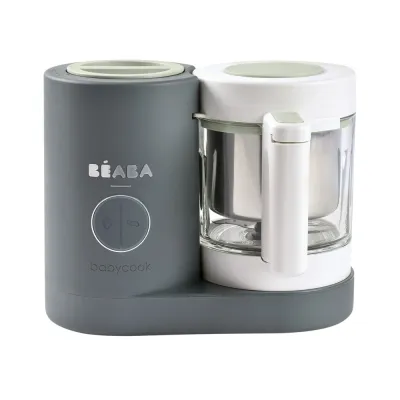
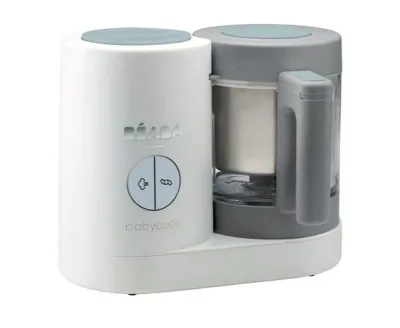
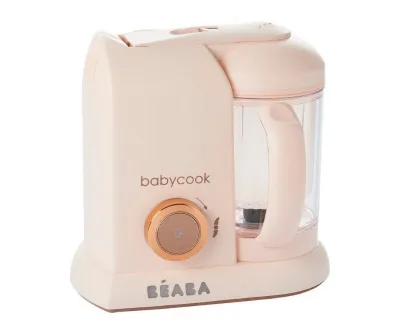
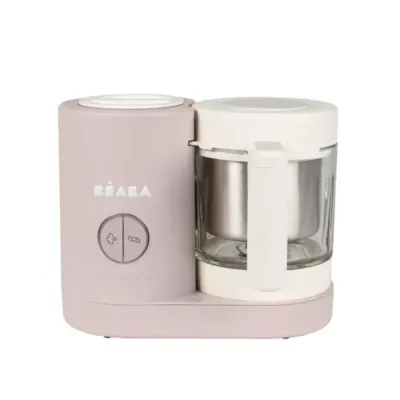
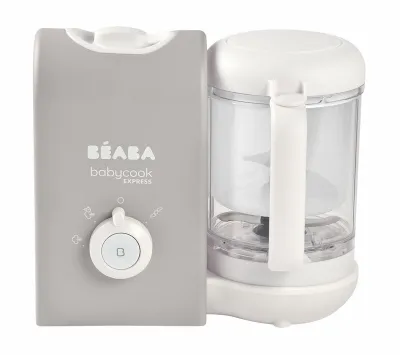
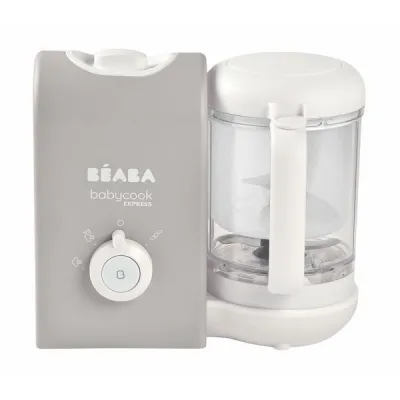
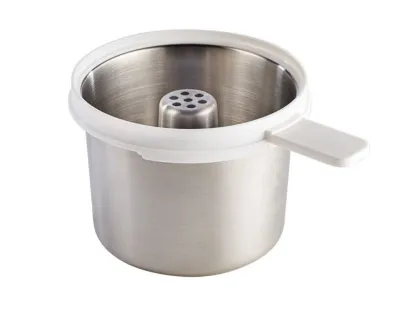
Prices are valid at publication and may change. Please refer to the product page for the latest price.
- Choose the Beaba Babycook Solo if you have limited kitchen counter space, prefer preparing fresh meals every few days, and want a lightweight, straightforward appliance. It is highly efficient for single-child families who do not need to store massive quantities of frozen purees at once.
- Choose the Beaba Babycook Duo if you are parenting twins, managing multiple young children, or prefer dedicated weekly batch-prepping sessions. The dual-bowl configuration allows you to steam savory vegetables on one side while preparing a fruit puree on the other, saving substantial time.
- Choose the Beaba Babycook Neo if you prefer to avoid plastic food-contact surfaces during high-temperature cooking. Its glass bowl and stainless steel basket offer excellent durability and resistance to staining, combined with an updated, easy-to-clean water reservoir.
Before purchasing any model, caregivers should consult their pediatrician or a pediatric nutritionist regarding the appropriate timing for introducing solid foods and the transition of food textures. While these appliances make preparation easier, the developmental stage of your baby should always dictate the consistency of the meals you prepare.
Comparing Bowl Capacity and Batch Sizes
When comparing these appliances, physical bowl capacity is the most practical differentiator because it dictates how much food you can prepare in a single cycle. The manufacturer specifies different maximum capacities for each model, which translates directly into the number of individual portions you can freeze or serve immediately.

Solo Capacity and Portion Yields
The Beaba Babycook Solo is equipped with a plastic bowl that has a total capacity of 1100ml. However, the actual steaming capacity is limited by the size of the plastic steaming basket inserted inside the bowl, which holds approximately 800ml of solid ingredients. In practical terms, a single cycle in the Solo can produce roughly six to eight portions of early-stage purees (assuming a standard starting portion size of 60ml to 90ml). As your baby grows and consumes larger meals of 120ml to 150ml, a single cycle will yield about four to five portions, making it ideal for parents who prefer cooking fresh meals every two to three days.
Duo Capacity and Multi-Zone Cooking
The Beaba Babycook Duo features two identical, independent 1100ml bowls, providing a total combined capacity of 2200ml. This design is highly beneficial because the two sides operate on separate heating elements. You can run a steam cycle in both bowls simultaneously or use one side for steaming while the other blends. For batch preppers, this means you can yield 12 to 16 starter portions of baby food in a single 15-minute cooking window. It also allows you to keep flavors completely separate, preventing sweet fruits from mixing with savory meats or fish during the steaming process.
Neo Capacity and Material Volume
The Beaba Babycook Neo features a single glass bowl with a total capacity of 1250ml, paired with a high-capacity stainless steel steaming basket that holds 1000ml of ingredients. Although the total bowl volume is slightly larger than the Solo, the usable steaming volume is comparable, yielding approximately seven to nine starter portions or five to six toddler-sized portions per cycle. The Neo is designed to strike a balance between a compact countertop footprint and a highly usable food volume, making it a versatile option for families who want premium materials without sacrificing batch size.
Counter Space and Kitchen Footprint
In Singapore, where kitchen counter space in HDB flats and condominiums can be highly limited, the physical footprint of these appliances is an important consideration. The Solo and Neo models feature a vertical, space-saving design that fits easily alongside other countertop appliances. The Duo, by contrast, has a significantly wider horizontal footprint to accommodate the side-by-side bowls. If you choose the Duo, you must ensure you have a dedicated, well-ventilated space on your counter, as the dual steam vents release moisture from both sides during operation, which can accumulate on the undersides of low-hanging kitchen cabinets.
Control Interfaces and Daily Usability
Operating a baby food maker should be intuitive, especially for sleep-deprived parents multitasking in the kitchen. The control mechanisms and interfaces of these three models affect how easily you can start a cycle, monitor its progress, and blend ingredients to the desired consistency.
Manual Dial Interfaces (Solo and Duo)
The Solo and Duo models utilize a classic, mechanical rotary dial located on the front of the unit. To initiate the steaming process, you press the button in the center of the dial. Once the steaming cycle completes, the machine emits an audible beep and the light turns off. To blend, you must physically turn and hold the dial to the right to engage the pulse blending mechanism. This manual pulse system gives you complete tactile control over the food’s texture, allowing you to easily transition from ultra-smooth purees for six-month-olds to chunkier, textured mashes for older infants.
Simplified Button Interface (Neo)
The Neo model replaces the traditional rotary dial with an updated, integrated button interface. It features a dedicated steam button and a separate blending button. This design eliminates the need to twist and hold a mechanical dial, making it slightly more ergonomic for parents who may be holding a baby in one arm. The buttons are integrated into a smooth control panel that is easy to wipe clean, with no crevices where food particles or moisture can become trapped.
The Manual Transfer Requirement
A common misconception among first-time parents is that these appliances automatically transition from steaming to blending. Across all three models—Solo, Duo, and Neo—manual intervention is required. Once the steaming cycle is complete, you must use the included spatula to lift the hot steaming basket out of the bowl, pour out the residual cooking liquid (often reserved to adjust the puree’s thickness), and transfer the steamed ingredients directly into the bowl where the blending blade is mounted. This manual step is a deliberate safety and functional design, ensuring that you can control the exact liquid content of the final puree and prevent the food from becoming too watery.
Alerts and Safety Indicators
All three models feature automatic shut-off mechanisms that turn off the heating element once the water in the reservoir has completely evaporated, preventing the unit from overheating. They also include visual indicators, such as descaling lights, that alert you when calcium buildup in the heating reservoir is affecting performance. The audible completion alerts on all models are loud enough to be heard from an adjacent room, allowing caregivers to attend to their children while the food cooks.
Material Build and Specific Functional Features
The materials used in these appliances directly impact their long-term durability, chemical safety profile, and how easy they are to clean. While all models are designed to meet strict safety standards, their structural differences are significant.
Bowl and Basket Materials
The Solo and Duo models utilize bowls made from high-grade copolyester (Tritan) and steaming baskets made from polypropylene. These materials are certified BPA, BPS, and lead-free, offering a highly lightweight and shatterproof construction. However, plastic components are susceptible to minor scratching over time from repeated blending and can become discolored when processing foods rich in natural pigments, such as carrots, pumpkins, or sweet potatoes. The Neo addresses this by using a heavy-duty glass bowl manufactured in partnership with Duralex, paired with a marine-grade stainless steel steaming basket. This glass-and-steel construction completely eliminates plastic contact with hot food, resists scratching, and will not stain or retain food odors.
Functional Versatility: Defrosting and Reheating
Beyond steaming and blending, all three units are capable of defrosting and reheating pre-packaged or home-frozen baby food. To do this, you place the frozen food into a heat-safe glass or plastic storage container, set the container directly inside the steaming basket, and run a standard steam cycle. The gentle, circulating steam heats the food evenly without hot spots, which is a safer alternative to microwave heating. The Duo’s dual-bowl system is particularly useful here, as you can defrost a portion of meat puree in one bowl while steaming fresh vegetables in the other.
Water Reservoir Access and Maintenance
Maintaining the cleanliness of the water reservoir is critical for preventing mold growth and mineral scale accumulation. The Solo and Duo models feature integrated internal water reservoirs with relatively narrow openings. Filling these reservoirs requires care, and visually inspecting the interior for scale buildup can be difficult. The Neo features a significantly improved, wide-mouth stainless steel reservoir with a fully removable lid. This design allows you to easily see inside, wipe the reservoir dry after each use, and descale the heating element thoroughly, which is a major advantage for long-term hygiene.
Decision Matrix: Matching the Model to Your Family's Routine
To help you choose the most suitable model, evaluate how each appliance aligns with specific parenting lifestyles, household spaces, and preparation preferences.
Profile 1: The Space-Conscious Daily Cook
- Best Fit: Beaba Babycook Solo
- Scenario: You live in a compact urban apartment or HDB flat with limited counter space. You prefer to prepare fresh meals for your baby every two to three days rather than storing large quantities of frozen food. You want a lightweight machine that is easy to move, store in a cabinet when not in use, and carry along if traveling to a caregiver's home.
Profile 2: The High-Volume Batch Prepper
- Best Fit: Beaba Babycook Duo
- Scenario: You have twins, multiple young children close in age, or a busy work schedule that requires you to dedicate one afternoon a week to preparing and freezing large batches of baby food. You have ample counter space and value the ability to cook sweet and savory ingredients simultaneously without cross-contaminating flavors.
Profile 3: The Material-Conscious Parent
- Best Fit: Beaba Babycook Neo
- Scenario: You prioritize premium, eco-designed kitchenware and prefer to avoid plastic food-contact surfaces during high-temperature steaming. You want an appliance that is exceptionally easy to clean, features an accessible water reservoir, and is built to last through multiple children, and you do not mind a heavier, more premium unit.
Pre-Purchase Verification Checklist
Before finalizing your purchase of any Beaba Babycook model, ensure you verify the following details to guarantee safety and compatibility:
- Voltage and Plug Compatibility: If you are purchasing in Singapore, verify that the unit is designed for 230V, 50Hz electrical systems and comes equipped with a safety-certified Type G (3-pin) plug. Avoid importing 110V models from other regions, as using them with adapters or voltage converters can pose significant electrical and fire hazards.
- Warranty Coverage: Confirm whether the product is covered by an official local distributor warranty in Singapore. Parallel imported units may not be eligible for local repairs or replacement parts if a defect occurs.
- Replacement Parts Availability: Check that essential consumable parts—such as silicone sealing rings, replacement blades, mixing lids, and descaling liquid—are readily available from authorized local retailers, as these parts will wear out and require replacement over time to maintain a proper seal.
Frequently Asked Questions (FAQ)
Are Beaba Babycook accessories interchangeable between Solo, Duo, and Neo?
No, the major accessories and replacement parts are generally not interchangeable between these models due to differences in physical dimensions, shapes, and materials. The glass bowl and stainless steel basket of the Neo will not fit onto the bases of the Solo or Duo models. Similarly, the mixing lids, splash guards, and blending blades are specifically engineered for their respective models to ensure a watertight seal and proper motor engagement. Swapping parts between different models can compromise the seal, cause hot liquid or steam to leak, and potentially damage the motor or void your warranty. Always purchase replacement parts that are explicitly labeled for your specific model.
What is the recommended descaling frequency for each model?
Beaba recommends descaling the water reservoir approximately every 50 steam cycles, or whenever the descaling indicator light (often integrated into the power button) illuminates. In areas with hard municipal water, mineral scale can build up quickly on the heating element, leading to longer steaming times, uneven heating, or premature automatic shut-off. To descale, ensure the unit is cold and unplugged. Pour a mixture of 100ml of water and 100ml of food-grade white vinegar (or Beaba’s official descaling liquid) into the reservoir. Let it sit cold overnight to dissolve the mineral deposits. Do not turn on the heating element during this process. In the morning, pour out the liquid, rinse the reservoir thoroughly with clean water, and run one or two steam-only cycles with plain water to eliminate any residual vinegar smell before preparing food again.
Community discussion
Share your experience or ask a question. Comments are reviewed before publication.