
When choosing a laundry detergent for your newborn, understanding the ingredient list is the most reliable way to ensure it is safe for their delicate skin. While B&B baby laundry detergent is formulated specifically for infants, formulations can vary by region, batch, and product type. Parents must learn how to read the physical label, identify gentle cleaning agents, and recognize potential irritants to make an informed decision for their baby’s laundry routine.
Evaluating a detergent requires looking past marketing claims and focusing on the actual chemical composition. By understanding how infant skin interacts with fabric residues and taking practical steps to test new products, you can protect your baby from unnecessary skin irritation while keeping their clothes clean and soft.
Understanding Newborn Skin and Detergent Sensitivities
A newborn baby’s skin is remarkably delicate, undergoing rapid development during the first few months of life. Unlike adult skin, an infant’s outer skin layer is significantly thinner and more permeable, making it highly susceptible to environmental irritants and chemical absorption. The natural protective barrier is still forming, meaning substances that come into direct, prolonged contact with their skin can easily penetrate and cause irritation.
Products mentioned in this guide
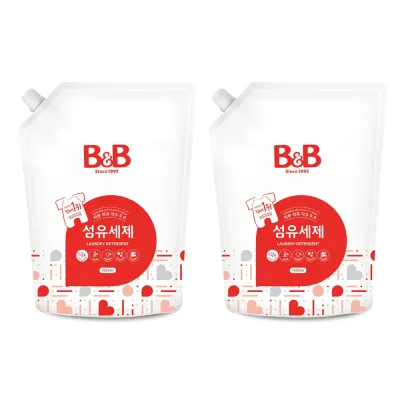
![[2-Pack] B&B Fabric Detergent](https://img.lazcdn.com/g/p/f98f59cbb338aa7a62f957af1e780f6f.png_400x400q80.png_.webp)
Prices are valid at publication and may change. Please refer to the product page for the latest price.
Clothing, swaddles, and bedding are in constant contact with a baby’s skin throughout the day and night. If a laundry detergent does not rinse out completely, microscopic chemical residues remain trapped within the fabric fibers. As the baby moves, sweats, or rubs against these fabrics, the friction can transfer these residues onto the skin, disrupting the natural moisture barrier and triggering localized irritation.
Standard family detergents are often formulated to tackle heavy stains, grease, and odors using strong chemical agents. These products frequently contain high levels of harsh surfactants, synthetic fragrances, and optical brighteners designed to make clothes look and smell cleaner. In contrast, dedicated baby detergents are formulated with a focus on high rinsability and a neutral or slightly acidic pH that closely matches the natural pH of infant skin, minimizing the risk of stripping away essential lipids.
How to Verify B&B Baby Laundry Detergent Ingredients
When evaluating B&B baby laundry detergent, the most reliable source of information is the physical packaging of the specific bottle or refill pack you purchase. Manufacturers frequently update their formulations to comply with local regulations or to improve product performance, meaning online reviews or older blog posts may reference outdated ingredient lists. Always locate the ingredient panel on the back of the bottle to review the exact chemical composition of the batch in your hands.

For a deeper dive into the chemical safety profile of the detergent, parents can search for the product’s Safety Data Sheet (SDS) or contact the brand’s official distributor. Authorized online retail listings and official brand websites often host downloadable ingredient disclosures or detailed product manuals. These documents provide a comprehensive breakdown of every component, including trace elements and preservatives that might not be fully detailed on a standard retail label.
It is also important to recognize that formulations under the same brand name can vary significantly based on the product format and regional distribution. For instance, a liquid detergent, a powder detergent, and detergent fabric softeners will utilize entirely different surfactant systems and preservative complexes. Additionally, scented variants will contain fragrance compounds that are completely absent in unscented or hypoallergenic versions, making it essential to evaluate each specific bottle individually.
Evaluating Common Baby Detergent Ingredients
To determine if a detergent is suitable for your newborn, you must look closely at the specific ingredients listed on the packaging. Understanding which components are gentle and which ones pose a risk of irritation will help you make a safer choice for your family.
Gentle Ingredients Typically Suitable for Newborns
When reviewing the ingredient list on your baby detergent, look for mild, non-ionic surfactants, which are often derived from natural sources like coconut or corn (such as alkyl polyglucosides or decyl glucoside). These cleaning agents are highly effective at lifting organic soils and milk stains from fabric fibers while remaining exceptionally gentle. Crucially, non-ionic surfactants rinse away much more cleanly than their anionic counterparts, leaving minimal residue behind to irritate sensitive skin.
Plant-derived enzymes are another valuable addition to high-quality baby detergents, targeting specific stains like proteins from formula, breast milk, or baby food. Enzymes such as amylase, protease, and lipase break down tough stains at lower water temperatures without the need for aggressive scrubbing or harsh chemical solvents. Because they target the stain itself rather than stripping the fabric, they help maintain the softness of the clothing while keeping the washing process gentle.
A truly gentle formulation will prioritize either a completely fragrance-free profile or a carefully evaluated, hypoallergenic scent. For newborns, fragrance-free options are highly recommended, as they eliminate the complex synthetic compounds often used to create long-lasting perfumes. If a scent is present, it should come from extremely low concentrations of non-sensitizing botanical extracts, though parents must still monitor how their individual child reacts to these natural additives.
Potential Irritants to Watch Out For
Optical brighteners are synthetic chemicals added to many conventional detergents to make fabrics appear whiter and brighter by absorbing ultraviolet light. These chemicals do not actually clean the clothes; instead, they are designed to deliberately stick to the fabric fibers and remain there even after multiple rinses. For a newborn with a compromised or developing skin barrier, these lingering chemical deposits can easily trigger contact dermatitis and persistent itching.
Synthetic dyes and strong artificial fragrances are among the most common culprits behind pediatric skin allergies and respiratory sensitivities. Even natural essential oils, which are often marketed as safe alternatives, contain volatile organic compounds that can be highly sensitizing to a newborn’s delicate respiratory tract and skin. Preservatives such as methylisothiazolinone (MI) or parabens, used to prevent bacterial growth in liquid detergents, should also be carefully cross-referenced, as certain individuals may exhibit strong sensitivities to them.
Harsh anionic surfactants, such as sodium lauryl sulfate (SLS), are highly effective foaming agents but are known to strip the skin of its natural oils and moisture. While they are efficient at cutting through grease, their strong binding affinity to skin proteins means that any residue left on the fabric can cause dryness, redness, and irritation. When checking the label, parents should look for formulations that avoid these aggressive foaming agents in favor of milder, skin-friendly alternatives.
Practical Steps to Test and Monitor Detergent Safety
Before washing an entire wardrobe of newborn clothes with a new detergent, it is highly recommended to perform a controlled home patch test. Select a single, non-essential fabric item that comes into direct contact with the baby’s skin, such as a small swaddle blanket or a cotton washcloth. Wash this item separately using the new detergent, dry it thoroughly without fabric softeners, and let your baby use or wear it for a day while closely monitoring their skin for any localized reactions over the next 24 hours.
Optimizing your laundry routine can also significantly reduce the risk of skin irritation, regardless of the detergent brand you choose. Always measure the detergent carefully according to the manufacturer’s instructions, avoiding the common mistake of using too much liquid for small loads. Additionally, program your washing machine to run an extra rinse cycle to ensure that every trace of surfactant is thoroughly flushed out of the fabric fibers. This is especially important in humid climates where clothes are often dried indoors, as lingering dampness combined with detergent residue can exacerbate skin friction and irritation.
Parents should actively monitor their baby’s skin for early signs of contact dermatitis or irritation. This typically presents as localized patches of dry, rough, or peeling skin, unexplained redness, or small raised bumps in areas where clothing fits snugly, such as the collar, cuffs, or diaper line. Increased fussiness or scratching can also indicate that the fabric is causing physical discomfort, even if visible redness has not yet fully developed.
If you observe any signs of skin irritation, stop using the detergent immediately and re-wash all of the baby’s clothing in plain, hot water to strip away any remaining residues. If the redness, dryness, or rash persists, spreads, or is accompanied by signs of infection such as oozing or extreme discomfort, consult a pediatrician or a qualified dermatologist. Never attempt to treat a suspected chemical reaction with over-the-counter medicated creams without professional medical guidance.
Frequently Asked Questions (FAQ)
Can I use baby laundry detergent for the whole family's clothes?
Yes, baby laundry detergent can safely and effectively be used to wash the entire family’s clothing. This is often a highly practical choice for households looking to simplify their laundry routine and prevent cross-contamination of residues on shared fabrics, such as bedding or towels. Adults who suffer from eczema, psoriasis, or general skin sensitivities will often benefit greatly from switching to a milder, fragrance-free baby formulation.
However, there are a few practical trade-offs to consider when making this transition. Baby detergents are formulated to be gentle, which means they may lack the heavy-duty enzymes or chemical boosters required to lift tough adult stains, such as heavy grease, sweat, or outdoor dirt. Additionally, baby-specific detergents often carry a higher price point per load, making it a more expensive option for washing large volumes of adult clothing on a regular basis.
Do I need to wash new baby clothes before using them, even with a gentle detergent?
Yes, it is essential to wash all new baby clothes, bedding, and fabric toys before they ever come into contact with your newborn’s skin. During the manufacturing process, textiles are frequently treated with chemical finishes, starches, and anti-wrinkle agents to keep them looking pristine on store shelves. These industrial residues, along with dust and bacteria accumulated during shipping and handling, can easily trigger severe skin irritation or allergic reactions on a newborn’s highly permeable skin.
Washing these items beforehand with a gentle, baby-safe detergent effectively strips away these manufacturing chemicals and transit contaminants. Furthermore, a pre-wash helps to soften stiff new fabrics, making them much more comfortable and less abrasive against your baby’s delicate skin. Taking this simple precautionary step ensures that the very first layer of fabric touching your newborn is as clean, soft, and safe as possible.
Community discussion
Share your experience or ask a question. Comments are reviewed before publication.