
Welcoming a newborn baby into your home brings an immediate focus on safety, particularly regarding what touches your infant’s highly sensitive, permeable skin. Because baby clothes, swaddles, and bedding remain in constant contact with your child throughout the day and night, choosing the right laundry detergent is a critical decision. Many parents in Singapore consider B&B (Baby & Basic), a popular Korean brand, for their baby laundry needs. However, determining whether B&B baby detergent is safe for your newborn requires looking beyond front-of-pack marketing claims and closely evaluating the specific ingredients, your baby’s unique skin profile, and proper washing practices.
Newborn skin is fundamentally different from adult skin. It is up to thirty percent thinner, loses moisture more rapidly, and has an underdeveloped skin barrier that absorbs environmental chemicals more easily. Consequently, residues left behind by standard household detergents can quickly cause irritation, dryness, or contact dermatitis. Evaluating B&B baby detergent involves understanding what goes into their formulas, how these ingredients interact with infant skin, and how to safely introduce any new laundry product into your household routine.
Quick Answer: Is B&B Baby Detergent Safe for Newborns?
While B&B formulates its products specifically with infants in mind, whether a specific B&B baby detergent is safe for your newborn depends on the product variant, your baby’s individual skin sensitivity, and proper usage. B&B offers several laundry products, including liquid detergents, fabric softeners, and stain removers. To ensure maximum safety, parents must check the specific bottle’s ingredient list and look for verified testing claims, such as dermatological testing or hypoallergenic certifications, printed directly on the packaging.
Products mentioned in this guide
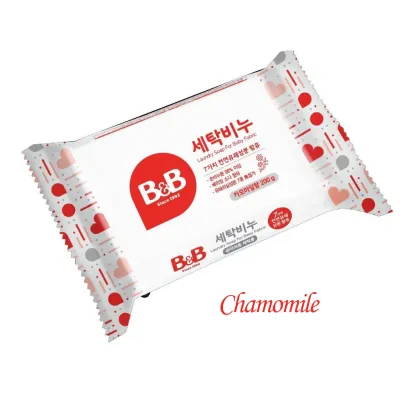
Prices are valid at publication and may change. Please refer to the product page for the latest price.
Because newborn skin is highly permeable and sensitive, it is highly recommended to choose fragrance-free and dye-free variants explicitly formulated for newborns or sensitive skin. Even when using a product designed for babies, you should closely monitor your infant’s skin reaction during the first few uses. No single detergent is guaranteed to be completely allergen-free for every baby, making a cautious, observant approach essential when washing your newborn’s first few loads of laundry.
How to Check the Ingredient Label on Your B&B Bottle
When purchasing B&B baby detergent, the first step is to locate the full ingredient list on the physical packaging. This list is typically found on the back label. In Singapore, imported baby products sometimes feature translated sticker labels placed over the original text. Always ensure you can read the complete, translated ingredient list rather than relying solely on the front-facing marketing claims. Front labels often highlight appealing terms like “natural,” “gentle,” or “mild,” but these are unregulated marketing terms that do not substitute for a detailed chemical breakdown.

To properly evaluate the bottle, look past the main branding and identify the primary cleaning agents, preservatives, and any added fragrances. A safe baby detergent should clearly list its active ingredients, allowing you to verify that it does not contain harsh industrial chemicals. Look for specific dermatological testing badges or hypoallergenic certifications from recognized testing bodies, which indicate the formula has undergone clinical safety evaluations.
If your baby has a documented family history of eczema, extremely dry skin, or contact allergies, cross-reference the ingredients on the B&B bottle with known skin irritants. Keep a record of any ingredients that have previously triggered reactions in your family. If the ingredient list on the bottle is incomplete, unclear, or missing, contact the manufacturer directly to request the full safety data sheet before using the product on your newborn’s clothing.
Understanding Common Baby Detergent Ingredients
To make an informed decision, it helps to understand the common categories of ingredients used in baby detergents and how they function during the wash cycle.
Surfactants and Cleaning Agents
Surfactants are the primary active ingredients in any detergent, responsible for breaking up oils, lifting dirt, and suspending soil in the water so it can be rinsed away. In baby detergents, the choice of surfactant is critical. Standard adult detergents often rely on strong anionic surfactants like Sodium Lauryl Sulfate (SLS) or Sodium Laureth Sulfate (SLES), which can strip the skin’s natural lipid barrier and cause dryness or irritation.
B&B baby detergents typically utilize milder, plant-derived surfactants, such as those derived from coconut or corn (for example, coco-glucoside or lauryl glucoside). These non-ionic surfactants are selected because they clean effectively at lower temperatures while remaining significantly gentler on the skin barrier. When checking your B&B bottle, verify that the surfactants listed are plant-based and free from harsh industrial degreasers that are unsuitable for infant wear.
Preservatives and Stabilizers
Liquid detergents contain water, which makes them highly susceptible to bacterial and mold growth over time. To prevent contamination, manufacturers must include preservatives and stabilizers in their formulas. This is particularly important in Singapore’s hot, humid climate, where open detergent bottles stored in laundry areas can easily become breeding grounds for microbes.
Common preservatives used in gentle detergents include sodium benzoate, potassium sorbate, or phenoxyethanol. While these ingredients are necessary to keep the product sanitary and safe for use, certain preservatives can still act as sensitizers for a small subset of highly sensitive babies. Carefully check the label to identify the specific preservatives used, and understand that their inclusion is a safety measure to prevent harmful microbial contamination on your baby’s garments.
Fragrances, Dyes, and Optical Brighteners
Fragrances, dyes, and optical brighteners are cosmetic additives that do not contribute to the actual cleaning performance of a detergent, yet they represent the most common triggers for skin irritation and allergic reactions in newborns. Synthetic fragrances contain complex mixtures of chemicals that can easily penetrate a newborn’s thin skin barrier. Dyes are added solely for aesthetic appeal in the bottle but serve no functional purpose on the clothes.
Optical brighteners are synthetic chemicals designed to adhere to fabric fibers and reflect light, making yellowed or dull fabrics appear whiter and brighter. Because these chemicals are engineered to remain on the fabric after the rinse cycle, they stay in direct, prolonged contact with your baby’s skin. This continuous contact can cause mechanical friction and chemical irritation. For newborns, it is highly advisable to select B&B variants that are completely fragrance-free, dye-free, and formulated without optical brighteners.
How to Spot Skin Sensitivity and When to Stop Use
Even when using a high-quality baby detergent like B&B, you must remain vigilant for signs of skin sensitivity. Contact dermatitis in newborns can present in several ways. Look for unexplained redness, localized dry or flaky patches, or raised red bumps. These symptoms often appear first in areas where clothing fits tightly against the skin, such as around the collar, cuffs, waistband, or diaper area, where friction increases chemical transfer from the fabric to the skin.
If you observe any signs of skin irritation or if your baby becomes unusually fussy after wearing freshly washed clothes, establish a clear safety boundary: stop using the detergent immediately. Do not attempt to resolve the issue by simply reducing the dosage or diluting the detergent with more water. Diluting the product compromises its cleaning efficacy—potentially leaving behind biological soils like milk spit-up or urine that can also irritate the skin—without eliminating the underlying allergen.
Once you suspect a laundry detergent reaction, take the following steps:
- Stop using the product: Immediately set the detergent aside.
- Rewash the garments: Wash all of the baby's affected clothing, bedding, and towels again using plain, warm water or a laundry detergent you have previously verified as safe.
- Monitor the skin: Keep the skin clean and dry, and observe if the rash begins to clear over the next few days.
- Consult a professional: If the redness, swelling, or rash persists, spreads, or causes your baby visible discomfort, consult a pediatrician or dermatologist. Bring the detergent bottle or a photo of the ingredient list to your appointment to help the doctor identify potential triggers.
Washing and Rinsing Best Practices for Newborn Clothes
Proper laundry techniques are just as important as choosing the right detergent. To minimize the risk of skin irritation, always follow these practical guidelines:
First, strictly adhere to the dosage instructions printed on the B&B bottle. Using more detergent than recommended does not make clothes cleaner; instead, it creates excess suds that are difficult for washing machines to rinse out. This leaves a soapy residue embedded in the fabric fibers, which can rub against your baby’s skin and cause irritation.
Second, always utilize an extra rinse cycle on your washing machine. Modern high-efficiency washing machines use minimal water, which can sometimes leave trace amounts of detergent on thick fabrics like swaddles, sleep sacks, and hooded towels. An additional rinse cycle helps ensure that all surfactant residues and suspended soils are thoroughly flushed out of the fabric.
Finally, ensure all baby clothes are completely dried before storing them. In Singapore’s humid climate, drying clothes indoors in poorly ventilated spaces can lead to lingering dampness. This moisture allows mold, mildew, and bacteria to develop on the fabric, which can trigger both skin irritation and respiratory issues. If you do not have access to outdoor drying in direct sunlight, use a clothes dryer or place a dehumidifier in your indoor drying area to ensure garments are thoroughly dry. Always check the manufacturer’s care label on your baby’s garments to verify the recommended drying temperature.
Frequently Asked Questions (FAQ)
Can I use regular adult detergent for newborn clothes if I double the rinse cycle?
Using regular adult detergent for newborn clothes is not recommended, even if you run an extra rinse cycle. Adult detergents are formulated to tackle heavy soils, body odors, and synthetic fabrics, meaning they often contain much stronger surfactants, complex stain-removing enzymes, synthetic perfumes, and optical brighteners. These chemicals are designed to bind tightly to fabric fibers and are highly resistant to being washed away. Because newborn skin is exceptionally thin and sensitive, even trace residues of these heavy-duty chemicals can easily trigger contact dermatitis, itching, or redness.
Do I need to wash new baby clothes before the first use?
Yes, you should always wash all new baby clothes, bedding, muslin swaddles, and towels before your newborn wears or uses them. During the manufacturing, packaging, and shipping processes, fabrics are frequently treated with chemical sizing agents, starch, and anti-mildew preservatives to keep them looking pristine on store shelves. Additionally, garments can accumulate dust, dirt, and microbial contaminants during transit and retail handling. Washing these items first with a gentle baby detergent removes these manufacturing residues and environmental contaminants, ensuring that only clean, safe fabric touches your newborn’s skin.
Community discussion
Share your experience or ask a question. Comments are reviewed before publication.