
A safe sleep environment is the single most important consideration when preparing for a newborn’s arrival. To ensure a bassinet is safe for unsupervised sleep, it must comply with rigorous, recognized safety standards such as ASTM F2194 or EN 1130. Beyond these certifications, a compliant bassinet must feature a firm, flat mattress with a snug fit, breathable mesh sides of adequate height, and robust, self-locking mechanisms.
While aesthetic appeal and convenient features like folding frames or built-in speakers are attractive, they must never compromise structural integrity. Selecting a certified model and verifying its physical safety features firsthand provides the foundation for a secure sleep space. This guide outlines the essential certifications, physical safety checks, and design warning signs to look for before making your purchase.
Why Verified Safety Standards Are Non-Negotiable
Newborns sleep up to 18 hours a day, making their sleep environment the space where they spend the majority of their early life unsupervised. During these first few months, an infant’s respiratory system and motor skills are still developing, leaving them highly vulnerable to environmental hazards. A sleep space that lacks verified structural safety can pose silent, immediate risks that are difficult to anticipate without professional testing.
Products mentioned in this guide
![[FREE GIFT] Mastela 6 in 1 Deluxe Multi-Functional Baby Bassinet (Oval)](https://img.lazcdn.com/g/p/0d5274b4750543041b9c68de774d27d0.jpg_400x400q80.jpg_.webp)
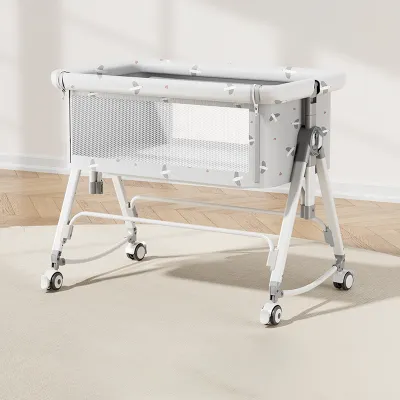
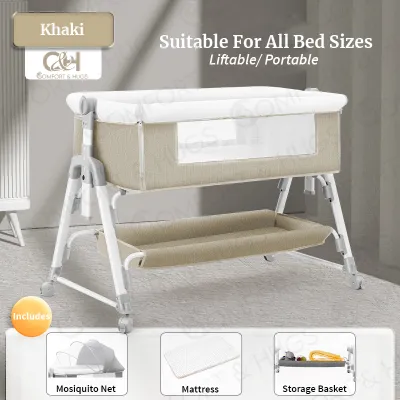
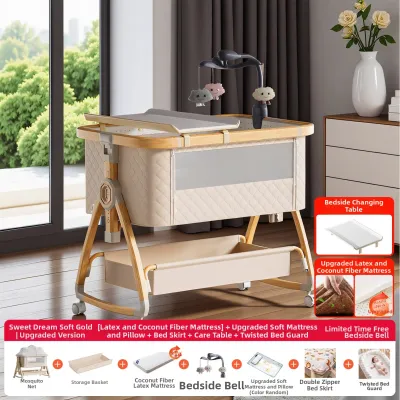
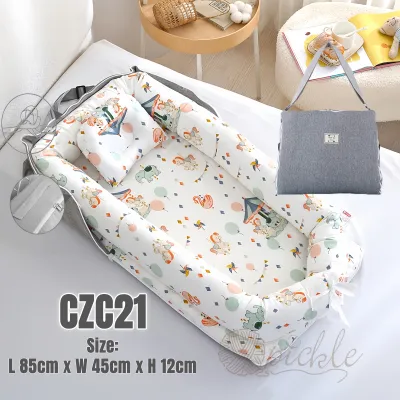
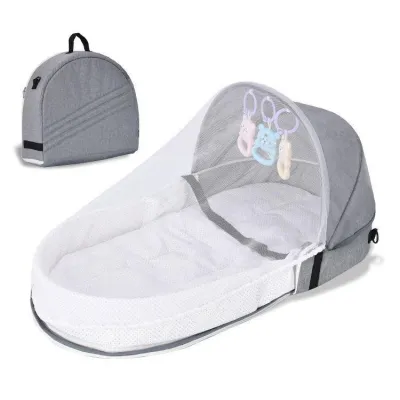
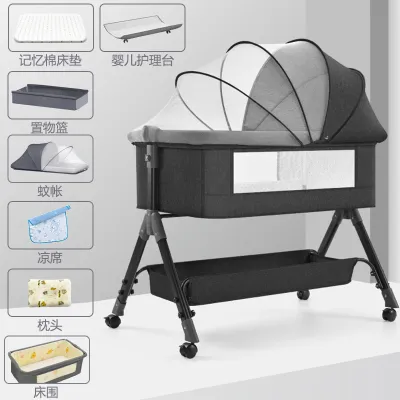
Prices are valid at publication and may change. Please refer to the product page for the latest price.
Unverified or poorly designed sleep spaces carry severe physical risks, including suffocation, entrapment, and structural collapse. Suffocation can occur if a mattress is too soft or if there are gaps between the mattress and the bassinet walls. Entrapment hazards arise when decorative slats or poorly fitted fabric panels create spaces where a baby’s head or limbs can become wedged. Structural collapse is often the result of weak joints, cheap plastics, or faulty folding latches that fail under the baby’s weight or when the unit is moved.
Many manufacturers use vague marketing terms like “baby-safe,” “pediatrician-approved,” or “non-toxic” to appeal to parents. These phrases are frequently self-declared and do not guarantee that the product has undergone any physical testing. True safety is only verified when a product passes standardized, independent laboratory testing that subjects the bassinet to real-world stress, weight, and environmental simulations.
Treating the bassinet as a critical piece of safety equipment rather than a mere piece of nursery furniture changes how you evaluate your options. Relying on established safety frameworks is your first and most reliable line of defense. By ensuring your chosen model meets strict regulatory benchmarks, you significantly reduce the risk of preventable sleep accidents.
Recognized Safety Certifications and Labels to Check
Navigating the world of baby gear requires looking past branding to find verified certification marks. Because many nursery products are manufactured for a global market, you will often see a mix of international and regional safety labels on packaging and product manuals. Understanding what these acronyms mean allows you to filter out substandard products quickly.

Major International Testing Standards
When shopping for a bassinet, look for explicit compliance with recognized international standards on the product packaging, law label, or user manual. For products manufactured or sold in North America, the gold standard is ASTM F2194, which is the standard consumer safety specification for bassinets and cradles. In European markets, look for compliance with EN 1130 (the specific safety standard for cribs and bassinets) or EN 1466 (which covers carrycots and stands).
These international standards subject the bassinet to a battery of physical tests that simulate years of wear and tear. Testing protocols include placing heavy test weights inside the unit to check for structural sagging, applying lateral force to ensure the frame will not tip over, and checking that all paint and fabric finishes are free of lead and other harmful chemicals. They also mandate specific minimum heights for the side walls to prevent a baby from falling out.
Always verify that the standard cited on the product label specifically applies to bassinets, cribs, or cradles. Some manufacturers attempt to mislead buyers by claiming compliance with general toy safety standards (like ASTM F963) or general furniture standards. While these certifications are positive, they do not test for the specific risks associated with an infant sleeping unsupervised in a confined space.
Local Consumer Safety Requirements in Singapore
In Singapore, consumer product safety is overseen by the Consumer Product Safety Office (CPSO), which operates under Enterprise Singapore. While Singapore accepts major international safety certifications like ASTM and EN standards, products sold locally must comply with the Consumer Protection (Safety Requirements) Regulations. This is particularly critical for electronic or motorized bassinets, which must be safe for use with Singapore’s 230V power grid.
When purchasing a bassinet locally, do not hesitate to ask the retailer for proof of compliance or testing certificates if the safety marks are not immediately visible on the packaging. Reputable retailers and authorized distributors should easily be able to provide documentation showing that the product has been tested by an accredited third-party laboratory. If a seller cannot or will not provide this proof, it is best to look elsewhere.
Buying from authorized local distributors or well-known physical and online retailers in Singapore offers an extra layer of protection. These businesses are legally responsible for ensuring the products they import meet local safety standards. Purchasing directly from unverified overseas sellers on global e-commerce marketplaces carries a high risk of receiving counterfeit goods or models that have bypassed essential safety evaluations.
Physical Safety Features That Reflect Compliance
While paperwork and certifications provide peace of mind, verifying the physical features of the bassinet yourself is an essential step. Whether you are examining a floor model in a showroom or assembling the unit in your home, look for specific design elements that demonstrate the product is structurally sound.
Mattress Firmness, Fit, and Breathability
The sleep surface is the most critical component of infant sleep safety. The mattress must be exceptionally firm; when you press your hand down on it, the surface should not conform to your hand or leave an indentation. A soft mattress poses a severe suffocation risk if a baby rolls onto their stomach, as their face can sink into the material and block their airway.
Perform the “two-finger test” around the entire perimeter of the mattress inside the bassinet. If you can fit more than two fingers between the edge of the mattress and the side walls of the bassinet, the mattress is too small. This gap creates a dangerous entrapment hazard where a baby’s head or limbs can become wedged. Always use the exact mattress provided by the manufacturer, and never add extra padding, mattress toppers, or folded blankets underneath the sheet.
Singapore’s hot and humid tropical climate makes breathability a major consideration for infant comfort and safety. While waterproof mattress covers are excellent for hygiene, ensure they are designed with breathable, moisture-wicking materials that do not trap heat. Poorly ventilated mattresses can cause babies to overheat quickly, which is a known risk factor for sleep-related accidents. Look for mesh panels or specialized aerated foam cores that promote continuous airflow.
Locking Mechanisms and Structural Stability
If the bassinet is designed to fold for travel, storage, or co-sleeping access, the folding joints and hinges must be incredibly secure. Inspect these joints to ensure they feature automatic locking mechanisms that engage fully when the unit is set up. These locks should require a deliberate, multi-step physical action to release, ensuring they cannot be accidentally triggered by a sibling, a pet, or the baby’s own movements.
Test the overall stability of the frame by placing both hands on the top rails and applying moderate downward and lateral pressure. The bassinet should feel solid and grounded, with minimal wobbling, swaying, or flexing of the frame. Any excessive creaking or movement indicates poor structural design or loose assembly, which could lead to a collapse over time.
If the model features wheels or casters for easy movement around your home, verify that every single wheel is equipped with a dedicated, heavy-duty lock. These locks must be engaged at all times when the baby is sleeping inside. If you do not plan to move the bassinet frequently, consider removing the wheels entirely if the manufacturer’s design allows for it, ensuring the unit remains completely stationary.
Side Heights and Mesh Breathability
The side walls of the bassinet must be tall enough to keep your baby secure as they grow and become more active. Most international safety standards dictate that the distance from the top of the mattress to the upper edge of the side wall must be at least 190 mm to 200 mm. This height prevents a rolling or shifting baby from accidentally tumbling over the side.
Mesh sides are highly recommended because they allow for maximum airflow and give you a clear line of sight to your baby from your own bed. However, the mesh itself must be inspected closely. The weave must be exceptionally fine—small enough that tiny fingers, toes, or clothing buttons cannot get caught in the holes, yet open enough to allow air to pass through freely.
Check the tension of the mesh panels to ensure they do not sag or stretch under pressure. If the mesh is loose or can be easily pushed away from the frame, it can create dangerous pockets where a baby’s face could become pressed, leading to suffocation. The fabric should be taut, securely stitched, and firmly attached to the structural frame of the bassinet.
Common Red Flags and Banned Designs
Recognizing what designs to avoid is just as important as knowing what certifications to look for. Over the years, safety organizations have identified several design features that carry high risks of injury or death, leading to bans and recalls.
Avoid any product marketed as an inclined sleeper, or any bassinet that positions the baby’s head at an angle greater than 10 degrees. Sleep surfaces with an incline pose a severe risk of positional asphyxiation. Because newborns have weak neck muscles, an inclined angle can cause their heavy heads to slump forward onto their chests, compressing their windpipe and silently cutting off their oxygen supply.
Drop-side mechanisms—where one side of the frame slides down vertically on tracks—have been widely banned in cribs and are highly regulated in co-sleeping bassinets. If a drop-side latch fails or is assembled incorrectly, it can create a wedge-shaped gap between the mattress and the side wall, leading to fatal entrapment. If you choose a bedside co-sleeper with a lowering side, ensure it locks securely in the upright position and that the lowered side is only used when the bassinet is securely strapped to the adult bed according to the manufacturer’s instructions.
Be highly skeptical of bassinets that come bundled with soft, plush accessories. Items like padded bumper pads, matching quilts, thick comforters, or decorative pillows should never be placed in a bassinet. These items are major suffocation hazards and violate all standard safe sleep guidelines, which dictate that a baby should sleep on a firm, flat surface with nothing but a fitted sheet.
Finally, inspect the top and base of the bassinet for potential hazards. Heavy, elaborate canopies can fall if the support arm breaks, creating a suffocation risk. Hanging toys or mobiles with strings longer than 22 cm pose a serious strangulation hazard. Additionally, avoid bassinets with narrow, lightweight bases that make the unit top-heavy, as they can easily tip over if bumped by a family pet or an older sibling.
Actionable Steps to Verify Safety Before and After Purchase
Ensuring your baby’s sleep safety involves active verification both before you buy and after the product arrives in your home. Taking these practical steps ensures that your nursery furniture remains safe throughout its period of use.
- Pre-Purchase: Search Recall Databases
Before checking out, search the exact brand and model name on international and local product recall databases. Check the US Consumer Product Safety Commission (CPSC), the Australian Competition and Consumer Commission (ACCC), and Enterprise Singapore's safety alerts. This step is crucial, as recalled products are sometimes still sold by third-party sellers on online marketplaces. - Pre-Purchase: Check Weight and Developmental Limits
Locate the digital instruction manual on the manufacturer's website before buying. Verify the maximum weight limit (which is typically around 9 kg) and the developmental milestones. You must stop using a bassinet immediately when your baby reaches the weight limit, or when they begin to roll over, push up on their hands and knees, or sit up unassisted—whichever comes first. - Post-Purchase: Follow Assembly Instructions Exactly
When assembling the bassinet, follow the instruction manual step-by-step. Use only the hardware provided in the box, and never substitute missing screws with generic hardware from a DIY store. If any parts are missing, damaged, or do not fit together perfectly, contact the manufacturer or authorized distributor for official replacement parts rather than attempting a DIY fix. - Post-Purchase: Perform Routine Safety Inspections
Establish a routine schedule to inspect the bassinet every two to three weeks. Check all structural screws, joint locks, and fabric attachments to ensure they have not loosened with daily use. If you notice any structural flexing, loose seams, or failing latches, discontinue use immediately and consult the manufacturer's customer service or a qualified professional.
Frequently Asked Questions (FAQ)
Are inclined sleepers or rocking bassinets safe for unsupervised newborn sleep?
No, inclined sleepers are not safe for unsupervised sleep. Pediatric and safety authorities universally recommend that infants sleep on a flat, firm surface with an incline of 10 degrees or less to prevent positional asphyxiation. While gentle rocking features can be helpful for soothing a fussy baby under active caregiver supervision, the rocking mechanism must be locked into a stationary, flat position once the baby falls asleep to prevent them from rolling against the side and suffocating.
How can I check if a specific bassinet model has been recalled?
To check for recalls, search the exact brand and model name on official government safety portals, such as Enterprise Singapore’s consumer safety section or the US Consumer Product Safety Commission (CPSC) database. Additionally, always fill out and return the product registration card that comes in the box, or register the purchase on the manufacturer’s official website. This ensures the manufacturer can contact you directly and immediately if a safety alert or recall is issued for your specific model.

Community discussion
Share your experience or ask a question. Comments are reviewed before publication.