
Choosing the right diaper insert depends on your baby’s wetting patterns, your daily routine, and your environmental priorities. There is no single material that outperforms the others in every category; instead, each textile offers distinct physical properties suited to different scenarios.
Hemp inserts are highly regarded for their exceptional liquid capacity, making them ideal for overnight use and heavy wetters. Bamboo inserts offer a balance of luxurious softness and reliable, moderate absorption for daytime wear. Microfiber inserts excel at rapid liquid uptake, drawing moisture away quickly, though they hold less overall volume.
To find the best fit for your cloth diapering system, always check the manufacturer’s specifications. Pay close attention to the number of layers, fabric blends, and care instructions, as these details directly influence daily performance.
Products mentioned in this guide
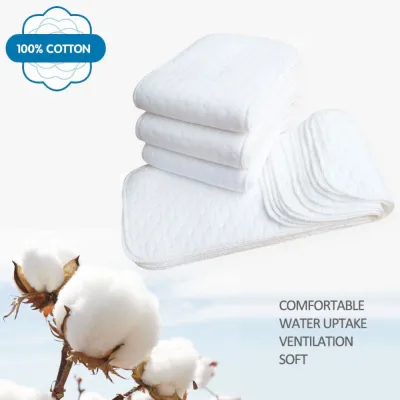
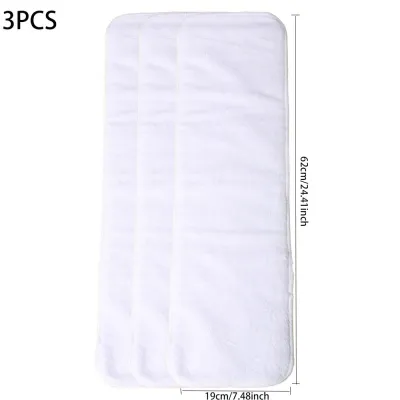
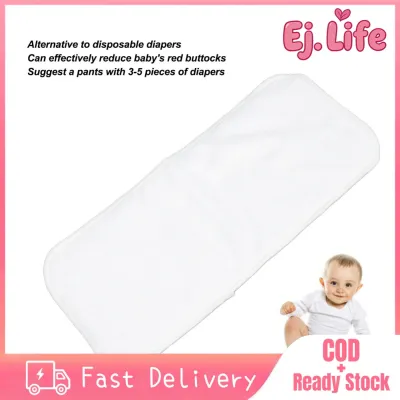
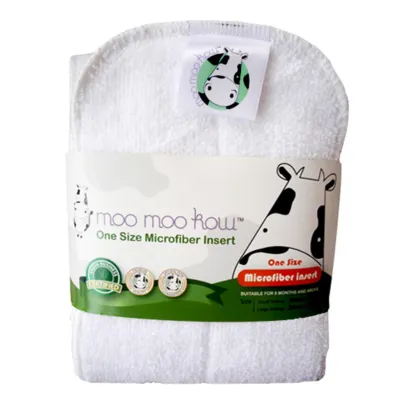
Prices are valid at publication and may change. Please refer to the product page for the latest price.
Understanding Bamboo, Hemp, and Microfiber Inserts
Before comparing performance, it is helpful to understand what these inserts are actually made of, as commercial diaper inserts are rarely composed of a single pure fiber.
Bamboo Inserts Most bamboo inserts on the market are made from bamboo viscose or rayon. This semi-synthetic material is produced by chemically processing bamboo pulp into a soft, highly absorbent fabric. Because the manufacturing process varies between brands, the resulting texture and durability can also differ. Many manufacturers blend bamboo with cotton or polyester to improve the structural integrity of the insert over multiple wash cycles.
Hemp Inserts Hemp is a natural plant fiber known for its incredible strength and durability. Because pure hemp can feel stiff against a baby’s skin, it is almost always blended with organic cotton. This blend creates a more pliable, comfortable insert while retaining the high-capacity absorption properties of the hemp fibers. Hemp-cotton blends are highly resistant to wear, often becoming softer and more absorbent with every wash.
Microfiber Inserts Microfiber is a completely synthetic material made from a blend of polyester and polyamide. The fibers are split to create a massive surface area, allowing the material to trap liquid quickly through capillary action. Microfiber is lightweight, inexpensive, and dries much faster than natural fibers. However, because it is synthetic, it does not have the same structural longevity as natural plant fibers.
When shopping, always verify the exact material composition on the product label. Many inserts marketed as “bamboo” actually contain a hidden microfiber core wrapped in bamboo layers, which changes how the insert behaves during use and washing.
Comparing Absorbency and Daily Performance
Understanding how these fabrics interact with liquid under real-world conditions will help you prevent leaks and keep your baby comfortable throughout the day.

Absorption Speed The rate at which an insert draws in liquid is crucial, especially for babies who flood their diapers quickly. Microfiber is the fastest, absorbing wetness almost instantly upon contact. Bamboo absorbs at a moderate pace, making it suitable for average wetters. Hemp is the slowest of the three, taking longer to pull liquid into its dense fiber structure. If a slow-absorbing insert is flooded too quickly, liquid can run off the sides before it has a chance to sink in.
Total Capacity While microfiber absorbs quickly, its total holding capacity is relatively low. Natural fibers like bamboo and hemp can hold significantly more liquid relative to their weight. Hemp, in particular, has an incredibly dense weave that allows it to store a large volume of liquid in a very slim profile. When evaluating capacity, always check the thickness and layer count of the insert, as a multi-layered bamboo insert may hold more than a thin hemp insert.
Compression Leaks Compression leaks occur when pressure is applied to a wet insert, causing it to release liquid like a squeezed sponge. Microfiber is highly prone to compression leaks, which often happen when your baby sits down, crawls, or rides in a car seat. Natural fibers like hemp and bamboo hold onto liquid much more securely under pressure, making them far more reliable for long car rides, stroller outings, or nap times.
Skin Feel and Safety The texture of the insert against your baby’s skin is a vital comfort factor. Natural fibers like bamboo and hemp are gentle and can generally be placed directly against the skin, though you should always verify this with the manufacturer’s guidelines. Microfiber, however, must never touch your baby’s bare skin. Its synthetic fibers are so effective at drawing moisture that they will strip the natural oils and moisture from the skin, leading to severe dryness, irritation, and redness.
Evaluating Eco-Friendliness and Sustainability
For many families, the decision to use cloth diapers is driven by a desire to reduce environmental impact. However, each insert material carries its own ecological footprint and trade-offs.
Resource Use Hemp is widely considered one of the most sustainable crops available. It grows rapidly, requires minimal water, and typically does not need synthetic pesticides or fertilizers to thrive. Bamboo is also a highly renewable resource that grows incredibly fast without agricultural chemicals. In contrast, microfiber is derived from petroleum, a non-renewable fossil fuel, and its production contributes to the environmental impacts associated with synthetic plastic manufacturing.
Processing Impact While raw bamboo is eco-friendly, converting it into soft bamboo viscose requires intensive chemical processing, often involving harsh solvents. Hemp processing is generally more mechanical and less chemically intensive. To ensure that the processing of either material meets strict environmental and safety standards, look for independent certifications such as Oeko-Tex Standard 100 or the Global Organic Textile Standard (GOTS) on the product packaging.
End of Life and Microplastics Natural fibers like hemp and cotton are biodegradable and will eventually break down at the end of their lifecycle. Microfiber, being plastic-based, is non-biodegradable and will persist in landfills indefinitely. Furthermore, washing synthetic microfiber inserts releases tiny plastic particles, known as microplastics, into the wastewater system, which can eventually find their way into marine environments.
Durability and Lifespan The environmental impact of any product is closely tied to how long it remains in use. Hemp inserts are exceptionally durable and can easily last through multiple children if cared for properly. Bamboo is also quite durable, though the viscose fibers can thin out over years of heavy washing. Microfiber tends to lose its loft and absorbency much faster, meaning you may need to replace synthetic inserts more frequently, increasing overall household waste.
How to Choose the Right Insert for Your Routine
Selecting the right combination of inserts depends on your baby’s age, wetting habits, and your daily lifestyle.
Choose Hemp if:
- You are dealing with a heavy wetter, need a reliable solution for overnight sleep, or want to minimize diaper bulk.
- Hemp's high capacity and resistance to compression leaks make it the ultimate backing layer for long stretches of wear.
- It is also the best choice for families prioritizing long-term durability and minimal environmental impact.
Choose Bamboo if:
- You want a versatile, incredibly soft daytime insert that offers a trimmer fit under clothing.
- Bamboo is excellent for babies with sensitive skin who need a soft, natural material against their body.
- It provides a great balance of moderate absorption speed and solid capacity for standard daytime diaper changes.
Choose Microfiber if:
- You are on a tight budget, need inserts that dry quickly in humid climates, or want a fast-absorbing layer for daytime use.
- Microfiber is highly accessible and works well for frequent daytime changes, provided you always use a pocket diaper shell or a separate stay-dry liner to protect your baby's skin from direct contact.
Verify First: If your baby has sensitive skin or is prone to diaper rash, always check the product labels for potential chemical treatments or synthetic blends. Verify safety certifications to ensure the fabrics are free from harmful substances. If skin irritation or persistent rashes occur, stop using the inserts immediately, review your washing routine, and consult a pediatrician or qualified healthcare professional.
Care and Maintenance for Optimal Absorbency
Proper care is essential to keep your diaper inserts performing at their best and to prevent leaks caused by fabric buildup.
Prepping Natural Fibers Unlike synthetic inserts, natural fibers like hemp and bamboo contain natural plant oils that inhibit absorbency when brand new. To prep these inserts, you must wash them multiple times before their first use. While they will be usable after a few washes, they typically reach their maximum absorbency potential only after several laundry cycles. Wash them separately from your synthetic diapers during this prepping phase to prevent the plant oils from coating your synthetic covers.
Washing Microfiber Microfiber requires careful laundering to maintain its quick-wicking properties. Never use fabric softeners, dryer sheets, or oil-based diaper creams with microfiber, as these products leave a residue that coats the synthetic fibers, causing them to repel liquid. Avoid using chlorine bleach regularly, as it can weaken the synthetic structure over time.
Drying Considerations In warm, humid climates, drying times can vary significantly. Microfiber dries very quickly on a drying rack, making it highly convenient for high-rise apartment living. Natural fibers like hemp and bamboo are much denser and take considerably longer to air-dry. While machine-drying on low heat can speed up the process and keep natural inserts feeling soft, always check the specific brand’s care label, as high heat can degrade any synthetic components or elastics in your diapering system.
Stripping Build-up Over time, inserts can accumulate detergent residue, hard water minerals, or ammonia build-up, leading to persistent odors or sudden leaks. If you notice liquid pooling on top of the insert instead of sinking in, or if the diapers smell clean when dry but stink as soon as they get wet, they may need to be stripped. Follow a safe stripping protocol recommended by your diaper manufacturer to restore the fabric’s original absorbency.
Frequently Asked Questions (FAQ)
Can I use microfiber inserts directly against my baby's skin?
No, you should never place microfiber inserts directly against your baby’s skin. Because microfiber is highly efficient at drawing moisture, it will quickly absorb the natural oils and moisture from your baby’s delicate skin barrier. This can cause severe dryness, chafing, and painful diaper rashes. Always place microfiber inside a pocket diaper sleeve or use a fleece or stay-dry liner as a protective barrier between the insert and your baby.
Is it better to use one thick insert or layer two thinner ones?
Layering two thinner inserts is often much more effective than using a single thick one. By layering, you can customize your diapering system to match your baby’s specific needs. For example, placing a fast-absorbing microfiber or bamboo insert on top of a high-capacity hemp insert combines rapid liquid uptake with deep, leak-resistant storage. When layering, ensure the diaper cover still fits snugly around your baby’s thighs to prevent leg gaps and leaks.
How do I know if my diaper inserts need to be replaced?
You will know your inserts need replacing when they no longer perform effectively despite proper care. Look for physical signs of wear such as thinning fabric, bald spots, fraying edges, or a significant loss of thickness. If your inserts consistently repel liquid, cause leaks, or retain a strong ammonia odor even after a thorough stripping process, it is time to replace them to keep your baby comfortable and dry.
Community discussion
Share your experience or ask a question. Comments are reviewed before publication.