
Selecting the ideal bag in bag organizer for your diaper bag in Singapore requires balancing physical dimensions, structural support, and internal capacity. The “best” organizer is not a single, universal brand; rather, it is the one that matches the exact interior dimensions of your favorite tote or backpack while accommodating your daily baby essentials.
When choosing an insert, you will face a primary trade-off: high-capacity, multi-pocket organizers offer exceptional structure and keep tiny items in place, but they add noticeable base weight to your shoulders. Conversely, lightweight, minimalist inserts preserve the natural flexibility of your bag and keep the overall load light, but they require you to manage loose items more carefully. Before comparing brand features, your mandatory first step is to measure the interior base of your current diaper bag to ensure a seamless fit.
Sizing It Up: Matching Internal Capacity to Your Daily Load
When shopping for a bag in bag organizer, it is easy to assume that external dimensions translate directly to usable internal capacity. In reality, thick padding, rigid internal dividers, and stiff fabrics can significantly reduce the actual volume available for your baby gear. A bulky insert might look organized on a shelf, but once placed inside a tapered tote, it can compress your items and make the bag difficult to zip shut.
Products mentioned in this guide
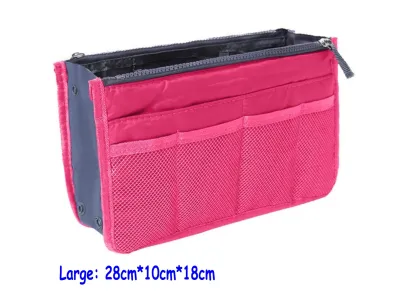
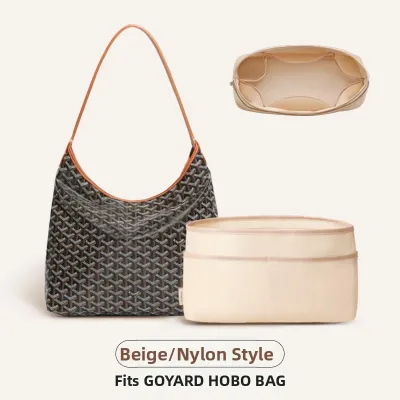
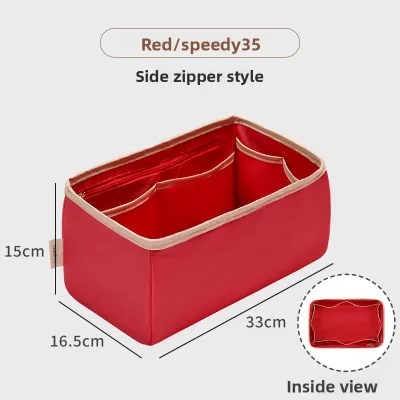
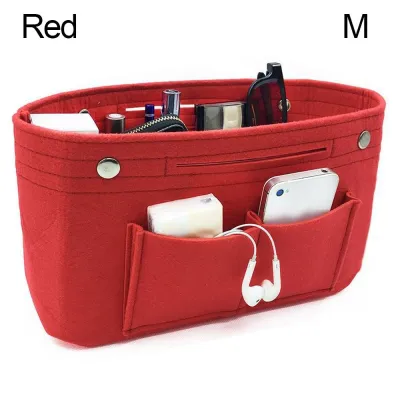
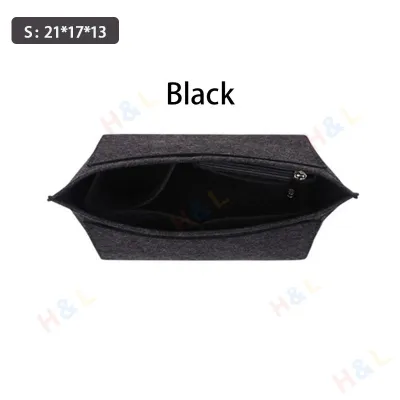
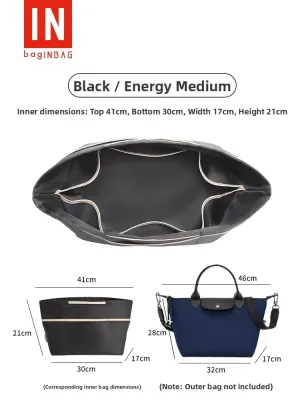
Prices are valid at publication and may change. Please refer to the product page for the latest price.
To determine the capacity you need, evaluate your baby’s current developmental stage, as this dictates the size and type of items you must carry daily:
- Newborn Stage (0 to 6 Months): This period demands the highest volume of physical gear. You will need quick access to bulkier items, including swaddles, multiple changes of clothes to handle spit-ups, diaper rash creams, and a high volume of diapers (typically six to eight for a full day out). A deeper, high-capacity organizer with wide, flexible compartments is essential during this stage.
- Toddler Stage (12 Months and Beyond): As your child grows, the cargo shifts away from bulky clothing and piles of diapers toward snacks, sippy cups, compact travel wipes, and small toys. While you may need less overall volume, you will require highly specific, secure pocketing to prevent food crumbs from spreading and to keep drinks upright.
Another critical factor is the “base weight” penalty of the organizer itself. An empty, highly structured felt organizer can weigh anywhere from 300 to 500 grams before you add a single baby item. When you are commuting on the MRT, navigating busy shopping malls, or carrying your baby in a carrier, every extra gram on your shoulder matters. If you frequently attach your diaper bag to a stroller, a heavy, overloaded bag also increases the risk of the stroller tipping backward when your child steps out.
To find your ideal capacity tier, conduct a quick inventory of your daily essentials using this checklist:
- Diapering Essentials: Number of diapers, travel changing mat, and a pack of wet wipes.
- Feeding Supplies: Bottles, thermos of hot water, formula dispenser, or nursing cover.
- Clothing: At least one complete change of clothes, plus a lightweight swaddle or jacket for air-conditioned indoor spaces.
- Soothing & Play: Pacifiers, teething toys, and small board books.
- Parent's Personal Items: Wallet, keys, mobile phone, hand sanitiser, and a water bottle.
Comparing Brand Design Features That Actually Matter
To choose between different organizer brands and models, you must look closely at their functional design details. The way an insert is constructed directly affects how quickly you can grab a wipe during a diaper blowout or clean up a spilled drink.

Compartment Layout and Accessibility
Organizers generally fall into two layout categories: open, tote-style compartments and highly segmented, zippered pockets. Open layouts offer maximum flexibility, allowing you to drop in larger, oddly shaped items like a bulky toy or a light jacket. However, items can shift during transit if the bag is jostled.
Segmented layouts keep every item in a dedicated slot, which is excellent for finding keys or pacifiers instantly. When looking at segmented designs, pay close attention to the bottle holders. Some brands feature narrow, elasticated pockets designed for standard-neck bottles, while others offer wider, insulated pockets that can accommodate popular wide-neck bottles. If you use wide-neck feeding systems, verify the pocket diameter before buying.
Material and Maintenance
In Singapore’s hot and highly humid climate, the material of your bag in bag organizer is incredibly important. Spilled milk, formula powder, and diaper leaks can quickly lead to mold, mildew, and unpleasant odors if the material is difficult to clean and slow to dry.
- Felt Organizers: Felt is popular because it is sturdy and holds its shape exceptionally well, keeping unstructured totes upright. However, felt acts like a sponge for liquids, is prone to pilling over time, and usually requires spot-cleaning or hand-washing. It also takes a long time to dry in humid weather.
- Nylon and Polyester Organizers: These synthetic materials are lightweight, highly water-resistant, and easy to wipe down with a damp cloth. Many premium nylon inserts are fully machine-washable, making them a much more hygienic choice for long-term use with baby gear.
Structural Integrity
Consider whether you need a soft, slouchy insert or a highly structured one with built-in frames or reinforced bases. A soft, flexible insert conforms naturally to the drape of a relaxed canvas tote or a casual backpack, preserving the bag’s profile. However, it will not help a completely unstructured bag stand upright on a table.
A structured insert with reinforced plastic or cardboard bases can transform a floppy, unstructured designer tote into a highly organized, self-standing diaper bag. The trade-off is that structured inserts are rigid and cannot be compressed, which might make your main bag feel bulky or stiff against your body while carrying it.
Attachment and Portability
If you regularly swap your organizer between a work tote, a casual weekend backpack, and a dedicated diaper bag, portability features are essential. Look for inserts with sturdy, reinforced top handles that allow you to lift the entire organized unit out of one bag and drop it into another in a single motion. Some models also include detachable shoulder straps, allowing you to use the insert as a standalone diaper caddy or a lightweight shoulder bag for quick trips to the changing room.
Decision Framework: Which Organizer Type Fits Your Routine?
To narrow down your choices, map your daily routine and bag preferences to the scenarios below to find the most practical match.
Choose a High-Capacity, Multi-Pocket Insert if:
- You are managing baby gear for multiple children or twins and need to carry double the supplies.
- You prefer strict organization where every single item has a designated home, preventing you from having to dig around in the dark.
- Your primary diaper bag is a large, unstructured tote bag that lacks interior pockets and collapses when placed on a flat surface.
Choose a Lightweight, Minimalist Insert if:
- You use a small or mid-sized diaper backpack or tote and want to keep the overall profile slim.
- You want to minimize the base weight of your carry to reduce shoulder and back strain during long walking trips.
- You only carry the bare essentials for short outings and do not need dozens of tiny compartments.
Choose a Structured, Frame-Supported Insert if:
- Your main diaper bag has no native structure and you want to prevent it from sagging or folding over.
- You carry multiple bottles or flasks of hot water and need them to stay strictly upright to prevent accidental spills inside your bag.
Verify First if:
- You are using a premium, dedicated diaper bag that already features a proprietary insert system, built-in modular pockets, or insulated compartments. Adding a third-party bag in bag organizer to a bag that is already highly compartmentalized can overcrowd the interior, leaving you with less usable space and making it difficult to access your items.
Final Checks: Verifying Fit, Compatibility, and Safety
Before finalizing your purchase, take a few minutes to perform physical measurements and safety checks to ensure your new organizer operates smoothly with your existing gear.
Measure Your Bag Correctly
Do not rely on the manufacturer’s external dimensions for your diaper bag. Instead, grab a measuring tape and measure the interior of your bag:
- Interior Base Width: Measure from the left seam to the right seam along the very bottom of the bag.
- Interior Base Depth: Measure the front-to-back distance along the bottom panel.
- Interior Height: Measure from the bottom panel up to the zipper line or closure mechanism.
When choosing an organizer, select one that is at least 1 to 2 centimeters smaller than your bag’s internal measurements. This small margin of error ensures the insert slides in easily without stretching the outer bag’s seams or distorting its shape.
Check Zipper and Closure Clearance
If your diaper bag has a top zipper, magnetic snap, or drawstring closure, ensure the height of the organizer does not block it. An organizer that sits too high will prevent you from closing your bag securely, leaving your items exposed to sudden rain showers or pickpockets in crowded areas. Additionally, make sure the insert does not interfere with the drop length of your bag’s top handles or shoulder straps.
Stroller Safety and Weight Distribution
Always prioritize safety when packing your organizer. If you plan to hang your diaper bag on your stroller’s handlebar using stroller straps, be highly mindful of the total weight. A heavy, structured organizer packed with full water flasks and metal accessories can easily exceed safe weight limits.
Always check your stroller manufacturer’s user manual for the maximum weight capacity allowed on the handlebar. To prevent the stroller from tipping over and injuring your child, place heavier items at the very bottom of the organizer, and always remove the diaper bag from the handlebar before lifting your child out of the stroller seat.
Frequently Asked Questions (FAQ)
Can I use a regular handbag organizer as a diaper bag insert?
While a standard handbag organizer can help structure a tote, it often lacks the specialized features required for baby care. Regular inserts typically do not have insulated bottle pockets to maintain milk temperature, waterproof linings to contain liquid spills, or easy-access compartments designed for wet wipes and diapers. For better hygiene, spill containment, and convenience, baby-specific organizers made from wipe-clean materials are highly recommended.
Do bag in bag organizers come with insulated bottle pockets?
Many mid-tier and premium diaper bag inserts include built-in insulated bottle pockets, but the thickness of the insulation and pocket diameter vary significantly by brand. Some inserts only offer basic elastic loops without thermal lining, while others feature dedicated foil-lined compartments. If keeping milk or water warm or cool is a priority for your outings, always verify the specific insulation material and pocket dimensions to ensure your bottles will fit.
Community discussion
Share your experience or ask a question. Comments are reviewed before publication.