
Preparing for a full-day outing with your baby requires careful planning, especially when deciding how to transport essential gear. The choice between a backpack diaper bag and a tote diaper bag is more than just an aesthetic preference; it directly impacts your physical comfort, how quickly you can respond to a diaper emergency, and how easily you navigate public spaces.
Neither style is universally superior for every family. The ideal choice depends heavily on your primary mode of transport, whether you prefer hands-free mobility, and how you organize your daily essentials. While backpacks excel in balanced weight distribution and long-distance comfort, totes offer unmatched speed of access for frequent, minor retrievals. This guide breaks down the practical differences to help you choose the best option for your family’s needs.
Comfort and Ergonomics: Carrying Baby Gear All Day
Carrying a fully packed diaper bag over an eight-hour day can place significant strain on your musculoskeletal system. A typical day’s worth of baby gear—including bottles, milk formula, spare outfits, diapers, wipes, and personal items—often weighs between 3kg and 5kg. This weight can quickly lead to fatigue if the bag does not support healthy carrying mechanics.
Products mentioned in this guide
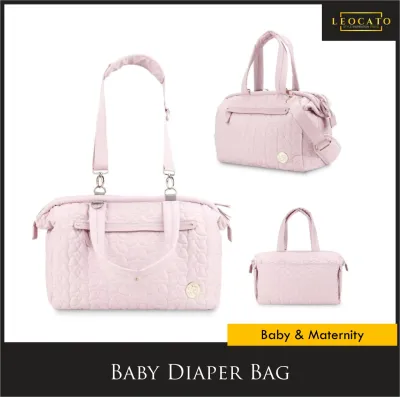
![[2 Yr Local Warranty] Skip Hop Forma Next Nappy Backpack](https://img.lazcdn.com/g/p/fa8751a3e183a531f09586dc0cadccb8.png_400x400q80.png_.webp)
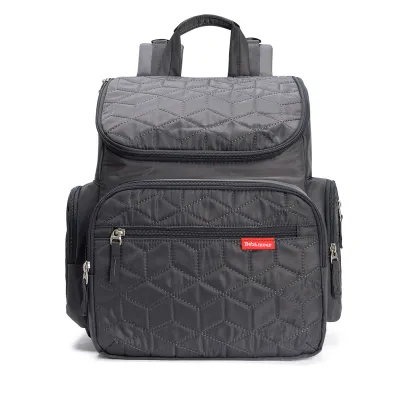
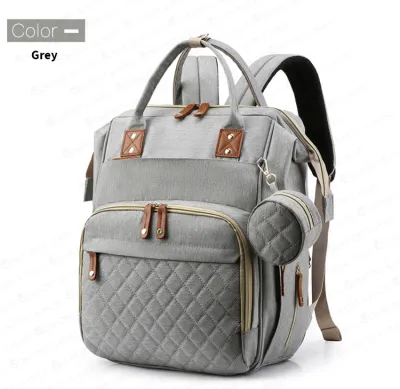
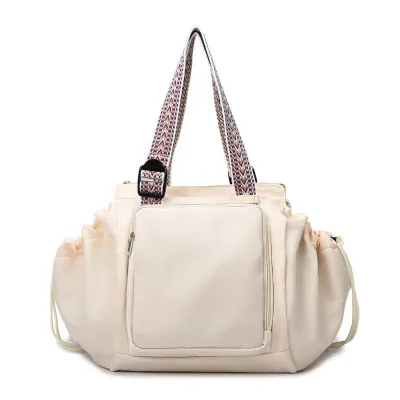
Prices are valid at publication and may change. Please refer to the product page for the latest price.
Before purchasing any diaper bag, caregivers should carefully evaluate strap construction, padding thickness, and adjustability options listed on manufacturer specifications. In Singapore’s warm, humid climate, looking for breathable materials and mesh back panels is also highly beneficial to prevent overheating during outdoor walks. Investing in a high-quality, ergonomic diaper bag typically ranges from S$50 for basic models to over S$200 for premium, durable designs.
Backpack Diaper Bags: Hands-Free and Balanced Weight
Symmetrical weight distribution is the primary ergonomic benefit of a backpack style. By distributing the load evenly across both shoulders and the upper back, backpacks help maintain a neutral spine alignment. This balance is particularly beneficial during long walks, when navigating stairs in MRT stations, or when carrying your baby in a front-facing baby carrier.
The hands-free nature of a backpack allows you to keep both hands free to push a stroller, hold a toddler’s hand, or manage travel cards and keys. However, the main ergonomic drawback is the repetitive motion of taking the bag off and putting it back on. To retrieve a single item, you must swing the bag off your shoulders, which can become tedious during active outings.
Tote Diaper Bags: Shoulder Strain and Quick Adjustments
A tote diaper bag typically relies on a single-shoulder strap or a crossbody strap, which concentrates the entire weight of the bag on one side of your body. Over several hours, this asymmetrical load can cause you to unconsciously hike your shoulder or tilt your neck, leading to muscle fatigue and tension. This strain can be particularly noticeable if you are already carrying a baby on your hip or navigating crowded shopping malls.
The main ergonomic advantage of a tote is the ease with which you can transition the bag on and off your body. You can slide a tote off your shoulder instantly without disrupting your hair, adjusting clothing layers, or interfering with the straps of a baby carrier. To minimize pressure points, look for totes that feature wide, heavily padded straps or detachable, adjustable crossbody straps with non-slip grips.
Accessibility and Organization: Reaching What You Need Fast
During a full-day outing, quick access to specific items can prevent a minor fuss from turning into a full-blown meltdown. Whether you need to grab a pacifier, wipe up a sudden spill, or retrieve a fresh diaper in a cramped public changing room, the layout of your bag plays a critical role. Caregivers should verify the internal pocket configurations, closure mechanisms, and exterior storage options provided in the manufacturer’s product details.

Top-Opening Totes for Quick Grab-and-Go
The wide, open-top design of a tote diaper bag offers unparalleled visibility and speed of retrieval. With a single glance, you can locate items at the bottom of the bag and reach in with one hand while holding your baby with the other. This open format is highly convenient when you are seated at a cafe or have the bag resting next to you on a bench.
However, this open structure comes with security and organization trade-offs. If the tote tips over in your car trunk or under a stroller, items can easily spill out and become disorganized. To mitigate this risk, look for tote models that feature a secure top zipper, magnetic snap closures, or internal elasticized pockets that keep bottles and smaller items upright and secure.
Zippered Backpacks for Secure, Compartmentalized Storage
Backpack diaper bags are designed with structure and security in mind, featuring multiple zippered compartments and dedicated pockets. This compartmentalization allows you to assign specific spots for diapers, wipes, clean clothes, and soiled items, ensuring that everything remains in its designated place even when the bag is shaken or carried horizontally.
The primary challenge with highly structured backpacks is the potential for a “black hole” effect, where items packed at the very bottom become difficult to see and reach. To prevent this, look for backpacks that feature a wide-opening clamshell or doctor-bag style zipper that allows the main compartment to open fully. Additionally, selecting a bag with a light-colored interior lining and quick-access exterior pockets for keys, phones, and pacifiers can significantly improve daily usability.
Capacity and Stroller Compatibility: Matching Your Outing Style
A full-day outing demands a significant volume of gear, and how your diaper bag interacts with your stroller is a vital safety and convenience consideration. Hanging a heavy bag from a stroller’s handlebars can alter its center of gravity, creating a potential tipping hazard. Always consult your stroller manufacturer’s user manual to verify the maximum weight limits and recommended attachment points before hanging any bag.
Stroller Hooks and Weight Limits
Both backpacks and totes can be attached to stroller handlebars using specialized clips or integrated stroller straps. However, the shape and hang of the bag affect how the stroller handles. A wide, heavy tote bag hung from the handlebars tends to swing back and forth as you walk, occasionally bumping into your shins or knees and making steering more difficult.
In contrast, a backpack diaper bag generally sits flatter and more securely against the back of the stroller seat, offering a more stable ride. Regardless of the bag style you choose, always remove the bag from the handlebars before lifting your child out of the stroller seat to prevent the stroller from tipping backward under the weight of the remaining gear.
Packing for Full-Day Needs (Meals, Changes, and Weather Gear)
Packing for an entire day away from home requires space for bulky items such as insulated bottle holders, portable changing mats, spare outfits, and weather protection. In Singapore’s tropical climate, you may also need to pack sun hats, umbrellas, and miniature cooling fans. Backpacks often feature dedicated, insulated exterior side pockets designed to keep baby bottles upright and temperature-regulated.
Totes, with their spacious main compartments, can easily accommodate larger, bulky items like a rolled-up changing mat or a light jacket. However, because they lack the rigid structure of a backpack, they often require you to use separate internal organizers or pouches to keep bottles from tipping over and leaking. When evaluating capacity, consider whether you prefer built-in compartments or the flexibility of a large, open space that you can organize yourself.
Durability and Maintenance: Surviving Spills and Daily Wear
A diaper bag is subjected to daily wear, outdoor elements, and inevitable spills, making durability and ease of cleaning essential selection criteria. Rather than relying on generic marketing terms like “waterproof,” caregivers should carefully review the manufacturer’s care labels and material specifications. Look for fabrics that can be easily wiped down or are explicitly labeled as machine washable.
Interior linings made from water-resistant materials like PEVA or TPU are highly practical for containing liquid messes from leaking bottles or soiled clothing. Removable, washable wet bags or zippered pouches are also valuable accessories for keeping damp items isolated from the rest of your gear.
Examine the construction quality of the bag’s hardware, including the zippers, buckles, and strap attachments. Reinforced stitching at high-stress points, such as where the shoulder straps connect to the main body, is a strong indicator of long-term durability. Additionally, a reinforced base equipped with metal or plastic feet helps protect the bottom of the bag from dirt and moisture when placed on public restroom floors, park benches, or outdoor surfaces.
Color and pattern choices also play a role in maintaining the bag’s appearance over time. Darker exterior colors, textured fabrics, or patterned designs are generally more forgiving, as they help conceal minor stains, scuffs, and daily wear better than light-colored canvas or pastel totes.
The Decision Framework: Choose Backpack, Tote, or a Hybrid?
To choose the most practical diaper bag style for your family, align the bag’s features with your typical outing habits, transportation methods, and physical comfort needs. This condition-based framework can help guide your decision.
Choose a Backpack Diaper Bag if:
- You frequently walk long distances, use public transportation, or navigate stairs and crowded areas.
- You regularly use a front baby carrier, which requires a balanced, back-worn load to prevent strain.
- You experience back, neck, or shoulder discomfort and require symmetrical weight distribution.
- You prefer a highly organized system with dedicated, zippered compartments for every item.
Choose a Tote Diaper Bag if:
- You primarily travel by car or keep the diaper bag permanently attached to or resting in a stroller.
- You require instant, one-handed access to items without needing to take the bag off your body.
- You want a versatile bag that transitions easily to a work tote, gym bag, or casual handbag as your child grows.
- Your daily carry load is relatively light, or you prefer using your own custom organizer pouches.
Consider a Convertible or Hybrid Diaper Bag if:
- You want the flexibility to switch between backpack and shoulder carry depending on the day's itinerary.
- When evaluating a convertible model, carefully inspect the conversion hardware and ensure the straps remain comfortable and padded in both configurations. Some hybrid designs compromise on strap padding or length to accommodate the dual functionality.
Before making a final purchase, evaluate your current daily carrying habits and, if possible, test the bag’s zipper accessibility and strap comfort in person to ensure it fits your body shape and parenting style.
Frequently Asked Questions (FAQ)
Can I use a regular backpack or tote instead of a dedicated diaper bag?
Yes, you can use a standard backpack or tote bag by pairing it with a removable diaper bag organizer insert. This approach allows you to use a bag you already own while still benefiting from structured pockets. However, keep in mind that regular bags may lack specialized features such as insulated bottle pockets, wipeable water-resistant linings, and integrated stroller straps, meaning you will need to purchase and manage these accessories separately.
Are convertible diaper bags a good compromise between backpack and tote styles?
Convertible diaper bags offer excellent versatility by allowing you to switch carrying styles on the go. However, it is important to verify the comfort of the straps in both configurations, as some designs feature thinner padding or shorter straps to facilitate the conversion mechanism. Check manufacturer specifications and user reviews to ensure the transition process is straightforward and does not require complex adjustments while you are managing your baby.
Community discussion
Share your experience or ask a question. Comments are reviewed before publication.