
Quick Answer: Backpack or Tote?
Selecting the ideal baby nappy bag is one of the most practical decisions you will make as a parent. The right bag does not simply hold diapers and bottles; it acts as a mobile parenting station that supports your daily rhythm, whether you are navigating a quick supermarket run or embarking on a full-day family excursion. The debate between a backpack and a tote-style nappy bag ultimately comes down to how you prefer to carry weight, organize your gear, and access essentials on the move.
Choose a backpack nappy bag if your daily routines involve long walks, frequent use of public transport, or managing multiple children simultaneously. Backpacks are the premier choice for hands-free convenience, allowing you to push a stroller, carry an infant, or chase an active toddler without your bag sliding off your shoulder. They excel at distributing heavy loads evenly across your back, making them ideal for extended outings where you must carry a substantial volume of supplies.
Conversely, choose a tote nappy bag if your typical outings are shorter, vehicle-based, or centered around places where you can easily set the bag down. Totes are perfect for parents who prioritize immediate, top-down visibility and one-handed access to wipes, pacifiers, and toys. They also appeal to those who prefer an aesthetic that closely mirrors a traditional handbag or designer tote, allowing for a seamless transition from baby outings to professional or social settings.
Products mentioned in this guide
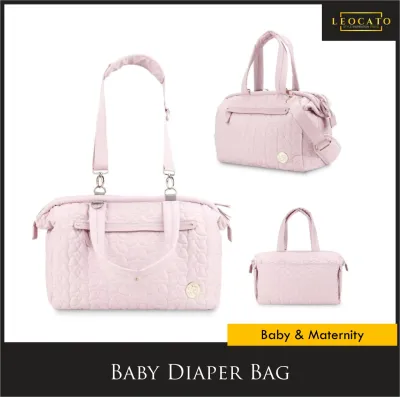
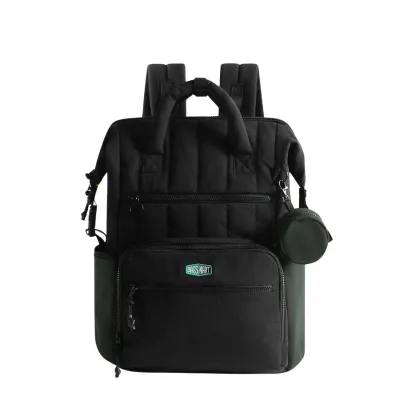
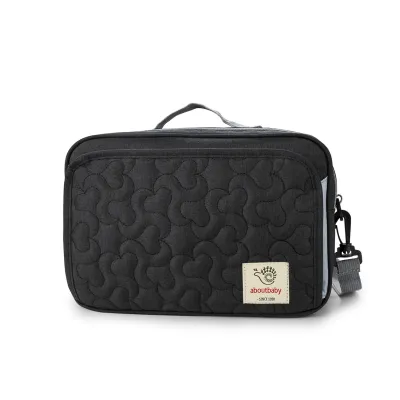
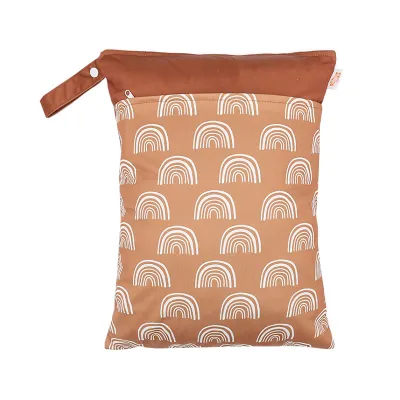
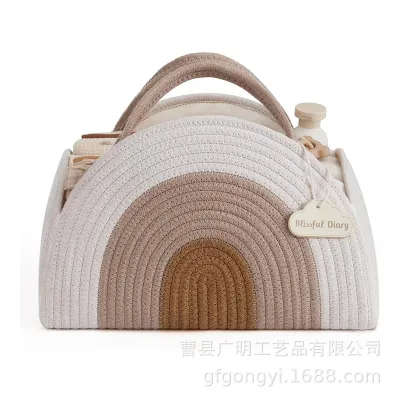
Prices are valid at publication and may change. Please refer to the product page for the latest price.
Comparing Backpack and Tote Nappy Bags Across Key Dimensions
While both styles are engineered to transport essential baby gear, their structural designs alter how you interact with your supplies throughout the day. Understanding these differences in weight distribution, organization, accessibility, and style will help you select the design that aligns with your physical comfort and parenting style.

Comfort and Weight Distribution
The physical strain of carrying baby gear should not be underestimated, especially as your child grows and requires heavier supplies, such as larger water flasks, solid food containers, and multiple changes of clothes. Backpack nappy bags are designed with two symmetrical shoulder straps that distribute the total weight evenly across both shoulders, the upper back, and the hips. This ergonomic alignment minimizes asymmetrical muscle strain and helps maintain natural spinal posture, which is highly beneficial during long walks or extended travel.
In contrast, a tote nappy bag places the entire weight of the bag on a single shoulder or in one hand. Over time, carrying a heavy load on one side can cause you to unconsciously elevate that shoulder or lean your torso to compensate, potentially leading to muscle fatigue, neck tension, or lower back discomfort. If you prefer a tote, it is highly recommended to look for models that include a wide, detachable crossbody strap to help redistribute the weight more comfortably across your torso.
Regardless of the style you prefer, always verify the manufacturer’s specifications for strap construction. Look for wide, padded straps with breathable lining materials—such as 3D air mesh—which help cushion the shoulders and facilitate airflow, a particularly welcome feature in warm, humid climates. Adjustable strap lengths are also crucial to ensure the bag sits at the correct height on your body, preventing unnecessary leverage and strain on your lower back.
Capacity and Organization
A nappy bag must accommodate a diverse array of items, ranging from tiny pacifiers and teething rings to bulky blankets, spare outfits, and feeding equipment. Tote nappy bags typically feature a single, spacious main compartment with a wide top opening. This wide-cavity design is highly advantageous for packing larger, bulky items like a thick muslin swaddle, a portable fan, or a change of clothes. However, without careful packing, a single large compartment can easily turn into a disorganized space where small items sink to the bottom. To maintain order in a tote, many parents find it helpful to utilize color-coded packing cubes or organizing pouches.
Backpack nappy bags, on the other hand, are generally designed with highly structured, multi-compartment layouts. They frequently feature dedicated zippered sections, elasticized interior pockets, mesh dividers, and specialized external slots. This design allows you to assign a specific, permanent home to every item, making it easy to locate a clean pacifier or a diaper cream in seconds. Many backpacks also include separate wet and dry compartments, allowing you to isolate soiled clothes or damp bibs from clean items.
When evaluating either style, verify the presence of dedicated, insulated bottle pockets lined with thermal materials to help maintain the temperature of milk or warm water. Additionally, ensure the bag features secure, high-quality closures, such as heavy-duty nylon zippers or strong magnetic clasps, to prevent items from spilling out if the bag is tipped over or placed on its side.
Accessibility on the Go
When your baby is crying or a sudden diaper blowout occurs, the speed with which you can retrieve a wet wipe or a clean change of clothes is paramount. Tote bags offer an undeniable advantage in terms of immediate accessibility. Because a tote typically hangs from your shoulder or sits open on a flat surface, you can easily reach inside with one hand to grab what you need while keeping your other hand securely on your baby. You do not need to remove the bag from your body to access its contents, making it highly efficient for rapid retrievals.
Backpacks require a bit more effort to access while you are on the move. To open the main compartment of a standard backpack, you must swing the bag off one shoulder or take it off entirely and set it down on a clean surface. This two-handed operation can be challenging if you are holding your baby or standing in a crowded space without a clean table or bench nearby.
To bridge this accessibility gap, many modern diaper backpacks incorporate specialized design features. Look for models that include side-access zippers, which allow you to reach into the bottom of the main compartment without unzipping the top, or external quick-grab pockets designed specifically for holding wet wipes, keys, and mobile phones. These external features significantly improve the on-the-go convenience of the backpack style.
Style and Versatility
For many parents, a nappy bag is an extension of their personal style. Tote nappy bags are highly favored by those who want a bag that does not look like traditional baby gear. Many totes are crafted from premium materials like vegan leather, structured canvas, or quilted nylon, mimicking the appearance of high-end designer handbags or chic travel totes. This aesthetic versatility allows you to transition the bag effortlessly from a playdate to a business meeting or a dinner out, and makes it easy to repurpose as a stylish work or gym bag once your child outgrows the diapering stage.
Backpack nappy bags tend to lean toward a more sporty, casual, or utilitarian aesthetic. While there are elegant leather and tailored fabric options available, many backpacks are designed with neutral colors and clean lines to appeal to both parents. This gender-neutral design makes backpacks highly practical for families where caregivers share the carrying duties, as partners can comfortably wear the same bag without feeling out of place.
Before making a decision, consider whether you want a bag that blends seamlessly with your personal wardrobe or one that serves as a dedicated, highly functional piece of baby gear. Checking the durability of the interior lining is also wise; a neutral, easy-to-clean lining makes it much easier to repurpose the bag for office commutes, weekend hikes, or hand luggage in the future.
Matching the Bag to Your Typical Outing Scenarios
The ideal nappy bag style often changes depending on where you are going, how long you plan to stay, and how you travel. By mapping each bag style to your family’s typical outing scenarios, you can select the design that offers the greatest practical utility for your daily life.
Quick Errands and Short Park Visits
For brief outings—such as a quick trip to the local supermarket, a visit to the pediatrician, or a short play session at a neighborhood park—the volume of baby gear you need to carry is relatively small. A couple of diapers, a travel-sized pack of wipes, a single bottle or snack cup, and a spare change of clothes are usually all that is required.
A tote nappy bag, or a very compact backpack, is exceptionally well-suited for these short trips. The grab-and-go nature of a tote allows you to throw in the essentials, sling it over your shoulder, and head out the door in seconds. Because these outings typically involve frequent stops where you set the bag down—such as on a car seat, a park bench, or a cafe chair—the tote’s self-standing base and wide top opening make it incredibly easy to retrieve a toy or a wipe instantly without having to unpack the entire bag.
Full-Day Outings and Travel
Extended outings—such as a full day exploring outdoor attractions, a family trip to the zoo, or traveling through airports—demand a much larger inventory of supplies. You will need to pack multiple diaper changes, diaper disposal bags, a portable changing mat, several feeding bottles or food containers, a thermos of warm water, extra sets of clothes, sun protection, light jackets, and a selection of toys to keep your child entertained.
For these high-gear, long-duration scenarios, a backpack nappy bag is highly recommended. Carrying a heavy load for several hours on a single shoulder can lead to significant physical fatigue and discomfort. A backpack distributes this weight evenly, allowing you to walk long distances comfortably. More importantly, a backpack keeps both of your hands completely free. This hands-free capability is invaluable when you need to push a stroller, carry a tired toddler, navigate ticket barriers, or hold your child’s hand while crossing busy streets.
Public Transport and Crowded Spaces
Navigating crowded environments, such as boarding public buses, riding MRT trains during peak hours, or maneuvering through bustling shopping malls, requires spatial awareness and physical agility. The physical footprint of your bag can play a significant role in how easily you move through these spaces.
A backpack worn securely on your back keeps your body compact and streamlined, leaving your hands free to hold onto safety handrails, manage a folded stroller, or guide your child through ticket gates. However, in extremely crowded spaces, a backpack can make it difficult to sense if you are bumping into other passengers, and items stored in outer pockets are positioned out of your direct line of sight. In dense crowds, it is often wise to wear your backpack on your front or hold it by the top handle to maintain better control and security.
A tote bag can be tucked closely under your arm, making it much easier to keep your belongings in sight and secure against potential pickpocketing in crowded areas. Totes also take up less physical space when you are seated on public transport, as they can be easily rested on your lap. When choosing a bag for public transit, check its dimensions against local transport guidelines to ensure it is not overly bulky, and verify that it can be carried comfortably alongside your stroller or baby carrier.
Essential Features to Verify Before You Choose
Regardless of whether you decide on a backpack or a tote, there are several critical, non-negotiable features you must verify before making your purchase to ensure long-term durability, hygiene, and safety.
First, inspect the fabric specifications of both the interior and exterior of the bag. Look for high-quality, water-resistant, and easy-to-wipe materials, such as high-density polyester, coated nylon, or premium polyurethane (vegan leather). These fabrics protect the contents of your bag from sudden tropical rain showers and allow you to easily wipe away accidental milk spills, leaked purees, or dirt from outdoor play.
Second, examine the quality of the hardware. Sturdy, smooth-operating zippers (such as YKK brand zippers) are essential, as you will be opening and closing the bag frequently, often with only one hand. Check that the strap attachments, buckles, and D-rings are made of durable metal or heavy-duty plastic, and look for reinforced, double-stitched seams at high-stress points to prevent tearing under heavy loads.
Third, verify the manufacturer’s stated weight limits and load-bearing guidelines. Overloading a nappy bag beyond its designed capacity can cause the seams to split, the zippers to fail, or the straps to tear, which could lead to your belongings spilling out or the bag dropping unexpectedly.
Fourth, read the care labels and manufacturer’s cleaning instructions carefully. Some fabric bags are machine-washable on a gentle cycle, while others, particularly those with structured bases or thermal insulation, must only be spot-cleaned with a damp cloth and mild detergent. Improper washing can strip away water-resistant coatings, damage internal structural boards, or ruin the thermal lining of insulated pockets.
Fifth, if the bag includes stroller straps or clips designed to hang the bag from a stroller handlebar, you must exercise extreme caution. Consult both the nappy bag’s manual and your stroller’s manufacturer instructions before use. Hanging a heavy bag from a stroller handlebar can alter the stroller’s center of gravity, posing a serious safety risk of tipping the stroller backward, especially when your child is removed from the seat. Never exceed the stroller manufacturer’s recommended handlebar weight limit, and always maintain direct supervision of your child while they are in the stroller.
Frequently Asked Questions (FAQ)
Can I use a regular backpack or tote instead of a dedicated nappy bag?
Yes, standard backpacks and totes can certainly be adapted for carrying baby gear, provided they offer sufficient storage space and comfortable straps. However, dedicated baby nappy bags are specifically engineered to address the unique challenges of parenting on the go. They typically feature built-in insulated compartments to keep milk or water at the correct temperature, dedicated quick-access pockets for wet wipes, water-resistant compartments to isolate soiled clothing, and included fold-out, wipe-clean changing mats. If you choose to use a regular bag, you will likely need to purchase these specialized accessories separately—such as insulated bottle sleeves, organizing pouches, and a portable changing pad—to achieve the same level of daily convenience and organization.
Are backpack nappy bags better for back health?
From an ergonomic standpoint, a backpack is generally superior for posture and spinal alignment because it distributes the weight of your baby gear symmetrically across both shoulders and the upper back. This balanced distribution minimizes the asymmetrical muscle strain and lateral spinal flexion that often occur when carrying a heavy tote bag on one shoulder over extended periods. However, a backpack is only beneficial if worn correctly; you should adjust both shoulder straps snugly so the bag sits close to your upper back, rather than letting it sag low against your hips. Overpacking any bag beyond your comfortable carrying capacity can still lead to muscle strain. If you experience persistent back pain, shoulder discomfort, or other physical concerns, consult a qualified healthcare professional for personalized advice.
Community discussion
Share your experience or ask a question. Comments are reviewed before publication.