
Quick Answer: Which Diaper Bag Style Should You Choose?
Selecting the ideal diaper bag depends entirely on your daily routine, physical comfort preferences, and typical outing duration rather than finding a single, universally perfect design. Every parent navigates daily outings differently, meaning the best bag is the one that seamlessly integrates with your lifestyle and carrying habits.
For parents who prioritize hands-free mobility, long walks, and even weight distribution, a backpack diaper bag is generally the most practical choice. If your daily routine involves quick car trips, short neighborhood errands, and a preference for rapid, one-handed access to your gear, a classic tote diaper bag offers excellent convenience and transitional style. For those who prefer a compact, streamlined profile that swings easily from back to front for quick access without removal, a messenger diaper bag provides an excellent middle ground.
By evaluating how you travel, who carries the bag, and what you need to pack, you can easily identify which style will make your outings smoother and more comfortable.
Products mentioned in this guide
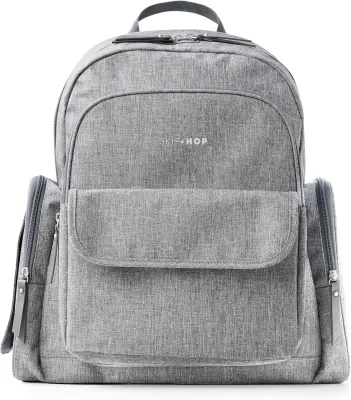
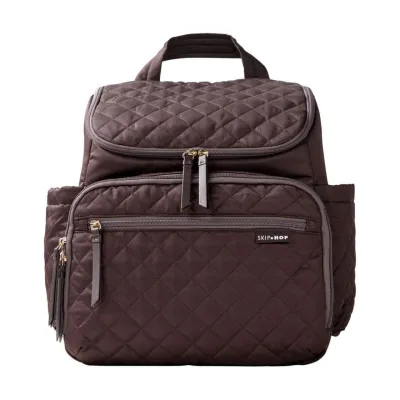
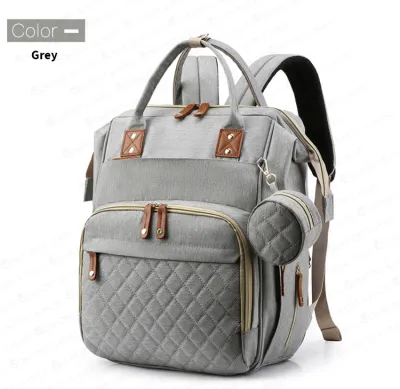
Prices are valid at publication and may change. Please refer to the product page for the latest price.
Key Factors to Consider for Daily Outings
Before choosing a specific bag style, it is essential to establish the criteria that dictate daily utility. A diaper bag is not merely an accessory; it is a mobile organization station that must withstand frequent use, changing weather conditions, and the physical demands of carrying baby essentials. Evaluating these core dimensions will help you narrow down your choices based on practical performance.

Capacity and Internal Organization
The volume of gear you carry changes as your baby grows, but the need for structured organization remains constant. A high-quality bag should feature dedicated compartments to keep clean items separate from soiled ones, insulated pockets to maintain bottle temperatures, and easily accessible slots for parent essentials like keys and phones. Without adequate internal pockets, a large bag quickly becomes a cluttered void, making it difficult to locate critical items quickly during an emergency diaper change.
Weight Distribution and Ergonomic Comfort
Carrying infant gear alongside your baby can place significant strain on your neck, shoulders, and lower back. The way a bag distributes weight across your body directly impacts your long-term physical comfort, especially during extended walking trips. Symmetric carrying styles distribute load evenly across both shoulders, while asymmetric styles place the entire burden on one side, requiring careful management to avoid muscle fatigue.
Accessibility Under Pressure
When managing a crying infant, the ease with which you can retrieve a wipe, pacifier, or clean diaper with one hand is incredibly important. Consider the closure mechanisms of each bag style—such as zippers, magnetic snaps, or open tops—and how easily you can operate them while holding your baby. A bag that requires two hands and a flat surface to open can introduce unnecessary stress during hectic outings.
Environmental and Travel Adaptability
Your local climate and transit habits play a major role in determining the best bag structure. In warm, humid climates like Singapore, a bag worn close to the body can trap heat, making breathable back panels or alternative carrying styles highly desirable. Furthermore, if you frequently navigate public transport systems, such as buses or the MRT, a compact and easily controlled bag profile is essential for maneuvering through crowded spaces.
Shared Usability and Adjustability
If multiple caregivers of varying heights and body types will share the diaper bag, adjustable straps are a critical feature to verify. Ensure the strap adjustment range is wide enough to accommodate everyone comfortably. Checking manufacturer specifications for strap lengths and adjustment mechanisms prior to purchase prevents carrying discomfort for secondary users.
Safety and Structural Limits
Always consult your stroller’s manufacturer instructions regarding hanging bags on the handlebar. Hanging heavy diaper bags on a stroller handle can alter the center of gravity, creating a serious tipping hazard that risks injuring your child. Additionally, verify the manufacturer’s specified weight limits for the bag itself to prevent premature wear on seams, straps, and zippers.
Backpack Diaper Bags: Hands-Free Convenience
Backpack diaper bags have grown immensely in popularity because they address one of the most common challenges of parenting: the need for both hands to be free. By distributing weight symmetrically across both shoulders, backpacks offer an ergonomic carrying experience that supports better posture and reduces localized muscle strain.
This style is highly advantageous when you are navigating public transit, pushing a stroller, or holding your child’s hand while walking. The dual-shoulder design keeps the bag securely positioned on your back, preventing it from slipping forward when you bend down to retrieve a dropped toy or soothe your baby. Many backpack models also feature breathable mesh back panels, which help mitigate heat buildup during outdoor activities in warm, humid weather.
However, backpacks do present specific functional trade-offs. The primary drawback is accessibility; you cannot easily access the main compartment or deep internal pockets without removing the bag entirely or awkwardly swinging it off one shoulder. This extra step can be inconvenient when you need to grab an item quickly in a confined space. Additionally, fully loaded backpacks can have a bulky, protruding profile that makes navigating tight store aisles or crowded trains more challenging.
- Weight Distribution: Excellent; distributes load symmetrically across both shoulders to minimize localized strain.
- Accessibility: Moderate to low; usually requires removing the bag or sliding one strap off to access main compartments.
- Capacity: High; typically offers spacious main compartments and numerous specialized external pockets.
- Best For: Parents who take long walks, use public transit frequently, manage multiple children, or require completely hands-free mobility.
Tote Diaper Bags: Classic Style and Quick Access
Tote diaper bags offer a classic, wide-access design that closely resembles a traditional handbag or shopper tote. The defining feature of a tote is its large, open-top or wide-zippered main compartment, which allows you to see almost all your packed items at a single glance. This high visibility makes retrieving diapers, wipes, or toys exceptionally fast and straightforward.
Totes are highly valued by parents who transition frequently between parenting duties and professional or social environments. Many high-end totes are crafted from premium materials like structured canvas or vegan leather, allowing them to serve as work bags or everyday purses long after your child has outgrown diapers. They are also highly convenient for quick car trips where you can simply place the open bag on the passenger seat for immediate access.
The primary compromise with a tote is ergonomic. Carrying a heavy load on a single shoulder can cause muscle fatigue, neck stiffness, and uneven spinal alignment over time. Tote straps also have a tendency to slip off the shoulder, especially when you are active or wearing slick, lightweight fabrics. Furthermore, if a tote lacks sufficient internal dividers, it can easily turn into an unorganized container where smaller items settle to the bottom and become difficult to find.
- Weight Distribution: Poor to moderate; places the entire weight of the bag on a single shoulder, which can cause strain over long periods.
- Accessibility: Excellent; wide-top openings allow for rapid, one-handed retrieval of items.
- Capacity: Medium to high; spacious interiors, though often with fewer dedicated external pockets than backpacks.
- Best For: Parents who prioritize quick-access organization, take shorter outings, travel primarily by car, or want a bag that transitions easily to professional settings.
Messenger Diaper Bags: Compact and Crossbody Comfort
Messenger diaper bags utilize a single, long strap worn diagonally across the chest, resting the bag comfortably on the hip or lower back. This crossbody configuration provides a more secure and stable carry than a single-shoulder tote while remaining significantly easier to access than a traditional backpack.
The standout feature of a messenger bag is its dynamic accessibility. Without removing the strap, you can easily slide the bag from your back to your front to unzip compartments and retrieve items on the go. This makes it an incredibly efficient option for parents who are constantly on the move and need to grab supplies without pausing their walk. Messenger bags also tend to have a flatter, more streamlined profile, which helps you move easily through tight crowds and narrow doorways.
Despite these benefits, messenger bags carry unique limitations. Because the strap crosses diagonally over the torso, it can interfere with the proper fit and safety of front-facing baby carriers or wraps. If you plan to practice babywearing frequently, a messenger bag’s strap can compress the carrier’s shoulder padding or alter the baby’s positioning. Additionally, because weight is still supported by a single shoulder, carrying an overloaded messenger bag over long distances can eventually lead to shoulder discomfort.
- Weight Distribution: Moderate; superior to a standard tote due to diagonal crossbody distribution, but still loads a single shoulder.
- Accessibility: High; swings easily to the front of the body for quick, on-the-go access without removal.
- Capacity: Medium; typically more compact and streamlined, encouraging a more minimalist packing style.
- Best For: Parents who prefer a streamlined profile, pack light, run quick local errands, or want easy access without removing the bag.
Side-by-Side Comparison of Diaper Bag Styles
To help you visualize how these three styles compare across key operational dimensions, review the structural comparison table below. This table highlights the inherent design characteristics of each style to assist you in matching a bag to your primary physical and logistical priorities.
| Feature | Backpack Diaper Bag | Tote Diaper Bag | Messenger Diaper Bag |
|---|---|---|---|
| Primary Carrying Method | Dual shoulder straps | Single shoulder strap or dual top handles | Single diagonal crossbody strap |
| Weight Distribution | Symmetric (both shoulders) | Asymmetric (one shoulder) | Asymmetric diagonal (one shoulder) |
| Ease of Access | Requires removal or partial off-shoulder swing | Extremely easy; wide top access while worn | High; swings forward easily while worn |
| Hands-Free Capability | Fully hands-free | Limited; bag can slip off shoulder when bending | Highly stable; stays secure against the hip |
| Typical Capacity | Large to extra-large | Medium to large | Medium to compact |
| Babywearing Compatibility | Excellent (with front carriers) | Moderate (can slip off shoulder) | Poor to moderate (strap can interfere with carrier) |
| Ideal Outing Type | Full-day trips, active outdoor walks, transit | Quick car trips, cafe visits, short errands | Mid-length outings, crowded urban walks |
Final Decision Framework: Matching Style to Your Routine
To make your final decision, evaluate your typical weekly routine and select the style that aligns with your most frequent outing scenarios. Use the following conditional framework to guide your purchase.
Choose a Backpack if:
- You regularly walk long distances, use public transportation, or enjoy outdoor park visits.
- You need both hands completely free to manage multiple children, push a stroller, or carry an infant.
- You experience neck, shoulder, or back discomfort when carrying asymmetric loads.
- You plan to carry a large volume of supplies, including extra clothes, multiple bottles, and toys for extended day trips.
Choose a Tote if:
- Your outings consist primarily of short trips, car travel, or visits to places where you can easily set the bag down.
- You want immediate, wide-open access to your items without dealing with multiple zippers or straps while holding your baby.
- You prefer a stylish, versatile aesthetic that coordinates with professional attire or casual wear.
- You do not mind carrying the bag on one shoulder or using the top handles for brief carrying periods.
Choose a Messenger if:
- You want the security of a crossbody strap that will not slip off your shoulder when you bend over.
- You value the ability to access your gear quickly on the move by simply swinging the bag to your front.
- You prefer to pack light and want a compact, streamlined bag that does not feel bulky in tight spaces.
- You do not frequently use structured front baby carriers that might conflict with a diagonal chest strap.
Verification Checklist Before Purchasing
Regardless of the style you choose, always perform these final verification steps before completing your purchase:
- Check Stroller Compatibility: Verify if the bag includes dedicated, secure stroller clips, and consult your stroller manual to ensure safe attachment limits.
- Review Material Care Labels: Ensure the lining and exterior fabric can be easily wiped clean with a damp cloth; avoid materials that require dry cleaning or complex maintenance.
- Assess Strap Adjustability: Confirm that the shoulder straps can be adjusted easily to fit all primary caregivers who will use the bag.
- Measure Insulated Pockets: If you plan to use specific baby bottle brands, verify that the bag's insulated compartments are wide and deep enough to accommodate them.
Frequently Asked Questions (FAQ)
Can I use a regular backpack instead of a specific diaper bag?
Yes, you can use a standard backpack to carry baby supplies. However, dedicated diaper bags offer several specialized features that enhance daily convenience. These typically include water-resistant linings that are easy to wipe clean, insulated pockets designed specifically for baby bottles, integrated stroller attachment straps, and dedicated quick-access wipes pockets. While a regular backpack can hold your gear, you may need to purchase separate organizational pouches or insulated bottle sleeves to achieve the same level of functionality.
How do I clean and maintain my diaper bag?
To maintain your diaper bag, begin by completely emptying all compartments and shaking out loose debris. Wipe down the interior lining with a damp cloth and a small amount of mild, baby-safe soap, then rinse the cloth with clean water to wipe away any soap residue. For the exterior, spot-clean stains gently using a soft brush or cloth. Always consult the manufacturer’s care label inside your specific bag before attempting any deep cleaning, as machine washing or using harsh detergents can permanently damage waterproof coatings, insulated linings, or structural elements.
Community discussion
Share your experience or ask a question. Comments are reviewed before publication.