
Preparing homemade baby food is a rewarding way to control the ingredients, texture, and nutritional value of your child’s early meals. As you transition your baby to solid foods—typically around six months of age, following pediatrician guidance—a multi-function baby food maker can streamline the daily routine of cooking and pureeing. Among the premium options on the market, the Babycook Neo stands out for its emphasis on high-quality materials, but deciding whether it fits your kitchen requires comparing its performance, capacity, and design against other popular alternatives.
Quick Answer: Is the Babycook Neo the Right Choice for You?
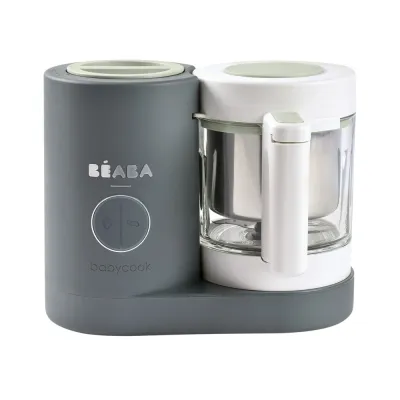
The Babycook Neo is best suited for parents who prioritize premium, eco-friendly materials and want a durable, compact appliance that minimizes plastic contact with hot food. Featuring a high-quality glass bowl and a stainless steel steaming basket, this device is designed for families who value material safety and a sleek aesthetic on their kitchen countertops. Its manual pulse-blending mechanism offers precise control over food consistency, making it an excellent tool for transitioning from smooth purees to chunkier textures as your baby grows.
Conversely, you should look at alternative baby food makers if you need to prepare massive batches of food for freezing, prefer fully automated “one-button” steam-and-blend programs, or are working within a strict budget. Standard alternative models often utilize lightweight plastic bowls and offer larger capacities or digital timers at a lower price point. Before making a decision, consider your weekly meal-prep habits, your available kitchen space, and whether you prefer hands-on control or automated convenience.
Products mentioned in this guide
Prices are valid at publication and may change. Please refer to the product page for the latest price.
Core Functions Compared: Steaming, Blending, and Reheating
Multi-function baby food makers are designed to replace several individual kitchen tools by combining steaming, blending, reheating, and defrosting into a single footprint. Evaluating how the Babycook Neo handles these core tasks compared to standard market alternatives helps clarify which mechanical approach fits your daily cooking style and feeding goals.

Steaming and Blending Performance
Steam cooking is widely recognized as an excellent method for preparing baby food because it preserves water-soluble vitamins and nutrients far better than boiling. The Babycook Neo utilizes a specialized steam modulation system that circulates steam efficiently through its stainless steel basket, cooking ingredients gently and collecting the nutrient-rich cooking juices at the bottom of the glass bowl. Many alternative baby food makers use plastic steaming baskets, which perform the same basic function but may raise concerns for parents wishing to avoid heating plastic components repeatedly.
Different ingredients require different steaming times to reach the optimal tenderness for blending while preserving their nutritional profiles. Hard root vegetables like carrots and sweet potatoes require a longer steam cycle, whereas delicate fruits like apples or pears, and proteins like chicken or fish, cook much faster. The Babycook Neo’s steaming basket allows you to easily layer these ingredients, placing the denser items at the bottom where the steam is most concentrated, ensuring everything cooks evenly in a single cycle. This eliminates the need to cook ingredients in separate batches, saving both time and energy.
When it comes to blending, the mechanical design dictates how easily you can achieve the correct texture for your baby’s current developmental stage. The Babycook Neo features a high-performance blade designed to pulse-blend ingredients in the glass bowl, allowing you to manually control the consistency by holding down the blending button. This manual approach is highly effective for tailoring textures—from the ultra-smooth, silky purees required at the start of weaning (around six months) to the thicker, chunkier textures needed as your baby develops chewing skills.
In contrast, several competing multi-function devices feature automated blending cycles or pre-programmed settings that blend the food for a set duration without manual intervention. While automated cycles offer hands-free convenience, they can sometimes over-process food, making it harder to achieve intermediate, textured consistencies. When comparing models, always verify the manufacturer’s specifications regarding motor wattage and blade design, and check whether the device requires you to manually transfer hot ingredients from the steaming basket to a separate blending jar or if it allows you to steam and blend in the same vessel.
Furthermore, the design of the blending blade affects how effectively the machine handles small portions. High-quality blades are engineered to create a vortex that pulls food down, ensuring even blending even when you are preparing a single portion of fruit or vegetables. Some larger-capacity alternative blenders require a minimum volume of food to blend effectively, which can lead to unnecessary food waste if you only want to prepare a fresh, single-meal portion for your baby.
Reheating and Defrosting Capabilities
For parents who prefer batch cooking, the ability to safely reheat and defrost pre-made portions is just as important as the initial cooking process. The Babycook Neo handles defrosting and reheating by utilizing gentle steam, which warms the food evenly without drying it out or stripping away nutrients. This steam-based method is generally superior to microwave heating, which can create dangerous localized “hot spots” in the food that could burn a baby’s sensitive mouth.
Basic baby food makers may lack dedicated reheating or defrosting cycles, requiring you to manually estimate the steaming time or use external appliances. Premium competitors often feature digital control panels with specific timers for different food volumes, which can simplify the process of warming up refrigerated or frozen purees. To use these functions, parents typically place the food in small glass or food-safe plastic storage pots, which are then set inside the steaming basket to be warmed by the circulating steam.
Regardless of the device you choose, safety must remain the top priority when preparing infant meals. Always stir reheated baby food thoroughly and manually test the temperature on the inside of your wrist before feeding your child. Never rely solely on an appliance’s automated timer to guarantee that the food is at a safe, uniform temperature.
Capacity, Design, and Daily Usability
The physical design of a baby food maker directly impacts how easily it fits into your daily routine and your kitchen ecosystem. In Singapore, where modern apartments and HDB kitchens often have limited countertop space, the physical footprint of an appliance is a major practical consideration.
Material Choices: Glass and Steel vs. Plastic
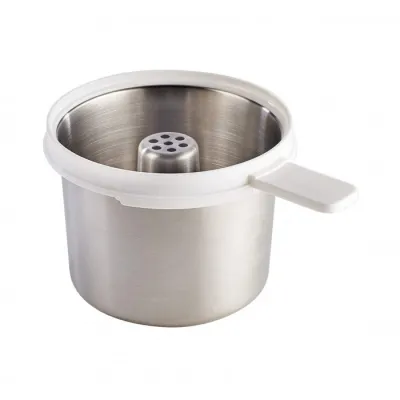
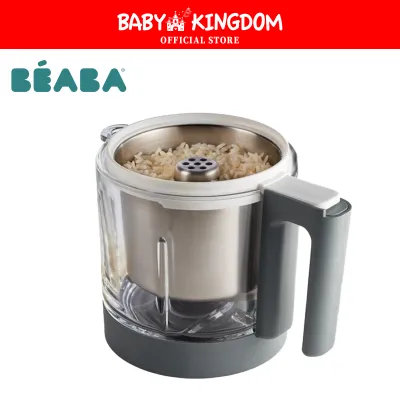
One of the most significant differences between the Babycook Neo and many of its competitors is the choice of materials. The Babycook Neo utilizes a robust borosilicate glass bowl and a stainless steel steaming basket. These materials are highly durable, naturally resistant to food stains, and do not retain odors from strong-smelling ingredients like fish or broccoli. For parents concerned about chemical leaching, glass and stainless steel offer absolute peace of mind, as they do not contain BPA, BPS, or other plasticizers that could potentially migrate into hot food.
Borosilicate glass is specifically chosen for premium kitchen appliances due to its exceptional thermal shock resistance. This means the bowl can withstand rapid temperature transitions—such as going from a hot steaming cycle directly to being rinsed under cool tap water—without cracking or shattering. This durability is a significant advantage over standard glass, which can be highly sensitive to sudden temperature changes. Furthermore, the stainless steel used in the steaming basket is medical-grade, ensuring that no metallic taste or unwanted chemical compounds transfer to your baby’s food during the high-temperature steaming process.
On the other hand, many alternative baby food makers utilize high-grade, BPA-free plastics such as Tritan or copolyester for their bowls and baskets. Plastic components are significantly lighter than glass and are virtually shatterproof, making them easier to handle and less prone to accidental damage if dropped on a hard tiled kitchen floor. However, plastic can scratch over time, and these micro-scratches can become harborages for bacteria if not cleaned meticulously. Additionally, plastic components are more susceptible to discoloration when cooking brightly colored foods like carrots, pumpkins, or sweet potatoes.
Ergonomics and Single-Handed Operation
When you are multitasking in the kitchen—often while holding a baby or managing other household chores—the ease of operating an appliance with one hand becomes incredibly valuable. The Babycook Neo is designed with an ergonomic handle and an easy-clip opening system that allows parents to open, close, and lock the lid using a single hand. This is a subtle but significant usability benefit compared to some competing models that require a complex two-handed twist-and-lock mechanism to secure the bowl and lid before the safety switch allows operation.
The control interface also plays a major role in daily usability. The Neo features a straightforward, tactile button interface that is highly intuitive. There are no complicated menus to navigate; you simply press one button to steam and another to blend. While some parents prefer the advanced features of digital touchscreens, which offer countdown timers and precise temperature readings, others find that simple physical buttons are more reliable over time and less susceptible to malfunction when exposed to steam and moisture in a busy kitchen.
Counter Space and Kitchen Footprint
Before purchasing any new appliance, it is wise to measure your designated counter space and check the clearance beneath your upper kitchen cabinets. Multi-function baby food makers emit hot steam during the cooking cycle, meaning they require adequate ventilation and should not be placed directly under low-hanging wooden cabinets where moisture could accumulate. The Babycook Neo is designed with a relatively compact footprint, allowing it to sit neatly on the counter without taking up excessive space.
However, if you plan to cook very large batches of food to freeze for the weeks ahead, you must weigh this compact footprint against the bowl’s capacity. The Neo’s bowl is optimized for small to medium batches. If you have multiples or prefer to do all your meal prep in one massive weekly session, you might want to consider alternative double-bowl models or larger-capacity appliances that allow you to steam two different foods simultaneously.
Cleaning, Maintenance, and Safety Features
A baby food maker that is difficult to clean will quickly become a source of frustration, regardless of how well it cooks. Evaluating the maintenance requirements and safety mechanisms of these devices ensures a hygienic cooking environment and peace of mind.
Detachable Parts and Dishwasher Care
The ease of cleaning a baby food maker depends heavily on the number of detachable parts and whether they are dishwasher-safe. The Babycook Neo’s glass bowl, stainless steel basket, lid, and blade assembly can all be detached for thorough cleaning. While these parts are technically dishwasher-safe (typically on the top rack), hand-washing is often recommended by manufacturers to extend the lifespan of the silicone seals and to keep the blending blade sharp.
When hand-washing, pay close attention to the silicone gaskets and seals that prevent leaks. Food residue can easily become trapped beneath these seals, leading to mold growth if they are not removed and cleaned regularly. In Singapore’s warm and humid climate, ensuring that all components are completely dry before reassembling and storing the device is crucial to maintaining proper hygiene and preventing musty odors.
Water Tank Maintenance and Descaling
The heating element and water reservoir require regular maintenance to prevent the buildup of mineral scale, especially when using municipal tap water. The Babycook Neo is designed with an accessible stainless steel water tank, making it much easier to inspect and clean compared to older models with narrow, enclosed plastic reservoirs. Over time, heating water causes calcium carbonate and other minerals to precipitate out, forming a white or chalky layer on the heating element.
This mineral scale acts as an insulator, reducing the heating efficiency of the appliance, increasing steaming times, and potentially causing the thermal safety switch to shut off the machine prematurely. To prevent this, regular descaling is essential. Manufacturers typically recommend descaling the water reservoir every few weeks using a mixture of food-grade white vinegar and water, or a specialized descaling solution. After descaling, the reservoir must be thoroughly rinsed with clean water to ensure no sour vinegar taste or residue affects the next batch of baby food.
Recognizing when your baby food maker needs descaling is key to maintaining its performance. Parents should look out for subtle signs, such as the machine taking longer than usual to complete a steaming cycle, steam escaping from the sides of the lid rather than the designated vent, or a white, powdery residue forming on the bottom of the reservoir. In some cases, a neglected water tank can produce a slight clicking sound as the scale heats up, or the machine may shut off prematurely before the water has fully evaporated. Incorporating a quick descaling routine into your monthly kitchen maintenance schedule ensures the heating element remains clean, efficient, and hygienic.
Essential Safety Mechanisms
Safety is paramount when operating any kitchen appliance, particularly around young children. Look for the following safety features when comparing baby food makers:
- Auto-Shutoff: The device should automatically turn off the heating element when the water reservoir runs dry to prevent overheating, damage to the heating element, and potential fire hazards.
- Safety Locks: A secure locking mechanism should prevent the blending blades from spinning unless the bowl and lid are fully engaged and locked into place.
- Cool-Touch Materials: The outer housing and handles should remain safe to touch even during active steaming cycles to prevent accidental burns.
- Non-Slip Base: Sturdy suction feet or a non-slip rubber base help keep the appliance stable on smooth countertops, preventing accidental tips.
Always consult the specific user manual for your chosen device before cleaning or performing maintenance. Pay close attention to warnings regarding the care of silicone gaskets and blade assemblies, as improper handling can compromise the airtight seal or dull the cutting edges prematurely.
Price and Value: Evaluating the Investment
Specialized multi-function baby food makers like the Babycook Neo sit within the premium price tier, often retailing in the range of S$300 to S$450 in Singapore. This represents a significant upfront cost compared to entry-level alternative brands, which typically range from S$100 to S$200, or standard household kitchen tools.
To determine if the investment is justified for your family, consider the following value factors:
- Material Quality: Premium models use glass and stainless steel, which offer superior durability, chemical safety, and resistance to wear compared to budget-friendly plastic alternatives.
- Convenience and Time Savings: An all-in-one appliance reduces the number of pots, pans, and blenders you need to wash, saving valuable time during busy weekdays.
- Longevity and Resale Value: High-quality appliances often have longer lifespans, reliable manufacturer warranties, and higher resale value on local secondhand marketplaces once your child outgrows the pureed food stage.
If you already own a reliable kitchen steamer and a high-performance food processor or immersion blender, purchasing a dedicated baby food maker may be redundant. You can achieve identical nutritional results using your existing appliances, though it will require more manual transfer of hot food and more dishes to clean. Weigh the convenience of a single, dedicated device against your household budget to decide if the purchase makes sense for your lifestyle.
Final Decision Framework: Which Device Fits Your Needs?
To make your final decision, evaluate your specific household priorities, kitchen space, and feeding goals against the strengths of the Babycook Neo and its competitors.
Choose the Babycook Neo if:
- You want to minimize plastic contact with your baby's food and prefer the hygienic benefits of a glass bowl and stainless steel basket.
- You appreciate a compact, aesthetically pleasing appliance that fits neatly into a smaller kitchen or HDB countertop.
- You prefer hands-on control over food texture using a manual pulse-blending button.
- You are willing to invest in premium build quality and materials that offer long-term durability.
Choose a Competitor if:
- You need to prepare very large batches of baby food at one time and require a larger bowl capacity.
- You prefer fully automated, hands-free cooking where the machine automatically transitions from steaming to blending without your intervention.
- You are working within a tighter budget and prefer a more economical, plastic-based baby food maker.
- You want advanced digital features, such as programmable timers, LED displays, or pre-set menus for different food types.
Verify First if:
- Your existing kitchen setup—such as a standard stovetop steamer basket paired with a reliable hand blender—can already fulfill your food preparation needs without the added cost of a dedicated appliance.
Before finalizing your purchase, always check the latest manufacturer specifications, local warranty coverage in Singapore, and any relevant safety recalls. Ensuring that you buy from an authorized retailer guarantees access to genuine replacement parts, such as silicone seals and spare blades, which will keep your appliance operating safely throughout your baby’s weaning journey.
Community discussion
Share your experience or ask a question. Comments are reviewed before publication.