
Selecting the right baby carrier is one of the most important gear decisions you will make as a parent. A high-quality carrier keeps your baby close, calms restlessness, and frees up your hands for daily tasks. However, with numerous options on the market, choosing between a baby bjorn carrier and an Ergobaby carrier can feel overwhelming. Both brands are industry leaders, but they approach ergonomics, ease of use, and weight distribution from distinct design philosophies.
The ideal choice between BabyBjörn and Ergobaby depends on your baby’s current developmental stage, your physical frame, and your carrying preferences. While both brands offer models that support healthy hip and spine development, they differ significantly in their buckling mechanisms, strap styles, and structural support. Understanding these differences is key to finding a carrier that remains comfortable for both you and your baby over long periods.
By evaluating how each brand handles ergonomic positioning, caregiver comfort, weight transitions, and tropical climate performance, you can make an informed investment. This comparative analysis breaks down the essential factors to help you determine which brand best aligns with your family’s lifestyle and physical needs.
Products mentioned in this guide
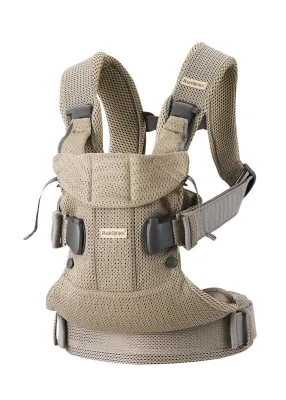
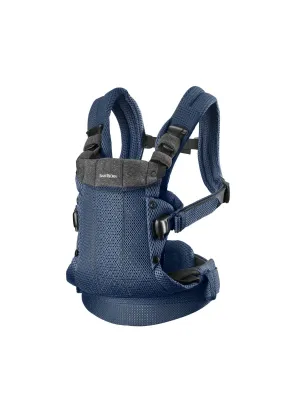
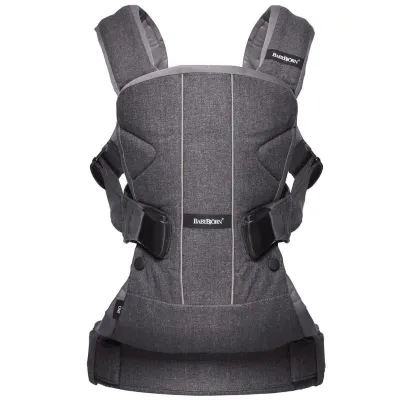
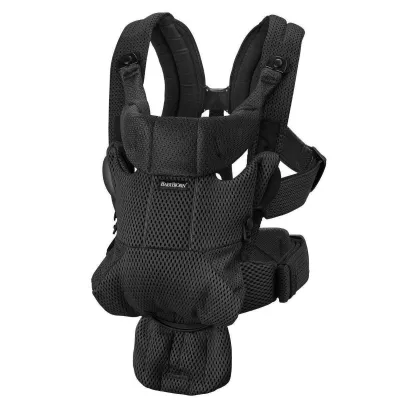
![[10 Yr Local Warranty] BabyBjorn Harmony 3D Mesh Baby Carrier - 8 Color](https://img.lazcdn.com/g/p/1bcba9e253762640fea6e3307149001b.jpg_400x400q80.jpg_.webp)
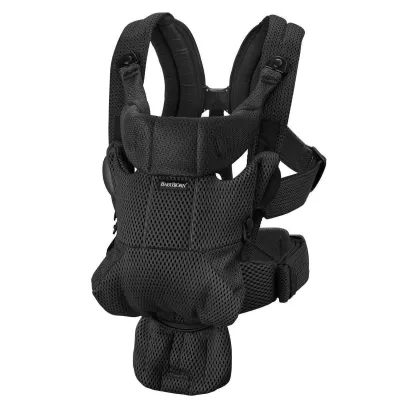
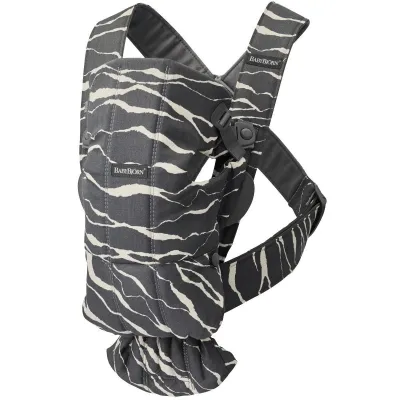
![[10 Yr Local Warranty] BabyBjorn Mini Baby Carrier Jersey 3D - 4 Color](https://img.lazcdn.com/g/p/d34c40b57865771fccecec48532a8bb6.jpg_400x400q80.jpg_.webp)
Prices are valid at publication and may change. Please refer to the product page for the latest price.
Quick Answer: Which Carrier Should You Choose?
There is no single winner when comparing BabyBjörn and Ergobaby, as both brands produce exceptional, ergonomic baby carriers. Instead, the right choice is conditional and depends on what you prioritize in your day-to-day babywearing routine. Parents who value simplicity, fast adjustments, and a streamlined profile often lean toward one brand, while those prioritizing heavy-duty lumbar support and carrying versatility prefer the other.
BabyBjörn carriers are highly regarded for their minimalist Scandinavian design and exceptional ease of solo use. Most models feature a unique front-buckling system, allowing you to slip the harness on like a vest and secure your baby entirely from the front. This design is particularly convenient for quick trips, public transport commutes, and the frequent on-and-off transitions typical of the newborn phase.
Ergobaby carriers, by contrast, focus heavily on robust weight distribution and long-term carrying comfort. They typically feature wide, padded waistbands, thick shoulder straps, and dedicated lumbar support pads designed to shift the baby’s weight from your shoulders to your hips. This makes Ergobaby a favored option for longer walks, hiking, and carrying older, heavier infants or toddlers.
Ultimately, if you want a sleek, intuitive carrier that is easy to put on by yourself without reaching behind your back, BabyBjörn is an excellent choice. If you anticipate carrying your child for hours at a time and need maximum lower-back support to handle a growing baby’s weight, Ergobaby is often the more suitable option.
Ergonomic Design and Hip Support: Verifying Your Baby Bjorn Carrier and Ergobaby Options
When evaluating any baby carrier, ergonomic hip and spine support must be your primary consideration. During the first few months of life, a baby’s joints are exceptionally flexible, and their hip sockets are still developing. Improper positioning can place undue stress on the hip joints, increasing the risk of developmental hip dysplasia. Therefore, ensuring your carrier maintains the correct physical alignment is crucial.

Healthy hip development requires the baby to sit in the “M-position,” also known as the spread-squat position. In this alignment, the baby’s hips are spread wide, their thighs are fully supported from knee to knee, and their knees are positioned slightly higher than their bottom. Additionally, the carrier’s back panel must support the natural “C-curve” of a baby’s developing spine, rather than forcing it into an unnaturally straight position.
To ensure a specific model meets these standards, you should verify its ergonomic credentials. Look for the International Hip Dysplasia Institute (IHDI) “hip-healthy” acknowledgment on the manufacturer’s official product page or packaging. Because product designs and certifications can change, always check the exact model name and production year rather than assuming all carriers from a brand carry the same designation.
Both brands address seat width and hip support using different structural approaches:
- Adjustable Seat Widths (Common in Ergobaby): Many Ergobaby models utilize adjustable sliders, buttons, or velcro tabs along the waistband. This allows you to physically widen or narrow the seat base to match your baby's growth, ensuring the fabric always extends from knee crease to knee crease without forcing the lower legs outward.
- Flexible Fabric Seats (Common in BabyBjörn): Modern BabyBjörn models, such as the Harmony or Carrier One, feature adjustable fabric panels, zippers, or sliding buckles that allow the seat width to adapt dynamically to the baby's size. This fabric-first approach offers a highly customized fit that naturally contours to a smaller infant's body.
To physically verify the fit when trying a carrier with your baby, use this simple checklist:
- Thigh Support: Check that the carrier seat fabric supports the baby's thighs all the way to the back of their knees.
- Knee Position: Ensure the baby's knees are bent and sit higher than their tailbone, forming a clear "M" shape when viewed from behind.
- Lower Leg Freedom: Verify that the baby's lower legs dangle freely from the knee down, without the fabric pressing tightly against their calves or shins.
- Spine Curvature: Observe your baby's profile to ensure their back curves gently like a soft "C" and is not flattened flat against your chest.
Caregiver Comfort and Adjustability
While your baby’s comfort is paramount, your own physical comfort determines how often and how long you will actually use the carrier. Carrying a rapidly growing baby can strain your shoulders, upper back, and lumbar region if the carrier does not distribute weight effectively. Evaluating the shoulder strap styles and waistband designs of both brands is essential to finding a comfortable match for your body type.
Shoulder strap configuration is a major point of differentiation between the two brands. Many Ergobaby models feature crossable shoulder straps (often referred to as X-straps) in addition to parallel straps (H-straps). Crossable straps allow you to cross the fabric over your back in a front carry, which can provide a snugger, more secure fit for caregivers with narrower shoulders or smaller frames. BabyBjörn carriers typically utilize a fixed, integrated harness system where the straps remain parallel. While this vest-like design prevents straps from slipping off your shoulders, it offers less flexibility to change the angle of weight distribution.
Waistband and lumbar support also vary significantly across models. Ergobaby is famous for its wide, heavily padded waistbands that often feature a structured lumbar support pad. This design excels at transferring the baby’s weight away from your shoulders and onto your pelvic bones, mimicking the weight-bearing mechanics of a high-quality backpacking harness. Certain BabyBjörn models, particularly entry-level or minimalist versions, feature narrower, softer, or unpadded waistbands. While these are less bulky and more comfortable when sitting down, they rely more heavily on your shoulders to bear the weight as your baby grows.
Before purchasing, it is highly recommended to check the specific model’s strap adjustment ranges and buckle placements. Some carriers require you to reach behind your shoulder blades to clip a chest strap, which can be difficult if you have limited shoulder mobility. Other models place all buckles within easy reach on the front or sides. If you plan to share the carrier with a partner, verify that the adjustments can be made quickly without completely re-threading the webbing.
Additionally, check the manufacturer’s specifications for the minimum and maximum waist and torso size limits. A carrier that fits a petite caregiver perfectly may not have enough strap length to comfortably accommodate a taller or broader partner, or vice versa. Measuring your waist and checking it against the brand’s sizing charts can prevent fit issues later on.
Age, Weight, and Developmental Transitions
A baby carrier is an investment that should ideally transition with your child from the newborn days through toddlerhood. However, not all carriers are designed to cover this entire span without accessories or modifications. Understanding how each brand manages these developmental milestones will help you choose a model that offers long-term utility.
Newborn readiness is the first major hurdle. Newborns require specialized support because they lack head and neck control, and their hips must be kept in a narrow, safe position. You must verify whether the specific carrier model you are considering requires a separate infant insert or has built-in adjustability:
- Separate Infant Inserts: Older or entry-level Ergobaby models often require a padded fabric insert to support a newborn safely. While highly secure, these inserts add bulk and can make the carrier significantly warmer.
- Built-in Adjustability: Modern BabyBjörn models and newer Ergobaby lines (such as the Omni series) feature integrated adjustment systems—like internal buckles, snaps, or zippers—that allow you to customize the carrier for a newborn without needing extra accessories.
As your baby grows, their physical development will dictate which carrying positions are safe and comfortable. The primary carrying positions include:
- Inward-Facing Front Carry: The default, safest position for newborns and young infants, providing maximum head, neck, and hip support.
- Outward-Facing Front Carry: Suitable only when the baby has achieved full neck control, can hold their head up steadily for extended periods, and meets the manufacturer's height and weight requirements (typically around 5 to 6 months of age).
- Back Carry: Ideal for older, heavier infants (usually 6 months and older) who can sit unassisted, allowing the caregiver to carry weight more comfortably over long distances.
- Hip Carry: Offered by select Ergobaby models, providing a lateral carrying option that mimics how parents naturally hold a toddler on their hip.
Always check the exact maximum weight limit for the specific model you are considering, as these vary widely. Some lightweight carriers cap out at around 11 to 13 kilograms, while heavy-duty structured models can support toddlers up to 20 kilograms.
Never transition your baby to an outward-facing or back-carrying position prematurely. Doing so before they meet the manufacturer’s physical and developmental criteria can compromise their airway safety, strain their neck muscles, or place their hips in an unergonomic position. Always refer to the explicit age and weight milestones outlined in your carrier’s instruction manual.
Material and Climate Considerations for Singapore
For parents living in Singapore, the local climate is a critical factor when choosing a baby carrier. With year-round high temperatures averaging 31°C and high humidity, babywearing can quickly become uncomfortably warm for both the caregiver and the child. The close physical contact generates significant body heat, making breathability and fabric performance essential for daily comfort.
Both BabyBjörn and Ergobaby offer carriers in a variety of fabric options, each with distinct performance characteristics:
- 3D Mesh Fabrics: Both brands have developed specialized mesh lines (such as BabyBjörn's 3D Mesh and Ergobaby's SoftFlex Mesh). These fabrics feature highly breathable, open-weave patterns designed to maximize airflow, keeping both you and your baby cool during outdoor walks.
- Airy Jersey and Cotton: Some models use soft, brushed cotton or stretchy jersey fabrics. While incredibly cozy and gentle on a newborn's sensitive skin, these materials tend to trap heat and absorb moisture, making them better suited for air-conditioned indoor environments.
When evaluating breathability, look beyond just the baby’s back panel. Consider the area where the baby’s chest rests against your body. A carrier with a mesh lining in this contact zone will significantly reduce sweat build-up for both of you. In a tropical climate, choosing a lightweight, highly ventilated mesh model is almost always preferable for outdoor use.
Frequent use in a warm climate means your carrier will inevitably accumulate sweat, drool, and spit-up, making regular cleaning necessary. Before buying, check the care labels for machine washability and drying instructions. Most modern carriers are machine washable on a gentle cycle with mild detergent, but they should not be tumble dried.
Keep in mind that mesh materials dry significantly faster than thick cotton canvas, which is a major practical advantage in Singapore’s humid air. Additionally, consider color choice: while dark colors like black and navy are excellent at hiding stains, they absorb more solar heat if you spend a lot of time outdoors in direct sunlight. Lighter grays, blues, or pastel tones may keep you slightly cooler during daytime outings.
Decision Framework: Choose BabyBjörn If… / Choose Ergobaby If…
To help you finalize your decision, use this structured framework to match your specific lifestyle, body type, and parenting preferences with the brand that will serve you best.
Choose BabyBjörn If:
- You prioritize speed and simplicity: You want a carrier that you can put on, adjust, and take off in seconds without needing assistance or reaching behind your back.
- You prefer a streamlined, minimalist profile: You dislike bulky padding and want a carrier that feels lightweight, packs down easily into a diaper bag, and looks sleek.
- You want built-in newborn support: You want to use the carrier from day one without buying or managing separate infant inserts.
- You share carrying duties frequently: The simple, vest-style harness makes it easy for partners of different sizes to swap the carrier quickly with minimal strap adjustments.
Choose Ergobaby If:
- You need maximum lumbar support: You experience back fatigue easily and require a wide, heavily padded waistband to shift weight onto your hips.
- You plan on long babywearing sessions: You intend to carry your baby for hours at a time while walking, hiking, or traveling.
- You want maximum carrying versatility: You want a carrier that supports multiple positions, including the hip carry, to accommodate your child's changing preferences as they grow.
- You are carrying a heavier baby or toddler: You want a highly structured frame that can comfortably support children up to 20 kilograms over several years.
Verify First If:
- You are buying second-hand: Inspect all buckles, straps, and seams for wear and tear, and search online to ensure the specific model has not been subject to safety recalls.
- You are sharing the carrier: Have both partners try on the carrier to ensure the strap adjustments comfortably accommodate both of your waist and torso measurements.
- Your baby has medical considerations: If your child has a history of hip dysplasia, physical developmental delays, or other medical conditions, always consult your pediatrician before using any baby carrier.
Frequently Asked Questions (FAQ)
Can I use these carriers for a newborn without an insert?
Newborn readiness depends entirely on the specific model you choose, rather than the brand as a whole. Many modern carriers from both BabyBjörn (such as the Harmony, One, and Mini) and Ergobaby (such as the Omni Breeze and Aerloom) feature built-in, adjustable seat panels that allow you to carry a newborn safely without any extra accessories. However, older or more basic models from both brands may still require a separate infant insert to ensure proper head, neck, and hip alignment. Always check the manufacturer’s explicit minimum weight and height requirements on the product box or manual before placing a newborn in the carrier.
Which brand is better for caregivers with back pain?
Carrier comfort is highly subjective and depends on your individual body mechanics, posture, and your baby’s weight. However, models designed with wide, heavily padded waistbands and structured lumbar support pads—features frequently highlighted in Ergobaby’s product lines—are specifically engineered to transfer the baby’s weight away from your shoulders and upper back down to your hips. This pelvic weight transfer can significantly reduce strain on the lumbar spine during long carrying sessions. If you suffer from chronic or severe back pain, consult a healthcare professional before using any baby carrier, and carefully follow the manufacturer’s fitting instructions to ensure optimal weight distribution.
Community discussion
Share your experience or ask a question. Comments are reviewed before publication.