
Choosing the right baby carrier is one of the most significant decisions you will make as a parent, directly impacting your daily mobility, comfort, and your baby’s physical development. While the BabyBjörn lineup is widely recognized for its focus on ergonomic design and ease of use, the individual models—Original, Mini, Harmony, and One—are engineered for distinct stages of infancy and toddlerhood. Selecting the appropriate model requires a careful evaluation of your baby’s current age, weight, and physical milestones, particularly their ability to support their own head and neck.
Rather than relying solely on age ranges, which can vary significantly from child to child, caregivers must prioritize physical development and weight limits when choosing a carrier. A model that is ideal for a snug, lightweight newborn may not provide the structural support required for a heavy toddler, while a highly structured toddler carrier might be too bulky or lack the precise adjustments needed to safely cradle a newborn. By understanding the design intentions, material options, and safety requirements of each BabyBjörn model, you can make an informed decision that ensures a secure, comfortable, and ergonomic carrying experience for both you and your baby.
Understanding BabyBjörn Carrier Models and Age Limits
To establish a safe babywearing routine, you must first understand the manufacturer’s specifications for each model. BabyBjörn designs its carriers with specific weight and height thresholds that dictate when a carrier can be safely introduced and when it must be retired. Before purchasing or using any carrier, always locate the product label or the instruction manual packaged with your specific batch to verify the minimum and maximum weight limits. These limits are not mere suggestions; they are critical safety boundaries designed to prevent structural failure of the carrier or accidental slippage of the baby.
Products mentioned in this guide
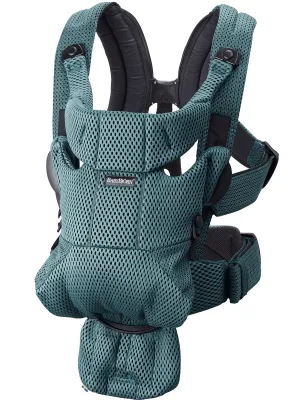
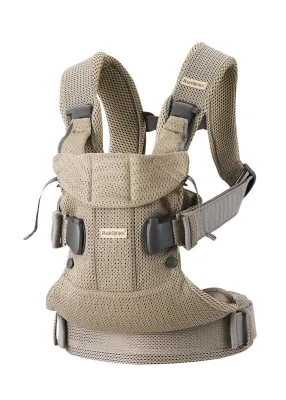
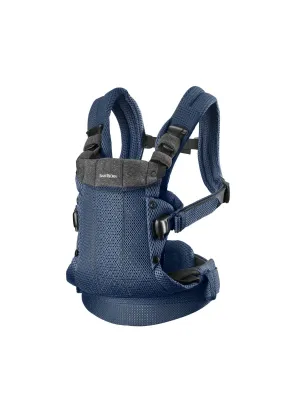
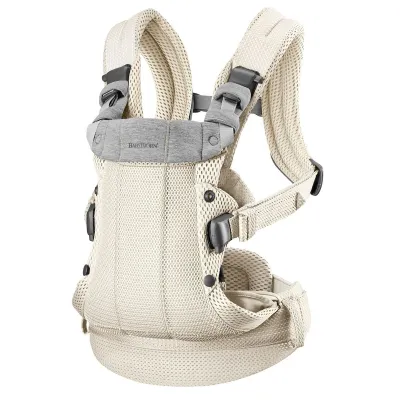
![[10 Yr Local Warranty] BabyBjorn Harmony 3D Mesh Baby Carrier - 8 Color](https://img.lazcdn.com/g/p/cd45282edf574777f7ab31da968ecd31.jpg_400x400q80.jpg_.webp)
![[10 Yr Local Warranty] BabyBjorn Mini Baby Carrier Jersey 3D - 4 Color](https://img.lazcdn.com/g/p/17ac3bbf46d54c280aba9645445c175c.jpg_400x400q80.jpg_.webp)
Prices are valid at publication and may change. Please refer to the product page for the latest price.
Developmental milestones serve as the primary indicators for transitioning between different carrying positions and models. For instance, the transition from parent-facing carrying to outward-facing carrying requires the baby to have complete, independent control of their head and neck. This milestone typically occurs around five months of age, but you must observe your baby’s physical capabilities rather than relying strictly on the calendar. If a baby’s head flops forward or sideways when the carrier is in motion, they do not yet possess the muscle strength required for outward-facing carrying, and you must keep them in the parent-facing position with the head support fully engaged.
Furthermore, safety standards and integrated features can vary depending on the production year and batch of your carrier. Older models, such as the classic BabyBjörn Original, may have different buckle designs or lack the adjustable seat widths found in newer models like the Harmony or One. Caregivers must consult the specific instruction manual for their exact carrier batch to confirm whether additional infant inserts are required, how to adjust the leg straps for smaller infants, and what safety certifications apply. Never assume that instructions for a newer model apply perfectly to an older or secondhand version of the same carrier.
Feature and Fit Comparison Across the Lineup
When comparing the Original, Mini, Harmony, and One, the differences in material, structural support, and ease of adjustment become highly apparent. These design variations directly influence how comfortable the carrier will be during extended use and how well it adapts to different environmental conditions. For parents living in warm, humid climates like Singapore, fabric breathability is a primary consideration. Carrying a baby generates substantial body heat, which can quickly lead to discomfort or heat rash for both the caregiver and the child.

BabyBjörn addresses this climate challenge by offering different material options, most notably their 3D Mesh and classic cotton fabrics. The 3D Mesh, featured prominently in the Harmony and specific versions of the One and Mini, is highly breathable, moisture-wicking, and quick-drying. This fabric allows air to flow freely through the carrier, helping to regulate your baby’s body temperature during outdoor walks. In contrast, the cotton and cotton-mix options offer a soft, cozy feel that some parents prefer for indoor use, but they tend to retain more heat and moisture when used outdoors in tropical weather.
Another critical point of comparison is the level of lumbar and shoulder support provided to the caregiver. The Mini and Original models are designed with simple, crisscross shoulder straps that distribute the baby’s weight primarily across the caregiver’s upper back and shoulders. While this lightweight design is highly convenient for quick carrying sessions with a newborn, it can cause shoulder strain as the baby grows heavier. The One and Harmony models, on the other hand, feature robust, padded waistbands and dedicated lumbar support systems. These structural elements transfer a significant portion of the baby’s weight from your shoulders to your hips, allowing you to carry a heavier infant or toddler for extended periods without physical fatigue.
Additionally, the ease of putting on and adjusting the carrier is a vital factor for single-caregiver operation. All four models utilize BabyBjörn’s signature front-buckling system, which allows you to secure and release your baby without needing to reach behind your back to fasten complicated clips. However, the Harmony and One models feature more complex adjustment mechanisms to accommodate multiple carrying positions, including back carrying. The Mini remains the simplest model to operate, featuring only a few color-coded buckles that make it exceptionally easy to slip on and off, even during middle-of-the-night soothing sessions.
Matching the Right Carrier to Your Baby's Developmental Stage
Selecting the right carrier requires matching the structural capabilities of the model to your baby’s current physical stage. The BabyBjörn Mini and Original are specifically optimized for the newborn phase and early infancy. These carriers hold the baby high on your chest, allowing you to maintain constant eye contact and monitor their breathing easily. The soft, flexible fabric of the Mini hugs the baby’s back, supporting the natural C-curve of their developing spine. However, because these models lack a supportive waistband, they are best suited for the first few months of life. Once your baby approaches the upper weight limit of these models or when you begin to feel significant shoulder strain, it is time to transition to a more structured carrier.
For older infants and toddlers who have achieved independent sitting posture and full neck control, the Harmony and One models offer the necessary support and versatility. These models feature adjustable seat widths that allow you to widen the base of the carrier as your child grows. This adjustability is crucial for maintaining the ergonomic “M-position” (or frog-leg position), where the baby’s knees are positioned slightly higher than their hips, and their thighs are fully supported from knee to knee. Proper hip support is essential for healthy joint development and helps prevent hip dysplasia, a condition that can be exacerbated by carriers that allow the baby’s legs to hang straight down.
To help you decide which model aligns with your family’s needs, consider the following conditional framework:
- Choose the BabyBjörn Mini if: You are looking for a compact, lightweight carrier specifically for the first six months of your baby's life, prioritize quick and simple front-buckling, and plan to use the carrier primarily indoors or for short outings.
- Choose the BabyBjörn Original if: You have verified the safety and integrity of this classic model, require a straightforward, budget-friendly option for the early infancy stage, and do not plan to carry your child past their first birthday.
- Choose the BabyBjörn One if: You want a highly durable, structured carrier that will last from birth through the toddler years, require back-carrying capabilities, and prefer a mix of supportive cotton or mesh fabrics with a robust waistband.
- Choose the BabyBjörn Harmony if: You seek a premium, fully mesh carrier designed for maximum breathability in warm climates, want advanced lumbar support to prevent back strain, and desire a soft, ergonomic design that accommodates your child from newborn up to early toddlerhood.
Regardless of the model you choose, you must remain vigilant for observable signals that indicate it is time to stop using a specific carrier. If your baby’s head extends past the top of the carrier’s back panel without adequate support, if their thighs are no longer supported across at least two-thirds of their length, or if they exceed the maximum weight limit specified by the manufacturer, you must discontinue use of that model immediately.
How to Verify Fit and Safety Before Every Use
Safety must be your top priority every time you secure your baby in a carrier. Before placing your baby inside, perform a quick visual inspection of the carrier. Check all buckles, straps, zippers, and seams for any signs of wear, fraying, or damage. If any component appears compromised, do not use the carrier. Once you have secured your baby, you must verify their positioning using clear, observable checks to ensure their airway remains completely unobstructed.
First, ensure that your baby’s face is fully visible to you at all times. The fabric of the carrier must not cover their nose or mouth, and their head should be positioned high enough on your chest that you can easily kiss the top of their head without straining. Check that there is a clear gap of at least two fingers between your baby’s chin and their chest. If the baby’s chin is pressed tightly against their chest, their airway can become restricted, which is a severe safety hazard, particularly for young infants who lack the neck strength to correct their head position.
Second, verify the ergonomic positioning of your baby’s legs and hips. Adjust the seat width of the carrier according to the manufacturer’s instructions so that the fabric supports your baby’s thighs all the way to their knee joints. The baby’s knees should be bent and positioned slightly higher than their hips, forming an “M” shape when viewed from behind. If you are using a model with leg straps designed for smaller infants, ensure they are fastened securely according to the weight guidelines in your manual to prevent the baby from slipping through the leg openings.
Finally, adjust the caregiver straps to ensure proper weight distribution and comfort. The waistband of the Harmony or One should sit firmly on your hips, not your waist, to effectively transfer the load. Tighten the shoulder straps so that the carrier holds the baby snugly against your body; a loose carrier allows the baby to slump, which can compromise their airway and cause back strain for you. Stop using the carrier immediately and consult a pediatrician or pediatric physiotherapist if your baby shows persistent signs of physical discomfort, if you notice red marks or chafing on their skin that do not resolve quickly, or if you have any concerns regarding their physical development and hip alignment.
Frequently Asked Questions (FAQ)
Can I use a BabyBjörn carrier for a premature baby?
No, you must not use a BabyBjörn carrier for a premature baby without first consulting a qualified healthcare professional, such as your pediatrician or neonatologist. Premature infants often have unique respiratory, cardiovascular, and musculoskeletal needs that require specialized medical clearance before babywearing. Once your medical provider confirms it is safe to carry your baby, you must also ensure that your baby meets the absolute minimum weight and height requirements specified in the instruction manual for your specific carrier model.
How do I clean and maintain the carrier's fabric and buckles?
To maintain the structural integrity and safety of your carrier, always follow the care instructions printed on the label sewn onto the fabric. Generally, BabyBjörn carriers can be machine washed separately in cool water using a mild, bleach-free detergent. You must fasten all buckles and secure any velcro straps before washing to prevent them from snagging the fabric or damaging the washing machine drum; placing the carrier inside a mesh laundry bag is highly recommended. Always air dry the carrier; never use a tumble dryer or expose the plastic buckles to high heat, as this can warp the safety fasteners and weaken the fabric fibers.
Is it safe to breastfeed while using a BabyBjörn carrier?
While it is possible to breastfeed while using a BabyBjörn carrier, you must follow strict safety boundaries to protect your baby’s airway. You will need to loosen the shoulder straps slightly to lower your baby to breast height, ensuring you support their head with your hand throughout the feeding session. Your baby’s face must never be pressed tightly against your breast or the carrier fabric, and you must maintain continuous, active supervision of their breathing. Immediately after feeding is complete, you must reposition your baby back to the upright, high-on-the-chest position and retighten all straps to ensure their safety.
Community discussion
Share your experience or ask a question. Comments are reviewed before publication.