
When shopping for baby wipes for a newborn, parents must carefully filter out ingredients that can compromise delicate skin. The primary ingredients to avoid include synthetic fragrances, harsh preservatives like parabens and methylisothiazolinone, and strong surfactants like sodium lauryl sulfate. Because a newborn’s skin barrier is exceptionally thin and highly permeable, exposure to these chemicals can quickly lead to contact dermatitis, redness, and discomfort. Prioritising wipes with minimal, gentle ingredients is the safest approach during the first few months of life.
Why Newborn Skin Requires Careful Ingredient Selection
An infant’s skin is fundamentally different from adult skin, requiring a highly cautious approach to topical products. The outermost layer of the skin, known as the stratum corneum, is significantly thinner in newborns. This structural difference means the skin barrier is highly permeable, allowing chemicals and topical ingredients to penetrate much more easily into the deeper layers of the skin.
Furthermore, the ratio of skin surface area to body weight is much higher in infants than in adults. This means that any chemical absorbed through the skin can have a more pronounced systemic presence. During the first few weeks of life, the skin is also transitioning from the sterile, fluid environment of the womb to the dry, bacteria-laden external world, making it highly susceptible to external stressors.
Products mentioned in this guide
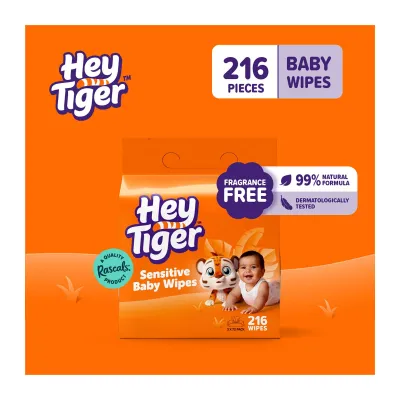
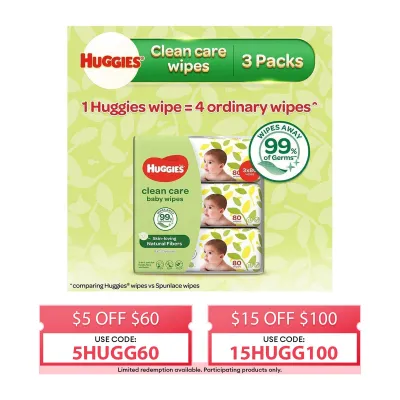
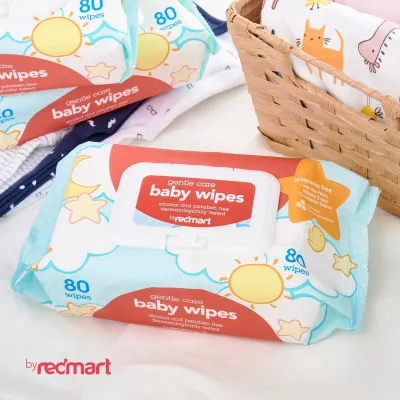
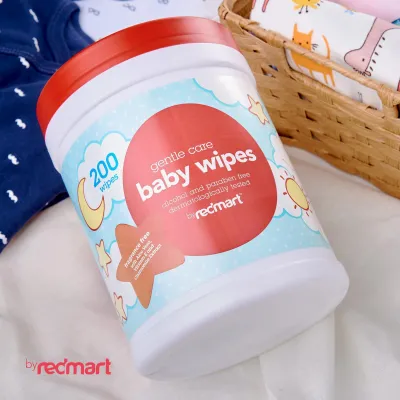
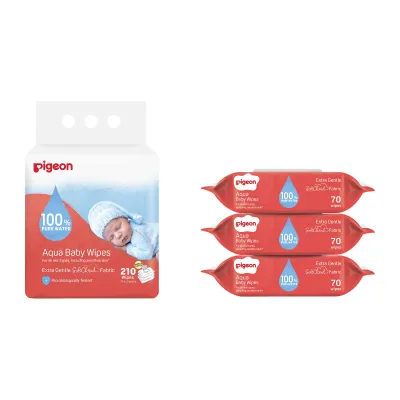
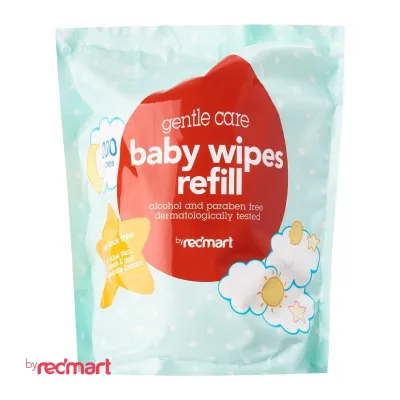
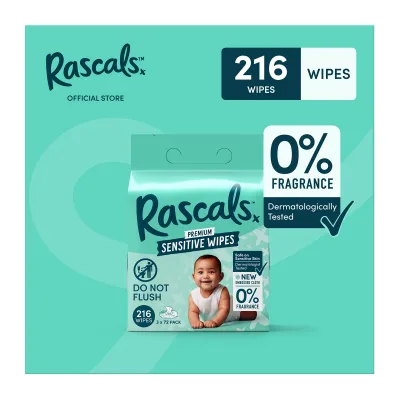
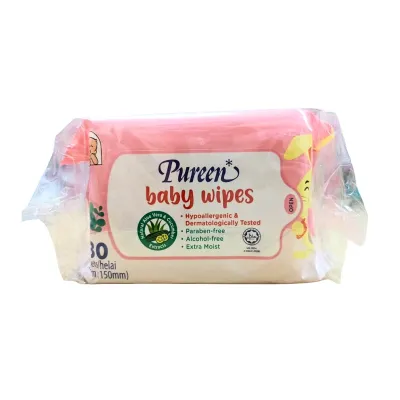
Prices are valid at publication and may change. Please refer to the product page for the latest price.
Diapering environments present a unique challenge for this developing barrier. The skin in the diaper area is subjected to prolonged, repeated exposure to moisture, friction, and biological waste. This constant exposure can break down the skin’s natural defenses, making the barrier even more vulnerable to absorbing harsh ingredients found in standard wipes. Establishing a strict baseline for ingredient filtering during these initial months is a vital step in preventing chronic irritation and supporting healthy skin development.
In warm, humid climates like Singapore, the diaper area is particularly prone to trapping heat and moisture. This microclimate can soften the skin barrier further, accelerating the rate of irritation when chemical irritants are present. Consequently, selecting the mildest possible formulations is not just a preference, but a necessity for maintaining skin integrity.
Categories of Wipe Ingredients to Scrutinize for Newborns
When evaluating baby wipes, it helps to group ingredients into functional categories rather than viewing the label as a single, confusing list of chemical names. Most wipe formulations consist of water, a preservative system to prevent microbial growth, mild cleansing agents, and optional skin-conditioning additives or fragrances.

Certain ingredient families within these categories are frequently flagged by dermatologists and pediatricians because they are known sensitizers. While an older child might tolerate these compounds without issue, a newborn’s compromised or highly sensitive skin can react quickly. Because individual skin sensitivity varies widely, parents should use these categories as a framework for elimination, always consulting a pediatrician if persistent skin issues arise.
Preservatives and Stabilizers
Because baby wipes are water-based and stored in warm, dark diaper bags, they require a preservative system to prevent the growth of dangerous bacteria, mold, and fungi. Without preservatives, a pack of wipes could become a breeding ground for pathogens within days of opening. However, the challenge lies in balancing effective preservation with skin safety, as many traditional preservatives are notorious skin sensitizers.
Parents should scrutinize labels for harsh preservatives and discuss them with a healthcare professional. Key ingredients to watch out for include:
- Parabens (such as methylparaben or propylparaben): Often used to extend shelf life but linked to skin irritation in sensitive individuals.
- Methylisothiazolinone (MIT) and Methylchloroisothiazolinone (CMIT): Strong preservatives that have been widely associated with allergic contact dermatitis in pediatric care.
- Formaldehyde-releasing agents (like DMDM hydantoin): Compounds that slowly release formaldehyde to preserve the product, which can trigger severe skin reactions.
- Phenoxyethanol: While widely used as a safer alternative to parabens, some pediatric guidelines suggest avoiding it for newborns, especially around the mouth or on highly compromised skin.
This creates a clear trade-off for parents. Completely preservative-free wipes do not exist in a stable, multi-use wet format due to the high risk of rapid mold contamination. Therefore, the goal is to look for wipes that utilize mild, food-grade, or highly tolerated stabilizing systems, rather than heavy-duty industrial preservatives.
Fragrances and Botanical Extracts
Fragrance is one of the most common causes of cosmetic-induced contact dermatitis. While a scented wipe may mask unpleasant diaper odors, the chemical compounds used to create these scents offer no functional benefit to the skin and carry a high risk of irritation.
It is crucial to understand the regulatory distinction between marketing terms:
- Unscented: This term often means the product has no noticeable smell, but it may still contain masking fragrances designed to cover up the chemical scent of other ingredients.
- Fragrance-Free: This indicates that no fragrance chemicals or scent-masking agents have been added to the formulation. For newborns, fragrance-free is always the preferred choice.
Natural botanical extracts and essential oils are frequently marketed as gentle, soothing alternatives to synthetic fragrances. However, ingredients like tea tree oil, lavender extract, citrus oils, and chamomile can be highly potent allergens. For a newborn whose skin barrier is still maturing, these natural extracts can trigger allergic reactions just as easily as synthetic perfumes. Prioritizing strictly fragrance-free options without unnecessary botanical additives minimizes the risk of sensitizing your baby’s skin.
Cleansing Agents and Surfactants
Surfactants are the cleansing agents in baby wipes responsible for lifting stool, urine, and oils off the skin. While effective cleaning is necessary to prevent diaper rash, strong surfactants can strip away the natural lipids that keep the skin hydrated and protected.
When these lipids are washed away, the skin barrier becomes dry, cracked, and highly vulnerable to infection. Parents should look for mild, plant-derived, or amino acid-based surfactants on the ingredient list, such as:
- Coco-glucoside
- Decyl glucoside
- Lauryl glucoside
These gentle cleansers lift waste effectively without stripping the skin. Conversely, avoid wipes that leave a soapy, slippery residue on the skin after use. If a wipe requires excessive rubbing to clean the skin or leaves a noticeable lather, the surfactant concentration may be too high, leading to mechanical friction damage and chemical irritation.
Navigating "Natural" and "Hypoallergenic" Marketing Claims
The front of a baby wipe package is often covered in appealing buzzwords like “natural,” “organic,” “hypoallergenic,” or “dermatologist-approved.” It is important to recognize that many of these terms are unregulated marketing claims with no standardized legal definitions. A product labeled “natural” may still contain synthetic preservatives or botanical extracts that trigger severe eczema flare-ups.
To protect your newborn, train yourself to ignore the front-of-pack marketing and turn the package over to read the actual ingredient deck. This is the only place where the true formulation is revealed.
When evaluating claims, look for specific, verifiable third-party certifications rather than vague self-declarations by the manufacturer. Seals from recognized dermatological associations, allergy foundations, or pediatric boards carry more weight. Always verify these seals against the manufacturer’s official documentation or the certifying body’s public database to ensure the product has met rigorous testing standards.
How to Read and Verify the Ingredient List
Reading a cosmetic ingredient list can feel like deciphering a foreign language, but understanding a few basic rules makes the process straightforward. Ingredients are listed using the International Nomenclature of Cosmetic Ingredients (INCI) system, which standardizes names globally.
The most important rule to remember is the descending order of concentration. Ingredients are listed from the highest concentration to the lowest. For baby wipes, water (often listed as aqua) should always be the first ingredient, typically making up over 95% of the formulation. The ingredients listed at the very end of the deck are present in tiny amounts, usually under 1%. If you spot a known irritant near the top of the list, the risk of reaction is significantly higher than if it appears at the very bottom.
If you encounter an unfamiliar chemical name, do not guess its safety. Use reliable, independent cosmetic databases to cross-reference the ingredient. Databases like the Environmental Working Group’s (EWG) Skin Deep database or the Cosmetic Ingredient Review (CIR) provide safety ratings and scientific literature on thousands of ingredients.
Additionally, check the manufacturer’s official website or e-commerce product pages before purchasing. Reputable brands maintain high transparency, providing full ingredient disclosures and explaining the purpose of each chemical used in their wipes. If a brand hides its ingredient list behind vague terms like “cleansing lotion” or “softening agents,” it is best to choose a more transparent alternative.
While spending S$5 to S$10 on a premium pack of wipes might seem high, the investment in skin health can prevent costly pediatric visits.
Signs of Irritation and When to Switch Wipes
Even with careful ingredient selection, some newborns may still experience localized skin reactions. It is essential to monitor your baby’s diaper area closely during the first few weeks of using a new wipe brand.
Common signs of wipe-related skin irritation include:
- Localized redness: Red patches that align perfectly with the areas touched by the wipe.
- Dryness or peeling: Flaky, rough skin in the diaper region.
- Small bumps or hives: Tiny raised bumps that appear shortly after a diaper change.
- Unusual fussiness: Your baby crying or showing signs of discomfort specifically when being wiped.
It is important to differentiate between standard diaper rash and chemical contact dermatitis. Standard diaper rash is typically caused by prolonged exposure to wetness and friction, often presenting in the skin folds. Chemical irritation from wipes, however, often covers the entire area wiped and may spare the deep skin folds where the wipe did not make direct contact.
If you suspect a wipe is causing irritation, take immediate action. Stop using the wipes immediately. Switch to using plain, lukewarm water with soft, single-use cotton pads or a clean washcloth to clean the diaper area. Pat the skin dry gently rather than rubbing. If the redness, peeling, or discomfort does not improve within a few days, or if you notice signs of infection like blisters or pus, consult your pediatrician for a proper diagnosis and treatment plan.
Frequently Asked Questions (FAQ)
Can I use regular adult wet wipes on my newborn in an emergency?
Using adult wet wipes on a newborn is not recommended, even in an emergency. Adult wipes are formulated for mature skin, which has a fully developed, thicker stratum corneum. Consequently, they often contain much higher concentrations of alcohol, strong synthetic fragrances, and robust preservative systems that can cause immediate chemical burns or severe irritation on a newborn’s delicate skin. If you find yourself without baby wipes, a much safer emergency alternative is to use plain lukewarm water on a soft paper towel, clean cloth, or cotton ball.
Are water wipes completely free of preservatives?
While many wipes are marketed as containing 99% water, they are rarely completely free of preservatives or stabilizing agents. Because water is highly susceptible to bacterial and fungal contamination, a completely preservative-free wet wipe would spoil rapidly once opened. Wipes with high water content typically use a minimal, highly tolerated stabilizing system, such as a tiny fraction of fruit extract or a mild food-grade preservative, to keep the product sterile. Always check the label to identify the remaining 1% of ingredients to ensure they align with your newborn’s skin needs.
Community discussion
Share your experience or ask a question. Comments are reviewed before publication.