
Parents in Singapore are often faced with an overwhelming selection of baby wipes on store shelves and online marketplaces. When choosing a product for a newborn, the core guiding principle should always be simplicity. To protect your baby’s delicate skin, you must carefully inspect labels to avoid several high-risk ingredient categories.
When buying wipes for a newborn, the primary ingredients to avoid are drying alcohols, synthetic fragrances, harsh preservatives—such as parabens and methylisothiazolinone—and strong surfactants. The ideal newborn formulation is water-based, containing minimal, gentle ingredients designed to cleanse without stripping. As a practical rule of thumb, always check the first three to five ingredients listed on the packaging, as these represent the highest concentrations in the product.
Why Newborn Skin is More Vulnerable to Wipe Ingredients
To understand why ingredient scrutiny is so critical, it helps to look at the unique physiology of newborn skin. A newborn’s outer skin layer, the stratum corneum, is significantly thinner than that of an adult. Because the skin barrier is still developing, it is highly permeable, making it much easier for topically applied chemicals to penetrate deep into the skin layers and potentially enter the bloodstream.
Products mentioned in this guide
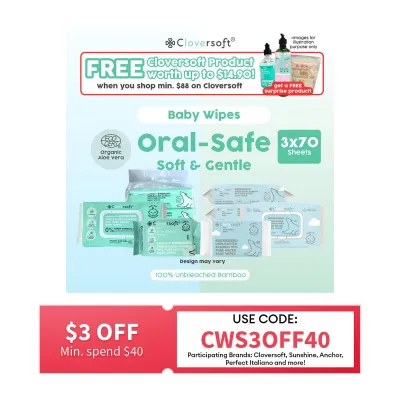
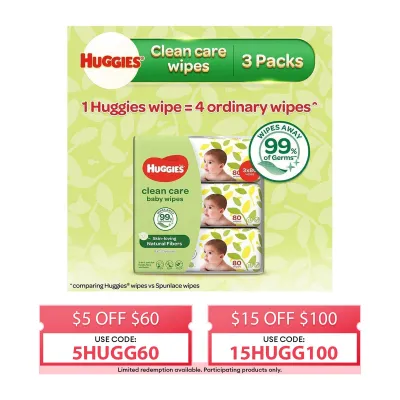
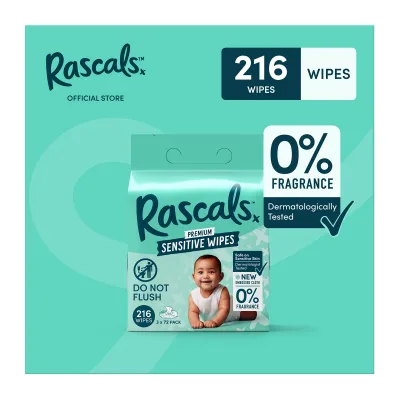
Prices are valid at publication and may change. Please refer to the product page for the latest price.
Additionally, newborns have a higher, more neutral skin pH compared to older children. While mature skin maintains a slightly acidic pH (around 5.5) to ward off harmful bacteria, a newborn’s skin barrier is less acidic and easily disrupted by alkaline or harsh chemical agents. Introducing strong synthetic substances can alter this delicate balance, leading to dryness and irritation.
In Singapore’s hot and humid tropical climate, the diaper area is particularly vulnerable. High humidity traps moisture, urine, and fecal enzymes against the skin, creating a warm environment prone to chafing. Because parents use wipes multiple times a day during diaper changes, the cumulative exposure to even mild irritants can quickly break down the skin barrier. Selecting minimalist, hypoallergenic formulations is the most effective way to prevent this cumulative damage.
Specific Irritants to Check on Baby Wipe Labels
Navigating the back of a package requires looking past marketing claims and identifying the specific chemical names that pose a risk to a newborn.

Alcohol and Drying Solvents
Many topical products use simple alcohols to ensure the liquid evaporates quickly or to act as a solvent. On a product label, these typically appear as ethanol, denatured alcohol (often listed as alcohol denat.), or isopropyl alcohol.
While these ingredients are effective for sanitizing adult skin, they are highly unsuitable for routine newborn diaper care. Drying alcohols strip away the natural lipids and essential moisture from the stratum corneum. This stripping action leads to severe dryness, flaking, and micro-tears in the skin, which can make diaper changes incredibly painful for your baby.
It is important to distinguish these harsh drying agents from fatty alcohols, such as cetyl alcohol, stearyl alcohol, or cetearyl alcohol. Fatty alcohols are non-drying compounds derived from natural fats. They function as gentle emollients that help soothe and soften the skin, meaning they do not need to be avoided.
Synthetic Fragrances and Essential Oils
Many parents prefer scented wipes to mask diaper odors, but these pleasant smells come with a high hidden cost. On an ingredient list, the terms fragrance or parfum represent a legal loophole where manufacturers can group dozens of undisclosed synthetic chemicals under a single proprietary label.
These hidden fragrance mixtures are among the leading causes of contact dermatitis, localized swelling, and skin sensitization in infants. Furthermore, volatile fragrance compounds can trigger respiratory sensitivities in vulnerable newborns.
There is also a common misconception that “natural” essential oils—such as citrus oil, lavender oil, or eucalyptus oil—are inherently safe alternatives. In reality, essential oils contain highly concentrated, volatile organic compounds. When applied to a compromised or thin newborn skin barrier, these natural extracts can cause severe allergic reactions and burning sensations.
Harsh Preservatives
Because baby wipes are pre-moistened, water-based products, they require a preservative system to prevent the growth of dangerous bacteria, mold, and yeast. A completely preservative-free wet wipe would become a breeding ground for pathogens within days of manufacturing.
However, some preservation chemicals are known contact allergens and should be strictly avoided in leave-on baby products. Parents should watch out for parabens (such as methylparaben, propylparaben, and butylparaben) and isothiazolinones, specifically methylisothiazolinone (MIT) and methylchloroisothiazolinone (CMIT). These compounds have high skin sensitization rates and have been linked to severe contact allergy outbreaks in young children.
Instead, look for products that utilize milder, food-grade or widely accepted alternative preservatives. Ingredients like sodium benzoate, potassium sorbate, or citric acid are generally preferred for sensitive skin, though you should still monitor your baby’s individual reaction.
Strong Surfactants and Cleansing Agents
Surfactants are active agents that lower surface tension, allowing water to mix with oils and dirt so they can be wiped away. However, the type of surfactant used determines how aggressive the cleansing action is.
Harsh surfactants such as sodium lauryl sulfate (SLS) and sodium laureth sulfate (SLES) are highly effective at cutting through grease and creating lather, but they are far too aggressive for a newborn. Using these ingredients on a baby’s diaper area strips away the natural sebum layer, leaving the skin defenseless against acidic urine and stool enzymes.
For gentle cleansing, look for mild, non-ionic or amphoteric surfactants. Ingredients like coco-glucoside or decyl glucoside clean the skin effectively without stripping its natural moisture barrier.
What to Look for Instead: Gentle and Soothing Alternatives
When evaluating baby wipes, the safest approach is to choose formulations with the shortest, most transparent ingredient lists. A high water content—ideally 99% water—should serve as the foundation of the product, providing a safe and neutral medium for daily cleaning.
To support the developing skin barrier, gentle wipes may also include safe humectants and emollients. Look for ingredients like vegetable glycerin, which naturally draws moisture into the skin, or soothing botanical extracts like aloe vera (aloe barbadensis leaf juice) and chamomile extract (chamomilla recutita). These ingredients help calm minor irritation and keep the skin hydrated.
However, always keep in mind that “natural” or “organic” labels do not guarantee a product is allergy-free. Plant-derived extracts can still trigger localized allergic reactions in highly sensitive infants. Prioritize wipes that focus on a minimal ingredient philosophy rather than those boasting complex, multi-ingredient botanical blends.
How to Decode and Verify Baby Wipe Ingredient Lists
Protecting your newborn requires learning to read beyond the front-of-pack marketing claims. Always turn the package over to examine the official ingredient deck.
Ingredients are listed according to the International Nomenclature of Cosmetic Ingredients (INCI) standard, which dictates that ingredients must be listed in descending order of concentration. The first three to four ingredients make up the vast majority of the wipe’s wet solution. If you see a harsh chemical or synthetic fragrance listed near the top of the list, avoid the product.
It is also vital to understand the difference between “unscented” and “fragrance-free” products:
- Unscented: The product may contain masking fragrances—chemicals added specifically to neutralize the unpleasant odor of other raw ingredients.
- Fragrance-free: The product contains absolutely no added scent agents or masking chemicals, making it the much safer choice for a newborn.
Be highly skeptical of vague marketing terms like “dermatologically tested” or “hypoallergenic.” These terms are not strictly regulated by standard definitions and do not guarantee the product was tested on newborns or is entirely safe for highly sensitive skin. If the physical print on the packaging is too small to read, check the manufacturer’s official website for a complete, transparent ingredient breakdown before purchasing.
Spotting Skin Irritation and When to Consult a Pediatrician
Even when using gentle wipes, you should regularly monitor your newborn’s diaper area for any signs of localized skin reactions.
Signs of contact dermatitis or chemical irritation include localized redness, dry or peeling skin, small red bumps, or your baby showing unusual fussiness and crying specifically during diaper wipes. It is important to distinguish this from standard diaper rash. While standard diaper rash is typically caused by prolonged exposure to wetness and presents as a solid red patch in areas of direct diaper contact, chemical irritation often appears as patchy redness exactly where the wipe was applied, including deep within the skin folds and creases.
If you suspect your baby is reacting to their wipes, implement this immediate action protocol:
- Stop using the wipes immediately.
- Switch to using plain warm water and soft, reusable cotton cloths or sterile cotton balls to clean the diaper area.
- Gently pat the skin dry with a clean towel—never rub—and allow the area to air dry completely before putting on a fresh diaper.
If the localized redness persists for more than a few days, worsens, begins to weep, blister, or bleed, or if your baby develops a fever, stop home care and consult a pediatrician or qualified healthcare professional immediately for a proper medical diagnosis and treatment plan.
Frequently Asked Questions (FAQ)
Can I use standard adult wet wipes on a newborn?
No, you should strictly avoid using adult facial, hand, or antibacterial wipes on a newborn. Adult wipes are formulated for mature skin and often contain high concentrations of drying alcohols, strong surfactants, and heavy synthetic fragrances. These harsh ingredients can easily penetrate a newborn’s thin skin barrier, causing severe chemical irritation and dryness.
Are 99% water wipes completely free of preservatives?
No. While 99% water wipes contain minimal ingredients, the remaining 1% almost always includes a mild preservative or an antimicrobial fruit extract. Because wet wipes are stored in moist, sealed plastic packaging, completely preservative-free wet wipes would quickly become contaminated with dangerous bacteria and mold. Truly preservative-free wipes are only available as dry, single-use cotton cloths that you moisten yourself.
Should I rinse my baby's skin after wiping?
Generally, high-quality, gentle baby wipes designed for newborns do not require rinsing. However, if your baby has extremely sensitive or reactive skin, or if you notice a soapy or sticky residue left behind by the wipe, gently patting the area with a clean, damp cotton cloth soaked in plain water is an excellent precautionary step.
Community discussion
Share your experience or ask a question. Comments are reviewed before publication.