
Choosing the right baby wipe for sensitive skin requires looking past front-of-pack marketing. While many products feature labels like “hypoallergenic” or “sensitive,” these terms are not universally standardized and do not guarantee a reaction-free experience. To protect your baby’s delicate skin barrier, the most reliable method is to read the full ingredient list on the back of the packaging.
Parents should primarily scrutinize three main categories of ingredients: added fragrances, certain synthetic preservatives, and drying alcohols. Because a baby’s skin is significantly thinner and more permeable than adult skin, substances that cause mild reactions in adults can lead to severe irritation or dryness in infants. Understanding how to identify these components on a label allows you to make informed purchasing decisions that support your baby’s skin health.
Common Ingredient Categories to Scrutinize on the Label
To navigate the ingredient list effectively, it helps to understand why certain chemical groups are frequently associated with skin irritation. Here are the primary categories to watch out for when selecting baby wipes.
Products mentioned in this guide
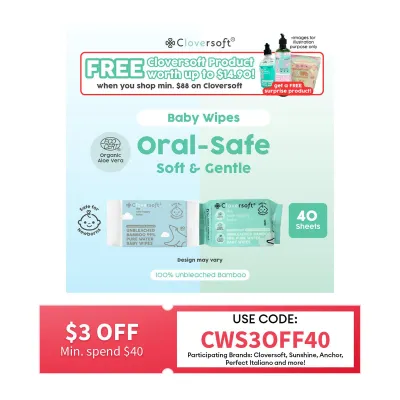
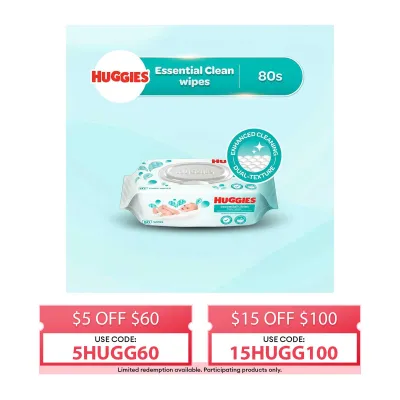
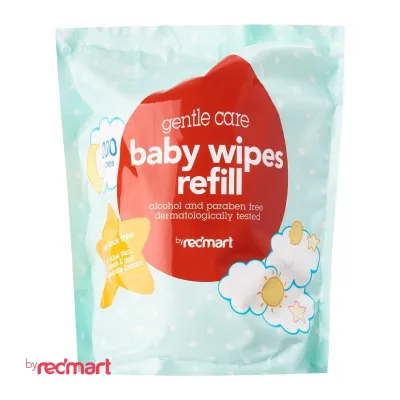
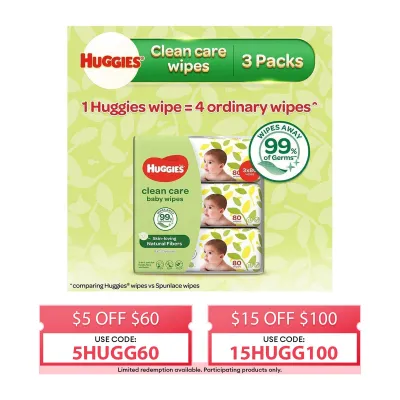
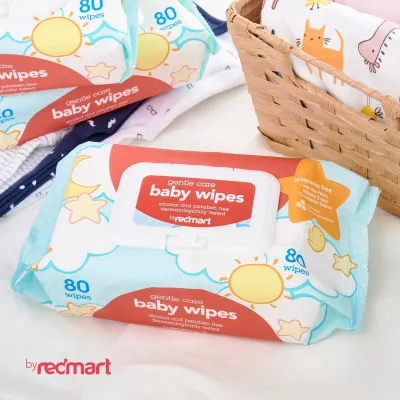
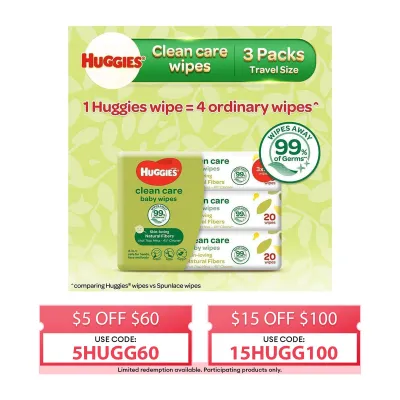
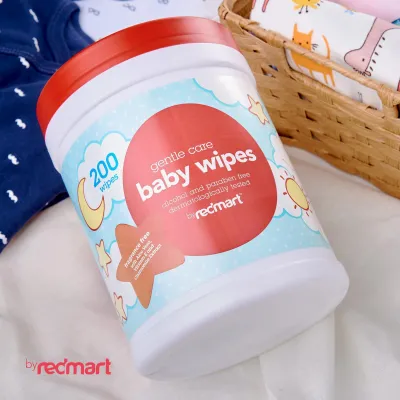
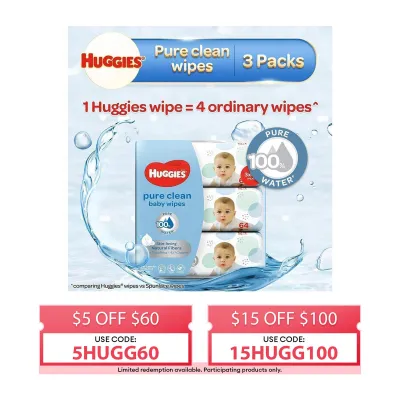
Prices are valid at publication and may change. Please refer to the product page for the latest price.
Fragrances and Essential Oils Added scents are among the most common triggers for contact dermatitis in babies. Manufacturers often include synthetic fragrances to give wipes a pleasant smell or to mask raw ingredient odors. Even natural fragrances, such as essential oils (like lavender, tea tree, or citrus oils), contain complex organic compounds that can highly sensitize delicate skin over time. On the ingredient label, look out for generic terms like “fragrance,” “parfum,” or specific aromatic compounds such as limonene and linalool. If your baby has highly reactive skin, avoiding both synthetic and natural aromatic additives is a prudent first step.
Certain Preservatives Because baby wipes are moist and stored in warm environments—such as diaper bags or humid rooms—they require a preservative system to prevent the growth of harmful mold and bacteria. However, some older or harsher classes of preservatives are known skin sensitizers. Parents of babies with sensitive skin often choose to avoid specific preservatives like methylisothiazolinone (MIT), methylchloroisothiazolinone (MCI), and formaldehyde-releasing agents (such as DMDM hydantoin). Parabens are also frequently scrutinized due to concerns over skin sensitivity. When reviewing a label, check the exact chemical names of the preservatives used.
Drying Alcohols It is crucial to differentiate between different types of alcohols used in skincare formulations. Short-chain alcohols, such as isopropyl alcohol, ethanol, and alcohol denat, evaporate quickly and can severely strip the skin’s natural moisture barrier. This stripping effect leads to dryness, cracking, and increased vulnerability to diaper rash. On the other hand, fatty alcohols like cetearyl alcohol, cetyl alcohol, and stearyl alcohol act as emulsifiers or emollients. These fatty alcohols are generally non-irritating and can actually help condition the skin.
Harsh Surfactants Surfactants are cleansing agents that help lift dirt from the skin. While necessary for effective cleaning, strong surfactants can disrupt the lipid barrier of a baby’s skin. Ingredients like sodium lauryl sulfate (SLS) are known to be highly stripping and are rarely found in modern baby wipes, but other strong cleansing agents can still cause mild irritation with frequent use. Opting for wipes that utilize mild, plant-derived surfactants—such as coco-glucoside or decyl glucoside—can help cleanse the diaper area gently.
Decoding Marketing Claims Versus the Actual Ingredient List
The front of a baby wipe package is designed to attract attention, often featuring reassuring buzzwords. However, relying solely on these claims can be misleading, as many terms lack strict regulatory definitions.

For instance, words like “natural,” “gentle,” or “organic” are frequently used as marketing tools rather than certified guarantees of safety. A “natural” wipe may still contain botanical extracts that trigger allergic reactions, while a “dermatologically tested” label simply means a dermatologist evaluated the product at some point, not that it is universally safe for highly sensitive skin.
To verify the true composition of a baby wipe, turn the package over and review the ingredient list. Ingredients are legally required to be listed in descending order of concentration. The first few ingredients—usually starting with water (aqua)—make up the vast majority of the product. If you spot a potential irritant near the top of the list, its concentration is relatively high, making it more likely to cause a reaction.
Another common source of confusion is the difference between “fragrance-free” and “unscented” labels. A “fragrance-free” product is formulated without any ingredients added specifically to impart a scent. An “unscented” product, however, may contain masking fragrances. These are chemical agents added to neutralize the unpleasant natural odors of the active ingredients, resulting in a product that has no perceptible smell but still contains potentially irritating fragrance chemicals. For sensitive skin, “fragrance-free” is generally the safer choice.
How to Safely Test a New Baby Wipe Before Full Use
Before integrating a new brand of baby wipes into your daily diapering routine, performing a localized patch test is a highly recommended safety measure. This simple step helps you identify individual sensitivities before exposing larger, more sensitive areas of your baby’s body to a new formulation.
To conduct a patch test, select a small, clean, and discreet area of your baby’s skin, such as the inner forearm or the side of the thigh. Gently swipe the new wipe across this small patch of skin. Allow the liquid to dry naturally, and do not wash the area immediately.
Observe the tested area closely over a 24-to-48-hour period. Look for any visual signs of irritation, which may include:
- Localized redness or pinkness
- Dry, rough, or flaky patches of skin
- Small raised bumps or hives
- Signs of physical discomfort, such as your baby scratching the area or showing unusual fussiness when the spot is touched
To ensure accurate results, introduce only one new skincare product or wipe brand at a time. If you change your baby’s diaper cream, bath wash, and wipes simultaneously, it becomes nearly impossible to isolate the specific cause of an adverse reaction. If the patch test area remains clear and free of irritation after 48 hours, you can proceed with using the wipes on the diaper area with greater confidence.
When to Stop Use and Consult a Pediatrician
While mild skin irritation can often be managed by switching to gentler products, certain symptoms require immediate action and professional medical guidance. Knowing when to stop using a product and seek help is vital for preventing secondary infections.
You should immediately discontinue the use of any baby wipe if you observe persistent redness, swelling, blistering, peeling, or weeping skin in the diaper area or any other location where the wipe was used. If your baby cries or shows clear signs of pain and discomfort during wiping, this is a strong indicator that the skin barrier is compromised and highly irritated.
It is also important to recognize that not all diaper rashes are simple cases of contact dermatitis caused by a wipe. Severe, bright red rashes with distinct borders, or those accompanied by small red spots (satellite lesions), may indicate a fungal or yeast infection. Rashes that ooze, crust over, or are accompanied by a fever could point to a bacterial infection. These conditions cannot be resolved simply by changing wipe brands and require targeted medical treatment.
When consulting a pediatrician or healthcare professional about your baby’s skin issues, remember to bring the specific baby wipe packaging with you, or take a clear, high-resolution photo of the ingredient list. This allows the doctor to review the exact chemical composition of the product, helping them identify potential allergens and provide an accurate assessment.
Frequently Asked Questions (FAQ)
Are water-only baby wipes completely free of irritating ingredients?
While water-only or high-percentage water wipes are formulated to be exceptionally gentle, they are rarely composed of 100% water. Because water is highly susceptible to bacterial and mold growth, these products must still utilize a preservative system or specialized sterile packaging to remain safe for use over time. Many water-based wipes include fruit extracts (such as grapefruit seed extract) or mild synthetic preservatives to maintain shelf stability. While these additives are generally well-tolerated, they can still trigger reactions in babies with extremely sensitive skin or specific botanical allergies. Always check the remaining percentage of ingredients on the label to ensure there are no hidden irritants.
Can I use regular baby wipes on my baby's face and hands?
It is generally best to exercise caution when using standard diaper wipes on a baby’s face and hands. The skin on an infant’s face is thinner and more sensitive than the skin on their bottom, and wipes used around the mouth carry a higher risk of accidental ingestion or hand-to-mouth transfer of ingredients. Some diaper wipes contain cleansing agents or preservatives that, while safe for the diaper area, may irritate the eyes or sensitive facial skin. Always check the manufacturer’s packaging for specific usage instructions. If your baby has highly reactive skin, look for wipes explicitly labeled as safe for face and hands, or use a clean, soft washcloth dampened with plain water for facial cleanups.

Community discussion
Share your experience or ask a question. Comments are reviewed before publication.