
No single tissue cap design is universally superior for preserving baby wipes; the most effective mechanism depends on how the physical seal aligns with your usage frequency, storage environment, and handling habits. While flip-top, sticker-seal, and pop-up designs each offer distinct advantages, their ability to retain moisture and protect ingredient freshness relies on proper maintenance and correct application. This guide compares the structural properties of these three common cap designs to help you evaluate which mechanism best supports your daily diapering routine and storage conditions.
In tropical climates like Singapore, where high ambient humidity is often countered by dry, air-conditioned indoor spaces, maintaining the integrity of baby wipe packaging is a constant challenge. A compromised seal can turn a fresh pack of wipes dry and abrasive within days, causing unnecessary waste and potential skin irritation for your baby. Understanding how different cap designs function physically allows you to make an informed choice that protects both your budget and your child’s sensitive skin.
Understanding the Core Seal Mechanisms
To evaluate how different packaging options perform, it is helpful to first understand the physical engineering behind each common tissue cap design. These mechanisms dictate how air and moisture move between the inside of the package and the surrounding environment.
Products mentioned in this guide
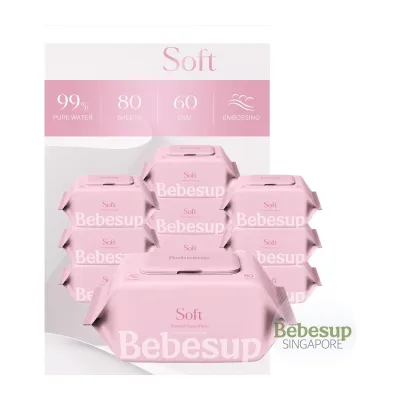
Prices are valid at publication and may change. Please refer to the product page for the latest price.
Flip-top designs feature a rigid, hinged plastic lid that is permanently bonded to the flexible outer packaging of the wipe pack. The sealing action occurs when the lid is pressed down over a raised plastic rim, creating a mechanical latch. In some premium variations, a small silicone or rubber gasket is integrated into the inner groove of the lid, providing a compression seal that physically blocks airflow when the latch is fully engaged.
Sticker-seal designs represent the most minimalist approach, consisting of a flexible, multi-layered plastic flap coated with a pressure-sensitive adhesive. This flap is applied directly over a die-cut opening in the main packaging. The seal relies entirely on the chemical tackiness of the adhesive to cling to the smooth plastic surface of the pack, creating a flat barrier without any rigid structural components.
Pop-up designs utilize a rigid plastic frame similar to a flip-top, but they incorporate an internal dispensing mechanism designed to present one wipe at a time. This mechanism often consists of a flexible silicone slit or overlapping plastic flaps located just beneath the outer lid. While the outer lid provides the primary barrier when closed, the internal slit acts as a secondary, temporary barrier that restricts air exchange even while the main lid remains open during active use.
How Cap Design Impacts Moisture Retention
The primary function of any tissue cap is to prevent the water and liquid solvents in baby wipes from evaporating. Evaporation occurs when dry air enters the package and draws moisture out, a process that can be significantly accelerated by indoor heating, air conditioning, or direct sunlight.

Gasket compression in flip-top designs offers the most robust physical barrier against evaporation. When the rigid lid is snapped shut, the mechanical force compresses the gasket or the plastic rim, leaving virtually no gaps for air exchange. This design is highly effective at maintaining moisture levels over several weeks or even months, making it ideal for larger packs or backup supplies that are not consumed immediately.
In contrast, sticker-seal designs are highly vulnerable to adhesive degradation over time. Every time the adhesive flap is peeled back and pressed down, it collects microscopic particles of dust, lint, baby powder, and moisture from your fingers. As these contaminants accumulate, the adhesive loses its tackiness, leading to lifting edges and slow, continuous air leaks that dry out the wipes nearest to the opening.
Pop-up designs balance these two extremes by using slit tension to limit exposure. The silicone slit grips the emerging wipe tightly, minimizing the open surface area of the package during a diaper change. However, if the outer rigid lid is not closed properly after use, the slit alone cannot prevent long-term moisture loss, as air can still slowly circulate through the small opening.
To check the seal integrity of any wipe pack, you can perform a simple physical test. Gently squeeze the sealed package; if air escapes rapidly and the pack deflates easily, the seal is compromised, and moisture loss is actively occurring.
Protecting Ingredient Freshness and Preventing Degradation
Beyond simple moisture loss, the design of a tissue cap directly influences the chemical stability and freshness of the ingredients formulated within the wipes. Baby wipes are typically infused with water, mild cleansing agents, skin conditioners, and preservatives that prevent the growth of bacteria and mold.
Air exchange rates play a critical role in preserving these ingredients. When a package is poorly sealed, constant exposure to fresh oxygen can cause sensitive botanical extracts, such as chamomile or aloe vera, to oxidize and lose their beneficial properties. Furthermore, excessive air exposure can cause water to evaporate while leaving the active cleansing agents behind in a highly concentrated state, which may increase the risk of skin irritation when applied to your baby’s delicate skin.
Light exposure is another critical factor that is often overlooked. Many active ingredients and mild preservatives are sensitive to ultraviolet (UV) light, which can trigger chemical breakdown and reduce their efficacy. Opaque, rigid plastic caps, such as those found on flip-top and pop-up designs, block light completely over the opening area. Translucent sticker flaps, however, allow light to penetrate, which can accelerate the degradation of light-sensitive compounds if the pack is stored near a window or under bright indoor lighting.
When purchasing baby wipes, it is wise to inspect the ingredient list for oxidation-prone compounds and match them with appropriate packaging. If you prefer wipes with minimal preservatives or high concentrations of natural extracts, choosing an opaque, rigid flip-top cap is a prudent step to ensure the formulation remains stable and safe for use throughout the life of the pack.
Usability, Contamination Risks, and Daily Maintenance
While moisture retention and ingredient preservation are vital, the practical realities of daily parenting mean that usability and hygiene are equally important considerations. A seal is only effective if it can be easily managed during the chaotic moments of a diaper change.
One-handed operation is a major advantage of pop-up and sticker-seal designs. Pop-up caps often feature a large, spring-loaded button that can be pressed with a single finger, immediately exposing the wipes while you keep one hand securely on your baby. Sticker seals can also be peeled back with one hand, though smoothing the adhesive flap back down flat usually requires two hands to hold the flexible packaging taut and ensure a complete seal.
Flip-top caps generally require a more deliberate, two-handed effort to close securely. You must press down firmly until you hear or feel a distinct “click” that signals the latch has engaged. If closed carelessly with one hand, the lid may rest in a semi-open position, exposing the contents to the air without your knowledge.
Contamination risks also vary significantly between these designs. The sticky surface of a sticker seal easily traps dirt, hair, and diaper cream residue, which not only ruins the adhesive but can also introduce bacteria into the package. Gaskets on flip-top lids can also accumulate lint or lotion residue over time, preventing a flush fit.
To maintain your wipe packaging, establish a simple routine of checking the sealing surfaces. Periodically wipe the plastic rim or gasket with a clean, dry cloth to remove any stray wipe fibers or lotion buildup. If you notice the adhesive on a sticker seal is failing entirely, it is best to take preventive action rather than letting the wipes dry out.
How to Choose the Right Tissue Cap for Your Needs
Selecting the ideal tissue cap design requires balancing your daily habits, storage locations, and how quickly you typically consume a pack of wipes. No single design fits every scenario, but a conditional framework can guide your choice.
You should choose a flip-top design if you prioritize long-term storage, buy wipes in bulk, or keep packs in low-use areas like the car or a guest room. This design provides the most reliable long-term barrier against moisture loss and ingredient degradation, provided you take the time to ensure the lid is clicked shut after every use.
A sticker-seal design is highly suitable if you need lightweight, compact packaging for travel, diaper bags, or stroller pockets. Because these packs are typically smaller and consumed quickly during outings, the risk of long-term adhesive failure or moisture loss is minimized by the rapid turnover of the wipes.
A pop-up design is the optimal choice for your primary diaper changing station at home. The ease of one-handed, button-activated access is invaluable during active diaper changes, and because these packs are used frequently, the wipes are consumed long before any minor air leakage through the slit can cause significant drying.
Before making a final decision, always verify the manufacturer’s storage instructions on the packaging. If the wipes contain highly volatile or light-sensitive ingredients, prioritize opaque, rigid caps to ensure the product remains safe and effective for your baby’s skin.
Frequently Asked Questions (FAQ)
Can I replace a broken flip-top hinge or lost sticker seal?
Attempting to repair a broken hinge or lost seal with household glues or tapes is not recommended, as these adhesives may contain volatile organic compounds or chemicals that are unsafe for products contacting baby skin. If a cap is damaged, the safest course of action is to transfer the remaining wipes to a clean, sanitized, airtight container specifically designed for wet wipes. Ensure the temporary container is thoroughly washed with warm, soapy water and completely dried before transferring the wipes to prevent introducing mold or bacteria.
How do I know if the wipes inside have degraded despite an intact cap?
Even if the tissue cap remains perfectly sealed, baby wipes can degrade over time or if exposed to excessive heat. Inspect the wipes for any changes in smell, such as a sour, musty, or chemical odor, which can indicate bacterial growth or preservative breakdown. Discoloration, yellowing, or a separation of the liquid lotion within the pack are also clear signs of degradation. If you observe any of these signs, stop using the wipes immediately and discard them; continuing to use degraded wipes can lead to skin irritation, diaper rash, or infection, requiring a consultation with a pediatrician.
Community discussion
Share your experience or ask a question. Comments are reviewed before publication.