
Selecting the right baby wet tissue requires looking beyond attractive packaging and focusing directly on the ingredient list. Because an infant’s skin is highly delicate, certain chemical additives commonly found in cleansing products can trigger irritation, dryness, or allergic reactions. Understanding what goes onto your baby’s skin is the first step in maintaining their natural skin barrier.
Why Ingredient Awareness Matters for Infant Skin
An infant’s skin is structurally different from adult skin, making it far more vulnerable to external irritants. The outer layer of the skin, known as the stratum corneum, is significantly thinner in babies. This structural difference results in a higher rate of transepidermal water loss and increased permeability, meaning topical substances are absorbed much more easily and deeply into the skin.
Because of this high permeability, chemical residues left behind by wet tissues can penetrate the skin barrier quickly. In the diaper area, this risk is compounded by prolonged exposure to moisture, friction, and biological waste. When active ingredients or preservatives remain on the skin under a closed diaper, they can easily cause contact dermatitis, leading to redness, discomfort, and persistent rashes.
Products mentioned in this guide
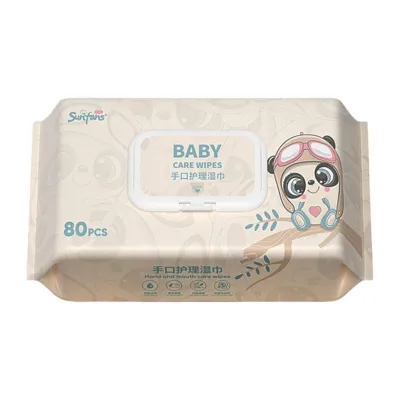
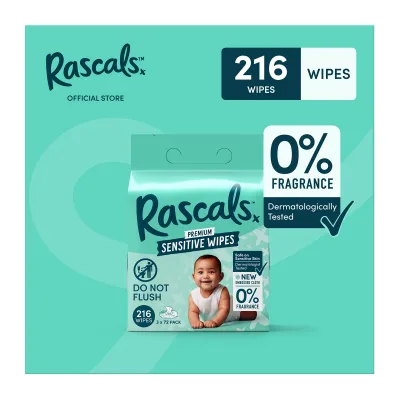
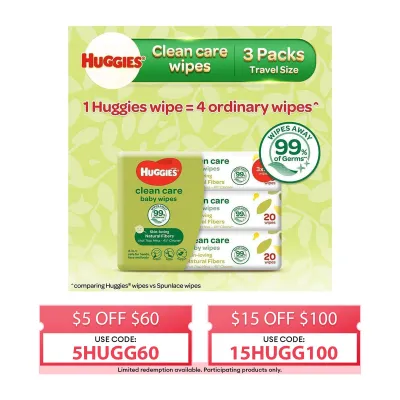
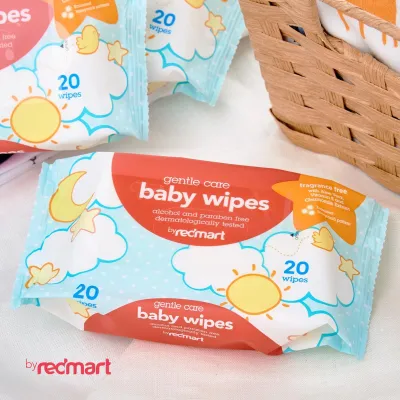
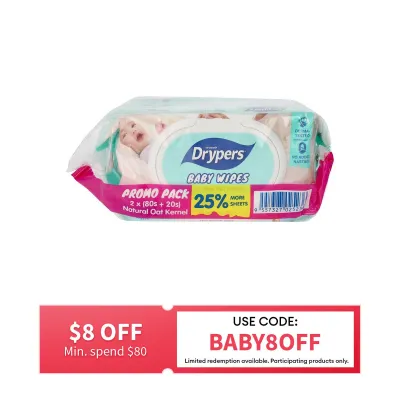
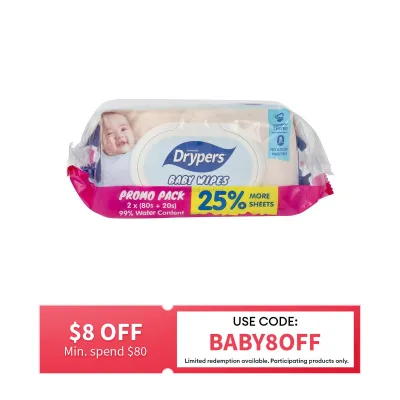
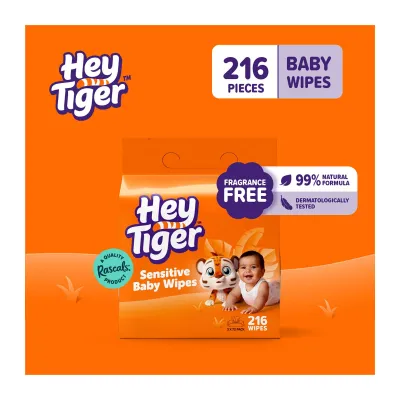
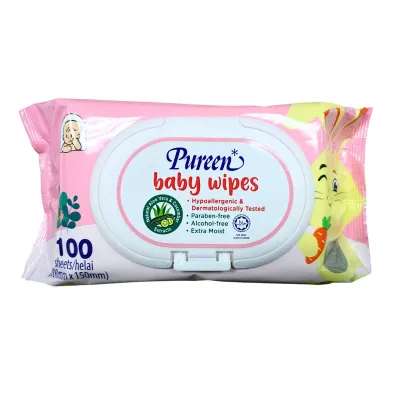
Prices are valid at publication and may change. Please refer to the product page for the latest price.
In warm and humid climates like Singapore, managing skin moisture is particularly challenging. Sweat and humidity can weaken the skin barrier, making it even more susceptible to chemical irritation. Caregivers must carefully match wet tissue formulations to their baby’s specific age, skin type, and current skin condition, especially if the infant is already prone to eczema or dry patches.
Common Ingredient Categories to Check on the Label
To make informed choices, parents need to know how to locate and read the ingredient list on wet tissue packaging. This list is typically printed on the back or side of the pack, often using the International Nomenclature of Cosmetic Ingredients (INCI) format. While these technical names can look intimidating, learning to recognize a few key terms helps you quickly identify potential irritants.

It is important to distinguish between necessary formulation components and optional additives that serve cosmetic purposes. For instance, water and a mild preservative system are essential to keep the wipes clean and free from mold. On the other hand, added fragrances, colorants, and harsh cleansing agents are not necessary for effective cleaning and often increase the risk of skin sensitization.
Preservatives and Antimicrobial Agents
Because wet tissues are water-based and stored in warm, moist environments like diaper bags, they require a preservative system to remain safe for use. Without preservatives, these products would quickly become breeding grounds for harmful bacteria, mold, and fungi. However, the type of preservative used matters immensely when it comes to protecting sensitive infant skin.
Several categories of preservatives are frequently flagged by dermatologists due to their high potential for causing contact allergies. Parents should look out for and avoid ingredients such as methylisothiazolinone (MI) and methylchloroisothiazolinone (MCI), which are known sensitizers. Other preservatives to avoid include parabens (such as methylparaben and propylparaben) and formaldehyde-releasing agents like DMDM hydantoin, which can release small amounts of formaldehyde over time.
If your baby has compromised skin, such as active eczema or a severe diaper rash, their skin barrier is already broken. In these situations, even standard, mild preservatives can cause a stinging sensation or worsen the inflammation. It is highly recommended to consult a pediatrician or dermatologist to determine which preservative systems are safest for your baby’s specific skin condition.
Fragrances and Essential Oils
Fragrances are among the most common causes of allergic contact dermatitis in both children and adults. Many manufacturers add scents to baby wipes to mask the natural odor of the ingredients or to provide a pleasant sensory experience during diaper changes. However, these added scents offer no functional benefit for cleaning and pose a significant risk to sensitive skin.
When reading labels, it is crucial to understand the difference between “fragrance-free” and “unscented” products. A “fragrance-free” label indicates that the product contains no ingredients added specifically to impart a scent. In contrast, an “unscented” product may still contain chemical masking agents designed to neutralize the odors of other ingredients, meaning sensitizing chemicals could still be present.
Many parents turn to natural or organic wipes, assuming that essential oils are a safer alternative to synthetic fragrances. However, natural botanical extracts and essential oils, such as lavender, tea tree, or citrus oils, contain complex volatile compounds that can be highly irritating to an infant’s delicate skin. Always check the ingredient list for generic terms like “parfum” or “fragrance,” as well as specific botanical names that indicate the presence of essential oils.
Surfactants and Cleansing Agents
Surfactants, or surface-active agents, are included in wet tissues to help lift dirt, urine, and fecal matter from the skin easily. By reducing the surface tension of water, these cleansing agents allow the wipe to clean effectively with minimal physical rubbing. This is important because excessive friction from wiping can mechanically damage a baby’s delicate skin barrier.
However, not all surfactants are created equal, and some can be too harsh for daily use on infant skin. Strong surfactants, such as sodium lauryl sulfate (SLS) and other harsh sulfates, can strip away the natural lipids that keep the skin hydrated and protected. When these lipids are washed away, the skin becomes dry, flaky, and highly vulnerable to environmental irritants and bacterial infections.
To protect your baby’s skin barrier, look for wet tissues that utilize mild, plant-derived, or amino acid-based surfactants. Ingredients such as coco-glucoside, decyl glucoside, and sodium cocoyl glutamate are suitable alternatives. These gentle cleansers effectively remove impurities while preserving the skin’s natural moisture and lipid balance, making them much more suitable for sensitive skin.
How to Read and Verify Baby Wet Tissue Labels
Navigating the baby care aisle can be overwhelming due to the abundance of marketing claims displayed on product packaging. Terms like “hypoallergenic,” “dermatologically tested,” and “pure water” are frequently used to attract parents seeking gentle options. However, these terms are not always strictly regulated, and their definitions can vary significantly between different manufacturers.
For example, “hypoallergenic” simply means the product is formulated to minimize the risk of allergic reactions, but it does not guarantee that your baby will not react to it. Similarly, “dermatologically tested” indicates that the product was tested on human skin, but it does not provide details about the test conditions, the skin types of the participants, or the full results. “Pure water” claims often highlight the filtration process of the water used, but the final product still requires preservatives to prevent microbial growth.
To help you make a safer choice, always cross-reference front-of-pack marketing claims with the actual ingredient list on the back of the packaging. The ingredient list provides an objective account of what is inside the product, allowing you to verify the absence of harsh chemicals. If a product claims to be fragrance-free, the back label should confirm that no synthetic perfumes or essential oils are present.
Additionally, look for recognized third-party testing logos, pediatric associations, or dermatologist recommendations on the packaging. Organizations that certify products as suitable for sensitive or eczema-prone skin often have strict criteria for ingredient safety. While these logos provide an extra layer of reassurance, it is still wise to verify the certification status on the official database of the certifying body to ensure the claim is current and valid.
What to Do If Your Baby Experiences Skin Irritation
Even when you are highly cautious, a baby can still experience an adverse reaction to a new wet tissue. If you notice signs of irritation, such as redness, small bumps, or dry patches in the diaper area, the immediate step is to discontinue using the suspected product. Continuing to use an irritating wipe will only worsen the inflammation and delay the healing process.
After stopping the use of the wipes, gently cleanse the affected area using plain, lukewarm water. You can use a soft, clean cotton pad or washcloth, gently patting the skin dry rather than rubbing it. Allowing the skin to air-dry completely before putting on a fresh diaper is also highly beneficial, as it reduces friction and prevents moisture from being trapped against the irritated skin.
Monitor the rash closely over the next 24 to 48 hours. If the redness persists, spreads, or if you notice red-flag signs such as swelling, oozing, blisters, or if your baby seems to be in significant pain, seek professional medical evaluation from a pediatrician. These symptoms could indicate a secondary bacterial or fungal infection that requires targeted medical treatment rather than simple barrier creams.
To prevent widespread reactions in the future, practice patch testing whenever you introduce a new brand of wet tissues. Apply a small piece of the wet tissue to a small, non-sensitive area of your baby’s skin, such as the inner forearm, for a few seconds. Monitor this specific spot for 24 to 48 hours; if no redness, swelling, or irritation occurs, the product is generally safer to use on larger areas of the body.
Frequently Asked Questions (FAQ)
Can I use regular adult wet tissues for my baby in an emergency?
It is highly recommended to avoid using adult wet tissues on babies, even in temporary or emergency situations. Adult wipes are formulated for mature skin, which has a thicker, more resilient barrier. Consequently, they often contain much higher concentrations of strong cleansing agents, alcohol, and heavy synthetic fragrances. On delicate infant skin, these ingredients can cause immediate burning, severe irritation, and rapid disruption of the skin barrier.
Are wipes with 99% water completely free of irritating ingredients?
Wipes labeled as containing 99% water are not entirely free of other ingredients, and the remaining 1% is highly important. This small percentage typically contains preservatives, pH adjusters, and emulsifiers necessary to keep the wipes sterile and stable. While many water-based wipes use very mild ingredients for this remaining 1%, parents must still check the label to ensure that no harsh preservatives or hidden sensitizers are included in the formulation.

Community discussion
Share your experience or ask a question. Comments are reviewed before publication.