
When caring for a baby’s delicate skin, especially in Singapore’s hot and humid climate, choosing the right diapering products is essential. Many parents turn to baby water wipes as a gentle, non-irritating option to cleanse sensitive skin during diaper changes. However, the marketing claims on the front of the packaging do not always tell the whole story. Understanding what ingredients are actually inside these wipes—and which ones can trigger irritation—empowers you to make informed, safe choices for your child.
While water-based wipes are designed to be much simpler than standard wet wipes, they are rarely just water. Navigating the ingredient list on the back of the pack is the most reliable way to ensure you are not exposing your baby to unnecessary chemicals that could compromise their skin barrier.
What Exactly Are "Water Wipes"?
“Water wipes” are wet wipes formulated with an exceptionally high percentage of purified water, typically marketed as containing 99% water or higher. The primary appeal of these products is their simplicity, aiming to mimic the gentleness of using a clean cotton ball dipped in plain water. For newborns and babies with highly sensitive skin or conditions like eczema, minimizing chemical exposure is key to preventing contact dermatitis.
Products mentioned in this guide
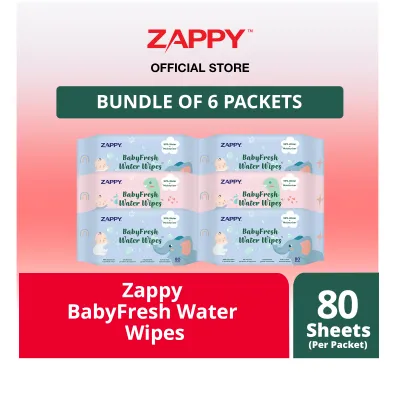
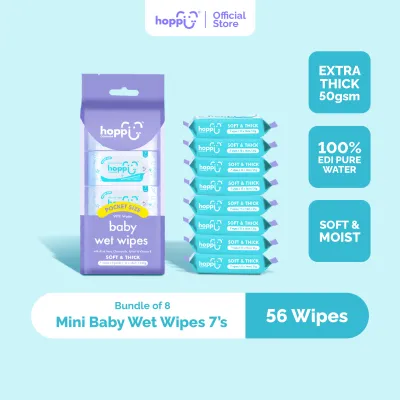
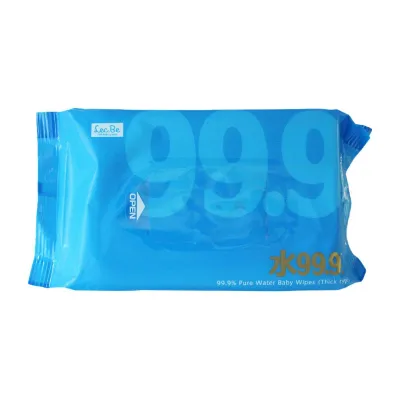
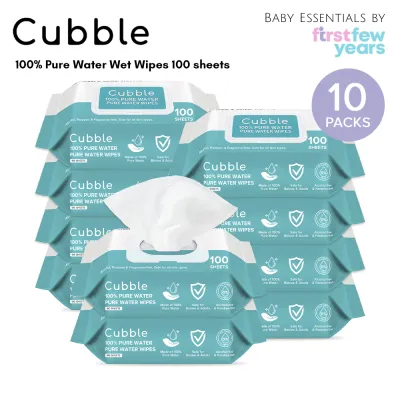
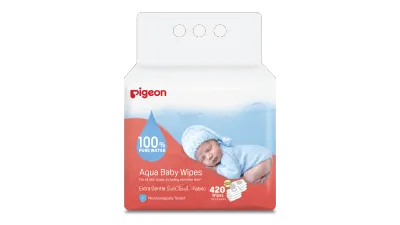
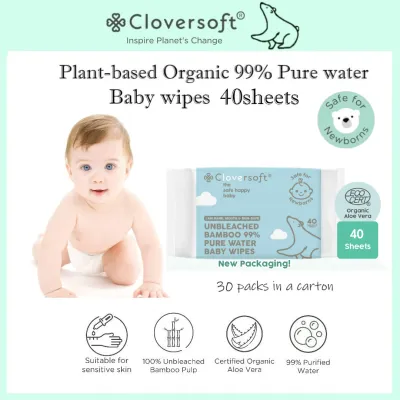
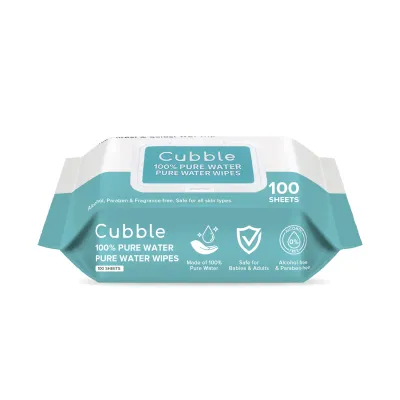
Prices are valid at publication and may change. Please refer to the product page for the latest price.
However, completely additive-free “100% water” wipes do not exist in practical commercial packaging. Once a package of wipes is manufactured, sealed, shipped, and opened by a consumer, the moist environment inside becomes highly susceptible to bacterial and fungal growth. Without any stabilizing or preserving agents, mold and harmful pathogens would quickly colonize the wipes, posing a serious health risk to your baby.
Therefore, parents should look for minimal, transparent ingredient lists rather than expecting a completely chemical-free product. A safe, mild preservative system is a necessary component of any commercial wet wipe. The goal is to find a product where these essential additives are kept to the absolute minimum necessary to keep the wipes sterile and safe for use.
Common Ingredients Found in Baby Water Wipes
To understand what you are putting on your baby’s skin, it helps to break down the typical components that make up a high-quality water wipe. These ingredients generally fall into three categories: the water base, mild cleansing agents, and soothing skin conditioners.

The Water Base and Purification Standards
The liquid solution in these wipes consists almost entirely of water, which acts as the primary solvent and cleansing medium. On the ingredient label, you will typically see this listed as “purified water,” “deionized water,” or “ultra-pure water.”
Purification is a critical step in the manufacturing process. Tap water contains minerals, chlorine, and trace impurities that can be harsh on a newborn’s thin skin barrier. Manufacturers use processes like reverse osmosis, deionization, and multi-stage filtration to strip these elements away, resulting in a highly pure liquid that minimizes the risk of irritation. When evaluating a product, always verify that water (often listed as Aqua) is the very first ingredient on the list, indicating it makes up the vast majority of the formulation.
Mild Cleansing Agents and Moisturizers
While water is excellent for wiping away loose dirt, it cannot easily dissolve oily residues, dried milk, or stubborn fecal matter. To assist with cleansing, some water wipes include trace amounts of mild, plant-derived surfactants. Common examples include decyl glucoside or coco-glucoside, which are gentle cleansing agents derived from coconut or corn. These ingredients help lift impurities from the skin without stripping its natural lipid barrier.
In addition to mild cleansers, many formulations include soothing botanical extracts or humectants to support skin hydration. Common additives include:
- **Aloe Vera (Aloe Barbadensis Leaf Juice):** Known for its soothing and cooling properties, which can be particularly comforting in warm climates.
- **Chamomile Extract (Chamomilla Recutita Flower Extract):** Often added to help calm mild skin redness.
- Glycerin: A well-known humectant that draws moisture into the skin, helping to prevent dryness.
While these natural ingredients are generally well-tolerated, it is important to remember that even organic botanical extracts can occasionally cause allergic contact dermatitis in highly sensitive infants. In a true water wipe, these secondary ingredients should be kept to a minimum.
Ingredients Parents Should Watch Out For
Not all wipes are created equal, and some formulations contain additives that are common triggers for skin irritation, allergic reactions, or disruption of the skin’s natural protective barrier.
Harsh Preservatives and Fragrances
Fragrance is one of the most common causes of skin sensitivity and allergic contact dermatitis in babies. Synthetic fragrances and even natural essential oils are entirely unnecessary for the physical cleansing process. When shopping, look for products explicitly labeled “fragrance-free” rather than “unscented.” Unscented products may still contain masking fragrances designed to cover up the chemical smell of other ingredients, whereas fragrance-free products contain no scent-imparting additives.
Preservatives are necessary to keep wipes sterile, but certain classes of preservatives are notoriously harsh. Parents should carefully inspect labels to avoid:
- Methylisothiazolinone (MI) and Methylchloroisothiazolinone (MCI): Strong preservatives that have been linked to severe contact allergy outbreaks in children.
- Parabens (e.g., Methylparaben, Propylparaben, Butylparaben): Often avoided due to concerns regarding potential endocrine disruption.
- Formaldehyde Releasers (e.g., DMDM Hydantoin, Diazolidinyl Urea): Preservatives that slowly release trace amounts of formaldehyde to prevent microbial growth, which can trigger skin sensitization.
Instead, look for wipes that utilize milder, widely accepted food-grade preservative systems, such as sodium benzoate, potassium sorbate, or citric acid, which present a significantly lower risk of irritation.
Surfactants and pH Disruptors
Harsh surfactants can strip the delicate lipid layer of a baby’s skin, leaving it vulnerable to dryness, environmental irritants, and diaper rash. Avoid wipes containing strong sulfates like Sodium Lauryl Sulfate (SLS) or Sodium Laureth Sulfate (SLES). These foaming agents are too aggressive for frequent use on a baby’s diaper area.
Maintaining the correct pH balance is another crucial factor. A baby’s skin surface is naturally slightly acidic, typically maintaining a pH of around 5.5. This “acid mantle” acts as a barrier against harmful bacteria and fungi. Wipes that are highly alkaline can disrupt this balance, compromising the skin barrier and increasing the likelihood of diaper rash.
To protect this natural barrier, prioritize products labeled as “pH-balanced” or “clinically tested for sensitive skin.” Always monitor your baby’s skin for any signs of dryness or redness after introducing a new brand, as individual skin chemistry varies.
How to Read and Verify a Wet Wipe Ingredient List
Deciphering the fine print on packaging can feel overwhelming, but a few simple strategies can help you verify marketing claims and make safer purchasing decisions.
First, understand that ingredients are listed in descending order of concentration. The first three to four ingredients make up the vast majority of the wipe’s liquid solution. If you see water listed first, followed immediately by a long list of complex chemical names, the product may not be as simple or gentle as the front-of-pack marketing suggests. In a high-quality water wipe, the ingredient list should be remarkably short—often fewer than five or six items in total.
Second, look closely at the bottom of the ingredient list for hidden fragrances or potential allergens. Under cosmetic labeling standards, specific aromatic compounds must be disclosed individually if they exceed certain thresholds. Keep an eye out for terms like parfum, aroma, or specific plant compounds like limonene, linalool, or geraniol, which are often constituents of essential oils and can trigger reactions.
Third, treat front-of-pack claims like “hypoallergenic,” “dermatologically tested,” or “natural” with healthy skepticism. These terms are not universally standardized or strictly regulated. Always cross-reference these claims with the actual ingredient list on the back to verify what is truly inside the package.
Finally, before using a new brand of wipes extensively, perform a simple patch test. Wipe a small area of your baby’s skin—such as the inner arm or leg—and wait 24 to 48 hours. Check for any signs of redness, swelling, or irritation. This step is particularly important if your baby has a history of eczema, extremely dry skin, or known allergies.
When to Stop Using a Wipe and Seek Professional Advice
Even when using wipes with highly minimal ingredient lists, some babies may still develop sensitivities. It is important to recognize the early signs of a skin reaction so you can take immediate action.
Discontinue use of the wipes immediately if you observe any of the following symptoms on your baby’s skin:
- Persistent redness or inflammation that does not resolve with standard diaper cream.
- Dry, peeling, or scaling skin in the diaper area.
- Small red bumps, hives, or localized swelling.
- Increased fussiness, crying, or signs of discomfort during diaper changes.
If you suspect a reaction, temporarily stop using all commercial wet wipes. Switch to using plain water and soft, dry cotton cloths or reusable bamboo pads to cleanse the diaper area. This allows the skin barrier to rest and recover without further chemical exposure.
If the skin irritation worsens, spreads beyond the diaper area, begins to ooze, develops blisters, or does not show improvement within a few days of stopping the wipes, consult your pediatrician or a pediatric dermatologist. They can provide an accurate diagnosis, rule out secondary infections, and recommend safe, therapeutic skin care routines tailored to your baby’s needs.
Frequently Asked Questions (FAQ)
Are water wipes safe for cleaning a newborn's face and hands?
While high-quality water wipes with minimal, verified ingredients are generally safe for quick clean-ups on the go, the skin on a newborn’s face and around their eyes is significantly thinner and more delicate than the skin on their diaper area. The liquid solution in commercial wipes, even when highly purified, can cause mild stinging if it gets directly into the eyes or mouth.
For routine face and hand cleaning at home, it is best to use a soft, clean washcloth dampened with plain, lukewarm water. This completely eliminates the risk of exposure to preservatives or surfactants on delicate facial skin. Reserve commercial water wipes for travel, outdoor outings, or messy diaper changes where access to clean running water is limited.

Community discussion
Share your experience or ask a question. Comments are reviewed before publication.