
Finding the ideal baby water wipes in Singapore’s baby care market involves looking beyond “99% water” marketing claims. There is no single “cleanest” water wipe, as the best formulation depends on your baby’s unique skin sensitivity, your stance on synthetic versus plant-derived ingredients, and how the product handles the tropical climate. While some parents prioritize a minimalist formula with virtually zero additives, others require specific soothing botanicals or robust, food-grade preservative systems to prevent mold in high-humidity environments. This guide provides a practical framework to help you evaluate ingredient lists, decode preservative systems, and verify safety certifications so you can make an informed, condition-based choice.
What Defines a "Clean" Ingredient List in Baby Water Wipes?
To evaluate baby water wipes, it is essential to understand what actually goes into these products. Most water wipes consist of a very high percentage of water—typically ranging from 99% to 99.9%—combined with a small fraction of active ingredients, skin conditioners, and preservatives. The water used is not ordinary tap water; manufacturers typically use purified, deionized, or medical-grade water to ensure that no trace minerals or contaminants interfere with the formulation’s stability or irritate a newborn’s delicate skin barrier.
However, the term “clean” is highly subjective and lacks a standardized medical definition. For one parent, a clean wipe means a formula containing only two ingredients: purified water and a single fruit extract. For another, it means a product that avoids synthetic fragrances and harsh alcohols but includes mild, plant-derived cleansing agents to help dissolve diaper mess. Because a baby’s skin barrier is up to 30% thinner than an adult’s, it absorbs topical substances more rapidly and is highly susceptible to contact dermatitis. Therefore, defining “clean” requires balancing the desire for minimal chemical exposure with the practical need for effective cleansing and skin protection.
Products mentioned in this guide
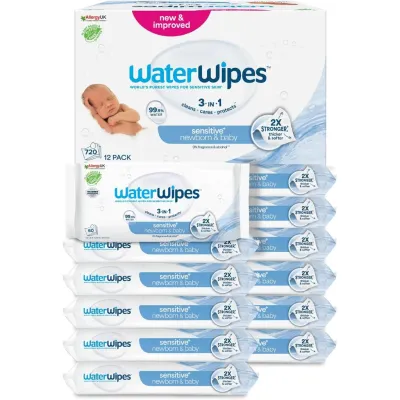
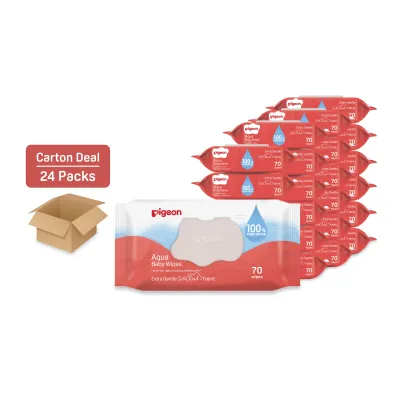
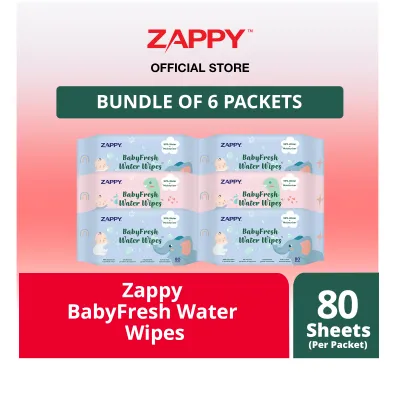
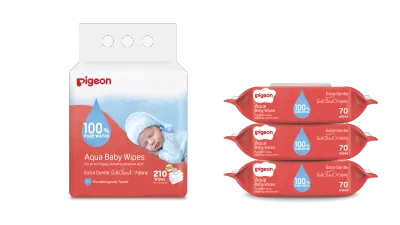
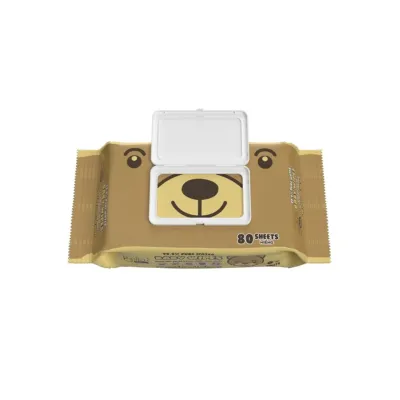
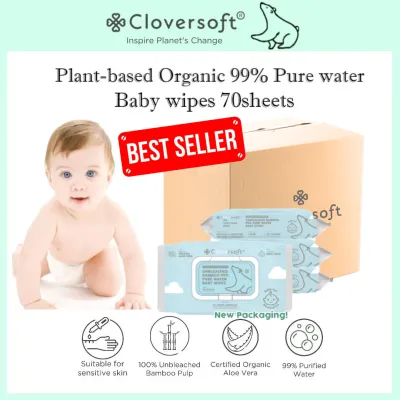
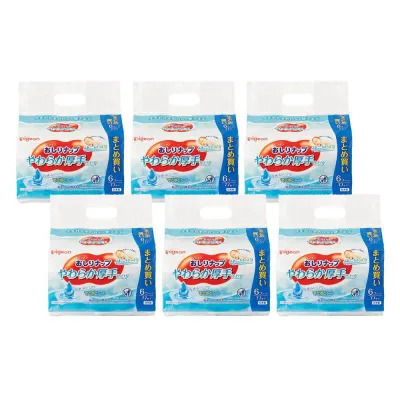
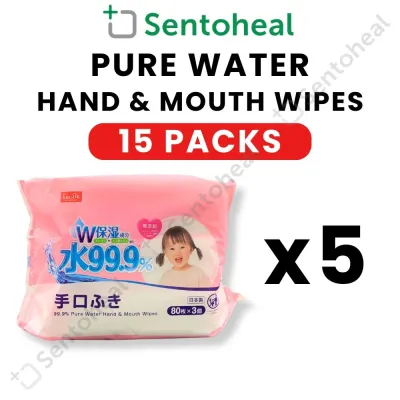
Prices are valid at publication and may change. Please refer to the product page for the latest price.
A critical, often misunderstood aspect of a clean formulation is the necessity of a preservative system. Water is the perfect breeding ground for bacteria, mold, and yeast. Once a pack of wipes is opened and exposed to the air, or when fingers touch the top wipe, contaminants are introduced into the moist environment. Without an effective preservative system, a pack of wipes can become a microbial hazard within days. A truly clean and safe wipe is not one that completely lacks preservatives, but rather one that utilizes the mildest, most stable preservation method possible to keep the product sterile without triggering skin sensitization.
Key Ingredients to Look For and Avoid
When scanning the back of a baby wipe packet, the ingredient list is your most reliable tool. By law, ingredients are listed in descending order of concentration by weight. This means the first few ingredients make up the vast majority of the product, while ingredients listed near the end are present in very small quantities, often less than one percent. For water wipes, water will always be the first ingredient, followed by skin-conditioning agents, emulsifiers, and preservatives.

Many high-quality water wipes incorporate mild, soothing agents designed to support the skin’s natural moisture barrier. Common beneficial additives include aloe vera leaf juice (Aloe barbadensis), chamomile extract (Chamomilla recutita), and calendula extract, which are known for their anti-inflammatory and skin-soothing properties. Some formulations also include fruit extracts, such as grapefruit seed extract, which can act as both a skin conditioner and a mild, natural antimicrobial agent. When these botanical extracts are placed near the end of the ingredient list, they provide gentle skin benefits without overwhelming sensitive skin.
Conversely, there are several ingredients that parents seeking a minimal formulation typically choose to avoid. Parabens (such as methylparaben or propylparaben) and phenoxyethanol are traditional preservatives that some parents prefer to bypass due to concerns over skin irritation or potential endocrine disruption, although regulatory bodies consider them safe in restricted concentrations. Synthetic fragrances and perfumes are among the most common triggers for allergic contact dermatitis in infants and should be avoided entirely in wipes used for sensitive skin. Simple alcohols (like isopropyl alcohol or ethanol) must also be avoided as they dry out the skin and damage the skin barrier, though fatty alcohols like cetearyl alcohol are non-drying and serve as safe emulsifiers. Finally, harsh surfactants or cleansing agents, such as sodium lauryl sulfate (SLS), should be avoided in favor of ultra-mild, non-ionic surfactants like decyl glucoside or coco-glucoside if cleansing agents are present at all.
Understanding Preservative Systems in Water Wipes
The formulation of water wipes presents a unique scientific challenge: maintaining a sterile product while keeping the ingredient list as simple as possible. A product marketed as “100% water” with absolutely no preservative system is a safety risk. Once the seal of a wipe packet is broken, airborne mold spores and bacteria enter the packaging. In Singapore’s warm, humid tropical climate, these microorganisms multiply rapidly. Using a contaminated wipe on a baby’s compromised skin—such as an active diaper rash—can introduce pathogens directly into the bloodstream or cause secondary bacterial or fungal infections.
To prevent this, manufacturers employ various mild preservative systems. One common approach is the use of food-grade preservatives, such as potassium sorbate, sodium benzoate, or citric acid. These compounds are widely used in the food industry to prevent spoilage and are generally well-tolerated by sensitive skin when formulated at the correct pH. Another approach involves plant-derived or organic acids, which disrupt the cellular membranes of microbes without relying on heavy synthetic chemicals. Some minimalist brands use trace amounts of synthetic preservatives like benzalkonium chloride, an antimicrobial agent that is highly effective at incredibly low concentrations (often less than 0.1%), minimizing the risk of skin irritation while ensuring robust protection against mold.
When evaluating these systems, parents must weigh the trade-offs of “preservative-free” marketing. Wipes that claim to have no preservatives often rely on proprietary sterilization techniques or highly acidic environments that may not be suitable for all skin types, or they may have an incredibly short shelf life once opened. A safe, practical approach is to look for wipes that openly disclose their preservative system and explain why it was chosen. A transparent brand will clearly state which ingredient prevents microbial growth, allowing you to monitor your baby’s skin for any specific sensitivities to that compound.
How to Verify Certifications and Transparency Claims
Because marketing terms like “hypoallergenic,” “organic,” and “natural” are not strictly regulated, independent third-party certifications are invaluable for verifying a brand’s safety claims. When comparing water wipes, look for seals of approval from recognized dermatological and pediatric organizations. For instance, the National Eczema Association (NEA) acceptance seal indicates that the product has been reviewed and found suitable for individuals with eczema or sensitive skin. Other reputable certifications include dermatological testing seals from independent institutes like Dermatest, which grade products based on clinical patch testing on human subjects.
Transparency is another key indicator of a trustworthy brand. If the physical packaging of a wipe packet does not list the full ingredients, or if it uses vague terms like “botanical blend,” you should verify the complete ingredient list on the brand’s official website or trusted local e-commerce platforms. Reputable brands will provide a full, transparent breakdown of every single ingredient, including its source and purpose within the formulation. If a brand hides its ingredient list behind proprietary trade secrets or fails to provide a complete list online, it is best to choose a more transparent alternative.
Additionally, practical manufacturing standards are crucial for ensuring batch-to-batch safety. Look for brands that manufacture their wipes in cosmetic-grade or pharmaceutical-grade cleanrooms to minimize contamination risks during production. The packaging should also feature a clearly printed batch number, manufacturing date, and expiration date. In Singapore’s humid climate, tracking these dates is essential; a clear expiration date ensures you are not using a product whose preservative system has degraded over time on a retail shelf or in your home storage.
Decision Framework: Choosing the Right Wipes for Your Baby
Selecting the right baby water wipes requires matching the product’s formulation to your baby’s skin condition and your daily usage patterns. Because no single wipe fits every scenario, you can use the following framework to guide your purchasing decisions in Singapore’s retail and online markets.
Choose a minimalist, ultra-pure water wipe if: Your baby has highly sensitive skin, active eczema, or is a newborn with an underdeveloped skin barrier. In these cases, prioritize formulations with the absolute minimum number of ingredients—ideally just water and a single fruit extract or a highly diluted, food-grade preservative. Look for products that carry explicit certifications from organizations like the National Eczema Association and are labeled as fragrance-free and hypoallergenic. These wipes are ideal for frequent diaper changes where minimizing chemical exposure is the primary goal.
Choose a mild, botanical-infused water wipe if: You are looking for an everyday wipe for an older baby with normal skin, especially for cleaning up sticky hands, faces, and messy meals. For these scenarios, wipes containing gentle, plant-based soothing agents like aloe vera, chamomile, or calendula can provide extra skin conditioning and help dissolve food residue more easily than pure water alone. Ensure that these botanical wipes still avoid synthetic fragrances, parabens, and drying alcohols to prevent cumulative irritation over multiple daily uses.
Verify first and test carefully if: You are switching to a new brand of wipes, or if your baby has known allergies to specific plants or preservatives. Even natural ingredients like chamomile or grapefruit seed extract can trigger allergic contact dermatitis in sensitized individuals. When introducing a new wipe, perform a simple patch test by wiping a small area on your baby’s inner arm or leg once a day for a few days. Monitor the area closely for any signs of redness, bumps, or dryness before using the wipes for full diaper changes or facial cleaning.
Frequently Asked Questions (FAQ)
Can I use baby water wipes on my newborn's face and hands?
Yes, high-quality baby water wipes with minimal ingredient lists are generally safe for use on a newborn’s face and hands. Because newborns frequently put their hands in their mouths, choosing a wipe free from synthetic fragrances, bitter surfactants, and harsh preservatives is essential. However, the skin on a baby’s face is particularly delicate and prone to drool rash or dry patches. If you notice any redness, tiny bumps, or signs of irritation around the mouth or cheeks after wiping, stop using the wipes on the face immediately. Switch to a clean, damp cotton cloth with plain water, and consult your pediatrician if the irritation persists.
Do water wipes expire, and how should they be stored?
Yes, baby water wipes do expire, and their shelf life is heavily influenced by their preservative system. Unopened packs typically last between one to two years from the manufacturing date, while opened packs should generally be used within four to six weeks to ensure freshness and prevent microbial growth. To maintain their safety, store wipe packets in a cool, dry place away from direct sunlight, which is especially important in Singapore’s hot and humid climate. Always seal the plastic lid or adhesive tab tightly after every use to prevent the wipes from drying out and to block airborne contaminants from entering the pack. If you notice an unusual sour smell, discoloration, or mold spots on a wipe, discard the entire pack immediately.
Community discussion
Share your experience or ask a question. Comments are reviewed before publication.