
Choosing a baby water bottle is a significant milestone in your child’s developmental journey. As babies transition from exclusive breast milk or formula to drinking water, their oral motor skills, hand-eye coordination, and physical strength undergo rapid changes. The ideal bottle must match these milestones to support healthy development, ensure safe swallowing, and prevent dental issues. By understanding how your baby’s age and physical abilities align with different bottle designs, you can make an informed choice that promotes independence and healthy hydration habits.
Understanding the Link Between Age and Bottle Design
Introducing water to your baby typically coincides with the start of solid foods, which generally begins around six months of age. Before this stage, your baby relies on a suckling reflex, where the tongue moves in a forward-and-back, wave-like motion to draw milk from the breast or a standard milk bottle. Drinking water from a cup or a specialized bottle, however, requires a completely different set of oral muscle movements. It demands active lip closure to seal the rim, jaw stability to control the vessel, and tongue retraction to swallow safely without choking.
Choosing the right spout type and bottle design does more than just prevent messy spills on your high chair. It directly supports your baby’s physical and cognitive growth. The physical action of lifting a bottle, tilting it at the correct angle, and coordinating breathing with swallowing helps build vital hand-eye coordination and bilateral motor skills. Furthermore, using age-appropriate drinking mechanisms encourages the healthy development of oral muscles. These muscles are not only essential for safe swallowing but also lay the foundation for clear speech patterns as your child grows.
Products mentioned in this guide
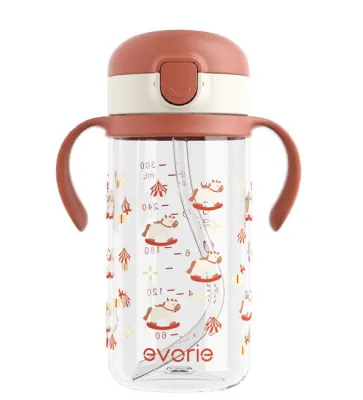
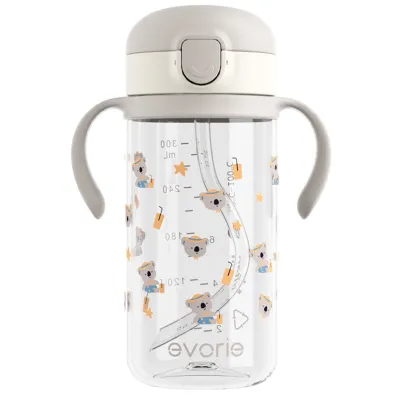
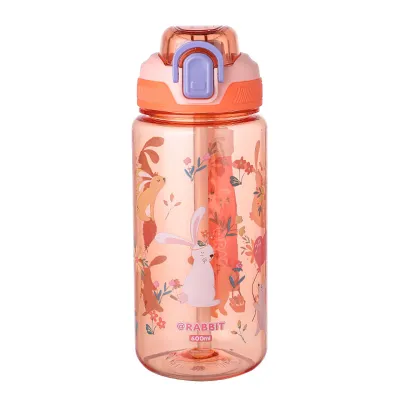
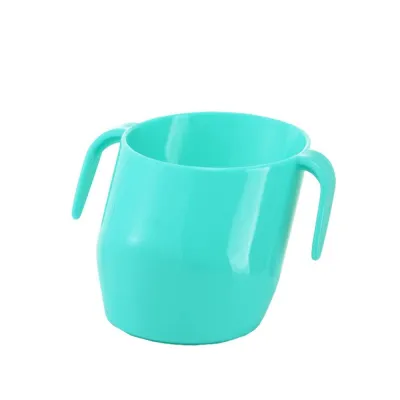
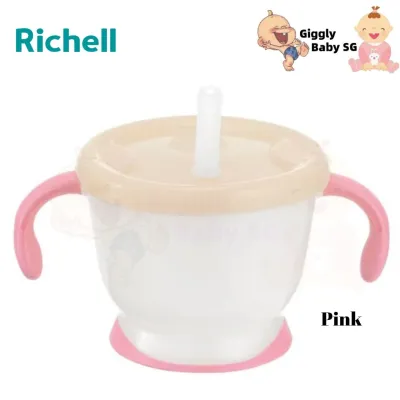
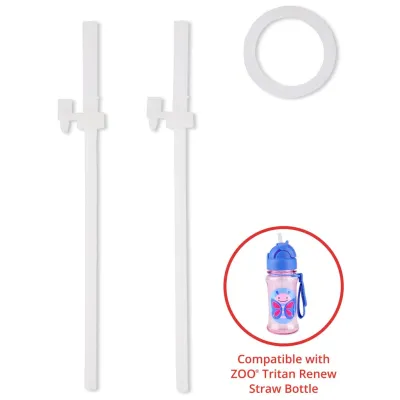
Prices are valid at publication and may change. Please refer to the product page for the latest price.
Using an incorrect bottle design for too long can have unintended consequences. For instance, prolonged reliance on soft spouts that mimic milk bottle teats can reinforce immature swallowing patterns. This can potentially affect jaw alignment and the positioning of erupting teeth. By gradually transitioning your baby through different bottle styles as they reach new physical milestones, you support their natural oral development and ease their path toward drinking from standard open cups.
Essential Features to Check Before Buying Any Baby Water Bottle
Evaluating the universal design, safety, and material features of a baby water bottle is crucial before making a purchase, regardless of your baby’s current age.

Material Verification
Parents have several material options when selecting a baby water bottle, each with distinct characteristics:
- Polypropylene (PP): This is the most common plastic used in baby bottles. It is lightweight, highly flexible, and generally budget-friendly, with prices typically ranging from S$10 to S$20. However, PP is relatively soft and prone to micro-scratches over time, which may require more frequent replacement.
- Polyphenylsulfone (PPSU): A medical-grade plastic recognized for its high durability and exceptional heat resistance (often up to 180°C). PPSU bottles have a distinct, natural honey-colored tint. While they are more expensive—usually ranging from S$25 to S$45—they can withstand frequent sterilization cycles without degrading.
- Tritan: This co-polyester offers the crystal-clear appearance of glass without the fragility. Tritan is highly impact-resistant and scratch-resistant, making it an excellent, lightweight option for active toddlers.
- Food-Grade Silicone: Primarily used for spouts, straws, and protective sleeves. It is soft, flexible, and gentle on sensitive, teething gums. Always verify that the silicone is food-grade and free from chemical fillers.
- Stainless Steel: Highly durable and hygienic, stainless steel is ideal for thermal insulation. It keeps water cool during warm outdoor trips in Singapore. However, stainless steel bottles are heavier and opaque, making it difficult to monitor your baby's water intake visually.
When buying any bottle, always check the packaging or manufacturer documentation to verify that all components are food-safe, BPA-free, and compliant with recognized safety standards. Avoid relying solely on unverified online product descriptions.
Capacity vs. Weight
A baby’s grip strength and motor control develop gradually. While it might be tempting to buy a large-capacity bottle to minimize refills, a full 300ml bottle can weigh over 300 grams. This is far too heavy for a young baby to lift and tilt independently. A heavy bottle can cause frustration, leading to bottle refusal or accidental drops that could cause minor injuries. Start with smaller, lighter bottles for infants and gradually increase the capacity as your child’s physical strength and hydration needs grow.
Flow Rate and Valve Design
Spill-proof valves are highly convenient for parents because they prevent leaks in diaper bags and during car rides. However, these valves typically require the baby to apply significant suction force to release the liquid. If a child is forced to suck excessively hard over a prolonged period, it can reinforce infantile swallowing habits and put unnecessary pressure on developing teeth and oral arches. Free-flow designs, which allow water to flow naturally when the bottle is tilted, require more coordination but are highly beneficial for teaching babies how to control liquid flow using their lips and tongue. Balancing leak-proof features for travel with free-flow designs for home use is often the most effective approach.
Ease of Cleaning
In Singapore’s warm and humid tropical climate, bacteria and mold can multiply rapidly in tiny, damp spaces. Baby water bottles with complex, multi-part valve systems, narrow straw pathways, and deep crevices are highly susceptible to mold accumulation. Look for bottles with wide necks that allow easy access for a bottle brush, and ensure all internal valves and straws can be fully disassembled for thorough cleaning. Always check the manufacturer’s care instructions to verify which parts are dishwasher-safe, which can tolerate steam sterilization, and which require gentle hand-washing with specialized straw brushes.
Matching Spout Types and Capacities to Your Baby's Age
To help your baby transition smoothly from milk feeding to independent drinking, it is helpful to follow a developmental roadmap that matches bottle designs with physical and cognitive milestones.
Around 6 Months: First Sips and Trainer Cups
At around six months, water is introduced alongside solid foods. At this stage, water is not meant to replace breast milk or formula, which remain your baby’s primary source of nutrition and hydration. Instead, offering small sips of water during meals helps clear the palate, aids digestion, and introduces the concept of drinking from a vessel other than a breast or standard milk bottle.
For these first sips, transitional trainer cups with soft silicone spouts are highly recommended. The soft, flexible texture of a silicone spout feels familiar to a baby accustomed to silicone bottle teats, easing the sensory transition. These cups typically feature prominent, ergonomically curved dual handles. These handles allow babies to use their whole hands to grasp, lift, and guide the cup to their mouth, practicing early hand-eye coordination.
Keep the capacity of these first cups small, ideally between 120ml and 150ml, to ensure the total weight remains manageable for your baby’s early grasping efforts. Always check the manufacturer’s packaging for age and flow rate guidelines. A flow rate that is too fast can cause your baby to cough or choke, which may lead to a negative association with water drinking. Supervise every drinking session closely to assist your baby as they learn this new skill.
9 to 12 Months: Straw Cups and Independent Grip
Between nine and twelve months, babies develop more refined motor skills, including the pincer grasp and improved bilateral coordination. They are also much more mobile, active, and capable of sitting upright independently. This is the ideal developmental window to introduce straw cups.
Weighted straw cups are particularly effective for this age group. These cups feature a small, food-grade weight at the bottom of a flexible silicone straw. The weight moves with the liquid, allowing your baby to drink successfully from almost any angle—whether they are sitting upright in a high chair, reclining in a stroller, or tilting the cup upside down. Drinking from a straw encourages lip sealing, jaw stability, and tongue retraction, which are vital oral motor milestones.
As your baby’s intake of solid foods increases and they become more physically active, their hydration needs will naturally rise. Transition to a medium-capacity bottle of 200ml to 240ml. At this stage, look for bottles with textured, non-slip surfaces or integrated, contoured bodies that fit comfortably in smaller hands, helping your baby transition away from large dual handles toward a mature, single-handed grip.
12 Months and Beyond: 360-Degree Cups and Open Drinking
By the time your child reaches their first birthday, they are ready to transition toward mature drinking patterns. Pediatric dentists often recommend phasing out spouted cups entirely by this age to prevent dental misalignment, such as an open bite, and to encourage natural jaw development.
A 360-degree rim cup is an exceptional tool for this transition. These cups feature a clever, lip-activated silicone seal that allows the child to drink from any part of the rim, just like an adult cup, while remaining completely spill-resistant when not in use. The seal only opens when the toddler applies gentle lip pressure to the edge, encouraging a natural sipping action and strengthening the orbicularis oris muscle (the muscle surrounding the lips), which is crucial for speech development.
Simultaneously, you should begin introducing small, open cups during supervised mealtimes. Start by placing just a tablespoon of water in a small, weighted-base cup designed specifically for toddlers. This allows them to practice the physical limits of tilting and pouring without creating a major mess when spills inevitably occur. While spill-resistant features remain highly practical for on-the-go hydration, strictly leak-proof valves should be gradually phased out during home meals to ensure your toddler learns to control their sipping force. Check product labels to ensure the ergonomic shape and size fit your toddler’s growing hands.
Safety Checks, Cleaning Limits, and Replacement Triggers
Maintaining the safety and hygiene of your baby’s water bottle requires a consistent routine of cleaning, sterilization, and regular physical inspections.
Sterilization and Heat Limits
Different bottle materials have distinct thermal tolerances, and assuming all parts can withstand the same cleaning methods can lead to damaged components. While PPSU bottle bodies and food-grade silicone straws can typically tolerate high-temperature steam sterilization, boiling water, or dishwasher cycles (often up to 180°C), other materials like PP lids, decorative prints, or certain leak-proof valves may warp, degrade, or release microplastics under extreme heat. Furthermore, frequent exposure to UV sterilizers can accelerate the aging and discoloration of certain plastics and silicones. Always consult the specific manufacturer’s manual to verify the precise heat limits and approved cleaning methods for each individual component.
Visual Inspection Routine
Develop a habit of inspecting your baby’s water bottle thoroughly during every wash. Pay close attention to the following areas:
- Silicone Spouts and Straws: Look for fine tears, thinning material, or puncture marks caused by newly erupted teeth. Damaged silicone can easily tear off during use, posing a severe choking hazard.
- Plastic Bodies: Examine the interior and exterior for micro-scratches. These tiny grooves can harbor stubborn bacteria and mold that standard washing cannot remove. Cloudiness or a persistent musty odor are also clear signs of material degradation.
- Valves and Seals: Check the tight crevices of leak-proof valves and silicone sealing rings for black spots, which indicate mold growth.
Replacement Cadence
Even with meticulous care, bottle components do not last indefinitely. As a general rule, silicone straws, spouts, and valves should be replaced every two to three months, or immediately if you detect any signs of wear, tearing, or persistent discoloration. Plastic bottle bodies should typically be replaced every six months, especially if they become heavily scratched or cloudy. Stainless steel bottle bodies can last for years, but their plastic lids and silicone seals will still require regular replacement. Always refer to your product manual for the manufacturer’s specific lifespan recommendations, and prioritize purchasing brands that offer individual replacement parts to minimize waste.
Frequently Asked Questions (FAQ)
When should I introduce a water bottle to my baby?
You can introduce a water bottle or trainer cup to your baby around six months of age, coinciding with the introduction of solid foods. At this stage, water is not meant to replace breast milk or formula, which remain their primary source of nutrition and hydration. Instead, offering small sips (about 30ml to 60ml per day) during meals helps your baby practice the physical coordination required for cup drinking and aids in digestion. Always consult your pediatrician or a qualified healthcare professional to establish a personalized weaning and hydration timeline that suits your baby’s specific developmental needs.
Are insulated stainless steel bottles safe for babies?
Insulated stainless steel bottles are highly durable, naturally hygienic, and excellent for keeping water cool during warm days in Singapore. However, they are significantly heavier than plastic alternatives, which can make them difficult and frustrating for younger infants (under 12 months) to lift and hold independently. If you choose a stainless steel bottle, verify the manufacturer’s recommended age and weight guidelines to ensure it is appropriate for your child’s stage. Additionally, check that the interior is made of high-quality, food-grade stainless steel (such as 304 or 316 grade) and that any paint or coating on the exterior is non-toxic and lead-free.
How do I transition my baby from a sippy cup to a straw cup?
Transitioning to a straw cup can be made easier by choosing a cup with a soft, flexible silicone straw that feels comfortable against your baby’s gums. Start by demonstrating how to use the straw yourself, as babies learn rapidly through imitation. You can also try using a straw cup that allows you to gently squeeze the base (if designed for this) to push a small amount of water up the straw, helping your baby understand that liquid comes from the top. Offer the straw cup when your baby is relaxed, alert, and slightly thirsty, rather than when they are overly hungry or tired. Remember that every baby develops at their own pace; if they show signs of frustration, simply pause, return to their familiar cup, and try again in a few days.
Community discussion
Share your experience or ask a question. Comments are reviewed before publication.