
Watching your child take their first tentative steps is one of the most exciting milestones of early parenthood. As your baby begins to pull themselves up against the sofa, you might find yourself browsing local baby boutiques or online marketplaces for a baby walking trolley. However, before adding one to your shopping cart, it is essential to understand how these devices impact physical development and what safety features are necessary to protect your little one. While some walking aids support natural movement, others can introduce developmental delays or physical hazards if used incorrectly. Making an informed choice requires looking closely at how these products function and how they fit into your home environment.
Sit-In Walkers vs. Push Trolleys: Understanding the Developmental Impact
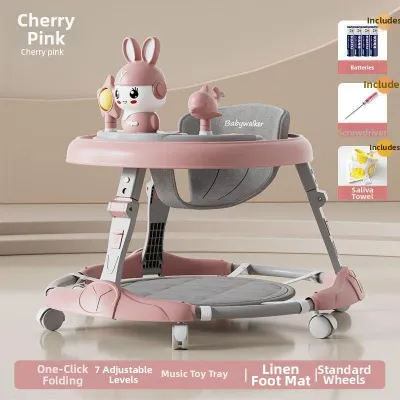
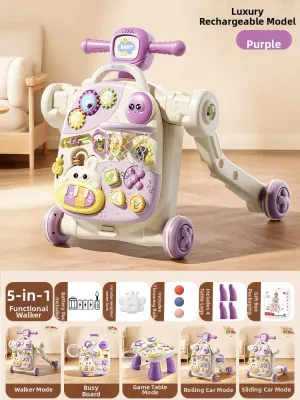
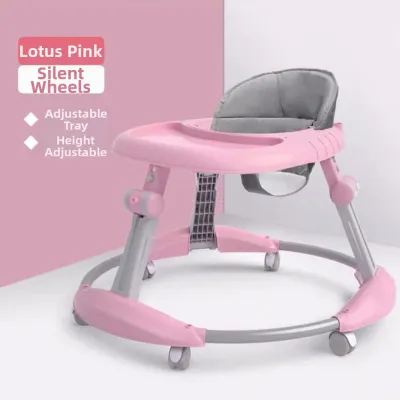
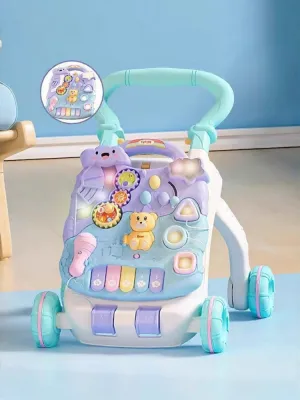
To make the best decision for your child, you must first distinguish between two very different product categories: sit-in baby walkers and push-along walking trolleys. A sit-in walker features a suspended fabric seat surrounded by a wheeled plastic frame, allowing a non-walking infant to glide across the floor by pushing off with their toes. In contrast, a push-along walking trolley is a wheeled toy—often shaped like a cart, lawnmower, or activity center—that a toddler stands behind and pushes forward while walking upright. These two designs have vastly different effects on a child’s developing muscles, joints, and motor planning skills.
Pediatricians and pediatric physiotherapists frequently raise significant developmental concerns regarding traditional sit-in baby walkers. When suspended in a seat, an infant’s weight is not distributed naturally through their legs and feet; instead, they often rely on toe-walking to propel themselves forward. This unnatural positioning can tighten the calf muscles and Achilles tendons, potentially leading to atypical gait patterns once they begin walking independently. Furthermore, sit-in walkers bypass the crucial developmental stages of pulling up, balancing, and lateral cruising, which are essential for building core strength and hip stability. Because the wheeled frame does the work of keeping the child upright, the baby does not learn to balance their own body weight.
Products mentioned in this guide

Prices are valid at publication and may change. Please refer to the product page for the latest price.
Conversely, push-along walking trolleys can offer genuine developmental benefits when introduced at the right stage. These devices are designed for toddlers who are already pulling themselves up to a standing position and cruising along furniture. A push trolley requires the child to actively bear their own weight, engage their core muscles, and practice the balance needed for independent steps. As they push the trolley forward, they receive natural sensory feedback from the soles of their feet and learn to coordinate their leg movements in an upright, forward-facing posture. This active engagement supports the natural progression of motor skills rather than bypassing it.
Because every child develops at their own unique pace, there is no single chronological age that dictates when a walking aid is appropriate. If you have any concerns about your child’s motor milestones, muscle tone, or walking posture, it is highly recommended to consult a pediatrician or a pediatric physiotherapist. A qualified professional can assess your child’s physical readiness and provide personalized guidance on whether a walking trolley is suitable for their current developmental stage.
Critical Safety Features to Check Before Purchasing
When shopping for a baby walking trolley, parents should look past colorful toys and musical buttons to evaluate the physical construction of the product. The first and most critical feature to inspect is the stability of the base. A safe push trolley must have a wide, low-slung wheel base and a weighted design to prevent it from tipping over when your child leans their full weight on the handle. Some wooden models allow parents to add weight—such as heavy books or toys—to the front compartment to increase stability during the early, unsteady stages of walking. If the trolley tips upward easily when pressure is applied to the handlebar, it poses a high risk of falling backward onto your child.

The wheel mechanism is another vital safety component that requires close inspection before purchase. On smooth indoor flooring, such as polished ceramic tiles, marble, or vinyl, a lightweight trolley can easily roll away too quickly, causing a toddler to lose their footing and fall forward. Look for walking trolleys equipped with adjustable friction controls, speed-reduction dials, or rubber-trimmed wheels that provide traction and resistance. Some models feature lockable wheels, allowing you to secure the trolley in place so your child can use it as a stationary play station before they are ready to push it forward.
Handle ergonomics and structural security are equally important depending on the style of walking aid you evaluate. For push-along models, the handlebar should feature a non-slip grip and be positioned at an appropriate height—ideally around your child’s lower chest or waist level—to prevent them from hunching forward or overextending their arms. If you are evaluating a sit-in model, inspect the seat unit for deep, sturdy fabric, secure buckles, and robust attachment points that can support your baby’s weight without tearing. Ensure there are no sharp edges, exposed springs, or small pinch points where tiny fingers could get trapped.
Before finalizing any purchase, always verify the product packaging and labels for recognized international safety standards rather than relying on marketing claims. Look for certifications such as the European Standard (EN 1273 for baby walkers or EN 71 for toy safety) or ASTM International standards, which indicate the product has undergone rigorous physical and mechanical testing. Additionally, carefully check the manufacturer’s specified age, height, and weight limits to ensure the product is safe for your child’s current physical dimensions.
Safe Environment Setup and Usage Boundaries
Even the most stable walking trolley can become hazardous if used in an unprepared environment. Before letting your child use a walking aid, you must thoroughly babyproof the entire area. In multi-story homes or apartments with split levels, this means installing secure safety gates at the top and bottom of any stairways, steps, or balcony entrances. Remove loose rugs, uneven floor mats, and electrical cords that could catch on the trolley’s wheels and cause a sudden stop or tip-over. Ensure that low tables, shelves, and countertops are clear of hot liquids, heavy objects, and fragile items, as a walking trolley gives your child extra height and mobility to reach things previously out of their grasp.
Direct and continuous adult supervision is non-negotiable whenever your child is using a walking trolley. A toddler can gain surprising speed behind a wheeled toy, moving from a safe zone to a hazardous area in a matter of seconds. Never leave your child unattended, even for a brief moment to answer the door or check a phone. Keep your eyes on their movements and remain close enough to intervene immediately if they lose control of their speed or approach an obstacle.
To prevent physical overexertion, parents should establish clear session time limits based on the manufacturer’s instructions and their child’s physical cues. Prolonged sessions can lead to muscle fatigue, which increases the risk of falls and poor postural habits. Watch your child closely for signs of tiredness, such as slouching, dragging their feet, or showing frustration. If you notice these signs, it is time to end the session and transition to a restful activity.
Finally, establish clear stop-use conditions to protect your growing child. You must immediately discontinue using the walking trolley once your child reaches the manufacturer’s maximum weight or height limits. For sit-in models, stop use as soon as your baby can sit up unassisted, stand flat-footed in the seat, or attempt to climb out of the frame. For push-along models, the trolley should be retired or transitioned into a standard toy cart once your child can walk confidently and independently without relying on the handlebar for balance.
Developmentally Supportive Alternatives for Walking Milestones
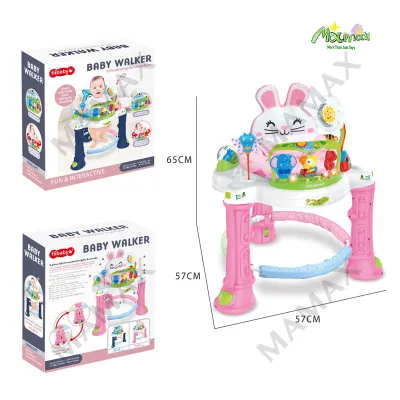
If you decide that a wheeled walking trolley is not the right fit for your home or your child’s current stage, there are several highly recommended, developmentally supportive alternatives. Stationary activity centers are an excellent option for younger babies who enjoy standing upright but are not yet ready to navigate the floor. These centers feature a central seat surrounded by interactive toys, but they do not have wheels. This design allows your baby to practice weight-bearing, turning, and bouncing in a controlled, stationary environment without the mobility-related safety risks of a traditional sit-in walker.
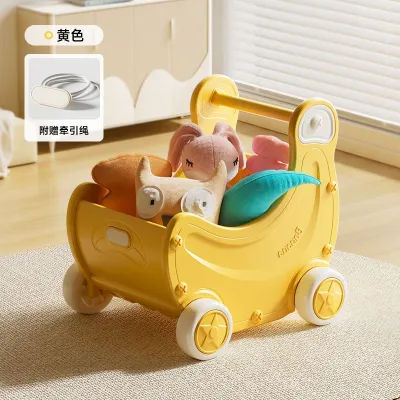
For toddlers who are actively practicing their balance and cruising, sturdy, weighted push-carts or activity walkers offer a wonderful way to build confidence. Many of these carts double as toy storage or block sets, providing a heavy, stable base that naturally resists tipping. As your child loads their favorite toys into the cart, the added weight helps slow down the rolling speed, giving them a more controlled and supportive walking experience.
Perhaps the most effective and natural alternative of all is supervised, barefoot floor play. Allowing your baby to spend ample time on the floor without any artificial support is crucial for building core strength, coordination, and spatial awareness. Walking barefoot on various safe indoor surfaces allows your child’s toes to grip the floor, which strengthens the arches of their feet and develops essential sensory feedback. This natural tactile connection with the ground helps your toddler develop a secure sense of balance and healthy foot mechanics that no wheeled device can replicate.
Frequently Asked Questions (FAQ)
How long should a baby use a walking trolley each day?
You should always consult the manufacturer’s user manual for specific daily usage guidelines, as limits can vary based on the product’s design and weight capacity. Generally, developmental experts recommend limiting structured walking aid sessions to short intervals of no more than 15 to 20 minutes at a time. Prolonged use can lead to physical fatigue, muscle strain, and a reliance on artificial support rather than natural balance. Always monitor your child during play; if they show signs of tiredness, slouching, or frustration, gently guide them to a different, floor-based activity.
What are the signs that my baby is ready to transition away from a walking trolley?
Your baby is ready to transition away from a walking trolley when they demonstrate key physical milestones, such as standing steadily without holding onto furniture, taking several unassisted steps, or walking independently across the room. Behavioral signs also play a major role; if your child loses interest in pushing the trolley or constantly tries to climb out of a sit-in model, it is time to retire the device. Once these milestones are met, safely store or pass on the trolley to prevent older toddlers from using it unsafely as a climbing step or a high-speed ride-on toy.
Community discussion
Share your experience or ask a question. Comments are reviewed before publication.