
Selecting a baby walking toy requires a careful evaluation of physical stability, wheel speed controls, material safety, and structural integrity. Because these toys support your child during a critical phase of physical development, verifying these features on the manufacturer’s label is essential to prevent tipping, falls, and entrapment. Parents must look beyond aesthetic appeal and focus on how the toy’s design interacts with their home environment to ensure a safe play experience.
While walking toys can offer engaging sensory play, they also introduce mobility risks that require proactive safety checks. By understanding what to look for on product labels and how to test the physical build of a toy, you can make an informed decision that protects your child. This guide outlines the essential safety features, material standards, and environmental considerations you should verify before bringing a walking toy into your home.
Understanding Potential Hazards of Baby Walking Toys
Before purchasing a baby walking toy, it is vital to understand the physical risks associated with increased mobility. When infants gain the ability to push or ride a toy, they can move much faster than they would when crawling. This sudden increase in speed can lead to collisions with furniture, tipping over uneven floor transitions, or reaching hazardous items that were previously out of reach.
Products mentioned in this guide
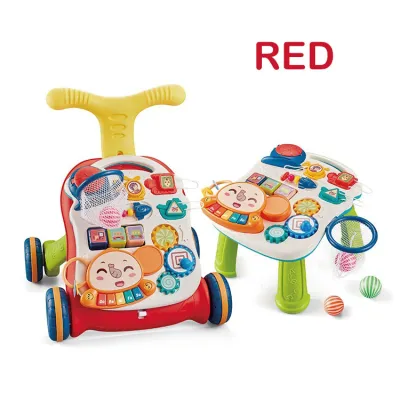
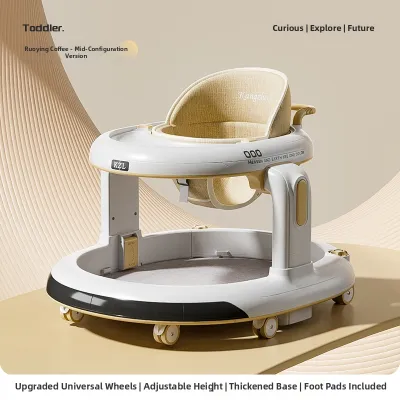
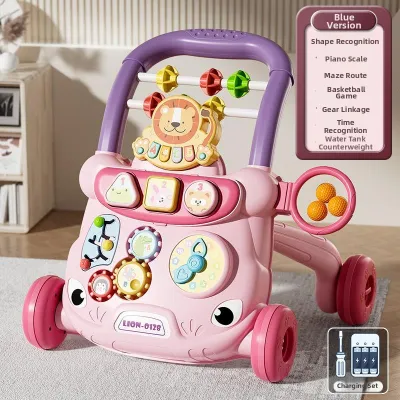
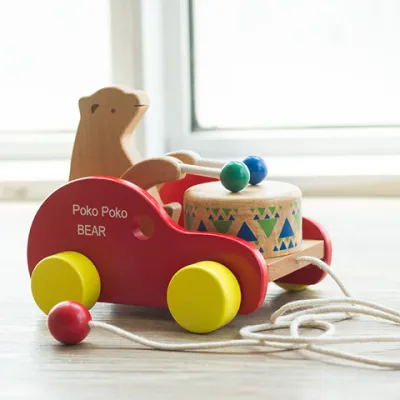
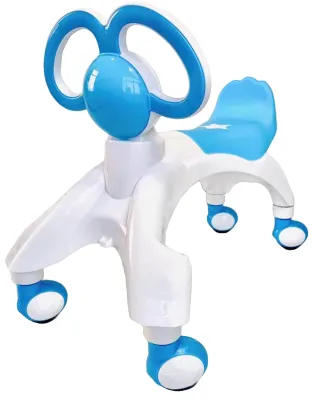
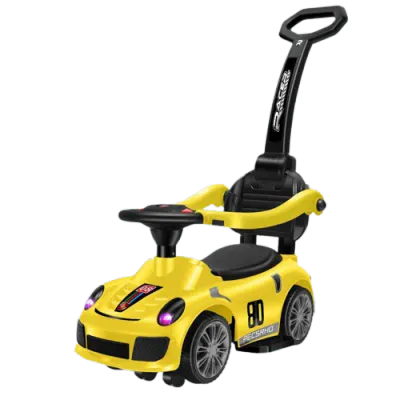
Prices are valid at publication and may change. Please refer to the product page for the latest price.
Common injury mechanisms associated with walking toys include tipping on uneven surfaces, falling down steps, and pinching fingers in folding frames. Sit-in walkers, in particular, allow babies to move rapidly, which can lead to severe falls if they encounter a step or a threshold. Push-along toys can also tip backward or forward if the child leans too much weight on the handle, causing the child to fall onto the floor.
It is important to distinguish between supervised play and independent mobility. A walking toy is an interactive play tool, not a device designed to keep a child unattended. Even toys equipped with safety features require active adult supervision to prevent accidents. Parents should remain within arm’s reach of the child during use, rather than relying on the toy to keep the baby safe in another room.
Setting realistic safety expectations is key to preventing injuries. No safety feature can replace the watchful eye of a caregiver. Understanding that walking toys are meant for short, supervised play sessions helps parents maintain the necessary level of vigilance. This perspective ensures that the toy remains a fun developmental aid rather than a safety hazard.
Evaluating Stability and Structural Integrity
To assess the physical build of a walking toy, start by examining its wheelbase and center of gravity. A wide, stable base that extends beyond the upper frame of the toy is essential for preventing tipping. Toys with a low center of gravity are much less likely to roll over when a baby leans heavily to one side or pushes forward with sudden force.

Inspect the wheels for speed restrictors, friction strips, or locking mechanisms. On smooth surfaces like polished marble, vinyl, or parquet flooring common in Singapore homes, wheels can roll too quickly, causing the baby to lose balance. Look for toys that allow you to adjust the wheel tension or those featuring rubberized traction strips that provide resistance and control the pace of movement.
Test the sturdiness of the frame and any seat suspension components. Gently shake the toy to check for wobbling, loose joints, or flimsy plastic parts that could bend under pressure. If you are evaluating a sit-in walker, ensure the seat fabric is securely attached to the frame with heavy-duty fasteners and that the suspension springs are enclosed to prevent pinching.
Always verify the weight and height limits printed on the product label before buying. Manufacturers design these toys to support specific developmental stages and physical sizes. Exceeding these limits compromises the structural integrity of the toy, increasing the risk of mechanical failure or tipping. Keep these specifications in mind as your child grows, and check them regularly against your baby’s current measurements.
Checking Material Safety and Choking Hazards
Inspect the toy thoroughly for small detachable parts, decorative elements, or electronic components that could break off. Babies frequently explore toys with their mouths, making any loose piece a potential choking hazard. Ensure that activity panels, beads, and spinning toys are securely integrated into the main body of the walker and cannot be easily pried loose.
If the walking toy features an electronic panel, check the battery compartment carefully. The compartment must be secured with a screw or a child-resistant locking mechanism to prevent access to batteries, which pose severe chemical and choking risks. Avoid toys with loose battery covers or simple slide-and-click latches that a curious toddler could eventually open.
Run your hands along the entire surface of the toy to check for sharp edges, rough seams, or pinch points. Folding mechanisms, adjustable height joints, and steering components must have protective guards or clearances that prevent tiny fingers and toes from getting trapped. Smooth, rounded edges are essential for preventing scratches and bruises during active play.
Review the material labels to ensure the plastics and fabrics used are non-toxic. Look for manufacturer declarations indicating that the product is free from harmful chemicals such as bisphenol A (BPA), phthalates, and lead-based paints. Because Singapore’s warm and humid climate can encourage the growth of mold and bacteria on damp fabrics, verify that the seat cover or harness is fully removable and machine-washable to maintain proper hygiene.
Identifying Design Hazards and Movement Restrictions
Evaluate the design of the toy’s front tray or activity console. A well-designed tray should have raised edges to prevent toys, cups, or snacks from sliding off onto the floor. If items fall easily, a baby may lean over the side of the walker to reach them, shifting their center of gravity and potentially causing the entire unit to tip over.
Check for gaps and openings where fingers, toes, or loose clothing could get trapped. Standard safety guidelines suggest avoiding gaps between 5mm and 12mm, as these dimensions are particularly prone to catching small digits. Ensure that any moving parts, such as steering wheels or sliding beads, operate smoothly without creating temporary pinch zones.
Assess the overall footprint of the walking toy relative to your home layout. In typical Singapore apartments, hallways, doorways, and transitions between rooms can be narrow. Ensure the toy’s width allows it to pass through standard doorways easily without scraping walls or trapping the baby’s hands against the door frame during movement.
Understand the physical limitations of using walking toys near household hazards. These toys must never be used near stairs, steps, swimming pools, balconies, or kitchens. A baby in a walker can move surprisingly fast, and physical barriers are the only reliable way to prevent access to these high-risk areas. Identify these zones in your home before purchasing a toy to plan your safety setup.
Verifying Safety Labels and Manufacturer Guidelines
When shopping for a baby walking toy, look for recognized safety compliance marks on the packaging. Standards such as ASTM F963 in the United States, EN 71 or EN 1273 in Europe, or safety guidelines verified by Enterprise Singapore indicate that the product has undergone rigorous physical and mechanical testing. These marks provide assurance that the toy meets established safety criteria.
Read the manufacturer’s recommended age, weight, and developmental stage limits carefully. Do not rely solely on the age range printed on the box, as children develop at different rates. Ensure your baby meets the physical prerequisites, such as being able to sit up unassisted, support their own weight, or hold their head up steadily, before introducing the toy.
Before finalizing your purchase, especially when buying from online marketplaces or third-party sellers, check for any product recall history. You can search the manufacturer’s official website or consumer safety databases to ensure the specific model has not been flagged for safety defects or design failures. Purchasing from reputable brands that provide clear customer support contact information is always recommended.
Establish clear criteria for when to stop using the walking toy. For sit-in walkers, you should discontinue use as soon as your baby can stand flat-footed in the seat, reach the floor too easily, or attempt to climb out of the frame. For push-along toys, transition your child to independent walking once they can take steps confidently without relying on the toy for balance, as continued use may alter their natural gait.
Frequently Asked Questions (FAQ)
Are baby walking toys safe for early development?
Baby walking toys are safe for entertainment and sensory play when used under active adult supervision for limited periods. However, they do not accelerate independent walking milestones. Pediatric experts generally recommend limiting use to short sessions to ensure your baby develops natural motor skills, such as crawling and pulling up to stand, which are crucial for healthy physical development.
At what age or weight should I stop using a baby walker?
You should stop using a baby walker when your child reaches the maximum weight or height limit specified on the product label, which is typically around 11 to 12 kilograms. Additionally, you must discontinue use immediately if your baby can stand flat-footed in a sit-in walker, if their chest rises above the top rail of the frame, or if they show any signs of attempting to climb out.
Do I need a stair gate if I use a baby walking toy?
Yes, physical barriers like stair gates are absolutely necessary if your home has steps, split levels, or access to hazardous areas like kitchens and balconies. Built-in friction pads or wheel brakes on walking toys are not guaranteed to stop a walker at the edge of a step. Installing secure, hardware-mounted gates is the only reliable way to prevent serious fall injuries.
Community discussion
Share your experience or ask a question. Comments are reviewed before publication.