
The Short Answer: Evaluating Baby Walker Safety
While baby walkers remain popular nursery items, they carry inherent safety risks that cannot be entirely eliminated by product design alone. In fact, many major pediatric associations around the world advise against their use due to the frequency of preventable accidents. If you do choose to use one, safety depends heavily on continuous adult supervision, a meticulously prepared hazard-free environment, and selecting a model equipped with modern, compliant safety mechanisms. There is no such thing as a ‘100% safe’ baby walker; instead, safety is a combination of built-in mechanical features, strict parental vigilance, and limiting the baby’s time in the device. Understanding these boundaries is essential for any parent considering this purchase.
Understanding the Inherent Risks of Baby Walkers
Traditional seated baby walkers consist of a wheeled frame and a suspended fabric seat. While they allow non-walking infants to move around independently, this newfound mobility comes before a baby has the cognitive development or physical coordination to navigate hazards. Understanding these risks is the first step in protecting your child.

Stair Falls and Drop-Offs
The most severe risk associated with baby walkers is falling down stairs or off raised thresholds. A baby in a walker can move at surprisingly high speeds—up to one meter per second—which is far faster than a caregiver can react. When a wheeled device reaches the edge of a step, a balcony, or even a small drop-off between rooms, gravity takes over instantly. The added weight and momentum of the walker frame can cause the baby to tumble headfirst, compounding the force of the impact. These falls frequently result in serious head injuries, fractures, and hospitalizations, making stairs the single most dangerous hazard in a home with a walker.
Products mentioned in this guide

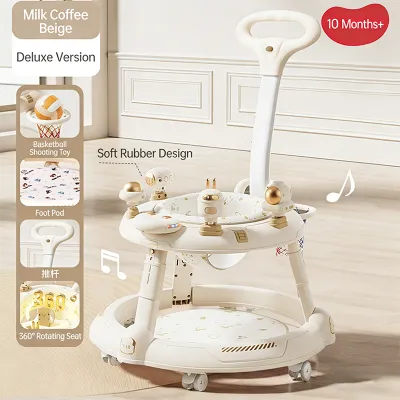
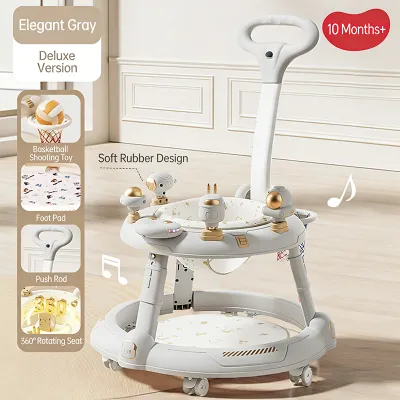
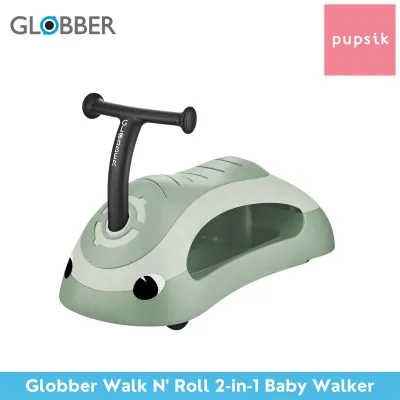
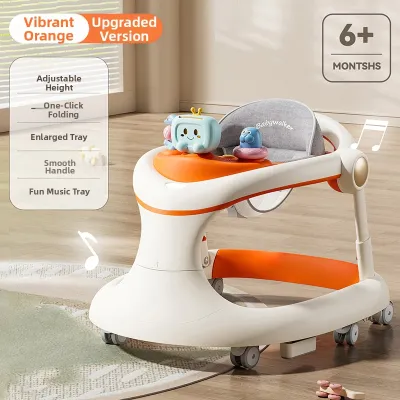
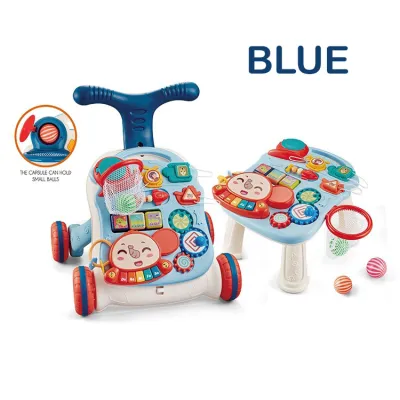
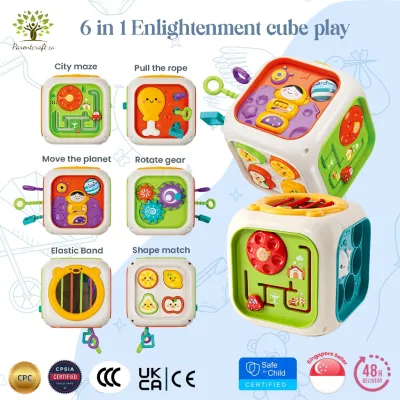
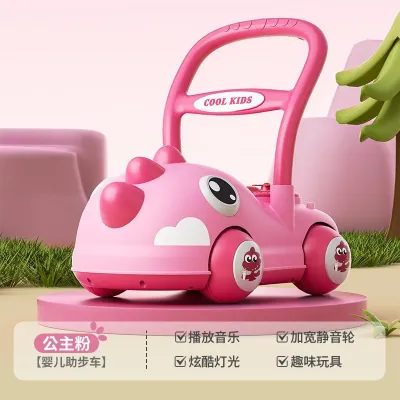
Prices are valid at publication and may change. Please refer to the product page for the latest price.
Tipping and Entrapment Hazards
Walkers require flat, smooth surfaces to operate as intended. However, typical household environments are filled with minor obstacles. Uneven floor tiles, thick area rugs, raised door thresholds, or stray toys left on the floor can suddenly block one or more wheels while the baby’s momentum continues forward. This sudden stop can cause the entire walker to tip over. When a walker capsizes, the baby’s head often strikes the floor first, as they are strapped or seated in a position that prevents them from naturally breaking their fall. Additionally, the child’s limbs can become trapped in the collapsing frame or wheel mechanisms, leading to pinches, bruises, or sprains.
Increased Speed and Reach
Before they can walk, babies are naturally limited in what they can touch and pull down. A seated walker artificially raises their height and grants them rapid mobility. This combination allows babies to reach countertops, dining tables, and electrical outlets that would normally be far out of bounds. Caregivers may find their child suddenly capable of pulling down hot cups of coffee, tugging on electrical cords attached to heavy appliances, grabbing sharp utensils, or reaching household cleaning chemicals stored on low shelves. The speed of the walker means a baby can transition from a safe area to a hazard in a matter of seconds.
Potential Impact on Motor Development
Many parents assume that giving a baby a walker will help them learn to walk sooner. However, developmental experts and pediatricians caution that traditional seated walkers can actually have the opposite effect. When suspended in a seated walker, a baby tends to tip forward and push off with their toes, which strengthens the calf muscles but does not develop the crucial quadriceps, hamstrings, and hip muscles needed for independent walking. Furthermore, because the walker supports their weight, the baby does not practice balance or learn how to transfer weight from foot to foot naturally. Spending too much time in a walker can delay the onset of independent crawling and walking, so it is always best to consult your pediatrician for personalized developmental guidance.
Mandatory Safety Features to Check Before Buying
If you decide to purchase a baby walker, you must look past aesthetic designs and toy attachments to focus entirely on structural safety features. Never buy a secondhand or older model that lacks modern safety innovations. Here is a checklist of critical physical components and certifications you must verify before making a purchase.
Stair-Resistant Braking Mechanisms
Modern safety regulations require walkers to have built-in mechanisms designed to stop the device if it encounters a sudden drop. These typically consist of friction strips, rubber pads, or automatic gripping brakes positioned on the underside of the walker’s base. If a wheel rolls off an edge, these pads are designed to immediately contact the floor, creating enough friction to halt the walker’s forward movement. Before buying, inspect the underside of the frame to ensure these pads are present, and consult the manufacturer’s documentation to verify how the braking system operates. Keep in mind that these brakes require a clean, flat surface to engage properly, so regular cleaning of the rubber pads is necessary.
Wide and Anti-Tip Base Design
A safe walker must have a wide, stable footprint. The base frame should be significantly wider than the upper tray and seat assembly. This wide design serves two purposes: first, it lowers the overall center of gravity, making it much harder for the baby to tip the walker over even if they lean heavily to one side or reach for an object. Second, a wide base is often designed to be wider than standard doorways and hallway entrances, naturally restricting the baby’s movement to larger, safer communal areas and preventing them from entering high-risk rooms like kitchens, bathrooms, or laundry areas.
Secure Seat and Harness Systems
The seat of the walker must provide robust physical support. Look for a deep, well-padded seat bucket made from durable, tear-resistant fabric that securely holds the baby’s hips and pelvis in a natural position. The leg openings must be small enough to prevent the baby from slipping through the bottom, yet spacious enough not to pinch their thighs or restrict circulation. Additionally, verify if the model includes an adjustable safety harness or crotch strap to prevent active babies from trying to climb out of the seat, which is a common cause of falls. Ensure all buckles and adjustment straps are sturdy and out of the baby’s reach.
Verifiable Safety Certifications
Do not rely on generic marketing claims like ‘safety approved’ or ‘tested to high standards.’ Instead, look for specific, verifiable safety standard labels printed on the product, packaging, or instruction manual. In many international markets, compliant walkers must meet standards such as ASTM F977 (in the United States) or EN 1273 (in Europe). In Singapore, consumer goods must comply with safety requirements managed by Enterprise Singapore. Look for these official certification marks and cross-reference them with the manufacturer’s official documentation to ensure the product has undergone rigorous physical testing. You should also check online consumer safety portals for any recent product recalls before purchasing.
Best Practices for Safe Supervision and Usage Limits
Having a highly rated safety walker does not replace the need for strict household rules and active caregiver involvement. To minimize risks, parents must establish clear boundaries for how and when the walker is used.
Environmental Prep Before placing your baby in a walker, you must meticulously prepare the room. Block off all access to staircases, balconies, steps down to patios, and split-level steps using sturdy, hardware-mounted safety gates. Pressure-mounted gates can sometimes be pushed over by a moving walker, so they are not recommended for stairs. Remove all loose rugs, mats, and floor toys that could cause a wheel to catch and tip. Ensure all electrical cords, tablecloths, hot liquids, and low-level hazards are completely out of reach.
Supervision Rule The most critical rule of walker safety is continuous, active supervision. A baby in a walker must never be left unattended, even for a single minute. Caregivers should practice the ‘arm’s reach’ rule: you must remain close enough to physically intervene instantly if the baby moves toward a hazard. Do not rely on your phone, television, or other household chores to distract you while the baby is in motion. If you must leave the room, take the baby out of the walker first.
Usage Limits To protect your baby’s developing hips and joints, limit their time in a seated walker to short intervals. Pediatric experts generally recommend no more than 15 to 20 minutes per day. Spending too much time in a seated walker can cause hip strain and deprives your child of the valuable floor play, rolling, crawling, and tummy time needed to build core strength. Always check the manufacturer’s user manual for specific weight, height, and age limits.
Stopping Conditions You must stop using the baby walker immediately when your child meets any of the following conditions:
- The baby reaches the manufacturer's maximum weight or height limit (often around 11 to 12 kilograms, or when their feet can rest flat on the floor with bent knees).
- The baby shows signs of being able to pull themselves up or attempts to climb out of the walker seat.
- The baby begins to walk independently, at which point the walker is no longer necessary and poses a greater risk of tripping.
Safer Alternatives for Play and Mobility
If the safety risks of traditional wheeled walkers make you hesitant, there are several excellent alternatives that provide entertainment and support physical development without the associated hazards.
Stationary Activity Centers Often called stationary entertainers or exersaucers, these devices feature a central seat surrounded by toys, much like a walker, but they do not have wheels. Instead, they stand on stable, stationary legs or a saucer-shaped base that allows the baby to bounce, rock, and spin 360 degrees in place. Because they cannot move across the room, the risks of stair falls, tipping over obstacles, and reaching hazardous areas are virtually eliminated. They provide a safe space for play while you are nearby.
Push-Behind Walkers For babies who are already showing an interest in standing and taking steps, a push-behind toy is a highly recommended alternative. These are sturdy, wheeled toys with a handle that the baby stands behind and pushes. Unlike seated walkers, push-behind models require the baby to bear their own weight, engage their core, and practice natural balance. They support natural walking mechanics and allow babies to control their own pace, making them a much better tool for motor milestone development.
Frequently Asked Questions (FAQ)
Do baby walkers help babies learn to walk faster?
No. Pediatric consensus indicates that traditional seated baby walkers do not accelerate walking milestones and can actually delay them. Because the seat supports the baby’s weight and encourages them to push with their toes, it does not build the core, thigh, and hip strength required for independent balance and walking. To support natural motor development, prioritize unassisted floor play, crawling, and tummy time, which allow your baby to learn how to coordinate their body naturally.
What should I do if my baby's walker tips over?
If your baby’s walker tips over, immediately pick up your baby, comfort them, and assess them for any injuries, paying close attention to their head, neck, and limbs. If you notice any signs of serious injury, such as loss of consciousness, vomiting, lethargy, unequal pupil sizes, or suspected fractures, seek emergency medical care immediately. If the baby appears uninjured but shaken, discontinue using the walker, inspect it thoroughly for any structural damage, and consult your pediatrician or a healthcare professional for personalized guidance if you have any lingering concerns about your child’s well-being.
Community discussion
Share your experience or ask a question. Comments are reviewed before publication.