
Choosing a baby walker requires a strict focus on structural design and safety mechanisms. While these devices can provide temporary entertainment and a different perspective for a curious infant, they also introduce significant safety risks if they lack critical protective features. To protect your child, you must look for a wide, tip-resistant base, automatic stair-braking mechanisms, adjustable height settings, and a secure harness system. Understanding how these features function and how to verify official safety certifications allows you to make an informed, safety-first decision.
Understand the Inherent Risks and Expert Recommendations
Before evaluating specific models, you must understand the inherent physical hazards associated with mobile infant devices. A baby walker gives a young child unprecedented speed and height, allowing them to move at velocities that exceed a caregiver’s reaction time. This rapid mobility increases the risk of serious accidents, such as tipping over on uneven surfaces, falling down staircases, or colliding with furniture. Furthermore, the elevated height allows babies to reach hazardous household items that would otherwise be out of reach, including hot beverages, electrical cords, sharp utensils, and toxic chemicals.
Excessive reliance on these devices can also influence your child’s natural motor development. When suspended in a seated walker, a baby’s weight is supported artificially, which can alter their natural posture and gait. Instead of learning to balance weight across their hips and feet, infants often develop a habit of pushing off with their toes. This tiptoe movement can tighten the heel cords and delay the development of the core and leg muscles required for independent walking, standing, and crawling.
Products mentioned in this guide
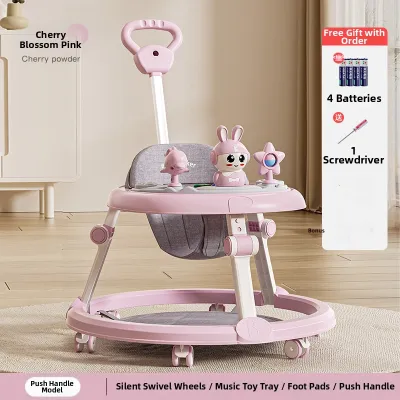
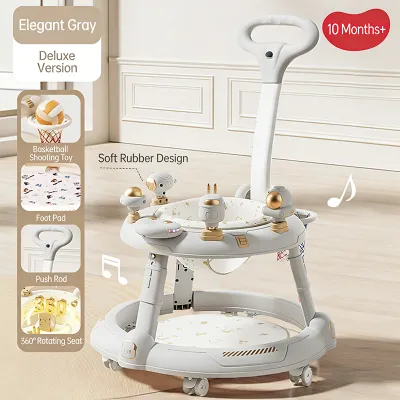
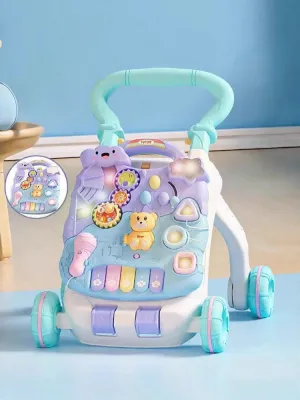
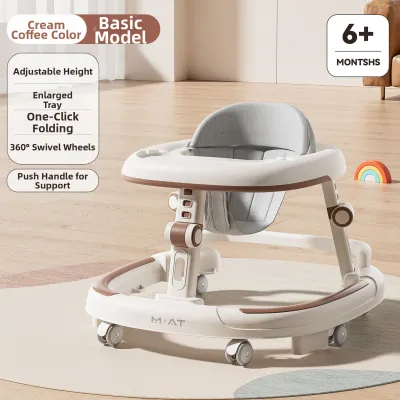
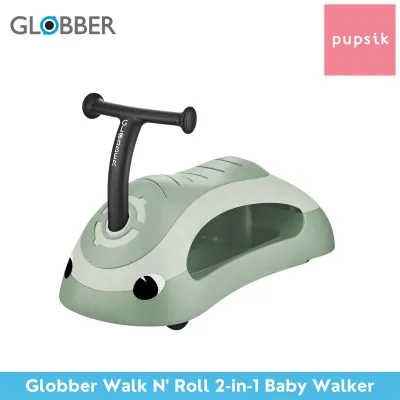


Prices are valid at publication and may change. Please refer to the product page for the latest price.
Because of these risks, major pediatric associations worldwide generally advise against using mobile walkers. Medical experts frequently recommend replacing them with stationary activity centers, playmats, or supervised floor play, which encourage natural muscle development and balance without the associated mobility hazards. If you do choose to use a mobile device, it is essential to treat it as a highly restricted activity rather than a primary play space.
Always consult your pediatrician or a qualified healthcare professional for personalized guidance regarding your baby’s developmental milestones and physical readiness. Every child develops at a unique pace, and a professional assessment can help you determine if your baby has the trunk control and leg strength necessary for any upright activity device.
Essential Physical Safety Features to Look For
When shopping for a baby walker, aesthetic designs and interactive toy trays must remain secondary to structural safety features. A high-quality model must incorporate specific physical mechanisms engineered to prevent common accidents, stabilize the frame, and protect your child from sudden impacts.

Wide Base and Anti-Tip Design
A stable, wide base is your first line of defense against tipping hazards. When an infant leans over the side of a walker to reach for a toy or bumps into a wall, the center of gravity shifts rapidly. To counteract this momentum, the lower frame of the walker must be significantly wider than the seating area and upper tray. This design ensures that the base of support remains wide, preventing the frame from rolling over even when the child exerts force in a single direction.
In addition to a broad footprint, look for specialized anti-tip guards or friction strips integrated into the underside of the frame. These components are typically made of rubber or high-friction materials that sit slightly above the floor surface. If the walker tilts or encounters an uneven threshold, these guards make immediate contact with the ground, stopping the momentum and stabilizing the unit before a rollover can occur.
Stair-Fall Prevention and Braking Mechanisms
Falls down stairs represent some of the most severe injuries associated with mobile infant toys. To mitigate this risk, modern models are equipped with stair-resistant pads or grip strips positioned along the bottom edges of the chassis. These safety features rely on high-friction materials that immediately grab the floor surface if a wheel rolls over an edge or drops off a step, halting the walker’s forward progress instantly.
Some advanced models feature automatic braking systems that lock the wheels when they detect a sudden loss of contact with flat ground. Regardless of the manufacturer’s claims, you must manually test these braking mechanisms on a safe, flat surface before placing your baby in the device. Press down on the walker near a small, controlled threshold to verify that the friction pads engage properly and prevent the frame from sliding forward.
Adjustable Height Settings
Proper alignment of your baby’s feet is essential for both physical safety and healthy orthopedic development. A safe walker must feature multiple adjustable height settings to accommodate your baby’s rapid growth. When adjusted correctly, the height setting should allow your baby’s feet to rest flat on the floor with a slight bend in the knees, ensuring they can support their weight naturally rather than dangling or walking exclusively on their tiptoes.
Keeping the walker at the correct height also plays a critical role in hazard prevention. If the device is set too high, the baby can stretch upward and reach elevated surfaces such as kitchen countertops, dining tables, or low shelves. By keeping the seat at a height-appropriate level, you limit your child’s reach, reducing the likelihood that they can grab hot liquids, heavy objects, or electrical cords.
Secure Seat and Harness Design
The seating compartment must be designed to keep your baby securely positioned and prevent them from sliding out or climbing over the sides. Look for a deep, well-padded seat bucket that offers substantial back support to help the infant maintain an upright posture. The fabric should be durable, non-slip, and securely attached to the walker’s frame with heavy-duty snaps or buckles.
A secure, adjustable harness or crotch strap is vital to prevent the baby from slipping downward through the leg openings. Ensure the harness straps are easy for you to adjust and fasten, yet secure enough that they cannot be undone by curious little fingers. The harness must support the child comfortably without restricting their breathing, pinching their skin, or impeding healthy blood circulation around their legs and hips.
How to Verify Safety Standards and Product Labels
You should never rely solely on promotional claims or visual appeal when evaluating a baby walker. Instead, look for objective proof of safety through official product labels, certifications, and manufacturer specifications.
Before purchasing, verify that the packaging, product manual, or frame displays recognized international safety standard marks. For instance, look for compliance with standards such as ASTM F977 (the standard consumer safety specification for infant walkers) or EN 1273 (the European safety standard for infant walking frames). These certifications indicate that the product design has undergone rigorous testing for structural integrity, stability, dynamic strength, and resistance to tipping or stair falls.
You must also carefully review the manufacturer’s stated physical limits. Check the maximum weight and height capacities, as well as the recommended developmental stage, such as the ability to sit upright unassisted. Operating a walker outside of these specified parameters compromises its structural stability and increases the risk of mechanical failure or tipping.
Avoid purchasing second-hand or hand-me-down walkers. Older models often lack modern safety features, such as advanced stair-resistant friction pads, and may have suffered invisible structural wear, plastic degradation, or weakened wheel mechanisms from previous use. Furthermore, older products may have been subject to safety recalls that are difficult to track without the original packaging and registration card.
Before assembly, inspect the entire unit for potential physical hazards. Check for small, detachable toy parts that could pose a choking hazard, sharp plastic or metal edges, and tight gaps or pinch points where small fingers or toes could easily become trapped.
Creating a Safe Environment for Walker Use
Even the most advanced safety features cannot replace a hazard-free environment and active adult supervision. A baby walker is only as safe as the space in which it is operated, meaning you must thoroughly prepare your home before allowing your baby to use the device.
Start by identifying and completely blocking off hazardous zones in your living space. The walker must never be used near staircases, steps, split-level floors, or thresholds. You must also restrict access to high-risk rooms such as kitchens, bathrooms, utility areas, and balconies. Keep doors closed or install sturdy, hardware-mounted safety gates to prevent your baby from wandering into areas with hot appliances, open water sources, heaters, or heavy doors that could swing shut.
Prepare the flooring by ensuring all surfaces are flat, dry, and free of obstructions. Remove loose rugs, mats, and carpets with thick piles, as these can catch the walker’s wheels, cause sudden stops, or lead to tipping. Ensure that all electrical cords, chargers, blind cords, and low-hanging tablecloths are secured well out of your baby’s reach, as a mobile infant can easily pull these items down onto themselves.
Establish a strict, non-negotiable mandate for active adult supervision. You must remain in the same room, with your eyes on your baby, at all times while they are in the walker. Safety features such as friction pads and wide bases are designed to mitigate accidents, not prevent them entirely, and they are never a substitute for direct human oversight.
Finally, limit your baby’s walker sessions to short, controlled intervals of no more than 15 to 20 minutes per day. Restricting use prevents physical fatigue, reduces strain on developing joints, and ensures your baby spends plenty of time practicing natural, unsupported movements on the floor.
When to Stop Using the Baby Walker
Knowing when to retire a baby walker is just as important as choosing the right model. Continued use past a certain developmental stage or physical limit significantly increases the risk of injury.
You must stop using the walker immediately once your baby reaches the manufacturer’s maximum weight or height limit, even if they still seem to fit comfortably. Exceeding these limits raises the unit’s center of gravity, making it far more susceptible to tipping over during movement.
Discontinue use as soon as your baby can stand or walk independently. Once a child has developed the strength to walk on their own, the walker restricts their natural stride, presents a tripping hazard, and can encourage unsafe running speeds that lead to severe collisions.
You must also retire the device if your baby learns how to unfasten the harness, attempts to climb out of the seating area, or if the walker shows any signs of structural wear. Regularly inspect the frame for loose screws, cracked plastic, misaligned wheels, or worn-out braking pads, and discontinue use immediately if any defect is found.
Frequently Asked Questions (FAQ)
Are baby walkers banned or restricted in Singapore?
No, baby walkers are not banned or restricted from sale in Singapore, unlike in some jurisdictions such as Canada. However, they are subject to general consumer product safety regulations managed by local enterprise and consumer protection authorities. When purchasing a walker in Singapore, you must ensure you buy from reputable, established retailers and verify that the product complies with international safety standards like EN 1273 or ASTM F977.
Can using a baby walker delay my baby's ability to walk independently?
Yes, research indicates that excessive use of baby walkers can potentially delay natural walking milestones. Because the walker supports the baby’s weight and allows them to move without practicing balance, it does not engage the core and hip muscles needed for independent standing. To support healthy motor development, limit walker sessions strictly and prioritize supervised floor play, tummy time, and assisted standing.
Community discussion
Share your experience or ask a question. Comments are reviewed before publication.