
Selecting a baby walker (学步车) requires a careful balance between providing entertainment for your child and ensuring their physical safety. Before purchasing, you must verify structural safety features—such as a wide, stable base and stair-fall friction strips—look for verified international safety certifications, and thoroughly assess whether your home environment can be made safe for a mobile infant. Making an informed choice ensures your child can explore safely without being exposed to avoidable risks.
While these devices are popular for keeping infants occupied, pediatricians and safety experts emphasize that no mechanical feature can replace active caregiver supervision. Understanding the design elements, standards, and environmental requirements of these products will help you navigate the buying process with confidence.
The Safety Debate: Traditional Walkers vs. Stationary Activity Centers
Pediatricians and child safety organizations globally, including health professionals in Singapore, strongly advise against the use of traditional wheeled, sit-in baby walkers. The primary concern is the rapid, unnatural mobility these devices grant to an infant. A baby in a wheeled walker can move at speeds of up to one meter per second, which is far faster than a caregiver’s reaction time, significantly increasing the likelihood of accidents.
Products mentioned in this guide
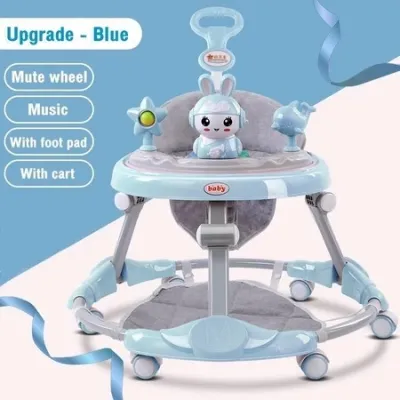
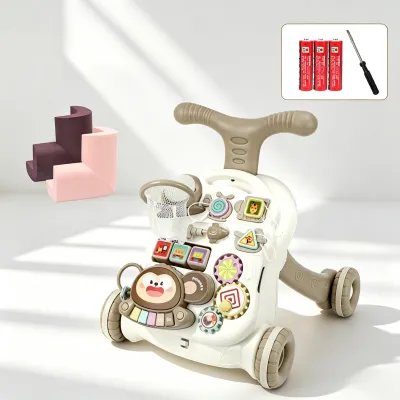
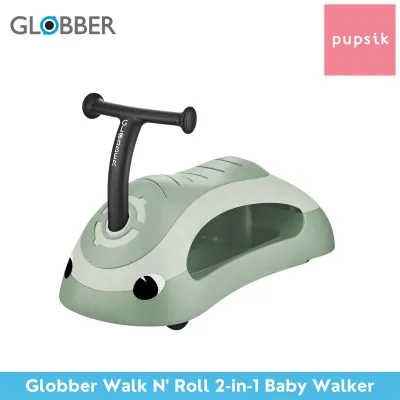
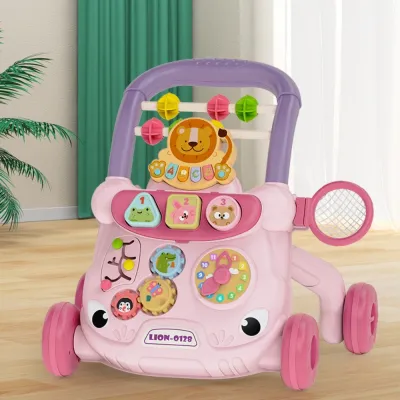
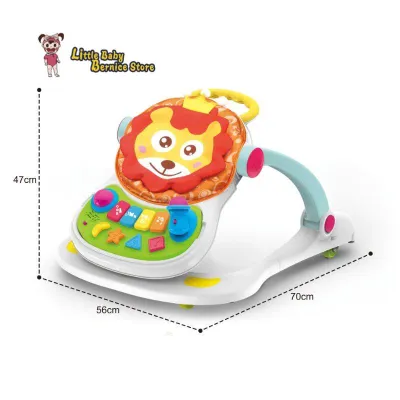
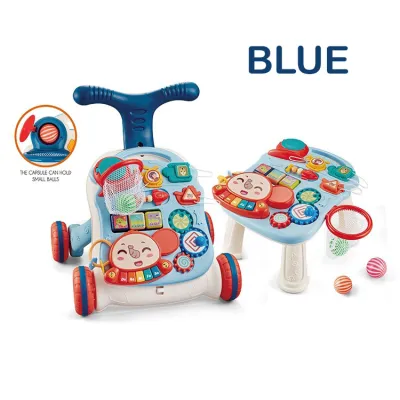

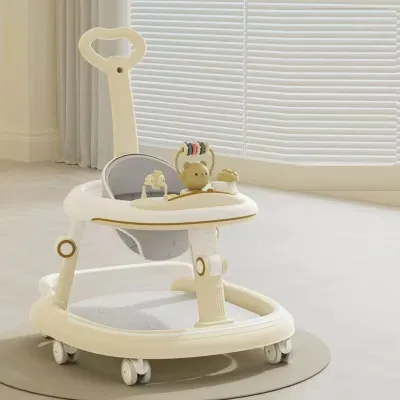
Prices are valid at publication and may change. Please refer to the product page for the latest price.
Stair falls represent the most common and severe hazard associated with traditional walkers. The momentum of a wheeled device can carry a child down a flight of stairs before an adult can intervene, often resulting in severe head injuries or fractures. Even in single-level apartments, small thresholds, rugs, or toys on the floor can cause a fast-moving walker to tip over, leading to sudden falls.
Additionally, being suspended in a sit-in walker artificially elevates a baby’s height. This gives them access to household hazards that would normally be well out of reach, such as hot liquids on table edges, electrical cords, heavy objects that can be pulled down, or toxic household chemicals stored on low shelves.
As a safer alternative, stationary activity centers—often called exersaucers or jumpers—are highly recommended. These units feature a suspended seat surrounded by a tray of interactive toys, allowing the baby to bounce, spin, and stand without the dangerous mobility of wheels. They provide the same sensory stimulation and motor play while keeping the child safely contained in one spot.
If you still decide to purchase a mobile baby walker, you must commit to choosing a model equipped with advanced safety mechanisms and maintaining absolute, uninterrupted supervision within a strictly controlled, single-level environment.
Essential Design Features to Inspect Before Purchase
When evaluating a mobile walker or a walk-behind push toy, you must physically inspect the product or its official documentation to verify several key structural safety mechanisms.

- Wide and Stable Base: The physical footprint of the walker is your first line of defense against tipping. Look for a wide, heavy, rectangular or circular base that extends significantly beyond the perimeter of the upper frame and seat. This wide stance lowers the center of gravity and prevents the walker from tipping over when the baby leans sideways or forward to reach for toys.
- Stair-Fall Prevention: If you are buying a wheeled walker, inspect the underside of the base frame for specialized friction strips, rubber grips, or automatic braking pads. These safety components are designed to grab the floor surface or catch on the edge of a step, instantly halting the wheels to prevent the walker from rolling over an edge.
- Height and Posture Adjustability: Infant skeletal systems are highly malleable, making proper positioning crucial. Ensure the walker features a reliable, multi-position height adjustment mechanism. When the baby is seated, their feet must be able to rest flat on the floor to bear weight naturally. If only their toes touch the ground, it can lead to tight calf muscles, toe-walking habits, and improper hip joint development; consult a pediatrician if you notice persistent toe-walking.
- Wheel Locks: A high-quality mobile walker should double as a stationary play station when needed. Check that the wheels feature robust, easy-to-engage locking mechanisms. Locking the wheels allows your baby to play with the attached toy tray without moving across the room, giving you a controlled environment for stationary play.
- Push-Walker Specifics: For walk-behind push toys, the safety considerations shift. Because the baby is supporting their own weight, the push-walker must have a heavily weighted base to prevent it from tipping backward when the baby pulls themselves up using the handlebar. Additionally, look for adjustable wheel resistance or tension controls that prevent the walker from rolling away too quickly on smooth flooring, which could cause the baby to fall forward.
How to Verify Safety Certifications and Standards
Before finalizing any purchase, you must verify that the product has undergone rigorous independent safety testing. Look for prominent compliance marks indicating the walker meets recognized international engineering standards.
For infant walkers, the most common standards are ASTM F977 in the United States and EN 1273 in Europe. These standards dictate strict requirements for stability, structural integrity, and stair-fall prevention. In Singapore, high-quality certified baby walkers typically range from S$80 to S$250, while stationary activity centers can range from S$120 to S$350, reflecting the rigorous testing and materials required to meet these standards.
These safety labels are typically permanently affixed to the plastic or metal frame of the walker, printed clearly on the original packaging, or detailed within the manufacturer’s instruction manual. Do not rely solely on product descriptions on retail websites; physically inspect the device or request verification from the seller.
Be exceptionally cautious when browsing unverified online marketplaces or third-party ecommerce platforms. Heavily discounted, unbranded baby products often bypass mandatory safety testing and may lack essential safety features like friction strips or non-toxic materials.
In Singapore, consumers should check the Consumer Product Safety Office (CPSO) registry and safety alerts. The CPSO monitors consumer products for safety hazards, and checking their official database will help you verify if a specific brand or model has been subject to active recalls or safety warnings.
Preparing Your Home and Supervising Safely
Using a baby walker requires a complete overhaul of your living space to eliminate potential hazards before your child is placed in the device.
- Stair Safety: If your home has multiple levels, you must install hardware-mounted safety gates at both the top and bottom of every staircase. Pressure-mounted gates are highly discouraged for this purpose, as the impact force of a rolling walker can easily dislodge them, leading to a catastrophic fall.
- Floor and Hazard Clearance: Clear the floor of all tripping and sliding hazards. Remove throw rugs, secure loose electrical cords along baseboards, and ensure that heavy furniture pieces, such as bookshelves or television stands, are securely anchored to the wall to prevent pull-down accidents if the baby reaches up.
- Reach Zone Management: Because a walker elevates your baby and allows them to stand upright, their reach is significantly extended. Ensure that all hot liquids, sharp kitchen utensils, fragile items, electrical appliances, toxic cleaning supplies, and small choking hazards are moved to high shelves well out of their physical grasp.
- Direct Supervision: No safety feature or home preparation can replace active, continuous adult supervision. A baby in a walker must remain under direct visual supervision at all times, with an adult in the same room and within arm's reach. A walker is a mobile play device, not a babysitter, and should never be used as a substitute for a secure playpen or dedicated caregiver attention.
Red Flags: When to Retire the Baby Walker
Knowing when to stop using a baby walker is just as important as knowing how to choose one. Parents must monitor developmental milestones and structural wear to prevent accidents.
- Manufacturer Limits: Always adhere strictly to the manufacturer's specified weight, height, and age limits printed on the product label. Exceeding these limits compromises the structural integrity of the frame and increases the risk of tipping or mechanical failure.
- Developmental Milestones: You must permanently retire the walker as soon as your baby can climb out of the seat, pull themselves up to a standing position unassisted, or begin taking independent steps. Continued use past these milestones can lead to dangerous escape attempts and falls.
- Structural Wear: Regularly inspect the physical condition of the walker for structural wear and tear. Check for loose screws, cracked plastic joints, torn seat fabric, or malfunctioning wheel locks. If any component is compromised, stop using the device immediately and do not attempt temporary home repairs; consult the manufacturer for replacement parts or retire the unit.
- Behavioral Signs: Pay attention to behavioral cues from your baby. If they show signs of physical fatigue, frustration, or seem to rely excessively on the walker's seat to move around rather than practicing natural floor-based crawling and pulling up, it is time to transition them back to floor play. Floor-based movement is essential for building the core, back, and neck muscles required for natural, unassisted walking.
Frequently Asked Questions (FAQ)
Are traditional baby walkers banned in Singapore?
Traditional wheeled baby walkers are not legally banned from sale in Singapore, unlike in countries like Canada where their sale and import are prohibited. However, local pediatricians, hospitals, and child health authorities strongly discourage their use due to the high risk of serious injuries. Parents are advised to exercise extreme caution and always check the latest safety alerts and consumer advisories from Singapore’s Consumer Product Safety Office (CPSO) before making a purchase.
What developmental milestones must my baby meet before using a walker?
Before considering any type of walker or stationary activity center, your baby must meet specific physical readiness milestones. They must be able to sit up completely unassisted, maintain steady head control without wobbling, and show a natural interest in bearing weight on their legs when held upright. Chronological age is secondary to these physical indicators; always verify that your baby meets both these developmental milestones and the manufacturer’s minimum age and weight specifications before use.
Are push-walkers safer than traditional sit-in walkers?
Generally, walk-behind push-walkers are considered a safer alternative to traditional sit-in wheeled walkers. Because they do not suspend the baby in a seat, they do not restrict natural hip movement or encourage improper toe-walking. However, they are not without risks; a push-walker still requires a heavily weighted base to prevent backward tipping and speed-control wheels to prevent the toy from rolling away too quickly on smooth floors. Continuous caregiver supervision is still mandatory to prevent falls.
Community discussion
Share your experience or ask a question. Comments are reviewed before publication.