
When dealing with back strain, there is no single “best” baby waist carrier brand, as ergonomic support depends heavily on your specific pain points, your baby’s weight, and how the carrier fits your unique body shape. Rather than relying on marketing claims, this guide breaks down the core ergonomic design features across different carrier types, helping you evaluate options and make a conditional choice that minimizes parent back strain.
In Singapore’s warm and humid climate, carrying a baby for extended periods can quickly lead to physical fatigue and heat discomfort. Choosing a carrier with the right structural support and breathable materials is essential for maintaining a healthy posture. By understanding how different waist belts, lumbar pads, and shoulder straps distribute weight, you can select a model that actively protects your spine while keeping you and your baby comfortable.
Key Ergonomic Features to Evaluate for Back Strain
To find a baby waist carrier that genuinely reduces spinal load, you must look past marketing buzzwords and evaluate the physical design elements of the waist belt. The primary goal of an ergonomic carrier is to transfer the baby’s weight away from your delicate neck and shoulder muscles down to your larger, stronger pelvic and hip bones. A narrow, poorly padded belt will cut into your waist under load, concentrating pressure on a small surface area of the lower back and forcing your spinal muscles to work overtime to keep you upright.
Products mentioned in this guide
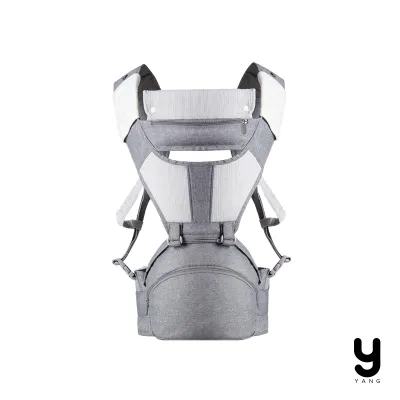
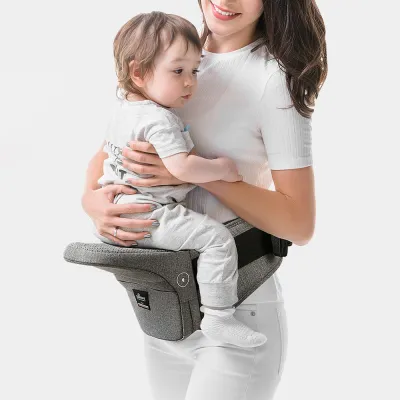
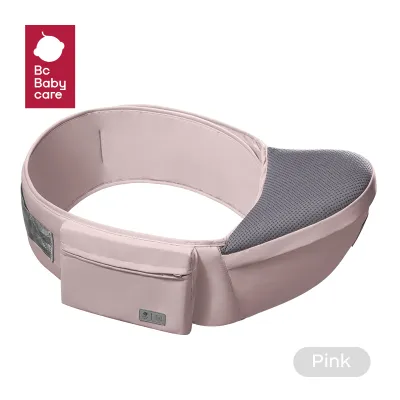
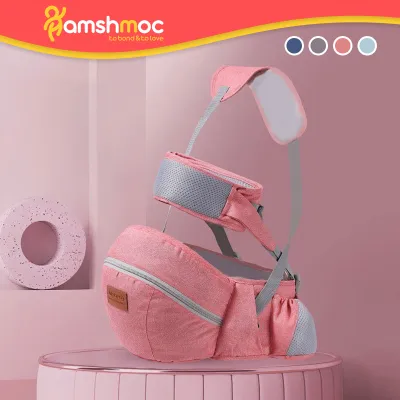
![[SG In Stock]Ergonomic Baby Carrier Backpack Infant Baby Hipseat Carrier Front Facing Baby Wrap Sling Travel Backpack](https://img.lazcdn.com/g/p/3c0cdb9bc2b1c77dbdec8695e3ea31f2.jpg_400x400q80.jpg_.webp)
Prices are valid at publication and may change. Please refer to the product page for the latest price.
When evaluating different brands, pay close attention to the width and padding density of the waist belt. A wide belt, typically measuring between 10 to 15 centimeters, spreads the downward force over a much larger surface area, which significantly reduces localized pressure points. The density of the padding is equally critical; soft, plush padding may feel comfortable to the touch initially, but it can compress completely under the weight of a growing baby. High-density foam, such as closed-cell or EVA foam, resists collapsing under load, ensuring the belt maintains its structural integrity and continues to support your hips during long walks.
Lumbar support pads are another vital feature to check. These are reinforced panels or inserts positioned at the back of the waist belt that sit directly against the small of your spine. They help maintain the natural inward curve of your lumbar spine, preventing you from slouching or arching your back excessively to balance the baby’s weight. Look for brands that offer adjustable or removable lumbar pads, allowing you to position the support exactly where your lower back needs it most.
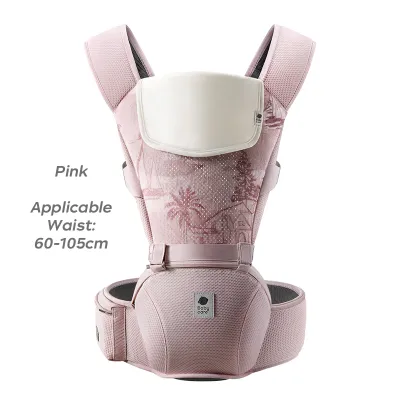
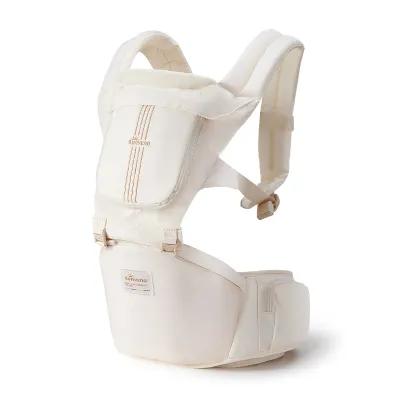
For hybrid waist carriers that include shoulder straps, the strap configuration plays a secondary but highly important role in managing upper back and neck tension. Crossable shoulder straps (often referred to as an X-back design) are highly effective at distributing weight evenly across the strong muscles of your upper back. Traditional parallel straps (an H-back design) require a chest clip to keep them in place; if this clip is adjusted incorrectly, it can cause the straps to pull forward on your neck, exacerbating existing upper back strain.
Comparing Waist Belt and Lumbar Support Designs
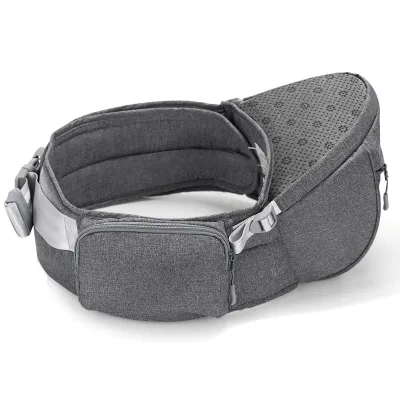
Different brands utilize distinct structural approaches to manage heavy loads and support the lower back. The most significant structural division is between structured hip seat carriers, which feature a rigid shelf for the baby to sit on, and soft-structured wide waist belts, which rely on fabric tension to hold the baby close to your body. Understanding the trade-offs of each design is essential for matching a carrier to your specific physical needs.

Structured hip seat carriers typically use a hard shell insert made of lightweight expanded polypropylene (EPP) or plastic inside the waist belt. This rigid shelf provides a solid platform for the baby, which completely eliminates the downward pull on the parent’s shoulders and upper back. This design is highly beneficial for older babies and toddlers who frequently want to be picked up and put down. However, the rigid insert does not conform to the parent’s body shape. If you have a petite frame or prominent hip bones, the hard shell can press uncomfortably against your pelvis, causing localized discomfort or bruising over time.
In contrast, soft-structured wide waist belts offer a highly flexible, contoured fit that wraps tightly around your waist and hips. This design conforms closely to your body shape, allowing for dynamic movement and making it highly comfortable for long periods of sitting or walking. Because there is no rigid insert, the carrier is less bulky and easier to pack. The trade-off is that soft-structured carriers require precise tensioning; if the belt is not tightened sufficiently, the fabric can sag under the baby’s weight, transferring the strain directly back to your lower spine.
Contoured waist belts are pre-shaped to curve over the natural contours of the hips, which helps prevent the edges of the belt from digging into your ribs or thighs when you bend over or sit down. Flat waist belts are simpler, straight bands of fabric; while they work well for parents with straight body types, they can gap at the top or bottom on parents with highly curved waist-to-hip ratios, leading to uneven weight distribution and localized pressure.
Adjustability mechanisms are critical for achieving a tight, supportive fit that does not require constant readjustment. Many ergonomic carriers utilize a combination of wide hook-and-loop fasteners (Velcro) and heavy-duty plastic safety buckles. The hook-and-loop section allows for micro-adjustments to get a perfectly snug fit around your waist, while the buckle acts as a secure backup. However, you must inspect these fasteners regularly, as lint and repeated washing can degrade the grip of hook-and-loop materials over time. Dual-adjust buckles, which allow you to pull the webbing forward from both sides of your hips, are highly recommended because they require less physical effort to tighten compared to single-pull buckles that require reaching behind your back.
Decision Framework: Choosing the Right Carrier for Your Back
To select the most suitable baby waist carrier for your back, you must match your specific back pain profile and your baby’s weight to the appropriate structural design. There is no universal solution, and what works for one parent may cause discomfort for another.
Consider a structured hip seat carrier if you experience upper back or neck tension and carry a heavier toddler who can sit independently. The rigid shelf effectively removes the load from your shoulders, provided the hard shell rests comfortably on your hip bones without pressing into your pubic bone or lower abdomen. This design is ideal for short, frequent carrying sessions where quick transitions are necessary.
Consider a soft-structured wide-belt carrier if you experience lower back stiffness or have a sensitive pelvic area that cannot tolerate the pressure of a hard insert. The flexible, contoured lumbar wrapping moves dynamically with your body, distributing the baby’s weight evenly across your hips while keeping their center of gravity close to your torso. This design is highly suitable for longer carrying sessions and for younger babies who still require close, wrapped support.
Regardless of the design you choose, it is vital to recognize the limitations of baby gear. If your back pain is acute, undiagnosed, or related to postpartum recovery (such as pelvic girdle pain, diastasis recti, or a Caesarean section scar), a baby carrier may not be suitable. The pressure of a tight waist belt can exacerbate healing tissues or strain weakened core muscles. Always stop use and verify your physical readiness with a qualified healthcare professional, such as a doctor or postpartum physiotherapist, before carrying any weighted load.
Fit, Adjustment, and Safe Usage Practices
Proper wearing technique is just as critical as the carrier’s design for preventing and managing back strain. Even the most ergonomically advanced carrier will cause discomfort if it is fitted incorrectly or worn in a position that compromises your posture.
To ensure proper weight transfer, the waist belt must be positioned high on your waist, resting directly on top of your iliac crest (the prominent hip bones). A common mistake is wearing the belt too low, resting on the soft tissue of the hips or sagging down toward the thighs. When the belt is too low, the weight of the baby pulls the carrier forward, forcing you to arch your lower back excessively to compensate. This poor posture places immense strain on your lumbar muscles and spinal discs.
Once the waist belt is positioned correctly, tighten it securely before placing your baby in the carrier. The belt should be snug enough that it does not slip down when the baby’s weight is added. When your baby is positioned, check that their center of gravity is kept close to your body. The baby should be positioned high enough on your chest that you can easily kiss the top of their head simply by tipping your chin down. If the baby is positioned too low or if there is a gap between your body and the baby’s torso, it creates a lever effect, exponentially increasing the load on your spinal extensors.
Always monitor your body for warning signs of a poor fit or muscle fatigue. If you experience sharp pain in your shoulders, a dull ache in your lumbar region, excessive arching of your lower back, or any numbness or tingling in your legs or arms, stop using the carrier immediately. Remove your baby safely and readjust the straps. Do not attempt to push through the pain, as this can lead to chronic muscle strain or joint inflammation. Remember to check the manufacturer’s specific product documentation to verify the minimum and maximum weight limits, developmental milestones, and safety warnings before your first use.
Frequently Asked Questions (FAQ)
Can a baby waist carrier completely cure my existing back pain?
No, a baby waist carrier is not a medical treatment and cannot cure existing back pain. While an ergonomically designed carrier can distribute weight more efficiently and reduce immediate muscle strain compared to carrying a baby in your arms, it does not treat underlying spinal, joint, or muscular issues. If you experience persistent, sharp, or worsening back pain, you should stop using the carrier and consult a physiotherapist or medical doctor for a proper diagnosis and treatment plan.
At what baby weight should I switch to a waist carrier for better back support?
There is no universal weight or age at which you must switch to a waist carrier, as every parent’s physical strength and spinal health differ. Instead, monitor your comfort levels and your baby’s developmental milestones. When your baby’s weight causes you to lean backward or forward to compensate, or when you feel increased strain in your shoulders and lower back during short carries, it may be time to transition to a carrier with a wider, more supportive waist belt. Always verify the specific manufacturer’s minimum and maximum weight limits, as well as developmental requirements (such as independent head and neck control), before using a waist carrier or hip seat.
Community discussion
Share your experience or ask a question. Comments are reviewed before publication.